Tuberose Vase Life in the Tropics: How Long Do They Last?
How long does tuberose last in Bali's heat and humidity? Our florists share honest expectations and care tips to maximise every day.
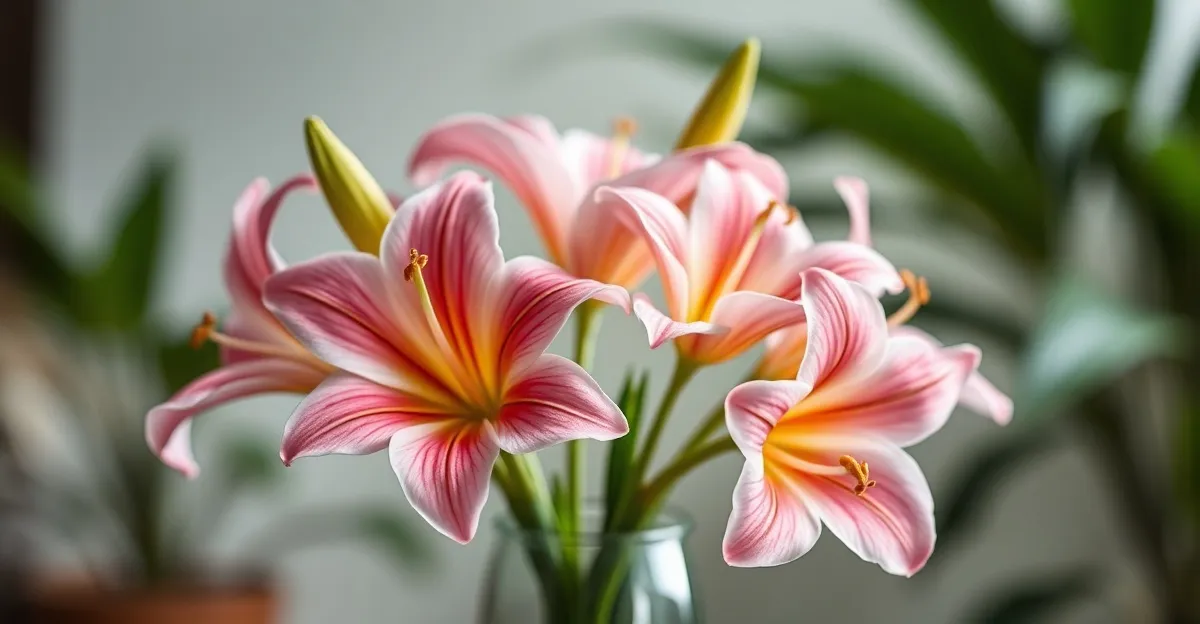
If you've just received a tuberose arrangement in Bali and you're wondering how long to expect it to look and smell beautiful, this guide will give you honest, practical answers. Tuberose in the tropics behaves quite differently from tuberose in a temperate climate, but the news is largely good: this flower has genuine tropical resilience that rewards proper care.
Realistic Expectations in Bali
In temperate climates with consistent room temperatures around 18-20°C, cut tuberose in a vase typically lasts ten to fourteen days, with some specimens going even longer. In Bali, where ambient temperatures range from 27°C to 33°C and humidity rarely drops below 70%, those numbers require adjustment.
With proper care, expect seven to twelve days of good vase life for tuberose in Bali. Without care — left in unchanged water, in direct sun, near air conditioning — four to six days is more typical. The difference between a cared-for and a neglected tuberose arrangement is genuinely significant here.
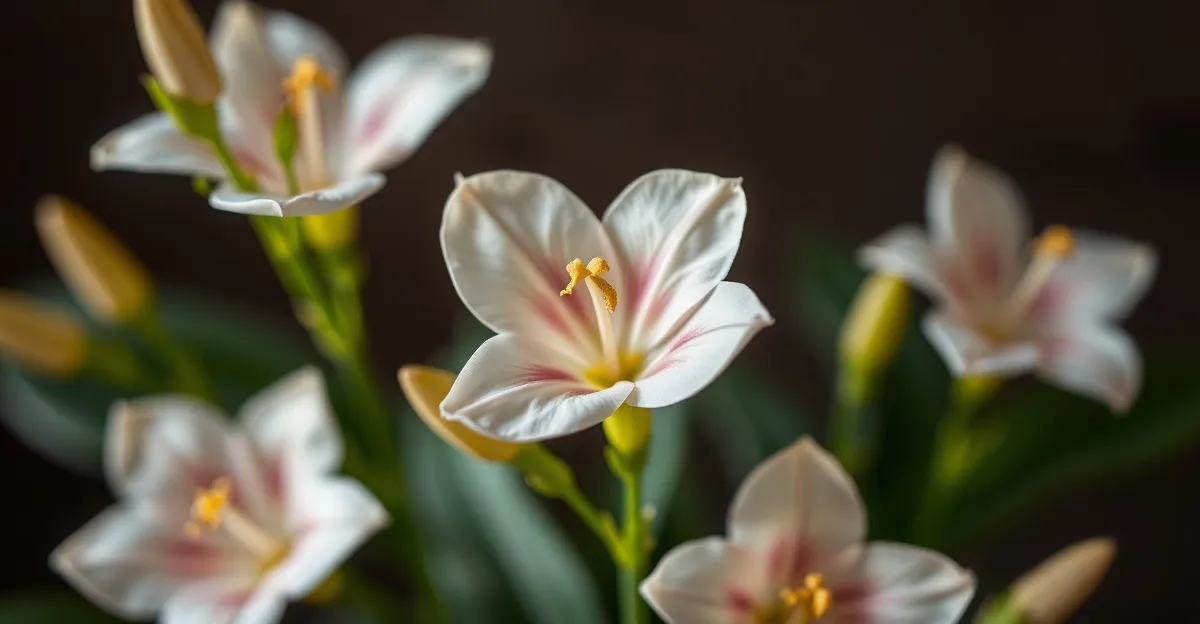
There's also an important nuance: tuberose vase life is sequential. Individual florets open and fade progressively up the spike, from the bottom upward. So while the lower florets may be fading by day seven or eight, new buds higher on the spike are only then opening. A well-maintained tuberose spike at day nine can still have beautiful, fresh-looking upper florets, even as the lower portion has completed its cycle.
This means the practical question of "how long does it last?" has two answers: the lower florets last seven to ten days, while the spike as a whole may continue presenting fresh flowers for up to twelve days with good care.
Why Tuberose Handles Tropical Conditions Reasonably Well
Tuberose's relative resilience in tropical conditions is not accidental. The flower is native to tropical Mexico and has been cultivated across tropical Asia for centuries. It genuinely prefers warm conditions over cool ones — unlike many imported temperate flowers that simply struggle in Bali's climate.
The primary tropical challenge for any cut flower is bacterial growth in warm vase water, which blocks the stem's water transport system and cuts off the flower's hydration. Tuberose's relatively thin stems (compared to lilies or amaryllis) and the waxy quality of its petals give it some natural resistance to the most rapid forms of this deterioration.
The secondary challenge — ethylene-induced aging — is also somewhat mitigated by tuberose's naturally slow ethylene sensitivity. This means the progressive floret-by-floret opening that tuberose naturally does is not dramatically accelerated by the same ethylene exposure that would devastate more sensitive flowers.
Care That Makes a Real Difference
The Initial Preparation
When your tuberose arrives, re-cut the stems immediately at a 45-degree angle, removing at least 2 centimetres. Use a sharp, clean knife rather than scissors if possible — scissors can crush the thin stem tissue and impede water uptake. Remove any foliage that will sit below the waterline.
Place the stems in room-temperature water with flower food dissolved in it. The room-temperature water is important — cold water can shock the stems and slow the initial uptake.
Water Changes and Re-cutting
Change the vase water every two days. This is the single most impactful care step for tropical conditions. Each time you change the water, trim another centimetre from each stem. Over a twelve-day vase life, this means the stems get progressively shorter — which is normal and manageable.
Keep the vase itself clean. Bacteria accumulate on the inner walls of glass vases quickly in warm temperatures. A quick wipe with a paper towel each time you change the water is enough.
Placement
The ideal placement for tuberose in a Bali home is a cool, shaded interior space away from both direct sun and direct air conditioning airflow. A shaded living room, a kitchen away from windows, or a bathroom counter (for the ambient humidity) all work well.
Avoid: direct tropical sunlight (accelerates petal aging), cold air conditioning airflow (dehydrates petals and suppresses the fragrance — though this extends life, you lose the scent), fruit bowls (ethylene gas), and electronic devices that emit heat.
Removing Spent Florets
As lower florets complete their cycle — becoming soft, translucent, or beginning to brown — pinch or cut them away from the spike. This keeps the arrangement looking fresh and is a small way of directing whatever physiological resources remain toward the unopened upper buds. It also prevents fallen petals from decomposing in the vase water.
Managing the Fragrance Over Time
One interesting aspect of tuberose vase life is that the fragrance curve doesn't always parallel the visual beauty curve. Tuberose fragrance often peaks around day three or four, when the maximum number of florets is open and the flowers are at full biological activity. After this peak, the fragrance gradually mellows but doesn't disappear — even aging tuberose at day ten still carries a notable, gentler scent.
For those who love the fragrance most, the first week is your primary window. For those who enjoy fresh visual beauty, the period from day five onward — when upper buds have opened — often presents the most beautiful appearance.
In Bali's warm evenings, tuberose fragrance intensifies significantly. This is why the Indonesian name "sedap malam" (night fragrance) is so apt. Keep your arrangement in a warm-ambient space in the evenings to maximise this experience.
What Shortens Tuberose Life in Bali Specifically
A few Bali-specific factors that reduce tuberose vase life are worth calling out:
Delivery transit time: Flowers that have spent several hours in a car or on a motorbike in Bali's heat without water will have already consumed some of their vase life before reaching your home. This is why ordering from a nearby florist — rather than a supplier who delivers from far away — matters for flower quality. At heyflower.co, we serve Canggu and surrounding areas with same-day delivery to minimise transit time.
Pre-event handling: For event or wedding flowers, tuberose that has been held without water during a ceremony can be revived but will have shorter remaining life than flowers that went straight to the vase. Always reunite event flowers with water as soon as possible.
Dry season vs wet season: In Bali's dry season (May to September), lower ambient humidity can dehydrate tuberose petals faster. In the wet season, higher humidity is actually gentler on the flowers, though increased risk of fungal issues in standing water must be managed by more frequent water changes.

The team
your florists
weekly subscription · Bali
We write about flowers because we love them. We deliver them because someone should — properly, weekly, across Bali.
— heyflowerPay once for 3, 6, or 12 months, no auto-renewal.
Signs That Tuberose Is Past Its Best
When tuberose is ready to be retired from the vase:
- Petals becoming translucent and losing their waxy firmness
- Browning at the petal edges
- Stem becoming soft or slimy near the base
- Fragrance becoming fermented or unpleasant rather than sweet
- No remaining closed buds on the spike
At this point, composting the flowers is the right choice. If you have a garden or plant pots, tuberose stems and petals add organic matter to soil and their decomposition is essentially odour-free.
Comparing Tuberose to Other Tropical Flowers
For those wondering how tuberose compares to other flowers in Bali's conditions: it performs similarly to well-conditioned roses (seven to ten days with care) and significantly better than lilies (five to seven days) or hydrangeas (three to five days) in tropical conditions. The truly long-lasting options in Bali are tropical natives like anthuriums and heliconias, which can last two to three weeks as cuts precisely because they evolved in this climate.
Frequently Asked Questions
Can I extend tuberose life by putting it in the fridge overnight?
A cool space (not a refrigerator, which is typically too cold) can slow overnight deterioration. If you have a wine cooler set to around 12-15°C, this is a good overnight storage option. Standard refrigerators at 4-7°C are too cold and can cause chilling damage to tropical-origin flowers.
Why does my tuberose smell different at different times of day?
This is normal and a feature of the flower's biology. Tuberose fragrance intensifies in warm conditions (evenings in Bali) and diminishes in cool, dry conditions (air-conditioned mornings). The actual fragrance compound production is temperature-sensitive.
Can tuberose recover if it wilts after arrival?
Yes, if the wilt is from transit dehydration. Re-cut the stems deeply, place in warm water with flower food, and leave in a cool (not cold) space for two to four hours. Most tuberose will recover noticeably from this treatment.
How do I know when to do the final re-cut?
Re-cut every time you change the water (every two days). By day eight or ten, the stems may be quite short — this is normal. At this point, the remaining tuberose can be moved to a shorter vase to present the still-beautiful upper spike properly.
Is it worth buying tuberose even for a short stay in Bali?
Absolutely. Even four to five days of fresh tuberose in your Bali villa creates an extraordinary sensory experience. The fragrance alone makes it one of the most memorable floral experiences available here.
Fresh Tuberose Across Bali
At heyflower.co, we deliver fresh, professionally conditioned tuberose and other premium flowers across Bali. Our subscription service brings beautiful arrangements to your door weekly, fortnightly, or monthly — so you're never without fresh flowers in your home. Explore our options and discover what professional flower care looks like.
More on Tuberose