Pairing Tuberose with Other Blooms: A Florist's Guide
Tuberose's extraordinary fragrance dominates any arrangement — here's how to pair it beautifully without competition. Tips from Bali's florists.
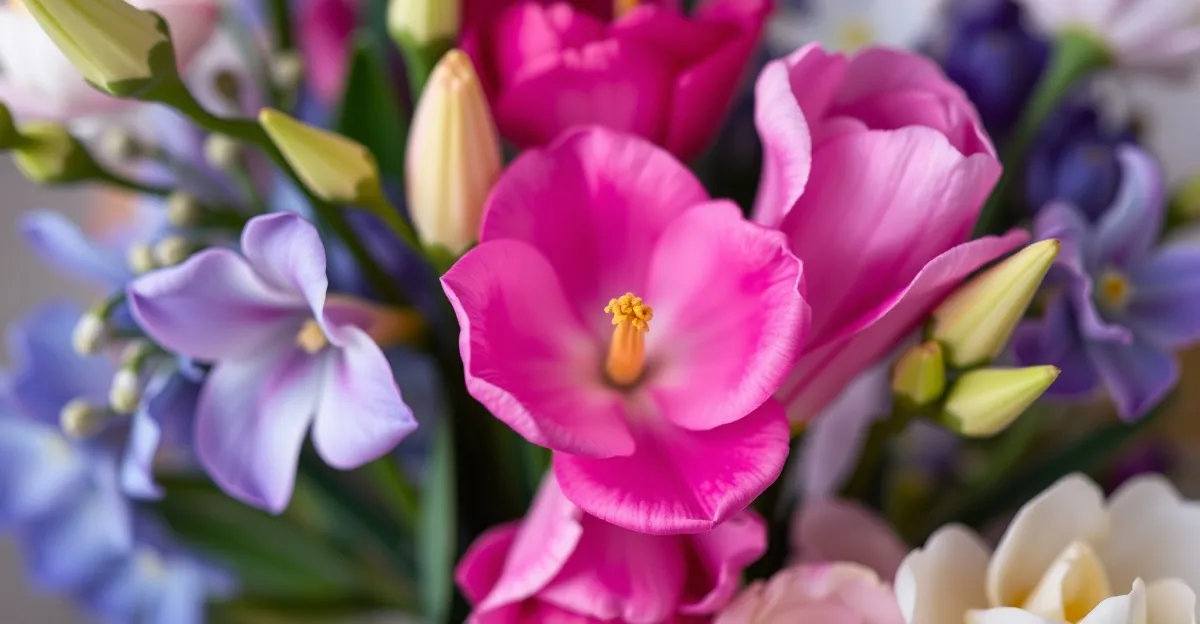
Working with tuberose as a florist is a particular pleasure and a particular challenge. The pleasure is obvious: here is a flower with presence, fragrance, and architectural elegance that elevates any arrangement it's part of. The challenge is managing that dominance. Tuberose's fragrance is so powerful that it effectively becomes the entire sensory identity of an arrangement. Any companion flower you choose needs to work within that context — either embracing it, complementing it, or deliberately playing against it.
After years of working with tuberose at heyflower.co in Bali, here is our most comprehensive guide to pairing this extraordinary bloom.
Understanding Tuberose as a Design Element
Before choosing companion flowers, understand what tuberose brings to an arrangement structurally as well as aromatically.
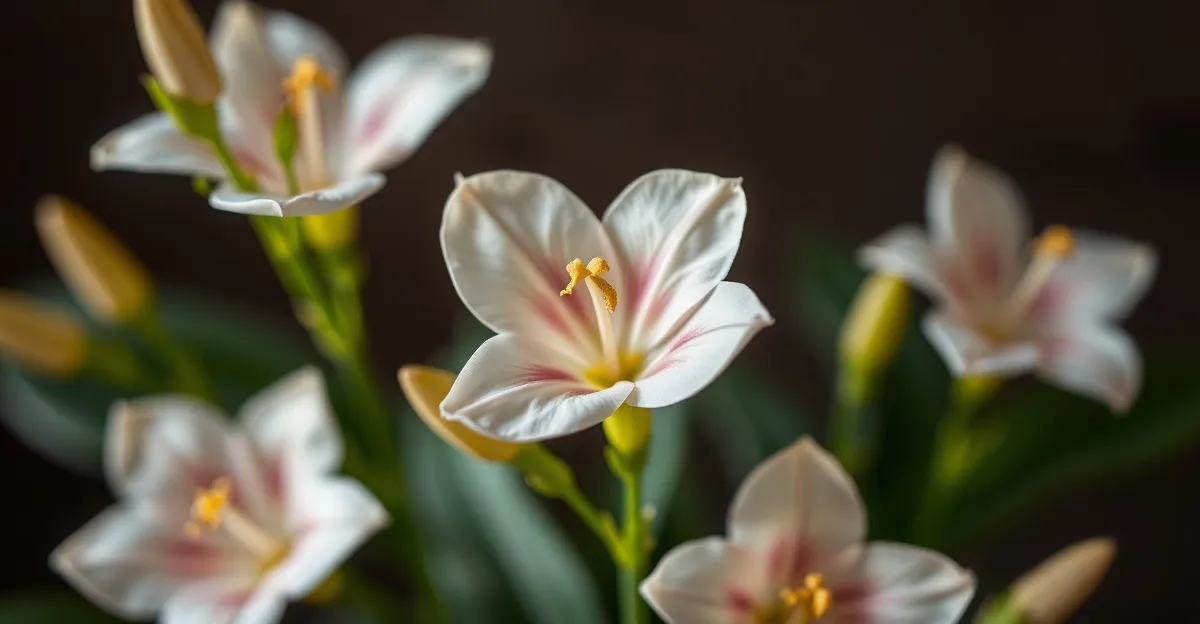
Tuberose presents as tall, vertical spikes — typically 50 to 80 centimetres — with small, waxy white florets arranged tightly along the upper two-thirds of each stem. The form is architectural and linear. There are no large, open faces that create focal points in the way roses or peonies do. The visual texture is fine and repeated, like a string of pearls.
This means tuberose functions best as an element within an arrangement rather than a standalone focal point. It brings height, vertical rhythm, and extraordinary fragrance. Companion flowers need to provide what tuberose lacks: focal interest, volume, and visual weight.
The fragrance consideration is equally important. Tuberose's scent is so powerful that pairing it with other strongly fragrant flowers creates olfactory chaos rather than harmony. Choose companion flowers that are either unscented or very lightly scented.
The Best Pairings for Tuberose
White Roses: The Classic Partner
White roses and tuberose are perhaps the most traditional pairing in the florist's repertoire, and the reason is simple: they work. The soft, rounded fullness of a white garden rose contrasts beautifully with tuberose's structured linear form. Both are white, but in different textures and scales, creating visual interest through contrast rather than colour variation.
For Bali arrangements, garden roses and David Austin varieties with large, open faces work particularly well alongside tuberose. The lushness of a fully open rose compensates for the linear simplicity of the tuberose spikes, creating an arrangement that feels both classical and generous.
The fragrance consideration: choose lightly scented rose varieties. Heavily scented roses alongside tuberose create a fragrance competition that can be overwhelming in an enclosed space.
Gardenias: Fragrant Luxury, Used Carefully
Gardenias and tuberose is an intensely fragrant combination — both flowers have powerful, distinctive scents. This pairing is only for spaces where strong fragrance is explicitly welcome, and even then, restraint is key. A single gardenia bloom alongside tuberose spikes, rather than multiple gardenias, creates something extraordinary without becoming overpowering.
In Bali, where gardenias grow locally and abundantly, this pairing has a particularly authentic island character. The waxy white of both flowers creates visual consistency. For a bedroom nightstand arrangement or a deeply romantic table setting, gardenia and tuberose together create an olfactory experience that is genuinely unforgettable.
Tropical Greenery: The Bali-Specific Solution
One of the most effective approaches for pairing tuberose in Bali's context is to simply not add other flowers — let the tuberose be the floral element, and build around it with exceptional tropical foliage.
Monstera leaves, with their dramatic perforated forms, create striking contrast against tuberose spikes. Large tropical ferns provide lush texture. Tropical palm leaves add movement and scale. The white flowers against vivid green foliage photographs beautifully and feels genuinely of this island.
This minimalist approach requires confidence, but when executed well, it's one of the most sophisticated arrangements we make. It also allows tuberose's fragrance to be the complete sensory statement — no competing flower scents.
Lisianthus: Complementary Texture, Zero Fragrance Competition
Lisianthus is one of the best supporting flowers for tuberose, and its essential virtue in this context is its near-absence of scent. The ruffled, layered petals of white or cream lisianthus add visual volume and a different textural quality alongside tuberose's architectural spikes, without any fragrance competition.
The visual relationship between tuberose and lisianthus is one of architectural contrast: the rigid, vertical spike versus the soft, rounded ruffle. Both in white, they create an arrangement that is visually interesting precisely because of this structural conversation.
For bouquets and hand-tied arrangements, tuberose and lisianthus together with some eucalyptus foliage creates something genuinely elegant without being fussy.
Orchids: Contemporary and Sculptural
White phalaenopsis orchids alongside tuberose creates a contemporary, architectural arrangement that photographs extraordinarily well. Both flowers share an architectural quality — the orchid's elegant arching sprays versus tuberose's vertical spikes — and both are white. Neither competes with the other for visual dominance; instead, they create a duet of different structural vocabularies.
For wedding florals, for high-end villa welcome arrangements, and for event installations, tuberose and orchids together read as luxurious and intentional. Orchids are essentially unscented, making them ideal fragrance-safe companions for tuberose.
Bali's orchid growing culture means high-quality orchids are locally available at reasonable prices compared to many imported blooms. This makes the tuberose-orchid combination particularly accessible here.
Ranunculus: Softness and Colour
If you want to introduce gentle colour alongside tuberose, ranunculus is one of the most harmonious choices. Soft blush, peach, or cream ranunculus alongside white tuberose creates warmth without jarring contrast. The many-petalled, rounded form of ranunculus provides visual fullness that balances tuberose's linear spikes.
The fragrance profile of ranunculus is essentially neutral, making it safe to combine with tuberose. The pairing is particularly beautiful for romantic occasions and bridal arrangements.
Fragrances to Avoid Combining with Tuberose
Some pairings are best avoided when fragrance harmony is important:
Hyacinths: Intensely fragrant in a clashing register with tuberose. The two scents together can be headache-inducing.
Oriental lilies: Stargazer and other oriental lily varieties are powerfully fragrant. Combined with tuberose, the combined intensity can overwhelm most spaces.
Freesias: Freesia's distinctive, sharp sweetness doesn't harmonise well with tuberose's deeper, more complex warmth.
Heavy-scented roses: Some rose varieties (notably Damask and Old Garden Roses) are intensely fragrant. In combinations, these compete with tuberose rather than supporting it.
For more on choosing the right fragrance-aware combinations, you might also enjoy reading our guidance in best occasions to gift a tuberose bouquet for context on where these arrangements work best.

The team
your florists
weekly subscription · Bali
We write about flowers because we love them. We deliver them because someone should — properly, weekly, across Bali.
— heyflowerPay once for 3, 6, or 12 months, no auto-renewal.
Colour Principles for Tuberose Pairings
Because tuberose is essentially white, most colour pairing decisions involve the companion flowers and foliage rather than the tuberose itself.
All-white arrangements: Sophisticated, ceremonial, and timeless. Tuberose with white roses, white lisianthus, white orchids, and silver or dusty green foliage.
White and green: Tuberose with tropical greenery only — fresh, natural, and unmistakably Balinese.
White with soft pastels: Tuberose as the white anchor with blush, peach, or lavender companion flowers. Soft, romantic, and photogenic.
White with deep colour accents: Tuberose alongside deep burgundy, navy, or forest green elements — foliage or dark companion flowers — creates dramatic contrast.
Scale and Proportion
Tuberose spikes are tall — often 60 to 80 cm — and this height needs to be honoured in the arrangement. Short, compact companion flowers crowded around tall tuberose spikes create an unbalanced arrangement. Either work with similarly tall companions (roses on long stems, tall orchid sprays) or use the tuberose as vertical accents emerging from a lower cloud of supporting flowers.
In Bali's villa interiors, tall tuberose arrangements work particularly well in entryways, on high counters, and as standalone statements in spacious rooms. The height of the spikes creates a sense of occasion and drama that fills a room vertically as well as horizontally.
Frequently Asked Questions
Can I combine tuberose with roses for a bridal bouquet?
Yes, and it's one of the most classic bridal combinations. White roses with tuberose in a hand-tied bouquet creates something both traditional and extraordinarily fragrant. Request low-fragrance rose varieties from your florist to ensure the tuberose scent dominates.
How do I stop tuberose from overpowering other flowers' scents?
Use fewer tuberose stems (one to three in a mixed arrangement rather than five or more), choose companion flowers that are unscented or very lightly scented, and ensure the arrangement isn't placed in a small enclosed space.
Does tuberose pair well with tropical flowers for Balinese arrangements?
Beautifully. The white of tuberose against vivid tropical blooms and lush foliage creates arrangements that feel simultaneously luxurious and unmistakably of Bali. The fragrance of tuberose adds another sensory layer to the visual drama.
What foliage works best with tuberose?
Tropical foliage (monstera, palm leaves, tropical ferns) for Bali-specific arrangements. Eucalyptus for a more classic, universal pairing. Italian ruscus or sword fern for structured, classic bouquet work.
Is tuberose too fragrant for a bedroom arrangement?
Potentially, yes. Tuberose's fragrance intensifies at night, and a significant number of stems in a bedroom can affect sleep quality for fragrance-sensitive people. For bedrooms, use a single stem or two as an accent rather than a full arrangement. You can always move it to the living space in the evening.
Beautiful Pairings, Delivered Fresh
At heyflower.co, our florists design arrangements that work with tuberose's unique character — creating pairings that honour its extraordinary fragrance while building something visually beautiful around it. Explore our flower subscriptions and see what thoughtful design looks like, week after week.
More on Tuberose