Can Heliconia Grow in Bali? A Florist's Perspective
Yes, heliconia thrives in Bali. Discover the best varieties, growing tips, and why Bali's volcanic soil and climate make it ideal heliconia territory.
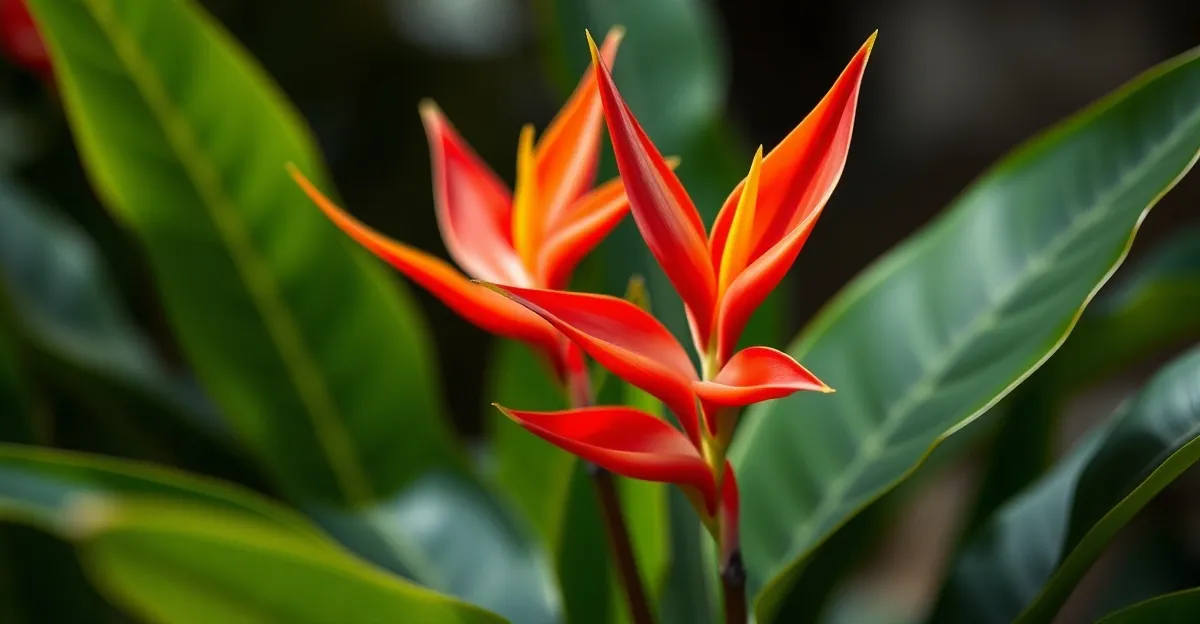
The short answer is: not only can heliconia grow in Bali, it thrives here in a way that would be impossible to replicate in most other parts of the world without expensive glasshouse conditions. Bali's climate is so close to heliconia's ideal growing environment that the plant essentially looks after itself once established.
As a florist based in Canggu, I have watched heliconia growing in villa gardens, temple courtyards, roadside verges, and carefully tended nurseries across the island. Understanding why it does so well here—and how to make the most of it in your own garden—is the purpose of this guide.
Why Bali Is Perfect for Heliconia
Climate Alignment
Heliconia is native to tropical and subtropical Americas—the rainforest belt from southern Mexico through Central America and into northern South America. The key climate parameters it needs are: consistently warm temperatures (ideally 20°C to 35°C), high humidity, abundant rainfall distributed through the year, and freedom from frost.
Bali ticks every box with remarkable precision. Sea-level temperatures stay in the 27°C to 33°C range year-round. Humidity is high—often 70% to 85% relative humidity in coastal areas. The wet season from October to April delivers abundant rainfall, and even the dry season (May to September) rarely creates the kind of drought stress that would harm an established heliconia planting. And frost? Bali has essentially never experienced it at sea level.
Volcanic Soil
Bali's soil is primarily derived from volcanic activity—rich in minerals, generally well-draining, and naturally fertile. Heliconia is a heavy feeder that rewards rich soil with exceptional growth and prolific flowering. In volcanic soil, heliconia planted with reasonable care can achieve remarkable size within a single growing season.
The drainage properties of volcanic soil are equally important. Heliconia loves moisture but cannot tolerate waterlogged roots—a well-draining volcanic soil keeps the roots moist without drowning them, which is the ideal balance.
Year-Round Growing Season
In temperate climates, heliconia can only be grown during the warm season—it dies back in winter and must either be protected under glass or dug up and stored as rhizomes. In Bali, there is no such constraint. Heliconia grows actively year-round, which means established plants continue to produce new growth and new blooms in every month of the year.
This year-round productivity is what makes heliconia so valuable for the Balinese cut flower industry. Unlike seasonally limited flowers that are only available during certain months, local heliconia can be cut and delivered throughout the year.
Which Heliconia Varieties Grow Best in Bali
Heliconia Rostrata
The hanging lobster claw—Heliconia rostrata—is one of the most commonly cultivated varieties in Bali and grows superbly here. Its long, pendant inflorescences hang below the main stem, creating a dramatic weeping form that is architecturally distinctive. Plants can reach three to five metres in height in ideal conditions. It blooms prolifically in Bali's climate, making it an excellent choice for gardens where you want regular cut flowers for the house.
Heliconia Psittacorum
This is the compact, bushy heliconia variety that produces upright clusters of small, colourful bracts in orange, yellow, red, and pink. It is more manageable in size than Heliconia rostrata—typically 60 to 120 centimetres in height—making it ideal for smaller villa gardens and container planting. It blooms abundantly in Bali and responds well to the tropical heat and humidity. If you want heliconia in a pot on a terrace or balcony, this is your variety.
Heliconia Bihai
A striking upright variety with broad, bright bracts in red-orange combinations. It grows vigorously in Bali's conditions and can reach two to three metres in height. The bold, solid-colour bracts make it particularly effective as a cut flower and as a dramatic garden specimen.
Heliconia Stricta
Another upright variety with compact, colourful bracts. Several cultivars are available with different colour combinations—some showing yellow and red, others pink or orange. It is generally smaller and more compact than Heliconia bihai and works well in mixed tropical plantings where you do not want a single heliconia to dominate everything around it.
Heliconia Latispatha
A robust, upright variety with wide, spreading bracts in yellow-red combinations. It grows vigorously in Bali and is one of the more commonly seen varieties in large-scale garden plantings around hotels and resorts.
How to Grow Heliconia in Your Bali Garden
Starting From Rhizomes
The most reliable way to establish heliconia in a Bali garden is from rhizomes—the underground stems from which new plants develop. Local nurseries across Bali stock heliconia rhizomes, and you can also source them from neighbouring gardens where established plants are due for division.
Plant rhizomes horizontally, about 10 to 15 centimetres below the soil surface. In Bali's warm soil, germination is rapid—you can expect shoots to emerge within two to four weeks. Place plants where they will have room to expand: heliconia spreads by rhizome and will gradually colonise the surrounding area if not managed.
Spacing and Management
Give heliconia room. Most varieties need at least one metre of space in every direction, and vigorous varieties like Heliconia rostrata do best with one and a half to two metres of clearance. In a formal garden setting, use edging or regular rhizome removal to keep the planting within its intended boundaries.
Divide established clumps every two to three years to maintain vigour and flowering. Remove old, spent stems after flowering by cutting them off at the base—this encourages the plant to put energy into new growth and new blooms rather than maintaining declining old material.
Watering in Bali's Dry Season
During Bali's dry season (roughly May to September), established garden heliconia needs supplemental watering if rainfall is insufficient. In low-lying coastal areas of Bali, the dry season can be genuinely dry—two or three weeks without significant rain is not unusual. Water established heliconia two to three times per week during these periods.
Young plants in their first growing season are more vulnerable to water stress and should be watered more frequently. In the wet season, natural rainfall is usually sufficient for well-established plants.
Fertilising for Maximum Blooms
Bali's volcanic soil is naturally fertile, but established heliconia plantings that have been in the ground for several years will benefit from additional fertilisation. Apply a balanced granular fertiliser at the beginning of both the wet and dry seasons. Liquid fertilisers applied every four to six weeks during active growth produce the most dramatic results in terms of both plant size and flower production.
High-phosphorus fertilisers are particularly effective for encouraging flower production over purely vegetative growth.

The team
your florists
weekly subscription · Bali
We write about flowers because we love them. We deliver them because someone should — properly, weekly, across Bali.
— heyflowerPay once for 3, 6, or 12 months, no auto-renewal.
Heliconia in the Wider Bali Landscape
Temples and Public Spaces
Look around any Balinese temple complex and you will almost certainly find heliconia growing somewhere in the grounds. Its tropical exuberance fits naturally with the lush, tropical character of sacred Balinese spaces, and its cut blooms are sometimes incorporated into the decorative arrangements that surround temple ceremonies.
Public parks, government buildings, and commercial plantings across Bali use heliconia liberally as a low-maintenance tropical landscaping plant. Its year-round flowering and tolerance for Bali's conditions make it ideal for public spaces where plants need to look good with minimal intervention.
Villa Gardens
Among Bali's villa community—whether private homes or short-term rental properties—heliconia is a consistent favourite for garden planting. Villa gardens that include heliconia in their tropical planting schemes benefit from having a continuous, home-grown source of dramatic cut flowers. Pair this with a professional delivery service for the weeks when cutting your own is not practical, and you have the ideal setup. Flower subscriptions for villa rentals in Canggu explores how regular flower deliveries work alongside villa garden plantings.
For residents and villa owners who want to enjoy beautiful tropical flowers without the garden space, flower arrangement ideas for your office desk and other heyflower.co guides show how delivered heliconia and other tropicals can keep your interior spaces alive with botanical energy.
Frequently Asked Questions
Is heliconia invasive in Bali's garden?
Heliconia spreads by rhizome and can expand more than expected if left unmanaged. It is not invasive in the ecological sense—it does not threaten native ecosystems—but in a garden context it benefits from regular division and rhizome management to keep it within its intended space.
How long does heliconia take to flower from a rhizome in Bali?
In Bali's warm, fertile conditions, heliconia planted from rhizomes typically produces its first blooms within six to twelve months. Established plants in their second and subsequent years flower more prolifically.
Can I grow heliconia in a pot in Bali?
Yes, compact varieties like Heliconia psittacorum grow well in large pots (40 centimetres or more in diameter). Use a rich, well-draining potting mix, water regularly, and fertilise every four to six weeks. Container-grown heliconia will not reach the same size as garden-grown plants but can produce good blooms.
Where can I buy heliconia rhizomes in Bali?
Local nurseries (pembibitan) across Bali stock heliconia rhizomes. The nursery areas around Bedugul and along the road between Denpasar and Bedugul are particularly good sources. Fellow gardeners and villa communities are also good sources for divided rhizomes.
Does heliconia need full sun to grow in Bali?
Heliconia grows well in partial shade to bright indirect light. Full sun positions are workable in Bali but require more frequent watering. The dappled light beneath larger trees is often ideal for robust growth without heat stress.
Tropical Flowers, Delivered to Your Door
At heyflower.co, our arrangements feature locally grown heliconia sourced from Bali's finest growers. Whether you are cultivating your own garden or relying on regular deliveries to keep your space beautiful, we are here to bring you the best of what Bali's extraordinary botanical environment produces.
Explore our tropical arrangements and subscribe for weekly, fortnightly, or monthly deliveries at heyflower.co.
More on Heliconia