How to Care for Tuberose in Bali's Humid Climate
Keep your tuberose looking and smelling beautiful in Bali's heat and humidity. Expert care tips from heyflower.co florists.
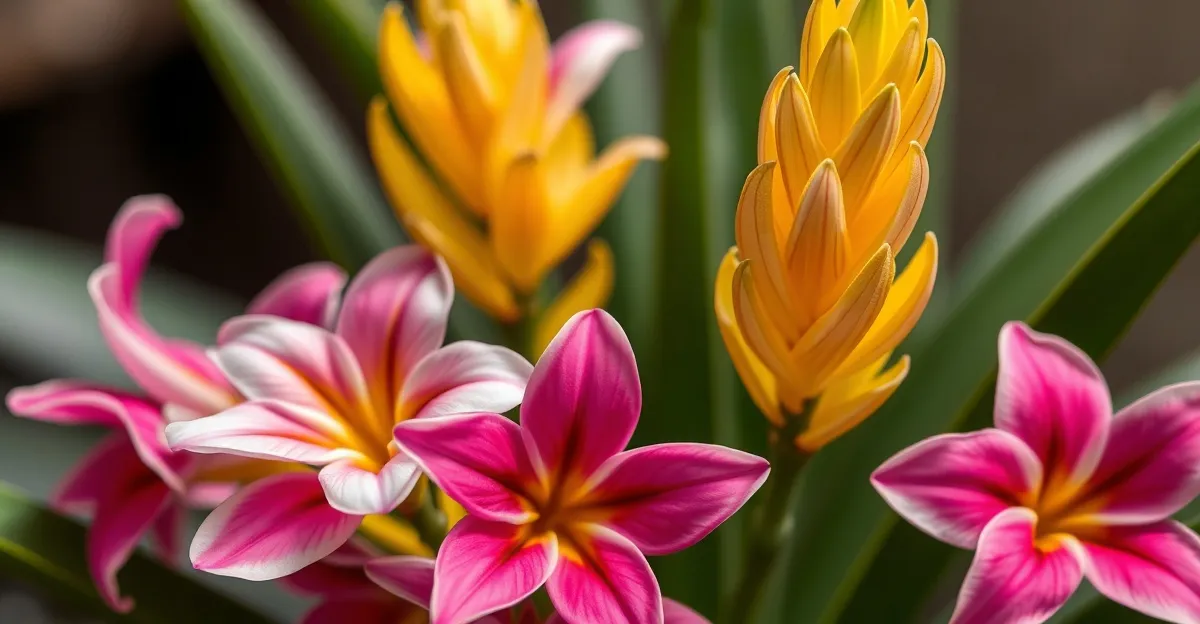
Tuberose is one of the few flowers that seems genuinely at home in Bali's tropical climate. As a flower that originated in tropical Mexico and has been cultivated in warm climates across Asia for centuries, it has a natural affinity for heat and humidity that many imported flowers lack. But "well-suited" doesn't mean care-free. There are specific steps that make the difference between tuberose that blooms and fragrances for a week, and tuberose that collapses within three days.
At heyflower.co, we condition and deliver tuberose across Bali regularly. This guide reflects what we've learned from working with this flower in tropical conditions.
Why Tuberose Needs Different Care in Bali
The primary challenge with any cut flower in Bali is the same: warm temperatures accelerate every biological process. Water taken up by the stem carries both nutrients and, unfortunately, bacteria. In warm water, bacteria multiply faster, clogging the tiny transport vessels in the stem and cutting off the flower's water supply. Secondary challenges include rapid evaporation from petals (leading to wilting in air-conditioned spaces) and fungal issues in the high ambient humidity.
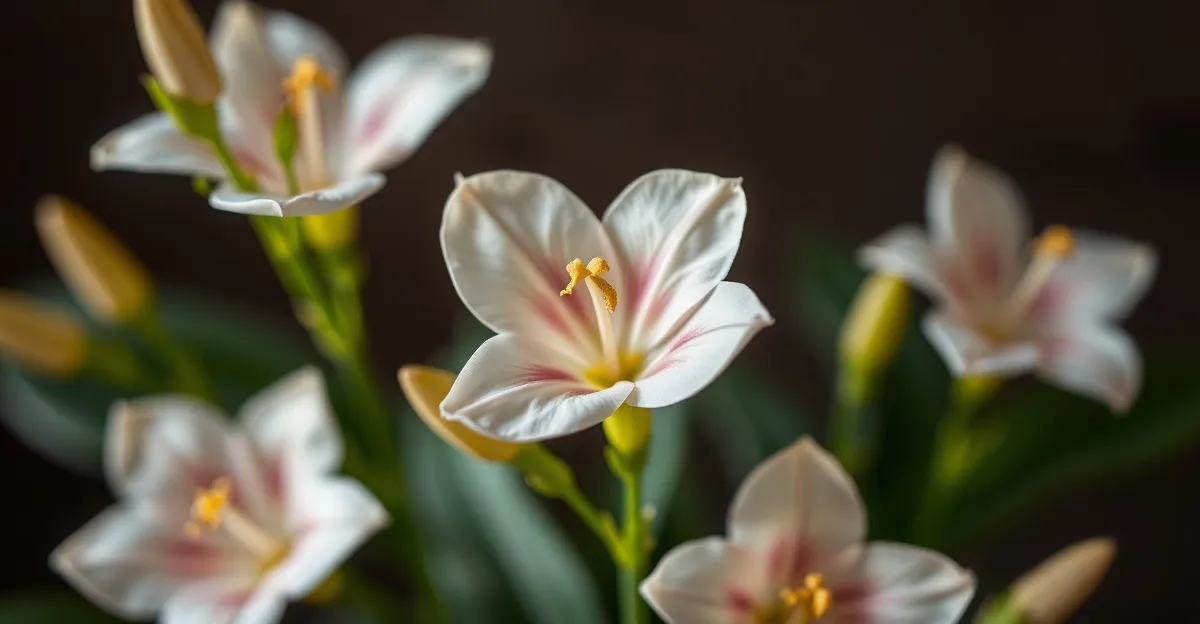
Tuberose, with its multiple small florets arranged along a tall spike, has an additional specific care consideration: the individual florets open sequentially from the bottom of the spike upward. Proper care ensures that the lower florets don't deteriorate before the upper buds have had a chance to open and bloom.
Preparing Your Tuberose for the Vase
The Initial Cut
As soon as your tuberose arrives, re-cut the stem ends at a 45-degree angle using a clean, sharp knife or scissors. Remove at least 2 to 3 centimetres from the base. This exposes fresh, unclogged tissue and dramatically improves water uptake.
Cut the stems while holding them briefly under water, or immediately place them into water after cutting. Allowing cut stems to be exposed to air for even a few minutes can allow air bubbles to enter the water transport system, reducing water uptake.
Removing Lower Foliage
Tuberose stems have long, strap-like leaves along their length. Any foliage that would sit below the waterline in your vase must be removed before placing in water. Leaves submerged in water decompose quickly, dramatically accelerating bacterial growth and making your water foul within a day. Strip all lower foliage cleanly.
Conditioning Water
Use lukewarm water initially rather than cold water. Warm water travels up the stem more easily than cold, helping the newly cut stem hydrate efficiently before you transition to cooler water. Dissolve a sachet of cut flower food in the water — this provides both energy and antibacterial protection.
If you don't have flower food, the effective alternative is: 1 teaspoon of sugar (energy), a few drops of household bleach (antibacterial), and 1 teaspoon of white vinegar (acidifier) per litre of water.
Daily Care Routine
Water Changes Every Two Days
Change the vase water every two days without exception. In Bali's warmth, water becomes visibly cloudy within 48 to 72 hours as bacteria multiply. Don't wait until the water smells — by then, bacterial levels are high enough to have significantly shortened your flowers' life. Each time you change the water, give the vase itself a quick rinse and wipe to remove biofilm from the glass.
Re-cutting With Each Water Change
Every time you change the water, trim 1 to 2 centimetres from the base of each stem. This may feel wasteful, but it's the single most effective ongoing care step. Cut stems develop a clogged, callused section over time that impedes water uptake. Regular trimming keeps the uptake channel clear and fresh.
Removing Spent Florets
As the lower florets on each tuberose spike complete their blooming cycle, they will begin to brown and soften. Remove these spent florets by pinching them away from the stem carefully — this keeps the arrangement looking fresh and directs energy (such as it is in cut flowers) toward the remaining buds. Well-maintained tuberose with regular spent floret removal maintains an attractive appearance for significantly longer than neglected stems.
Placement: Where to Put Your Tuberose in Bali
Location matters enormously. The right spot can add days to your tuberose's vase life.
Away from Direct Sun
Direct tropical sunlight bleaches petals and dramatically accelerates aging. The whiteness of tuberose petals offers little reflective protection. Keep your arrangement away from windows that receive morning or afternoon sun — the ambient light in a shaded interior room is sufficient and far gentler.
Managing Air Conditioning
Air conditioning is both your friend and your enemy. A cooler ambient temperature extends vase life — good. But air conditioning units direct cold, dry air that dehydrates petals rapidly — bad. The solution is positioning: keep tuberose in a room that's cooled by air conditioning but away from the direct airflow of the unit. A cool, humid corner of the room is ideal.
Never place tuberose directly in front of or below an air conditioning unit. The constant desiccating airflow is one of the quickest ways to shorten vase life.
Away from Fruit
Ripening fruit releases ethylene gas, a plant hormone that accelerates aging in cut flowers. Keep your tuberose well away from the fruit bowl. This is a surprisingly significant factor — bananas, in particular, release substantial quantities of ethylene as they ripen.
Ideal Placement
In most Bali villas, the best spot for tuberose is a shaded interior space — perhaps a kitchen bench away from the window, a living room side table, or a bathroom counter (the ambient humidity in a bathroom can actually help tuberose petals stay fresh, as long as the bathroom isn't directly next to a shower that creates temperature spikes).
When Tuberose Wilts: Recovery Techniques
If your tuberose wilts unexpectedly, don't immediately assume it's beyond saving. Wilt from dehydration — rather than from bacterial stem blockage — can often be reversed.
Deep water treatment: Re-cut the stems deeply (remove 3 to 4 centimetres), place in the deepest available water, and leave in a cool space for several hours. Many wilted tuberose stems will recover noticeably within two to four hours of this treatment.
Ice water trick: Cold water creates higher dissolved oxygen content and can help refresh dehydrated stems. After a deep re-cut, placing stems in cool water in an air-conditioned room can help.
Newspaper wrap: Wrapping the stems (but not the flowers) in newspaper while they're in deep water helps support the stems vertically and encourages the water to reach the flowerheads.

The team
your florists
weekly subscription · Bali
We write about flowers because we love them. We deliver them because someone should — properly, weekly, across Bali.
— heyflowerPay once for 3, 6, or 12 months, no auto-renewal.
Maximising the Fragrance Experience
Part of what makes caring for tuberose in Bali so rewarding is the fragrance. A few tips for maximising the scent experience:
The fragrance of tuberose intensifies in warm conditions — its Indonesian name "sedap malam" (night fragrance) refers to the fact that the scent is most powerful in warm evening air. In Bali, this means evening is the best time to appreciate your tuberose arrangement.
Keep tuberose in the room you most occupy in the evenings — the living area, the dining room — for maximum fragrance impact. Moving it to an air-conditioned bedroom at night will cool and slightly suppress the fragrance, though it will extend vase life.
If you love the fragrance, consider having tuberose as part of your flower subscription arrangement so that fresh, fragrant tuberose cycles through your space regularly.
Frequently Asked Questions
How long does tuberose last in a Bali vase?
With proper care — regular water changes, re-cutting, good placement — tuberose can last seven to ten days in Bali. Without care, four to six days is more typical. Individual floret life varies; lower florets will have spent before upper buds open, so the spike is constantly renewing.
Why are my tuberose buds not opening?
Buds that fail to open are usually a sign of insufficient water uptake — either from bacterial stem blockage or from cutting the stems in air rather than water. Re-cut the stems, change the water, and ensure the stems are cleanly cut at an angle. Providing slightly warmer water and a warmer room position can also encourage bud opening.
Can I put tuberose stems in just water without flower food?
Yes, but your vase life will be shorter. Flower food addresses three specific problems — bacterial growth, energy supply, and water pH — that plain water doesn't manage. Even a simple home alternative (sugar, bleach, vinegar) is meaningfully better than plain water alone.
Should I split the tuberose stem ends?
Some florists recommend splitting the base of tuberose stems to increase surface area for water uptake. This can be beneficial, particularly for stems that have been out of water for an extended period, but it's not necessary if you're maintaining regular re-cutting.
Is it normal for tuberose to drop small petals?
Yes. As individual florets complete their bloom cycle, they naturally fall from the spike. This is normal and not a sign of a problem. Simply remove fallen petals from the vase water to keep it cleaner.
Fresh Tuberose, Delivered to Your Door
At heyflower.co, we prepare our tuberose with professional care before delivery — properly conditioned, stripped of lower foliage, and arriving in peak condition. Our subscription service means you get fresh, fragrant tuberose and other premium blooms delivered to your Bali address week after week. Discover what a difference professional flower care makes.
More on Tuberose