When Not to Gift Tulip: Cultural Considerations
Tulips are widely loved, but certain cultural contexts call for different flowers. A guide to tulip gifting etiquette in Bali's multicultural environment.
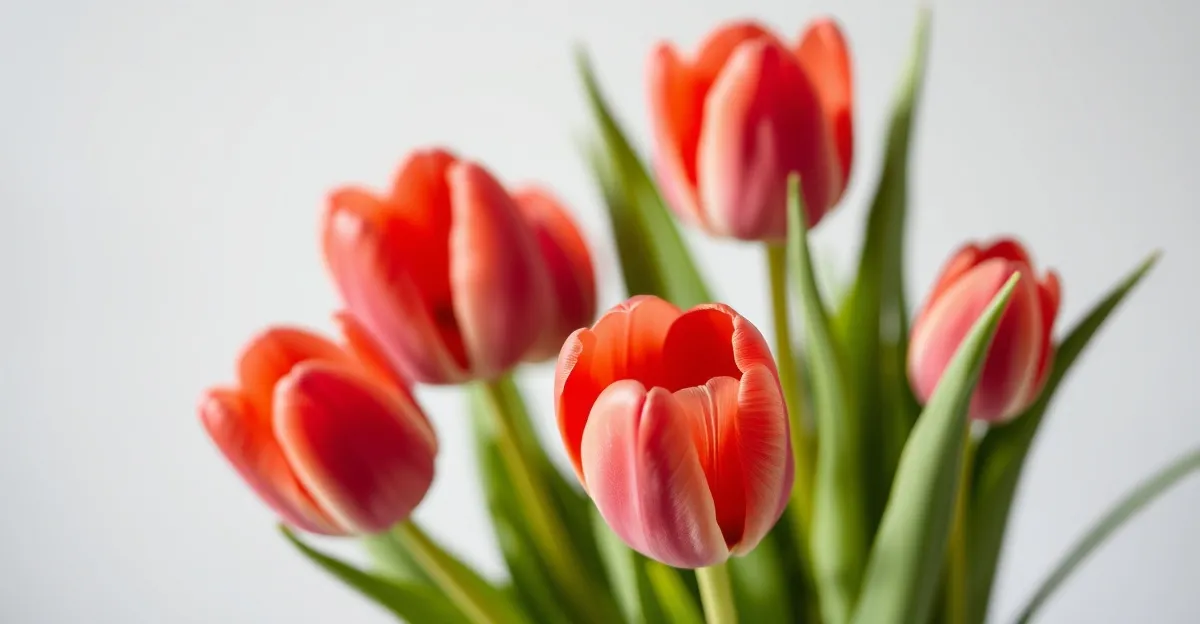
Tulips are one of the more culturally neutral flowers in the gifting world. They don't carry the funeral associations of white lilies in East Asian cultures, they're not bound to specific religious ceremonies in the way that marigold or frangipani are in Balinese Hindu practice, and they don't have the complex colour symbolism of roses that can create accidental misunderstandings. In most contexts, a beautiful tulip bouquet is simply a beautiful tulip bouquet.
But "mostly neutral" and "completely universal" are different things. There are specific cultural contexts, colour choices, and occasions where tulips are the wrong choice — and knowing them saves you from giving a gift that lands differently from how you intended.
In Bali, where you might find yourself gifting to Dutch expats, Japanese tourists, Balinese Hindu families, Chinese-Indonesian businesspeople, and Australian long-termers all in the same social circle, having this knowledge matters.
Persian and Iranian Tradition: A Special Relationship
Before covering what to avoid, it's worth noting the cultural context where tulip gifting is almost automatically appropriate and deeply resonant. In Persian and Iranian tradition, the tulip is among the most beloved national symbols — it appears in Nowruz (Persian New Year) celebrations, in classical poetry, and in the name of many significant cultural places and institutions.
For Iranian or Persian recipients in Bali, giving tulips is a warm, culturally sensitive gesture. Red tulips in Persian tradition represent martyrdom and passionate love — the flower is connected to blood spilled for love or for a cause. Yellow tulips in Iranian gifting carry meanings of separation or unrequited love, so exercise some care with yellow when gifting romantically to someone with this background.
Yellow Tulips: Proceed with Context
This is the most significant cultural nuance for tulip gifting. In some traditions — particularly Iranian, but also in parts of European folk tradition — yellow tulips carry connotations of separation, jealousy, or unrequited love. The specific association is with a lover left behind or a love that isn't returned.
This is much less commonly observed outside Persian tradition, and for most gifting purposes in Bali's international community, yellow tulips are simply warm and joyful. But for a romantic gift to someone with Iranian or Persian heritage, choose red or pink tulips rather than yellow.
For all other cultural contexts in Bali — Balinese Hindu, Chinese-Indonesian, Dutch, Australian, Japanese — yellow tulips carry no negative associations and are widely appreciated.
White Tulips in East Asian Cultural Contexts
White flowers carry funeral associations in Chinese, Japanese, and Korean cultural traditions. This is much more strongly felt with chrysanthemums and white lilies than with white tulips, which are relative newcomers to East Asian flower culture and don't carry the same depth of funeral-specific association.
That said, for a significant celebration — a Chinese New Year gathering, a promotion celebration for a Japanese colleague, a birthday for a Korean friend — choosing colourful tulips rather than white is a safe and considerate choice. Pink, red, yellow, or orange tulips for these occasions feel clearly celebratory. White tulips for these occasions, while not carrying the direct funeral weight of white chrysanthemums, might still feel insufficiently festive to the recipient.
For sympathy occasions for East Asian recipients, white tulips are actually appropriate — they're gentle enough to work for support without carrying the specific "funeral flowers" associations of other white blooms.
Dutch Cultural Context: A Note on Expectations
Here's an interesting nuance in the other direction. The Dutch relationship with tulips is so deeply cultural — the tulip is arguably the most significant symbol of the Netherlands, more so than windmills or wooden shoes — that gifting tulips to a Dutch person in Bali carries particular weight.
This is generally a positive thing. Dutch expats, of whom there are many in Bali, usually respond warmly to receiving tulips here because the flowers are a piece of home in a place very far from home. However, there's an implicit standard that comes with this: Dutch people know what good tulips look like. They grew up seeing the best tulip cultivation in the world. If you're gifting tulips to a Dutch friend, make the effort to source quality flowers — Dutch-imported varieties if possible, large and perfect and properly conditioned. A wilted or mediocre tulip bouquet to a Dutch person will not land the way a wilted bouquet might to someone without that cultural reference.
Situations Where Tulips May Not Be the Right Choice
Beyond specific cultural considerations, there are some practical contexts where tulips aren't ideal.
Extended Outdoor Events in Bali's Heat
Tulips are among the more heat-sensitive cut flowers available. If you're gifting flowers for an outdoor garden party, beach wedding, or event that will spend several hours in direct Bali sun, tulips are not your best choice. They'll open rapidly, droop in the heat, and will look spent before the party is over. For outdoor tropical events, sturdier tropical flowers — anthurium, heliconia, Strelitzia — are far better choices.
Events with No Immediate Refrigeration
Tulips benefit enormously from cool storage. If the gift recipient is traveling, doesn't have a fridge available, or will be at a venue without cooling facilities, a tulip bouquet may not survive in peak condition. Choose a hardier flower for situations where immediate proper care isn't possible.
Long-Distance Gifting Within Indonesia
If you're sending flowers from Bali to another Indonesian city by regular courier, tulips are likely to arrive in poor condition due to their heat sensitivity. Local flowers — orchids, anthuriums, tropical arrangements — travel far better.
Balinese Hindu Temple Ceremonies
Tulips have no place in Balinese Hindu ceremonial flower use. The sacred flowers used in canang sari and temple offerings are specific and established — frangipani, marigold, jasmine, hibiscus. Offering tulips for temple ceremony purposes would be an aesthetic and cultural misunderstanding. As gifts for the families celebrating ceremonies (at dinner, at home), tulips are entirely appropriate.

The team
your florists
weekly subscription · Bali
We write about flowers because we love them. We deliver them because someone should — properly, weekly, across Bali.
— heyflowerPay once for 3, 6, or 12 months, no auto-renewal.
What to Give Instead
For each context where tulips aren't ideal:
For Chinese New Year celebrations: Red or gold roses, peonies (deeply auspicious in Chinese culture), or bold orange and yellow tropical arrangements.
For outdoor Bali events: Anthurium, tropical mixed arrangements with heliconia and ginger lily, or orchid displays. You can read more about how to write a retreat welcome flower card message for guidance on suitable flowers for various Bali event contexts.
For Persian/Iranian occasions (avoiding yellow): Red tulips (deeply resonant), or a mix of reds and pinks.
For heat-exposed summer ceremonies: Strelitzia, anthurium, tropical foliage arrangements, or succulents that celebrate Bali's natural environment.
For tulip-alternative Japanese or Korean gifting: Pink or white roses, chrysanthemums in celebratory settings (widely positive in Japan), or orchids.
At heyflower.co, understanding the cultural context of gifting is something we take seriously. If you're unsure what's right for a specific recipient or occasion, reach out — we're based in Canggu and we know Bali's diverse community well. Our Monday deliveries cover Canggu, Berawa, Pererenan, Seminyak, and Kerobokan.
Frequently Asked Questions
Are there any cultures where giving tulips is considered bad luck?
No established cultural tradition specifically considers tulips bad luck. The yellow tulip's association with separation in Iranian tradition is a meaning rather than a luck superstition. In general, tulips are among the safest flowers for cross-cultural gifting because they don't carry strong negative associations in most of the world's major gift-giving traditions.
Can I give white tulips to a Chinese friend for their birthday?
It's not the ideal choice. White flowers at birthday celebrations can feel insufficiently festive for someone from a Chinese cultural background, where white is more associated with mourning than celebration. Choose pink, red, yellow, or orange tulips for a Chinese friend's birthday, or opt for a different flower altogether — peonies are particularly auspicious in Chinese tradition.
Is it appropriate to bring tulips as a gift to a Balinese home?
Yes. Tulips don't carry negative associations in Balinese Hindu culture. A beautiful tulip arrangement as a gift to a Balinese household for a celebration or visit is warmly received. Choose warm, celebratory colours — yellow, orange, pink, red — rather than all-white.
What should I avoid when gifting tulips for a romantic occasion?
For a romantic gift, avoid yellow tulips if the recipient has Persian or Iranian heritage (the separation associations are real in that tradition). Otherwise, colour choice is the main consideration: red for a passionate declaration, pink for warm and caring affection, white for something pure and beginning-oriented. Mixed colours are appropriate when you want warmth without a specific romantic declaration.
Are tulips appropriate for a sympathy gift in Bali?
White tulips are appropriate for sympathy for most recipients in Bali's international community — they carry a gentle quality of peace and new beginnings that works for support situations. For East Asian recipients, soft pink or peach tulips may feel more comfortable than white for sympathy purposes. Avoid bright, celebratory colours (red, orange) for sympathy regardless of cultural background.
More on Tulip