Tulip in Balinese Ceremonies: Traditional Uses in Bali
Do tulips have a place in Balinese Hindu ceremonies? An exploration of traditional Balinese flower culture and where imported tulips fit in contemporary Bali.
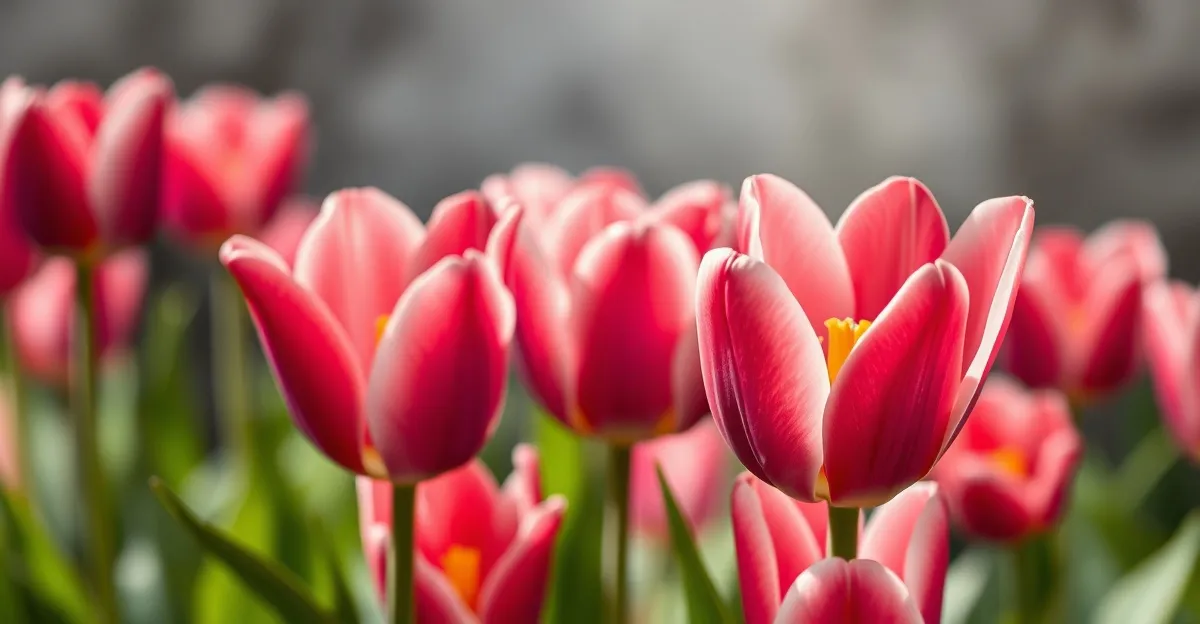
Tulips are not native to Bali. They're not native to any tropical environment. They come from the mountain meadows of Central Asia and the highland farms of the Netherlands and Java, and their arrival in Bali — as cut stems in carefully refrigerated boxes — is a relatively recent development in the island's horticultural story.
So when someone asks whether tulips appear in Balinese ceremonies, the answer involves understanding two distinct things: the traditional flower vocabulary of Balinese Hindu practice, which is specific, established, and deeply meaningful; and the contemporary life of flowers in modern Bali, which has absorbed global influences in complex and interesting ways.
The short answer is that tulips have no traditional role in Balinese Hindu ceremonies. But the longer answer is considerably more interesting.
Flowers in Balinese Hindu Practice: The Established Vocabulary
To understand where tulips fit — or don't fit — you need to know what flowers actually do in Balinese Hinduism.
Flowers in Balinese religious practice are offerings. They carry meaning toward the divine in the same way that incense carries prayer. Each flower used in ceremonial contexts is chosen for its colour, fragrance, form, and the specific deity or spiritual purpose it serves. This is not casual decoration — it is a precise spiritual language that has been developed and refined over centuries.
The core ceremonial flowers of Bali include:
Jepun (frangipani): The quintessential Balinese flower, used in virtually every canang sari and prayer offering. Its white or yellow blooms represent purity, divine fragrance, and the presence of the sacred. Frangipani trees grow in temple compounds throughout the island — their presence is considered auspicious.
Gemitir (marigold): Used in enormous quantities during Galungan, Kuningan, and temple anniversary ceremonies. The golden yellow colour connects to the sacred and the divine, and marigold offerings are piled in extravagant abundance during major ceremonies. The scent is considered purifying.
Cempaka (white champaca/jasmine): Sacred flowers used in offerings and worn in the hair during prayer. Their fragrance is considered particularly pleasing to the gods.
Pucuk bang (red hibiscus): Specific ritual significance in ceremonies dedicated to particular deities. Not as universally present as frangipani but important in specific ceremonial contexts.
These flowers are locally grown or long-naturalised in Bali's climate. They are embedded in the island's spiritual landscape. Tulips, arriving in refrigerated boxes from the Netherlands or Java's highlands, are entirely outside this vocabulary.
Why Tulips Have No Traditional Ceremonial Role
The reasons are practical as much as cultural. Balinese ceremonial flowers are, by necessity, locally available in the quantities the island's religious life demands. Bali hosts an extraordinary number of temple ceremonies, daily household offerings, and seasonal festivals — the demand for flowers is continuous and massive. No imported flower could serve this function logistically, regardless of its beauty.
There's also the matter of meaning. The significance of frangipani in a canang sari is not arbitrary — it comes from generations of accumulated spiritual practice and teaching. A tulip has no place in this system not because it's considered inappropriate, but because it simply isn't part of the language.
Where Tulips Do Appear in Modern Balinese Life
Modern Bali is a living culture in constant dialogue with outside influences. While the core of Balinese Hindu ceremonial practice remains firmly rooted in its traditional botanical vocabulary, the social, celebratory, and decorative life of Balinese people has absorbed global flower culture in interesting ways.
Contemporary Balinese Weddings
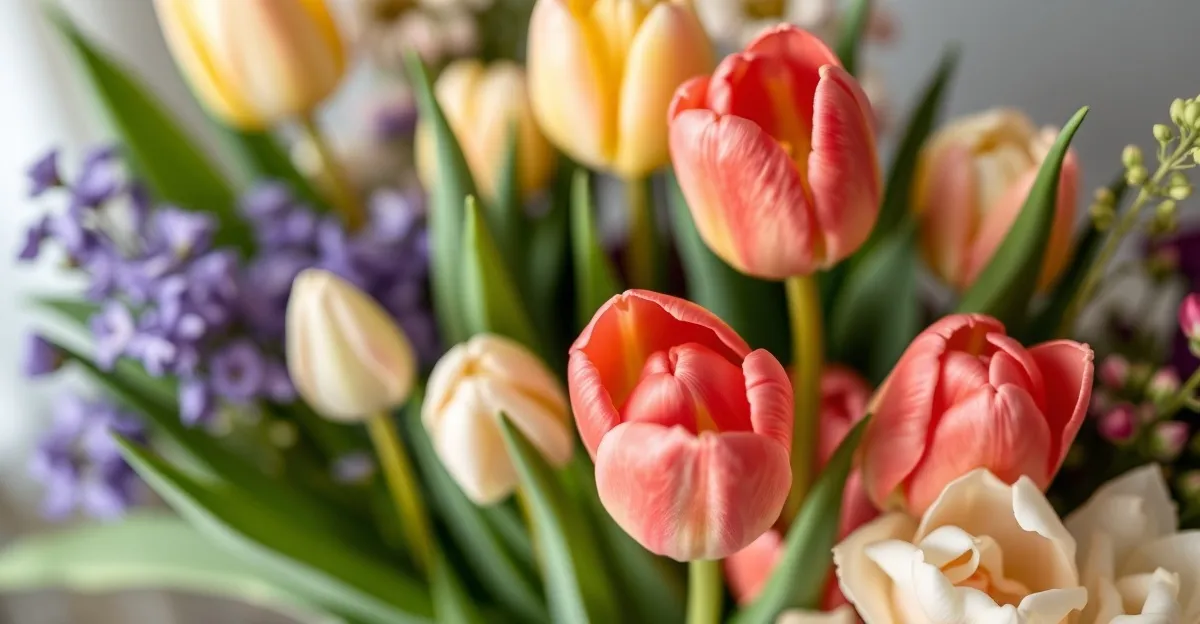
The wedding in Balinese Hindu tradition has multiple components. The ceremonial, sacred elements — the rituals conducted by priests, the offerings prepared according to tradition — use the established sacred flowers. But contemporary Balinese weddings also include reception celebrations with modern floral decoration. At these receptions, tulips appear, particularly as table centrepieces or floral arches for photography backdrops.
The distinction is important: tulips on the reception table are decoration for the celebration, not offerings for the ceremony. This is a boundary that Balinese families navigate thoughtfully, and most are comfortable with imported flowers in the social and aesthetic dimensions of their events.
Life Milestone Gifts
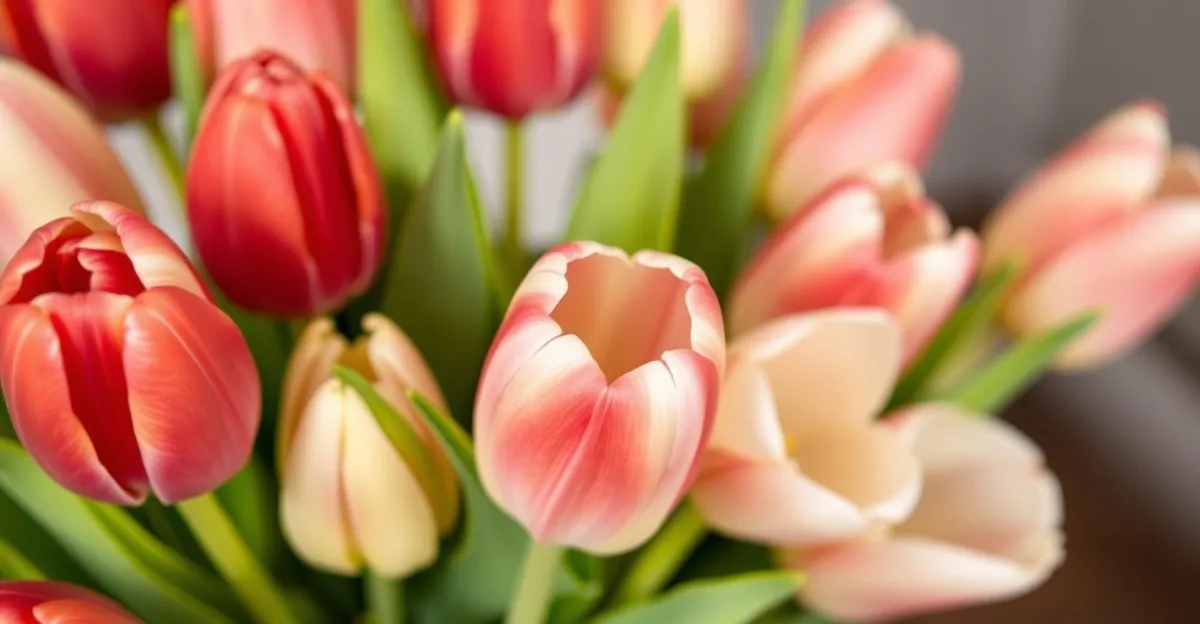
When a Balinese friend celebrates a birthday, a graduation, a professional achievement, or a new baby, receiving a beautiful tulip arrangement is entirely appropriate and warmly received. These occasions don't have strict ceremonial flower requirements, and the gift of something beautiful — whatever flower it is — is understood as an expression of affection and celebration.
Hotel and Villa Decoration
Bali's remarkable hospitality industry has created an entirely separate flower culture that exists in parallel to traditional Balinese religious practice. Luxury hotels and villas throughout the island use imported flowers — including tulips — in their lobby displays, room decorations, and event styling. This is aesthetic and commercial rather than ceremonial, and it has created a significant market for premium imported flowers on the island.
The Intersection: Ceremonial and Contemporary
Some contemporary Balinese families have developed their own eclectic flower language for life events that blends traditional and imported elements. A birthday celebration might include a canang sari offering of traditional flowers alongside a reception table decorated with tulips. These two flower languages exist simultaneously without conflict — each serving its distinct purpose.
Giving Flowers in a Balinese Ceremonial Context: What's Appropriate
If you're attending a Balinese ceremony or event and want to bring flowers, here's practical guidance:
For temple ceremonies and religious events: Bring traditional flowers if you bring flowers at all. Frangipani and marigold are always appropriate. Better still, bring prepared offerings from the market if you know how to choose them. Imported tulips at a temple ceremony would simply be out of place — not offensive, but bewildering.
For wedding receptions: Tulips are entirely appropriate as a gift or as table decoration for the reception celebration. Choose warm, celebratory colours — deep pink, coral, yellow.
For household celebrations: A beautiful tulip arrangement is a warmly received gift for any household celebration. Balinese people appreciate beautiful flowers and don't require gifts to conform to ceremonial standards.
For Galungan and Kuningan season: This is not the moment for imported tulips as gifts. The ceremonial energy of Galungan is deeply connected to its specific flower palette — marigold, frangipani, coconut fronds. During these periods, a beautifully arranged gift of traditional flowers, or simply food and presence, is more resonant than imported blooms. For more on Galungan flower culture, there's useful context in Galungan flower subscription ideas that keep giving.

The team
your florists
weekly subscription · Bali
We write about flowers because we love them. We deliver them because someone should — properly, weekly, across Bali.
— heyflowerPay once for 3, 6, or 12 months, no auto-renewal.
A Note on Flower Culture as Living Practice
What strikes me most about Bali's relationship with flowers is that it is simultaneously deeply conservative and genuinely open. The core of ceremonial practice — the canang sari made every morning, the temple offerings prepared with precision, the sacred flower vocabulary used in prayer — remains remarkably intact. And alongside this, the island enthusiastically embraces global flower culture, imports beautiful foreign blooms, and creates new flower traditions for its contemporary life.
Tulips in Bali exist entirely in this second dimension. They're not part of the island's spiritual heritage, but they're increasingly part of its aesthetic life and its culture of celebration.
For those living in or visiting Canggu, Berawa, Seminyak, and nearby areas who want beautiful tulip arrangements when they're at their best quality, heyflower.co delivers curated arrangements every Monday. We understand both the traditional flower culture of the island and the contemporary aesthetic demands of modern Bali life.
Frequently Asked Questions
Are tulips ever used in Balinese Hindu offerings or canang sari?
No. Traditional Balinese Hindu offerings use specific locally grown or naturalised flowers with established sacred meanings. Tulips are imported flowers with no place in this botanical vocabulary. Attempting to substitute tulips for traditional offerings would be a cultural misunderstanding rather than an appropriate gesture.
What is the most important flower in Balinese Hinduism?
Frangipani (jepun) is generally considered the most important and universally used ceremonial flower in Balinese Hindu practice. It appears in daily canang sari offerings, in temple decoration, in purification rites, and in the hair of women during prayer. The frangipani tree is considered auspicious and is planted in virtually every temple compound.
Can I bring tulips as a gift when visiting a Balinese family during a ceremony?
For the social gathering and celebration aspects of the event — the reception, the family dinner — yes. For the ceremonial aspects, follow the cultural lead of your hosts. A tulip arrangement as a gift for the family celebrating is appropriate; tulips as an offering at the ceremony itself is not.
How do contemporary Balinese people feel about Western flower aesthetics?
Most contemporary Balinese people hold both traditional ceremonial flower culture and global flower aesthetics comfortably simultaneously. They may prepare detailed traditional offerings each morning and also appreciate receiving a Dutch-grown tulip bouquet as a birthday gift without any sense of contradiction. The two flower worlds are understood as serving different purposes.
Do any Indonesian ceremonies use tulips?
Some urban Indonesian celebrations — particularly in Jakarta and other major cities with large middle-class communities influenced by global consumer culture — do incorporate tulips in event decoration and gifting. This is distinct from traditional ceremonial practice in any Indonesian culture, which uses regionally specific plants with established meaning. In Bali specifically, tulips appear in the contemporary lifestyle and hospitality context but not in the traditional ceremonial one.
More on Tulip