How to write a retreat welcome flower card message
Practical guidance for writing heartfelt retreat welcome flower card messages in Bali — tone, structure, examples, and what to avoid.
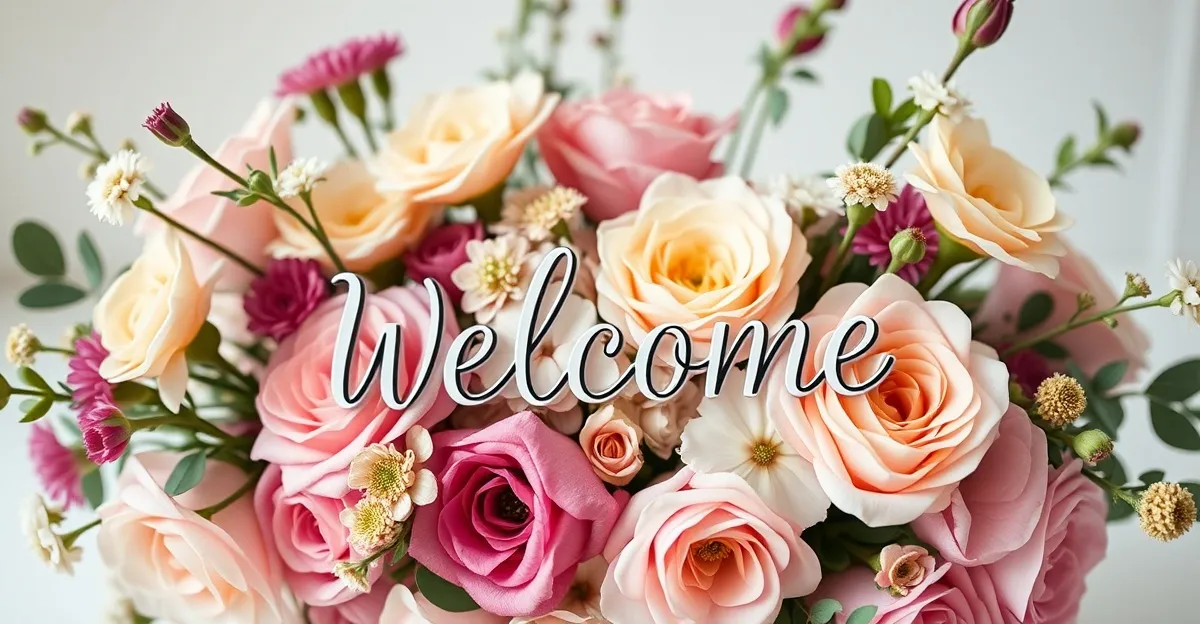
The flowers are chosen, the arrangement is made, and it is sitting on the bedside table in your guest's room. Now comes the small card — and suddenly everything feels harder than it should. What do you actually say? How formal should it be? How personal? Do you sign it from the retreat, from yourself, or both?
Writing a retreat welcome flower card message is one of those tasks that looks trivial until you sit down to do it. Get it right and the card becomes part of the welcome experience — something a guest reads, smiles at, and sometimes keeps. Get it wrong and it either goes unread or, worse, feels corporate and slightly hollow after the beauty of the flowers.
Here is a practical guide to getting this right, whether you are welcoming guests to a yoga retreat in Ubud, a surf camp in Canggu, a meditation centre in Sidemen, or a wellness villa on the Bukit Peninsula.
Understand what the card is actually doing
Before you write a single word, get clear on the function of the card. A retreat welcome flower card is doing several things simultaneously:
- Greeting the guest by name (if possible) and making them feel personally seen
- Orienting them to the experience ahead — reminding them why they are here
- Conveying the tone of your retreat (warm and nurturing? calm and spacious? energetic and fun?)
- Setting expectations without overwhelming them with information
- Closing with warmth so the guest feels cared for before they have even met the team
Understanding this function helps you avoid the two most common mistakes: messages that are so brief they feel perfunctory, and messages so long they feel like a brochure insert.
Tone and length
For a retreat welcome card, aim for three to five sentences. Long enough to feel personal; short enough to read in thirty seconds while standing at the bedside. The tone should match your retreat's overall personality — if your retreats are warm and conversational, the card should be warm and conversational. If your retreat has a more formal or spiritual tone, match that.
Avoid:
- Corporate language ("We are pleased to welcome you to our facility")
- Excessive exclamation marks ("So excited you're here!!!")
- Overpromising ("This will be the most transformative experience of your life")
- Clichés that feel borrowed from other contexts ("May your stay be filled with joy and happiness")
Aim for:
- Specificity (mention the retreat by name, mention Bali, perhaps mention the particular programme they have joined)
- Warmth without gushing
- A human voice, as if a thoughtful person wrote it rather than a committee
Structure that works
A simple three-part structure works well for most retreat welcome cards:
Opening: A warm, personal greeting. If you know the guest's name, use it. If you are writing a general card for all guests, "Welcome" or a phrase that addresses them directly ("To our guest") works fine.
Middle: Something specific about this moment — arriving in Bali, beginning this particular programme, the significance of this time they have carved out for themselves. This is where you add heart to the card.
Close: A warm sign-off that looks forward. Something about being glad they are here, looking forward to sharing the week with them, or hoping the space feels like home.
Sign with the name of the retreat, your own name, or both.
Example messages
These are templates to adapt, not to copy word for word. Personalise them to your retreat's voice.
Dear [Name],
Welcome to Bali — you made it. We're so glad you're here. The next [seven days / long weekend / week] is entirely yours. There are no obligations, no rush, and nowhere you need to be except right here.
We hope these flowers make your room feel a little more like home. We can't wait to share this time with you.
With warmth, [Retreat name / Your name]
Welcome, [Name].
Arriving in Bali after a long journey deserves something beautiful. These flowers are from our local florist in [Ubud / Canggu / Seminyak], grown on the island — a small piece of the place you've come to.
We're here if you need anything. Rest now, and we'll see you at [time/session].
[Name / Retreat name]
To our guest,
You chose to be here. That matters. Whether this week is about rest, movement, reflection, or simply a break from ordinary life, you are welcome exactly as you are.
These flowers are a small welcome from us. The water is fresh, the room is yours, and we are close if you need anything.
See you soon — [Retreat team]
Tips for different retreat types
Yoga and meditation retreats: Cards can lean into presence, stillness, and the significance of arriving. Avoid language that implies the guest needs to achieve something or transform. Focus on being rather than doing.
Wellness and detox retreats: Emphasise care and support. The guest may be nervous about what they have signed up for. A warm, reassuring card that communicates "you are safe here and we've got you" works well.
Adventure and surf retreats: These can be lighter in tone. A shorter, more energetic card that reflects the playful side of the retreat is appropriate. You do not need to be deep — you need to be genuine.
Luxury retreats: Keep the language elevated but not cold. Specific details — the flowers' origin, the care taken in preparing their space — communicate luxury better than generic superlatives.
For messages sent remotely — such as when you are sending flowers as a gift to welcome someone else to a retreat — our guide on how to write a farewell flower card message covers related territory around heartfelt written communication.

The team
your florists
weekly subscription · Bali
We write about flowers because we love them. We deliver them because someone should — properly, weekly, across Bali.
— heyflowerPay once for 3, 6, or 12 months, no auto-renewal.
If you are writing many cards at once
For a large retreat intake, writing individually personalised cards for each guest is admirable but not always practical. There is a middle path: write one warm, carefully crafted card that works for all guests, print it on quality card stock with the retreat's branding, and leave space for a handwritten first name at the top. The guest gets a card that feels personal (their name is there) and the message conveys genuine warmth. Add a short handwritten postscript if time allows — even two words in pen make the card feel more human.
Invest in good card stock. A card printed on thick, uncoated paper or placed in a small envelope makes the whole gesture feel more considered than the same message on a thin, glossy slip.
What to avoid in retreat welcome card messages
Beyond the general tone guidance above, a few specific things to steer clear of:
Mentioning money or transactions: Even a gentle "we hope you find value in your investment" lands badly. The card is a welcome, not a justification.
Long lists of logistics: Check-out times, WiFi passwords, and meal schedules belong in a separate welcome document, not in the flower card.
Promises you cannot keep: Do not promise transformations, breakthroughs, or life changes. Welcome what is actually happening — the guest has arrived, they are here, this time is theirs.
Forgetting to sign it: An unsigned card feels like it fell out of the arrangement by accident. Even "The [Retreat name] Team" is better than nothing.
FAQ
Should the retreat welcome card be handwritten or printed? Either works, but handwriting feels more personal and is often appreciated at boutique retreats. If you are running a large group and handwriting is impractical, print a warm, thoughtful message on quality card stock and consider adding a handwritten name or brief note.
How long should a retreat welcome flower card message be? Three to five sentences is ideal. Enough to feel personal; short enough to read quickly upon arrival.
Can I reuse the same message for every retreat intake? Yes, as long as the message feels warm and genuine rather than generic. Refresh it every few intakes so it stays current.
Should I address guests by name on the card? If you can, yes. A card that opens with the guest's name feels far more personal than a generic greeting. This is especially impactful for retreats with small group sizes.
What should I NOT include in a retreat welcome flower card message? Avoid logistics (check-in procedures, meal times), transaction language, excessive enthusiasm, and overpromising. Keep the focus on warmth and welcome.
Ready to bring fresh flowers to your Bali retreat or villa? Explore our weekly flower subscription and get handpicked blooms delivered to your door every week.
More on retreat welcome