Tulip Vase Life in the Tropics: How Long Do They Last?
How long do tulips last in Bali? A florist's honest guide to tulip vase life in tropical heat, plus the care routines that make a real difference.
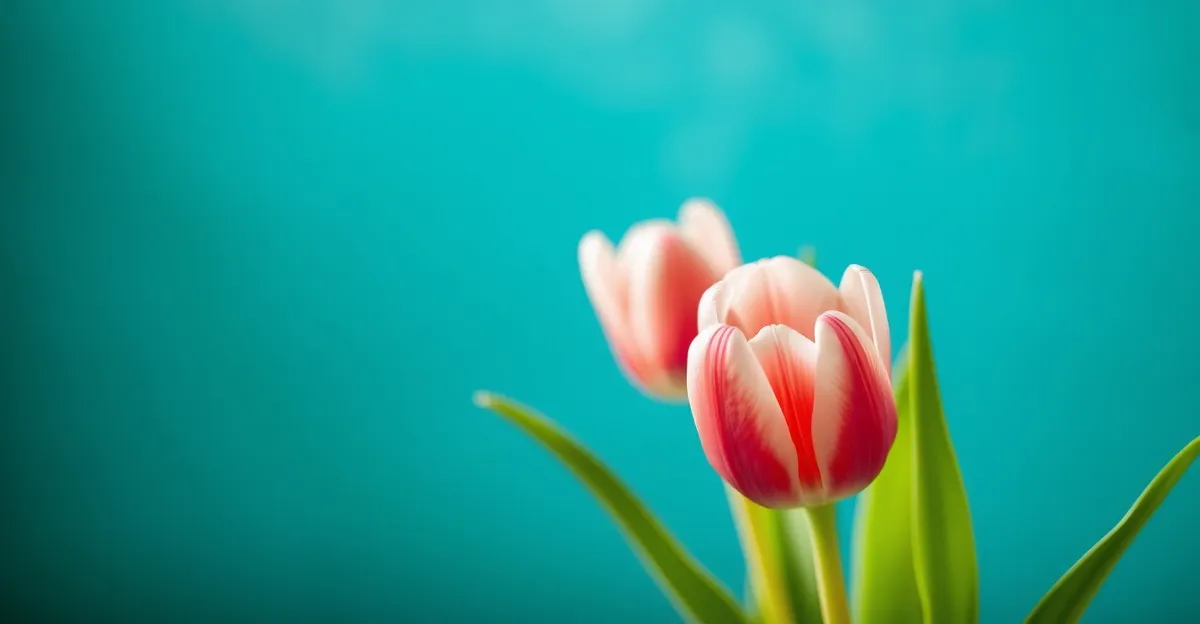
Let's be honest about tulips in Bali: they don't last as long as they would in Amsterdam or London. The tulip is a spring flower from cool northern latitudes, and Bali's warmth and humidity are genuinely challenging for it. But "not as long" doesn't mean "not worth it" — and with the right care, you can get a genuinely beautiful week from a tulip bouquet in this climate.
The question I get most often from customers who've just received tulips is some version of "are these already dying?" when the blooms open wider than expected after a day or two. The answer is almost always no — that's just tulips behaving like tulips in warmth. Understanding what normal tulip behaviour looks like in the tropics removes a lot of the anxiety.
Realistic Vase Life Expectations
In Bali's conditions, with appropriate care, here's what you can realistically expect:
- Standard Asiatic-type tulips: 4 to 6 days
- French tulips (larger, longer-stemmed varieties): 5 to 7 days
- Parrot tulips: 4 to 5 days (the complex petals are slightly more delicate)
- Viridiflora (green) tulips: 5 to 7 days (tend to be hardier than standard varieties)
These figures assume you're following good care practices. The lower end of each range is what you get with minimal attention. The upper end requires active management — particularly overnight refrigeration, which I'll cover in detail.
For comparison, tulips in a typical European home at 18 to 20 degrees Celsius might last 8 to 12 days. The tropics cost you roughly half the vase life. This is the reality, and it's worth knowing.
Why Tulips Age Faster in Heat
Understanding the mechanisms helps you address them.
Accelerated Opening
Tulips open in response to warmth. This is an evolved mechanism — the flower opens as temperatures rise each day, attracting pollinators, then closes in cool night temperatures. In Bali, where temperatures stay above 25 degrees through the night, this cycle doesn't function. Tulips open rapidly and stay open, which means petals are exposed and under stress continuously rather than getting the nightly rest that a cooler climate provides.
Transpiration and Water Loss
Heat accelerates the rate at which flowers lose water through their petals. A tulip that loses moisture faster than it can take up water through the stem will wilt. The neck droop that's common in tulips (where the stem bends just below the flower head) is usually a sign that transpiration has outpaced uptake.
Continued Stem Growth
Cut tulip stems continue to grow after being removed from the plant. In warmth, this growth is accelerated. Stems can grow several centimetres in 24 to 48 hours, which can cause them to bend over the edge of a vase or look misshapen if the vase isn't tall enough to support them.
Bacterial Buildup
Warm water accelerates bacterial growth. The bacteria that form in vase water clog stem cells and prevent water uptake. This is why water changes are more important in Bali than they would be in a cooler setting.
The Care Routine That Makes the Difference
There's a big gap between basic care and good care when it comes to tulips in tropical conditions. Here's the difference.
On Arrival
Cut one to two centimetres from the bottom of each stem — straight across, not at an angle. Remove lower leaves. Place in a clean vase with cool, fresh water and flower food if available. Leave in a cool spot for several hours before arranging. This initial deep drink is disproportionately important.
Daily
Change the water every day if possible. When you do, rinse the vase thoroughly to remove any sliminess, and make another small cut from the bottom of the stems. This takes about three minutes and adds at least two days to vase life.
Keep the vase filled — tulips drink a lot, especially in heat. A vase that runs dry overnight is a serious problem.
Overnight
This is the game-changer for Bali tulip care: put the vase in the fridge every night. Remove any fruit (ethylene accelerates aging), place the vase on a shelf, and retrieve it in the morning. The overnight cooling slows transpiration, gives the petals a rest from heat, and dramatically slows the opening process.
Tulips stored this way look noticeably better than those kept at room temperature. The difference is visible after the first night.
Placement During the Day
Keep the vase in indirect light and away from direct sun. Away from air conditioning vents (which dry petals). Away from ripening fruit. In the coolest available spot that still feels like a real room.
The Signs That Tulips Are Aging vs. Behaving Normally
One of the most common worries with tulips in Bali is misreading normal behaviour as a problem.
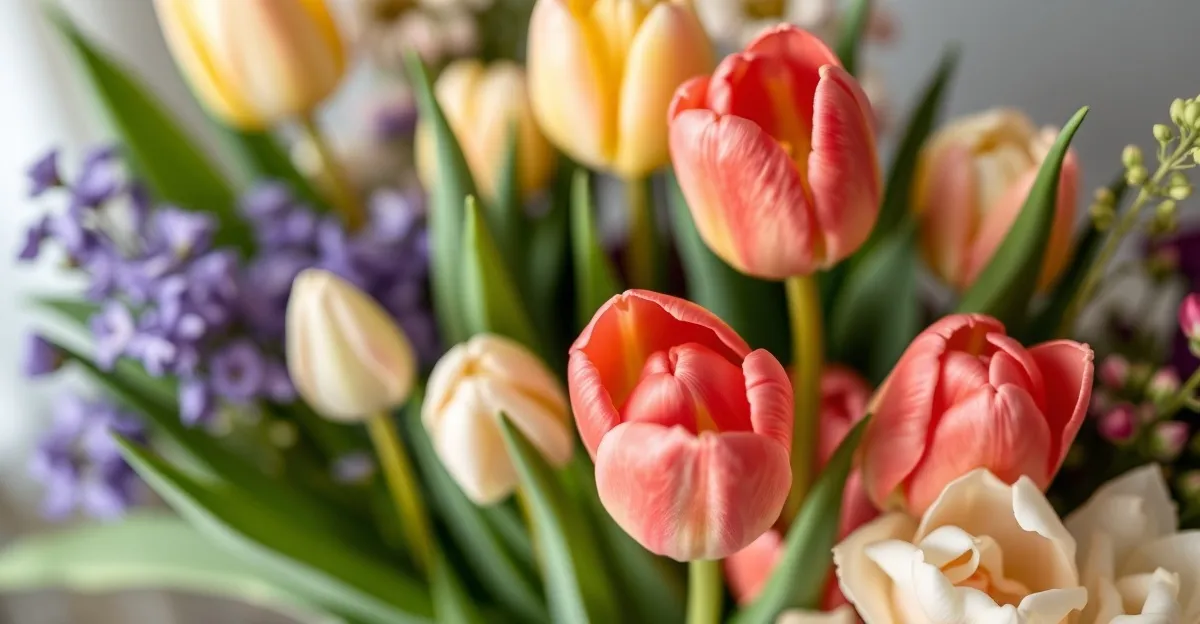
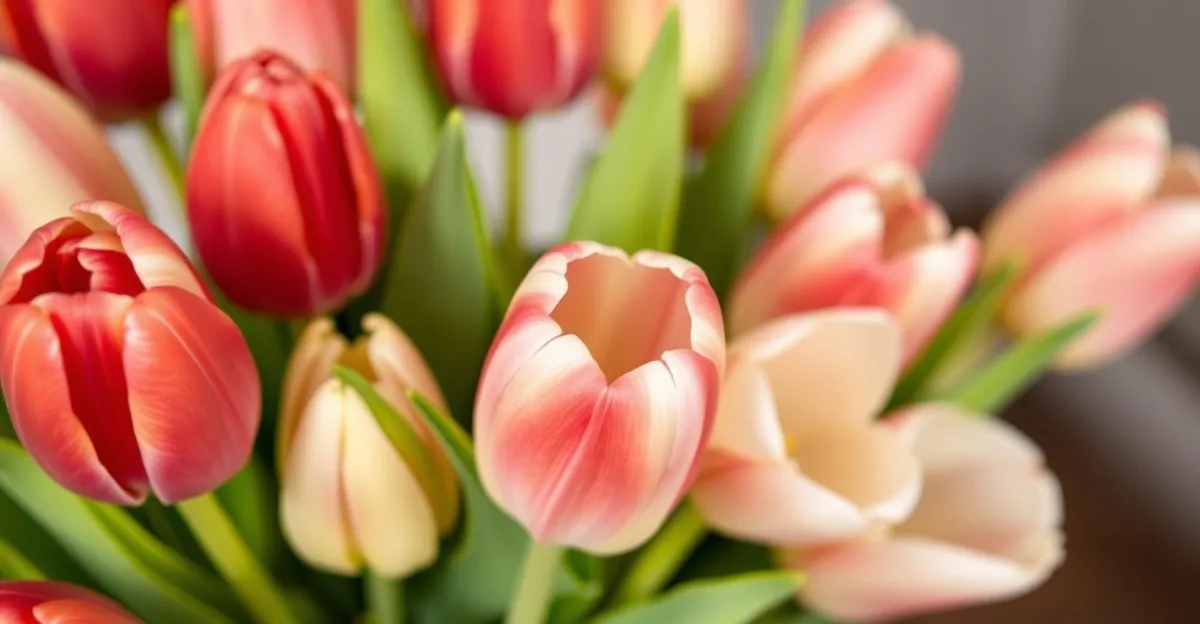
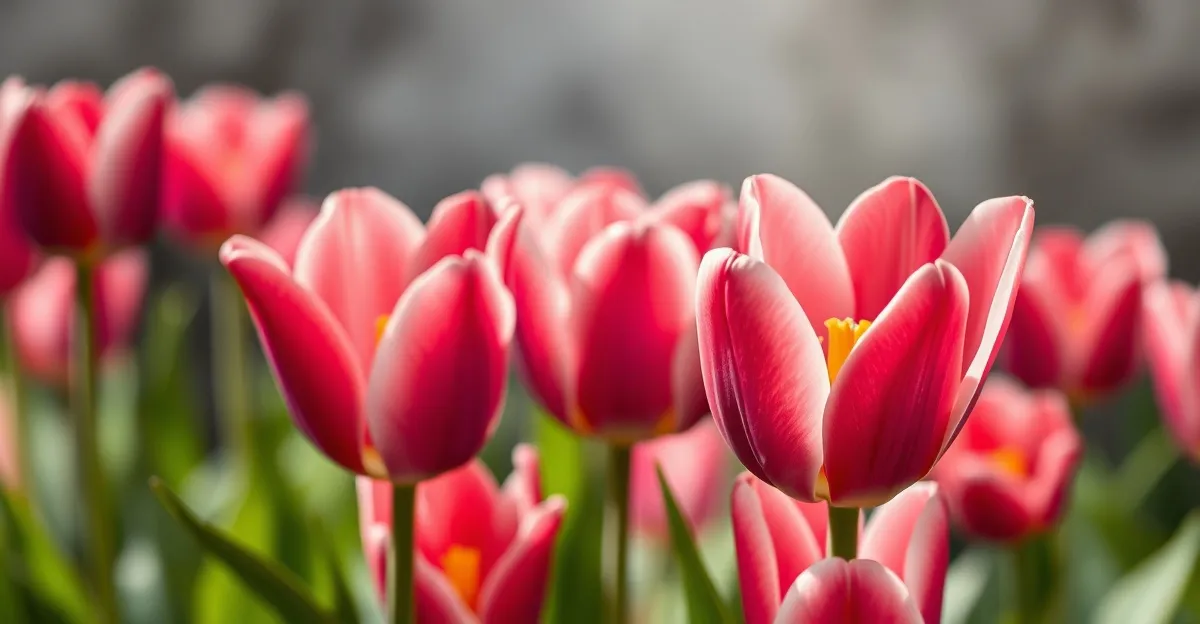
Normal: Tulips opening wide in warmth. Fully open tulips can look almost flat, with petals displaying differently from the tight cup shape. This is normal and actually shows off the interior of the flower beautifully. It's not dying — it's fully alive.
Normal: Some stem curving. Tulips grow toward light. Rotating the vase every day prevents extreme leaning, but some graceful curve is characteristic of the flower.
Normal: Colour shifting slightly. Many tulips deepen in colour as they age; some fade slightly at petal edges. A small amount of colour change over five or six days is expected.
Worth addressing: Neck droop — the stem bending sharply just below the flower head. This usually indicates a water uptake problem. Recut the stem, submerge it in cool water for an hour, and it will typically recover.
Time to edit the arrangement: Yellowing leaves, slimy stems, petals that are paper-thin and transparent. At this point, remove individual spent flowers and let the remaining ones carry the arrangement.

The team
your florists
weekly subscription · Bali
We write about flowers because we love them. We deliver them because someone should — properly, weekly, across Bali.
— heyflowerPay once for 3, 6, or 12 months, no auto-renewal.
Extending Life with Simple Tricks
A few additional techniques that consistently add time to tulip life in tropical conditions.
The cold water trick: After initial conditioning, some people find that keeping tulips in cooler water than the surrounding air temperature helps slow their opening. This is particularly effective in Bali — you won't be able to maintain cold water all day, but starting with noticeably cool water every morning makes a difference.
Grouping: Tulips arranged close together (not crammed, but touching gently) seem to hold better than widely spaced tulips that catch more moving air. The flowers create a slightly more humid microclimate around each other.
Avoid overfilling the vase: Counterintuitively, a vase that's too full of water can develop bacterial problems more quickly. A moderate amount of water, changed frequently, is better than a vase filled to the brim that isn't changed as often.
Remove spent blooms promptly: When individual tulips finish, remove them. A fading tulip releases ethylene that affects the others in the arrangement. A vase of six fresh tulips will outlast a vase of ten where two are already spent.
If you want the pleasure of fresh tulips without managing the daily care routine, heyflower.co delivers curated arrangements to Canggu, Berawa, Pererenan, Seminyak, and Kerobokan every Monday. We condition flowers carefully before delivery to give them the best possible start in your home.
Frequently Asked Questions
How long do tulips last without water in Bali?
At room temperature without water, tulips in Bali will begin to droop within a few hours. If you're transporting them — to a party, for a gift — keep the stems wrapped in damp paper or in a small amount of water in a sealed bag. They can survive a few hours without water if kept cool and out of direct sun, but get them into a vase as soon as possible after arrival.
Should I use the little packet of flower food that comes with my tulips?
Yes. Flower food contains three components: a bactericide that keeps vase water cleaner, a small amount of sugar that provides energy to the flower, and an acidifier that helps water travel up the stem more efficiently. All three are beneficial in Bali's conditions. If you don't have flower food, a very small amount of bleach (one drop per litre) and a teaspoon of sugar is a reasonable substitute.
Why are my tulips drooping after just one day in Bali?
One-day drooping in Bali's heat is usually a water uptake problem. Check: Did you cut the stems on arrival? Is the vase water clean? Are the stems slimy? Is the placement in direct sun or near an AC vent? Recut the stems, change to fresh cool water, move to a cooler spot, and use the deep-water recovery technique (submerging stems in cool water for an hour). This resolves most cases of rapid drooping.
Is it worth buying tulips in Bali given how quickly they'll fade?
That depends on your perspective. If you measure value purely in days-per-rupiah, tulips in a tropical climate are not the most economical choice. But if you measure value in the quality of the experience — the particular beauty of a tulip arrangement, the pleasure of specific colours, the meaning of giving someone an imported luxury flower in a tropical setting — they're absolutely worth it. The five to seven days you get from well-cared-for tulips in Bali is genuinely beautiful.
Can I plant tulip bulbs in Bali after the cut flowers have faded?
No, with any expectation of flowering again. Tulip bulbs require a cold dormancy period to regenerate and flower, which Bali's tropical climate cannot provide. The bulb at the base of cut flower stems is also typically too depleted from the growing process to regenerate successfully even under ideal conditions. If you want to try, you can chill the bulbs in a refrigerator for several weeks to simulate dormancy, but results in tropical conditions are generally disappointing.
More on Tulip