The history and origin of the lisianthus
Lisianthus traveled from North American prairies to global flower markets. Discover the full history of this beautiful bloom and how it reached Bali.
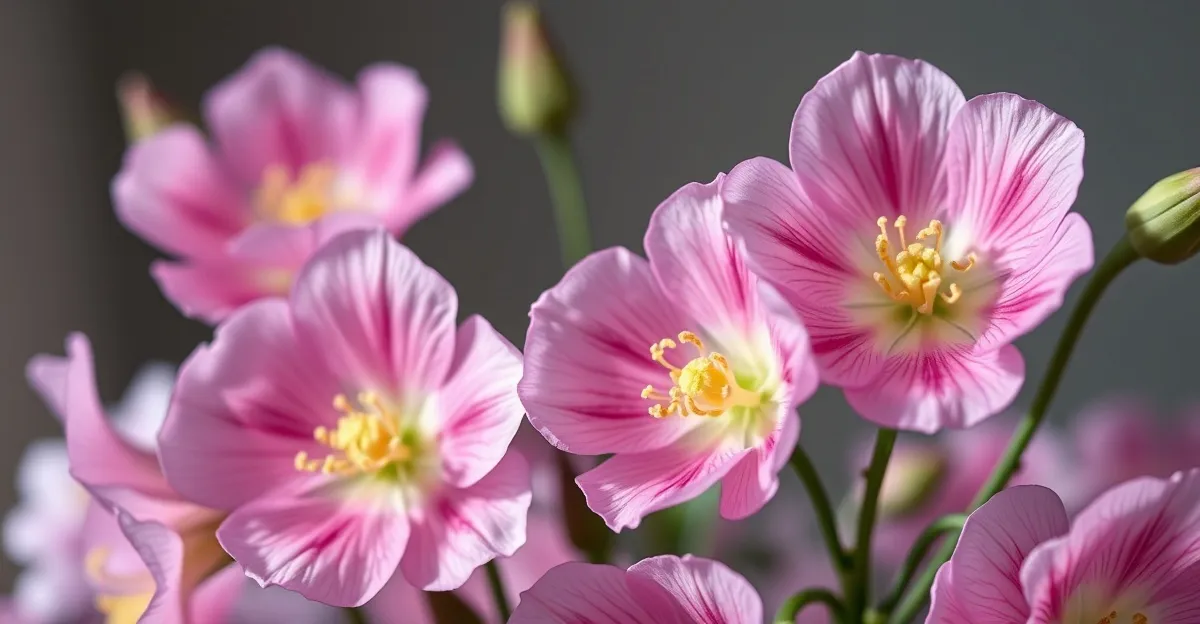
Walk past any florist display in Seminyak or Ubud today and lisianthus looks like it belongs there — its ruffled, layered petals fitting comfortably alongside tropical orchids and imported garden roses. But the path that brought lisianthus from its origins to the flower markets of the world, and eventually to Bali's island flower scene, is a surprisingly long and winding one. This is a flower whose botanical story spans continents, whose common names caused decades of taxonomic confusion, and whose commercial success is largely the result of Japanese horticultural ingenuity in the second half of the twentieth century.
Native origins: the American prairie
Lisianthus — properly named Eustoma grandiflorum, though it has accumulated an impressive pile of common names including prairie gentian, Texas bluebell, and bluebell gentian — is native to the central and southern regions of North America. Its wild range extends from the southern United States (Texas, New Mexico, Colorado, Nebraska) down through Mexico and into northern South America.
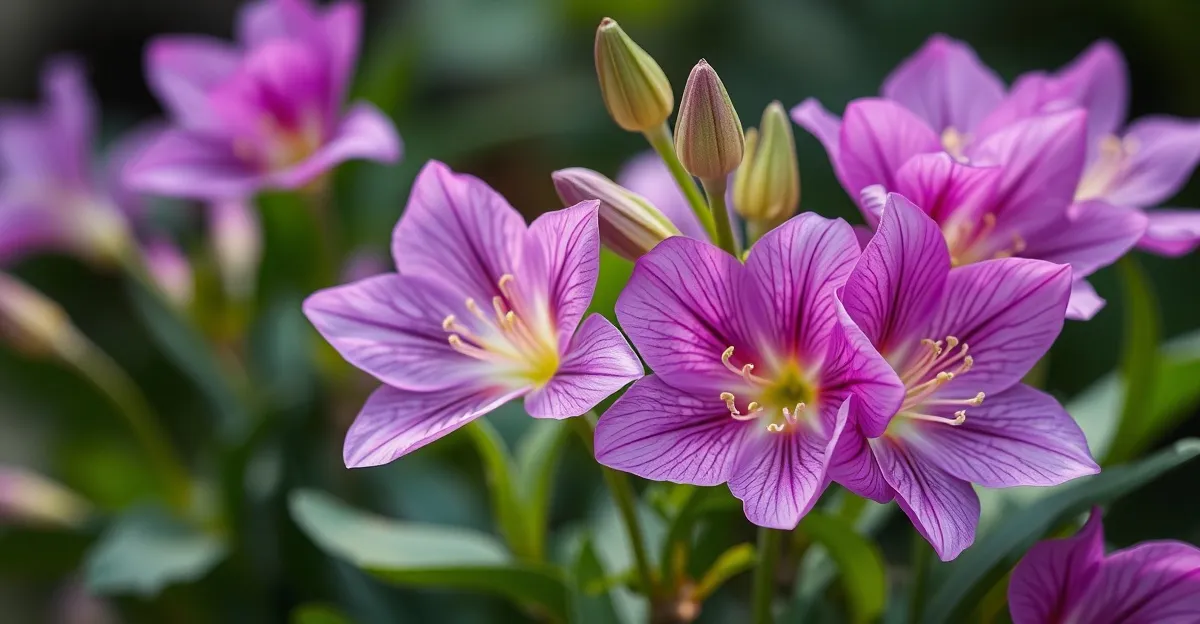
In its natural habitat, the plant grows on open prairies and limestone grasslands, places with strong seasonal temperature variation: hot summers with occasional heavy rain and genuine cold in winter and spring. The wild species produces single-petalled flowers in shades of purple and white, growing on slender upright stems. They are beautiful in the way that wildflowers are beautiful — unpretentious, perfectly adapted to their environment.
Native American communities in the flower's range have a history with this plant. The Comanche people of the southern plains reportedly used preparations from the plant medicinally, though the specific uses varied and are not comprehensively documented. The plant's presence on the prairie would have been familiar to anyone who traveled through those landscapes in summer.
European botanical discovery
European botanical interest in Eustoma developed through the nineteenth century as explorers and naturalists catalogued North American flora. The plant was described and named scientifically by multiple botanists at various points — a situation that created the taxonomic confusion that still echoes in its common names today. The genus name Eustoma comes from Greek: eu (good, beautiful) and stoma (mouth), a reference to the flower's open, attractive face. Lisianthus — an older name — comes from the Greek for smooth and flower, and refers to a related but now separated genus; by common usage, the name has stuck to Eustoma in florist culture worldwide.
For most of the nineteenth and early twentieth century, Eustoma grandiflorum was a botanical curiosity rather than a commercial cut flower. The wild species was too variable, too resistant to commercial cultivation conditions, and too prone to the specific growing challenges that still make lisianthus a demanding crop today.
Japan and the commercial breakthrough
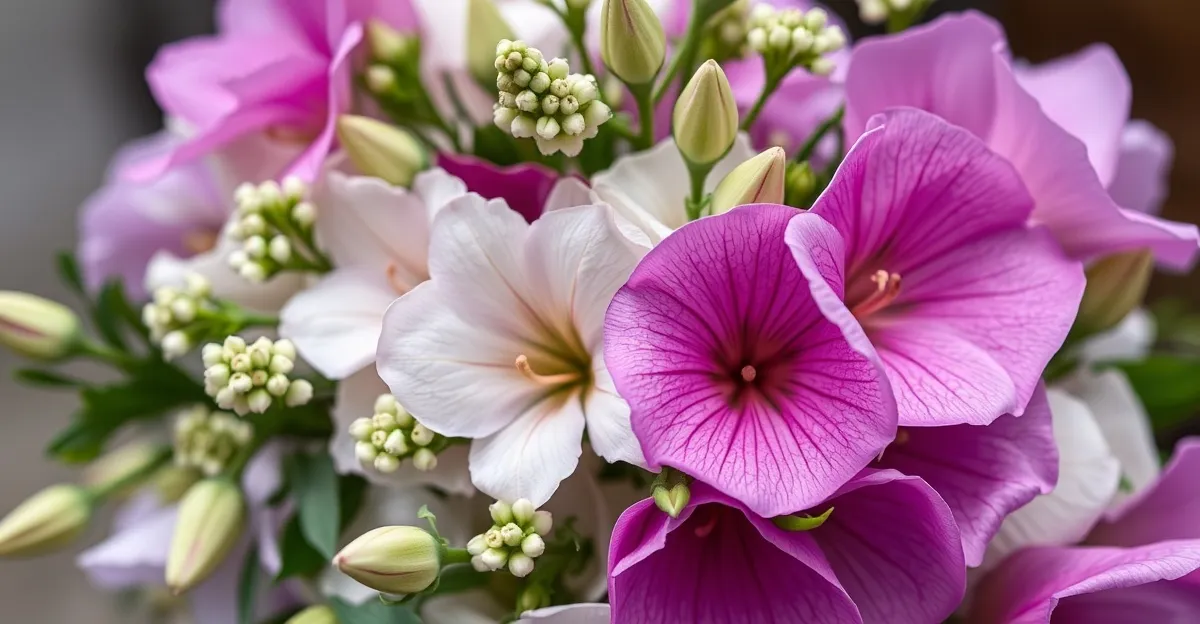
The transformation of lisianthus from prairie wildflower to globally traded cut flower is largely a Japanese story. Japanese plant breeders, working intensively from the 1970s onward, developed the double-flowered varieties that now dominate the commercial market. These bred varieties — with their peony-like, densely petalled blooms — are substantially different from the wild species. They come in a far wider color range (white, cream, pink, lavender, deep purple, burgundy, bicolor), they have more uniform stem lengths, and they have been bred to produce more blooms per plant.
Japanese florists adopted lisianthus enthusiastically in the 1980s, and the flower became a staple of Japanese ceremonial gifting culture. The combination of visual elegance, relative longevity as a cut flower, and the association with appreciation and sincere emotion made it well suited to Japanese gifting contexts where the meaning of a flower matters as much as its appearance.
From Japan, commercial interest spread. Dutch growers — who had long dominated the global cut flower market — began developing their own lisianthus breeding programs in the 1980s and 1990s, producing varieties specifically optimized for the European and North American markets. By the 1990s, lisianthus had become one of the top-ten cut flowers traded on the global market by volume.
How lisianthus reached Bali
The path to Bali follows the broader trajectory of cut flower trade in Southeast Asia. Indonesian flower growers in highland Java — particularly in the Malang and Bandung regions — began cultivating lisianthus in the 1990s and 2000s as demand from Jakarta's expanding middle class and hotel sector grew. These highland regions, with their cooler temperatures, are more hospitable to lisianthus than Bali's lowland tropical climate.
Bali's tourism-driven economy created demand for premium flowers in hotels, resorts, restaurants, and villas well before the general population had the purchasing power to drive a retail flower market. The four- and five-star resorts along the Nusa Dua coast, the Seminyak hotel strip, and the boutique properties of Ubud needed flowers that looked international and luxurious. Lisianthus — particularly the white and purple double-bloom varieties — became part of that visual language.
Over the past two decades, as Bali's middle class has grown and the expat community has expanded, retail demand for lisianthus has developed alongside the hotel and events market. Today it appears in everything from market stalls in Denpasar to carefully curated subscription bouquets delivered to private villas.

The team
your florists
weekly subscription · Bali
We write about flowers because we love them. We deliver them because someone should — properly, weekly, across Bali.
— heyflowerPay once for 3, 6, or 12 months, no auto-renewal.
Lisianthus today: a global flower with local meaning
What is striking about lisianthus as you trace its history is how recently it arrived at its current prominence. From prairie wildflower to global top-ten cut flower in roughly four decades — that is an unusually fast trajectory driven almost entirely by human selection and commercial breeding.
The flower that a bride in Ubud holds in her bouquet today shares ancestry with the small purple wildflowers that grew along Texas creek beds centuries before anyone thought of cultivating them. That wildflower lineage is still visible in the way lisianthus grows — branching, multi-bud, resistant to the obvious — even as the commercial varieties have been refined far beyond their origins.
For anyone interested in how Balinese ceremonies use flowers — including the rich symbolic traditions that predate lisianthus's arrival here — the contrast between ritual flowers with deep local meaning and globally bred commercial flowers like lisianthus is itself a kind of cultural story about what Bali has become.
FAQ
What does lisianthus mean in botanical Latin? Eustoma grandiflorum translates roughly as "large-flowered beautiful mouth," a reference to the open, attractive face of the bloom. The common name lisianthus comes from an older genus classification meaning "smooth flower."
When did lisianthus become popular as a cut flower? Commercial cultivation took off in Japan in the 1970s and 1980s with the development of double-flowered varieties. It reached the global top-ten cut flower rankings by the 1990s.
Is wild lisianthus different from the kind sold in florists? Significantly. Wild Eustoma grandiflorum has single petals, a narrower color range (purple and white primarily), and a less uniform growth habit. The commercial varieties are the result of decades of intensive breeding.
Where is most lisianthus sold in Bali grown? Most is grown in highland Java (Malang, Bandung areas) where the altitude provides cooler temperatures. Some premium stock is imported from the Netherlands, Colombia, or Australia.
Can lisianthus grow from seed at home in Bali? Seed germination is notoriously difficult even in ideal conditions. In Bali's tropical lowlands, the plants also struggle to flower due to insufficient cool temperatures. Home growing is more feasible in highland areas of Ubud and above.
Ready to bring fresh flowers to your Bali home or event? Explore our weekly flower subscription and get handpicked blooms delivered to your door every week.
More on Lisianthus