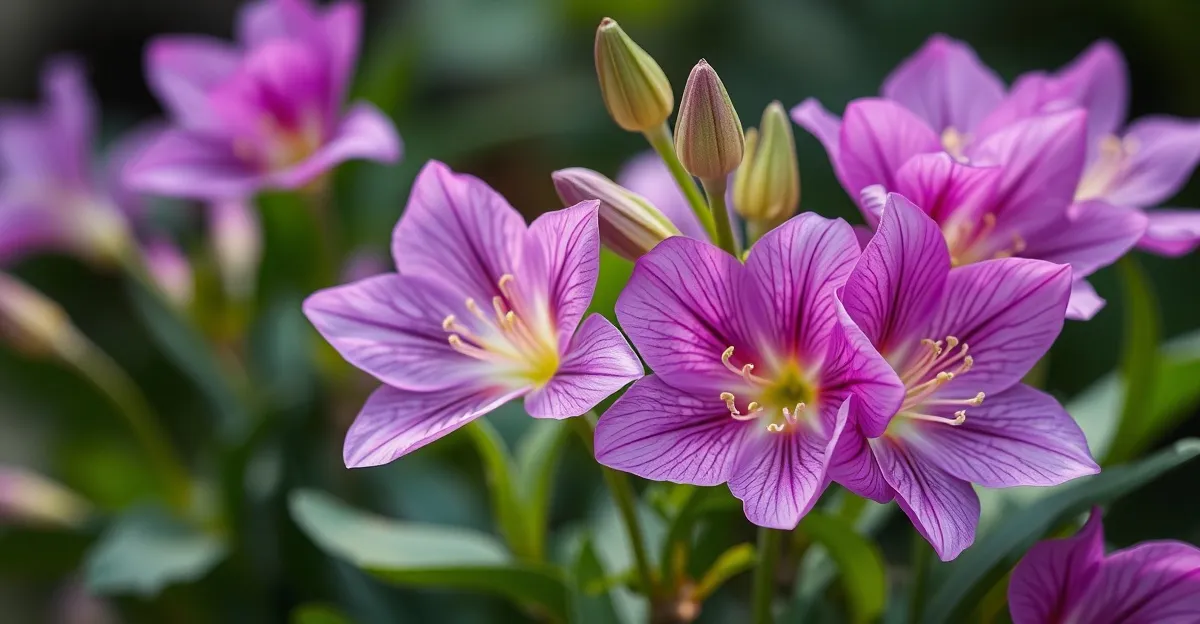
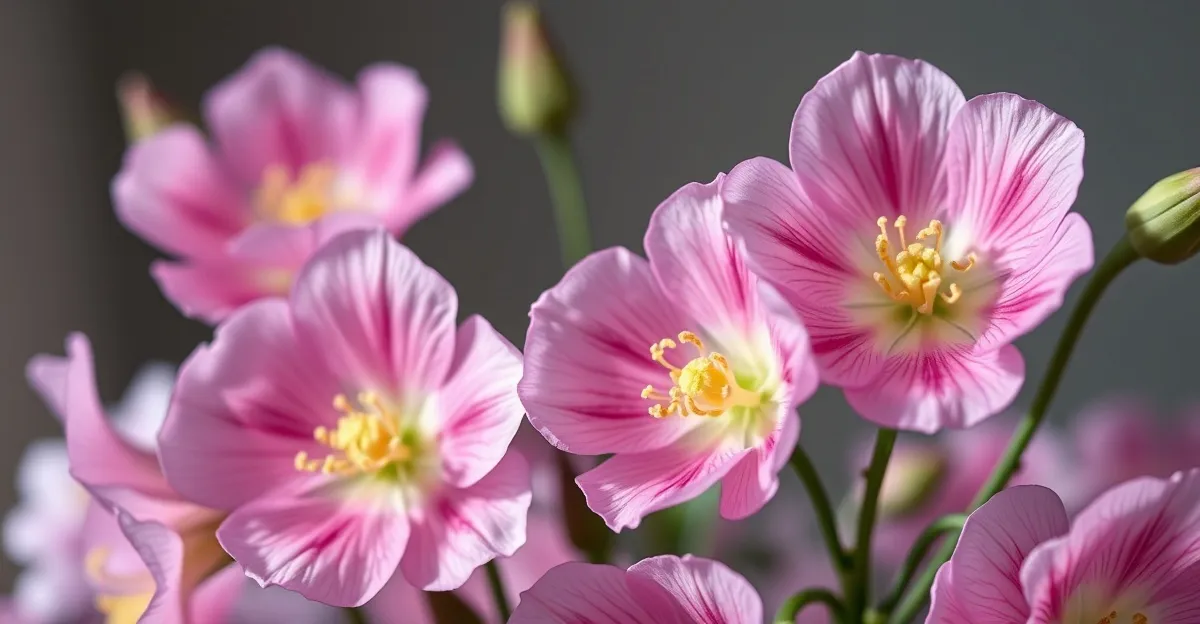
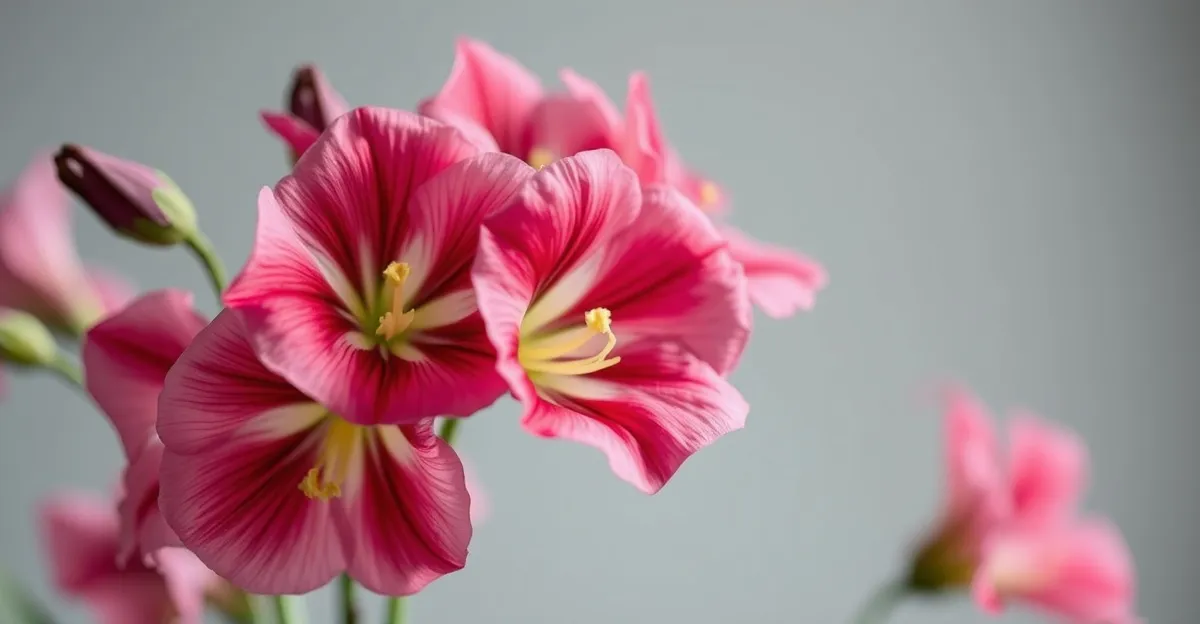
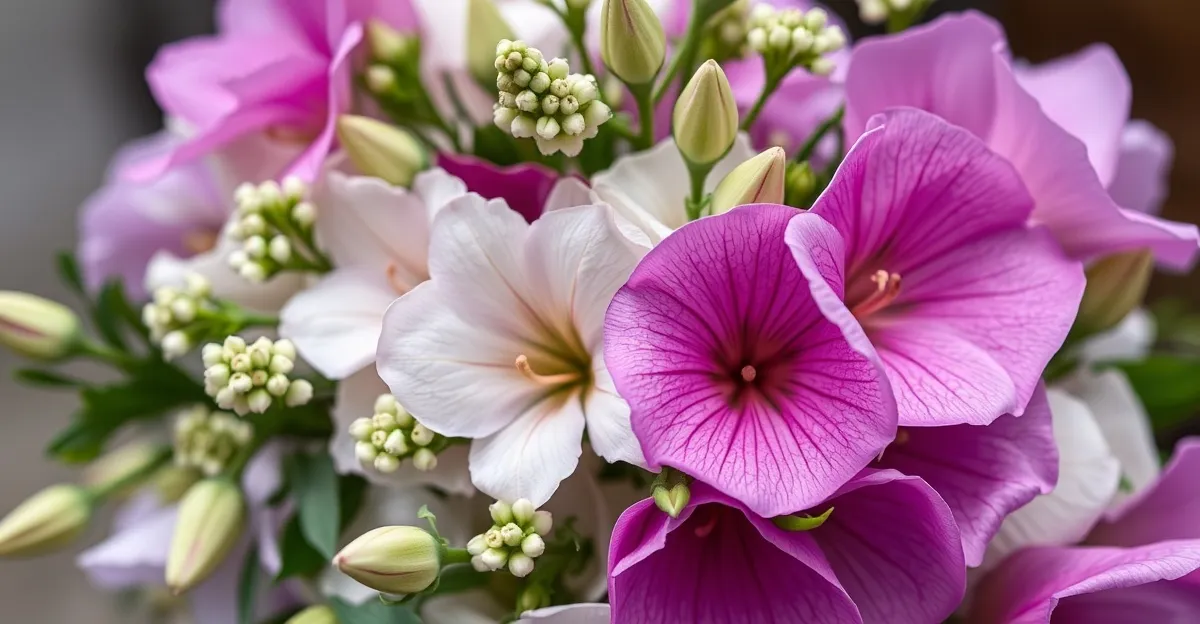
How to preserve a lisianthus bouquet after the event
Don't let your lisianthus bouquet fade away after the wedding or party. These preservation methods work in Bali's tropical climate.
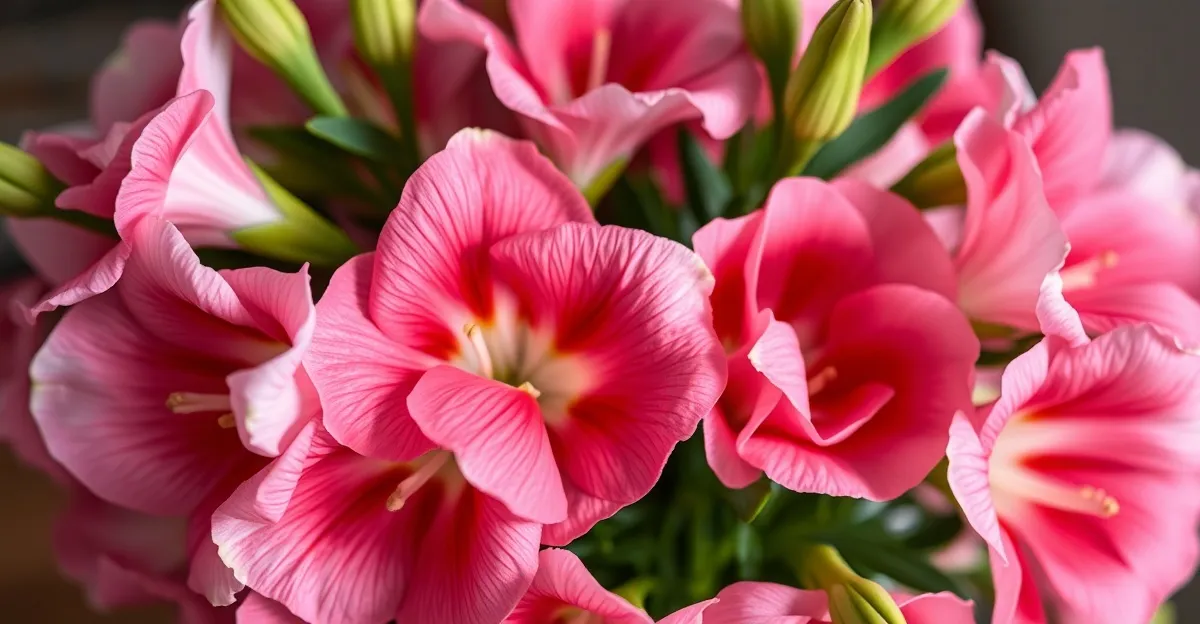
When you have carried a lisianthus bouquet through a ceremony — a wedding, a significant birthday, a milestone event — it is natural to want to hold onto it. The flowers represent something specific: a day, a feeling, a person. In Bali's tropical climate, preservation takes a little more planning than it would in cooler, drier conditions, but lisianthus is actually a good candidate for several preservation methods. Its dense double petals dry more evenly than single-petal flowers, and the colors hold better than many other blooms.
Here is what actually works in tropical conditions, and what to be realistic about.
Why Bali's climate complicates preservation
Let's be honest about the starting conditions. Bali's humidity — typically 70 to 85 percent year-round — is the main enemy of any preservation method that relies on drying. High humidity slows drying, which allows mold to establish in petals before they have fully dried. The wet season (October through March) is particularly challenging. If your event falls in those months, you will need to be more aggressive with drying conditions than someone in a temperate climate.
The second challenge is temperature. The breakdown of plant material accelerates in heat, which means you have less time between the event and the start of preservation than you would at 20 degrees Celsius. Ideally, begin your preservation process the same day or the following morning at the latest.
Air drying: the simplest method with realistic expectations
Hanging lisianthus upside down to air dry is the most accessible method, but Bali's humidity means results are variable. Here is how to maximize your chances:
Strip all leaves from the stems — leaves hold moisture and are the most likely site for mold to develop. Tie the stems together loosely (too tight and air cannot circulate between them) and hang upside down in the most air-conditioned space you can access. A spare bedroom kept at around 22 to 24 degrees with a dehumidifier running if possible is ideal. An air-conditioned study or office works well. Do not use a bathroom, laundry room, or any space that regularly becomes humid.
Leave the flowers hanging for two to three weeks without touching them. In Bali's climate, three weeks is safer than two. The petals will feel papery and completely dry — not just surface-dry — before they are ready to display or use in a craft project.
What to expect: colors will fade somewhat, particularly pinks and purples. Lisianthus tends to dry to a paler, more muted version of its original color, which many people find beautiful. The double blooms hold their shape better than single-petal flowers, which is a genuine advantage.
Silica gel: better results but requires preparation
Silica gel drying produces dramatically better results than air drying in Bali's climate. The gel actively absorbs moisture from the flower quickly enough to beat the mold problem, and the speed of drying means colors are better preserved.
You will need a container with a lid (an airtight plastic box works well), enough silica gel crystals to fully submerge the blooms, and patience. The gel is available from craft suppliers and some hardware stores in Bali, or you can order it through online marketplaces.
For lisianthus, cut the stems short — two to three centimeters below the bloom. Pour a layer of silica gel into the container, place the bloom face-up, then very gently pour more gel around and over the petals until the bloom is completely buried. Seal the container and leave it in an air-conditioned room.
Check after five to seven days. The blooms should feel papery and completely dry. Carefully remove them with a spoon or brush away the gel with a soft paintbrush. The colors will be remarkably close to fresh, and the form will be retained almost perfectly.
The limitation is that silica-dried flowers are fragile and moisture-sensitive. Display them in a sealed frame or under a glass dome for long-term preservation, especially in Bali's climate.
Pressing: for flat arrangements and framed art
Pressed flowers made from lisianthus work best when you accept that the three-dimensional bloom will become something entirely different — a flat, translucent impression of itself. The results can be beautiful and are well suited to framing, resin art (popular in Bali's craft community), and epoxy ornament projects.
For pressing lisianthus in Bali's climate, use a microwave flower press or heavy books combined with silica gel packets between the paper layers. The key is applying some gentle heat to accelerate drying. A microwave press (available through craft suppliers) gives you pressed flowers in minutes rather than weeks, which almost entirely eliminates the mold problem.
Press individual petals rather than whole blooms for the most reliable results. Whole lisianthus blooms are thick enough that the center may not dry evenly under pressure in humid conditions.
Professional preservation: worth considering for wedding bouquets
If the bouquet being preserved was a wedding bouquet, the emotional value likely justifies professional preservation. Bali has a small number of specialist flower preservation studios — they use resin encapsulation, freeze drying (not widely available), or professional silica gel and vacuum processes to produce results that hold up in tropical conditions.
The cost varies, but professional preservation services typically run from Rp 500,000 to Rp 1,500,000 depending on the complexity. The result is a sealed, protected display piece that should last for years even in Bali's humidity. Some studios also offer shadow-box framing of pressed and preserved flowers for a complete display solution.
If you are planning ahead for a wedding, ask your florist whether they work with a preservation studio or can recommend one. Arranging this in advance means the bouquet can go straight from the event to preservation without delay.

The team
your florists
weekly subscription · Bali
We write about flowers because we love them. We deliver them because someone should — properly, weekly, across Bali.
— heyflowerPay once for 3, 6, or 12 months, no auto-renewal.
Keeping it simple: drying for practical use
Not every preserved lisianthus needs to become art. Dried lisianthus stems work beautifully in dried flower arrangements — a trend that has genuinely taken hold in Bali's home decor market. A simple bundle of dried lisianthus, tied with raffia and placed in a terracotta pot or a woven rattan basket, looks at home in most Bali interior styles from the minimalist tropical to the more eclectic Bohemian aesthetic common in Ubud.
For dried arrangements, the air-drying method is fine even with its color-fading limitations. The muted tones of dried lisianthus actually complement dried pampas grass, dried tropical leaves, and the natural textures common in Bali's interior design scene.
FAQ
Can I preserve lisianthus in resin at home in Bali? Yes — resin casting is popular in Bali's craft community. Fully dried lisianthus flowers or petals can be embedded in clear casting resin to create ornaments, coasters, or framed pieces. The key is ensuring the flowers are completely dry before embedding; any remaining moisture will cloud the resin.
How long do dried lisianthus flowers last in Bali's climate? Properly dried and kept out of direct sunlight, dried lisianthus can last one to two years in Bali's climate. High humidity will eventually cause some color fading and structural fragility, but the flowers should hold up well for at least a year.
My lisianthus bouquet already has some wilted flowers — is it too late to preserve? The fresher the flowers at the start of preservation, the better the results. Some wilting is manageable — remove any fully dead blooms and preserve the ones that are still holding structure. Silica gel works better than air drying for slightly-past-peak flowers.
What should I do with the bouquet immediately after the event while I arrange preservation? Get it into fresh water as soon as possible to slow further wilting. Keep it in an air-conditioned room. Begin your preservation process within 24 hours if possible.
Can dried lisianthus be displayed outside in Bali? No — outdoor humidity will destroy dried flowers quickly. Keep dried arrangements in well-ventilated interior spaces away from windows that admit rain or direct moisture from AC condensation drips.
Ready to bring fresh flowers to your Bali home or event? Explore our weekly flower subscription and get handpicked blooms delivered to your door every week.
More on Lisianthus