Lotus in Balinese Hinduism: meaning and ritual use
The lotus is the most sacred flower in Balinese Hinduism. Here's what it symbolises, how it's used in ceremony, and why you see it everywhere from temples to architecture.
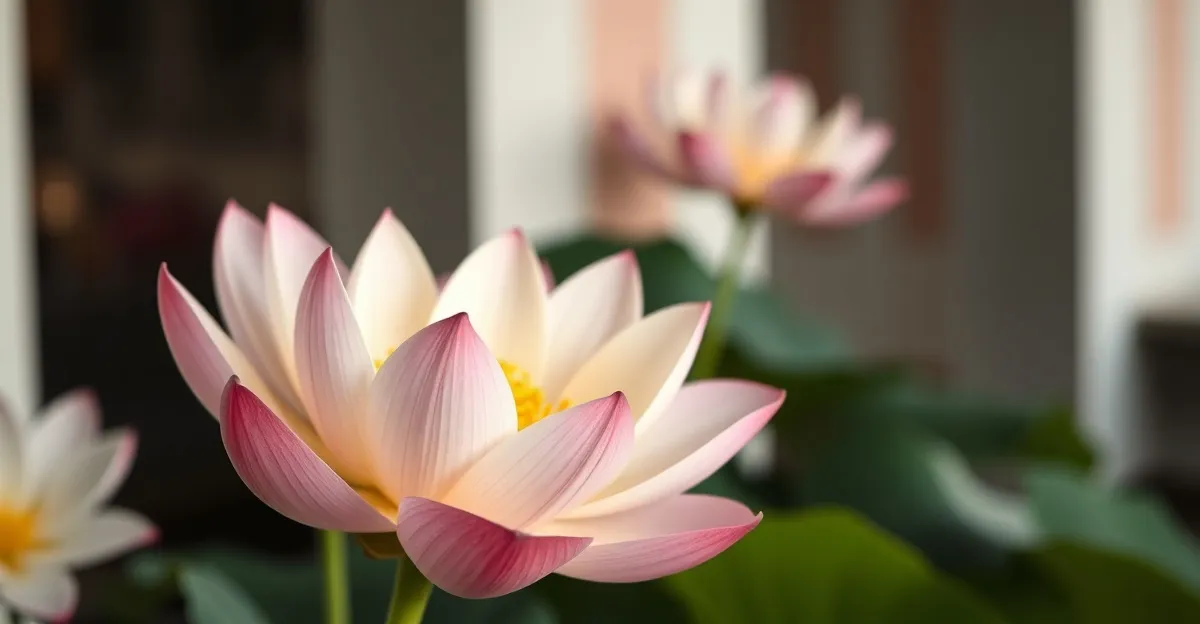
No flower carries more spiritual weight in Balinese Hinduism than the lotus. You'll find it carved in stone at temple gates, painted on ceremonial fabrics, depicted in the hands of deity statues, incorporated into ritual offerings, and floating in sacred ponds from Pura Tirta Empul to the simplest village shrine. The lotus is not just a beautiful flower in Balinese culture — it's a theological statement, a cosmological diagram, and a living symbol of the divine.
Understanding what the lotus means and how it's used in Balinese ceremony gives you a key that unlocks much of the visual and spiritual language of the island.
The core symbolism: purity rising from mud
The fundamental symbol of the lotus is the same across the Hindu, Buddhist, and Jain traditions that share its reverence: a flower that grows from muddy, turbid water and emerges clean and perfect above the surface. This is the image of spiritual purity — the divine nature of the soul (atman), which remains untouched by the impure conditions of the material world.
In Sanskrit, the word padma (lotus) is used for both the flower and as a metaphor for the divine. Padmasana — the lotus throne — is the seat of the gods. The highest shrine in most Balinese temple compounds is called padmasana, a stone throne representing Mount Meru (the cosmic mountain) where the supreme deity sits, depicted as an empty throne (because the divine is invisible and omnipresent) with lotus motifs carved throughout.
The lotus emerging from water also represents the emergence of the cosmos from the primordial ocean — creation rising from chaos, order from disorder. This creation mythology connects the lotus to Brahma (the creator deity), who in Hindu mythology is often depicted seated on a lotus that emerges from the navel of Vishnu while he rests on the cosmic ocean.
Colour and variety: meaning differences
In Balinese ceremony, different lotus colours carry different meanings:
White lotus (padma putih): Associated with purity, the divine realm, and Iswara (a form of Shiva associated with the east direction). White lotus is the highest-status lotus in ceremonial offerings. It appears in offerings placed at the padmasana shrine and in high-ceremony banten structures.
Pink lotus: Associated with Brahma and the human realm. Pink lotus appears in offerings in the south direction.
Red lotus: Associated with Brahma in some Balinese interpretations, and with the energies of creation and life. Used in specific directional offerings.
Blue lotus (actually water lily, Nymphaea): In Bali, the blue-purple water lily is often used in offerings where blue lotus is called for in ceremony text — true blue lotus is rare. This substitution is culturally understood and accepted.
Yellow lotus: Associated with Mahadewa and the west direction. Less commonly seen in ceremony than white or pink.
Where lotus appears in temple architecture
The lotus appears carved in stone throughout Balinese temple architecture:
Padmasana: As mentioned, the highest shrine takes its name from the lotus throne. Stone carvings of lotus petals are detailed features of padmasana construction.
Temple gates (candi bentar): Lotus motifs are carved into the stone panels of split gates and towered gates (kori agung) at major temples. Look carefully at the decorative panels at temples like Pura Ulun Danu Bratan or Pura Kehen and you'll find lotus carvings throughout.
Naga (serpent) railings: The stone serpent figures that line the stairways at some major temples (Pura Tanah Lot, Besakih) are often depicted resting on or rising from lotus pads.
Fountain and pool features: The lotus ponds at Pura Taman Saraswati in Ubud and the ornamental pools at Pura Tirta Empul feature living lotus plants alongside their architectural lotus motifs. In these cases, the living flower and the carved symbol reinforce each other.
Lotus in ceremony offerings
Actual lotus flowers appear in ceremony offerings, though their use is more selective than marigolds or frangipani because they're less abundant in Bali. Growing conditions for lotus — still or slow-moving fresh water — are available but not universally present.
Lotus flowers and buds appear most in:
High ceremony banten structures: The elaborate multi-component offering structures made for major ceremonies (melasti, odalan, significant rites of passage) often include lotus at the crown of the structure.
Priest-led ceremonies: When a high priest (pedanda) officiates, the offerings they use often include lotus of specific colours corresponding to the directional deity being invoked.
Nyepi purification offerings: White lotus is particularly appropriate in purification ceremony contexts, including those around Nyepi.
Personal meditation and shrine practice: Individuals who maintain a personal practice of prayer and meditation at home shrines often include lotus — particularly a single white lotus or lotus bud — as their central offering.
Growing lotus in Bali
Lotus (Nelumbo nucifera) grows in the cooler, shallower ponds and water features across Bali. The Bali Botanic Garden at Bedugul has significant lotus cultivation. Private villas and hotels with ornamental ponds often grow lotus.
The flowers are seasonal even in Bali's tropical climate — they tend to bloom most prolifically in the wetter months when water levels are high and temperatures are warm but not extreme. The blooms are best in the morning; by afternoon on hot dry-season days, lotus petals begin to close.
For ceremony use, lotus can be purchased at Pasar Kumbasari in Denpasar and at specialty flower vendors near major temples in Ubud. Prices are higher than marigolds or frangipani — expect Rp 15,000–Rp 40,000 per bloom depending on size, variety, and season.

The team
your florists
weekly subscription · Bali
We write about flowers because we love them. We deliver them because someone should — properly, weekly, across Bali.
— heyflowerPay once for 3, 6, or 12 months, no auto-renewal.
The lotus in Balinese art and dance
The lotus appears constantly in Balinese performing arts:
Legong dance: The refined hand gestures (mudra) of Balinese classical dance include the lotus hand — fingers curved and spread to mimic the opening petals of a lotus flower. This gesture appears when dancers invoke the divine or depict spiritual presence.
Topeng mask dance: The cosmic tree depicted in some Topeng performances has lotus imagery in its roots and branches.
Kecak: The circular formation of the Kecak chorus sometimes mimics the spiral of lotus petals from a bird's-eye perspective, though this is more in the eye of a poetically inclined observer than explicit choreography.
Wayang Kulit: The kayonan (cosmic tree puppet) that begins and ends each shadow puppet performance shows the tree of life emerging from a lotus pad.
For more on flowers in Balinese performing arts, flowers in Balinese dance: headpieces and costumes explores how flowers are used in the dance traditions themselves.
Lotus as a gift
Because of its deep sacred associations, lotus is a particularly meaningful flower gift in Balinese contexts. A gift arrangement that includes even one or two lotus blooms alongside frangipani and orchids signals that you know something about what these flowers mean here — not just that they're pretty.
For visitors or expats wanting to give flowers to Balinese friends for significant occasions — a new baby (nyambutin), a house blessing, a major ceremony — including lotus in the arrangement elevates it from a generic gift to something that resonates specifically with Balinese spiritual culture.
FAQ
Why is the lotus on the Balinese flag? The province of Bali doesn't have a lotus on its provincial flag, but lotus imagery appears in the emblem of certain Balinese institutions and the broader Hindu symbolism of the region. The connection is the lotus's status as the seat of divinity.
Is lotus the same as water lily? No, though they're often confused. True lotus (Nelumbo) holds its flowers above the water surface and has distinctive round leaves that repel water. Water lilies (Nymphaea) float directly on the water surface. In Bali, both are used in ceremony, but lotus holds the higher spiritual status.
Can I float lotus petals in a villa pool or bath as a decoration? This is common in Balinese villa settings and is generally considered fine. Using lotus petals in a decorative rather than sacred context doesn't carry any specific taboo — it's simply not the same as the ceremony use. Floating marigold petals and frangipani in a bath is a classic Balinese spa experience.
Do I need to buy live lotus flowers for ceremony use, or can I use lotus images or carvings? In Balinese ceremony, living flowers are preferred wherever possible. An image of a lotus can appear in sacred art and architecture, but offerings require living or freshly cut flowers. That said, in communities where lotus is genuinely unavailable, specific ceremonies have traditional alternatives.
Why does the lotus close at night? Lotus and many water lily varieties are thermoperiodic — they open in warm morning light and close in the cooler evening. This daily cycle of opening and closing is itself a symbol of the soul's movement between states: waking, sleeping, birth, death, and renewal.
Ready to bring fresh flowers to your Bali home or event? Explore our weekly flower subscription and get handpicked blooms delivered to your door every week.



