Lisianthus in Balinese ceremonies: traditional uses in Bali
Lisianthus is not a traditional Balinese ritual flower, but it has carved out a real role in modern ceremony life in Bali. Here's the full picture.
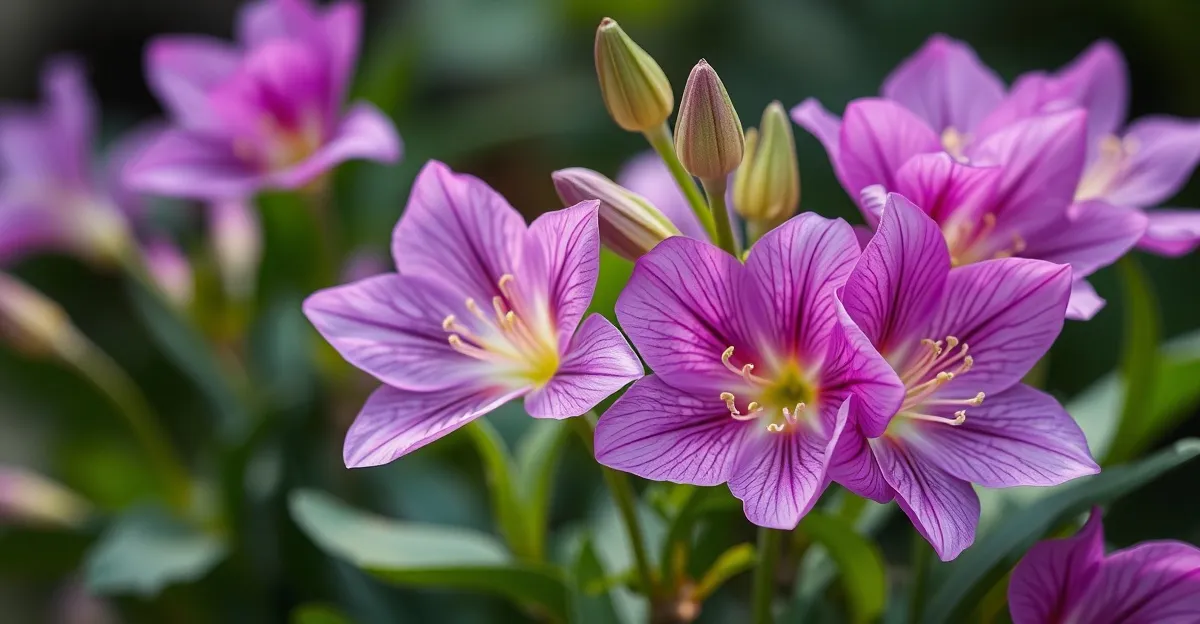
To understand how lisianthus fits into Balinese ceremony life, you first have to understand what Balinese ceremony life looks like in its fullness. The Balinese Hindu tradition is one of the most ceremony-dense cultures in the world. On any given day in Bali, somewhere on the island there is an odalan (temple anniversary ceremony), a tooth filing ritual, a cremation ceremony, a nelu bulanin (baby's three-month ceremony), a wedding, or one of the hundreds of smaller daily offering practices that mark Balinese domestic and communal life. Flowers are not peripheral to these ceremonies — they are central to them.
The foundational ritual flowers of Balinese Hindu ceremony are specific: frangipani, hibiscus, marigold, jasmine, and particular local varieties that have been part of the tradition for generations. These are the flowers you see woven into the complex, layered banten (offering assemblies) that line temple steps, crown ceremonial structures, and decorate the ceremonial dancers who perform at major festivals.
Lisianthus is not one of these foundational flowers. It arrived too recently, from too far away, to be encoded in the ancient ritual texts and oral traditions that guide Balinese ceremony. But its story in Bali's ceremony world is still interesting — and it is a story that is still being written.
Where lisianthus does appear in Bali's ceremony world
The most consistent use of lisianthus in Balinese ceremony life is in the decorated spaces that surround ceremony rather than in the ritual offerings themselves. For weddings that blend Western and Balinese elements — increasingly common among Balinese families with urban professional incomes, and almost universal for international-destination weddings at resort venues — lisianthus appears in the human-scale decorative elements.
At the reception tables set up after a traditional ceremony. In the floral arch through which a couple passes. In the boutonnieres of guests who are part of the wedding party. In the centrepieces at a post-ceremony feast at a family compound in Ubud or Gianyar. In these spaces, lisianthus belongs not to the ritual but to the social celebration that surrounds it, and in that space it is entirely welcome.
For Galungan and Kuningan — Bali's major recurring religious festivals — the decorative penjor poles that line every road in Bali during the celebration period are constructed from specific natural materials: bamboo, coconut fronds, various local leaves and flowers. Lisianthus does not appear in traditional penjor construction. But at the family celebrations that follow ceremony, at the meals that bring extended families together, lisianthus might appear in informal table arrangements that reflect a family's taste and resources rather than any ritual requirement.
The role of white flowers in Balinese Hindu ritual
Understanding where white lisianthus occasionally touches the edges of Balinese ritual requires understanding the symbolic importance of white in Balinese Hindu thought. White is associated with the east, with the deity Iswara, and with purification. White flowers appear in offerings for specific purposes, and the symbolic weight of whiteness carries through many ceremony contexts.
White lisianthus, when used in offerings or ceremony-adjacent contexts, benefits from this cultural resonance. A Balinese hostess placing white lisianthus on a table at a ceremony-related gathering is not making an inappropriate choice — white is an appropriate and respectful color. The flower may not be traditional, but the color communicates correctly within the symbolic system.
For non-Balinese visitors and expats wanting to participate appropriately in ceremony gifts, white lisianthus in a simple, graceful arrangement is a reasonable choice for accompanying a gift to a Balinese family celebrating a significant milestone. It reads as sincere and respectful without overstepping into ritual territory.
Modern Bali: ceremony and commercial flower culture intersecting
The growth of Bali's event and wedding industry over the past twenty years has created a middle space where traditional ceremony and commercial flower culture intersect. International couples getting married at Balinese venues often want their weddings to incorporate genuine Balinese elements — traditional dress, gamelan music, a Balinese priest conducting at least part of the ceremony. At the same time, they want flower styling that speaks to international aesthetics: lisianthus, garden roses, peonies.
Professional Balinese event florists who work in this space have become skilled at threading the needle — creating ceremony spaces that honor the ritual elements with traditional flowers and offerings while using lisianthus and other commercial cut flowers for the decorative frame around those ritual elements. The traditional banten are crafted from ritual flowers; the table centrepieces and aisle decorations use lisianthus and garden roses.
This is not a compromise or a dilution — it is a reflection of what Bali has actually become: a place where ancient tradition and international cultural exchange genuinely coexist, often within the same family compound and the same ceremony.

The team
your florists
weekly subscription · Bali
We write about flowers because we love them. We deliver them because someone should — properly, weekly, across Bali.
— heyflowerPay once for 3, 6, or 12 months, no auto-renewal.
Ceremony-adjacent gifting: what works
If you are attending a Balinese ceremony as a guest and want to bring flowers — either as a gift to the family or as a personal gesture — here are the practical considerations:
For odalan (temple ceremonies): Gifts of flowers are not expected of guests. If you bring something, fruit or food is more traditionally appropriate. If you do bring flowers, keep them simple and unpackaged.
For Balinese weddings: A gift of lisianthus or a mixed flower arrangement is appropriate for the reception portion of a wedding. White and pink tones are broadly safe choices. Avoid bright red as the primary color.
For tooth filing (metatah) or other coming-of-age ceremonies: Similar guidelines — flowers as a gift for the family's home or as part of a broader gift basket work well. The ceremony itself uses specific ritual materials that you as a guest do not need to provide.
You may also want to read about calla lily uses in Balinese ceremonies for another perspective on how non-traditional flowers navigate Bali's ceremony culture.
FAQ
Is lisianthus used in traditional Balinese ritual offerings? Not as a traditional ritual flower. Balinese banten use specific local flowers — frangipani, hibiscus, marigold, jasmine — that are encoded in the ritual tradition. Lisianthus is too recently arrived and too non-local to be part of this system.
Can I bring lisianthus to a Balinese ceremony as a guest? As a gift to the hosting family, yes — particularly in white or pink tones. It would not be used in the ritual offerings themselves, but as a gift for the home it is appropriate.
Why is white lisianthus more appropriate in Balinese ceremony contexts than colored varieties? White holds specific positive symbolic associations in Balinese Hindu tradition — purity, the east, divine connection. Colored lisianthus is also fine as a gift but does not carry the same resonance.
Do Balinese florists use lisianthus for ceremony decoration? Yes, extensively for the decorative elements surrounding ceremony — reception tables, archways, guest areas. Not for the ritual banten, which require specific traditional flowers.
What is the best flower gift to bring a Balinese family after a major ceremony? A simple mixed arrangement with white and soft pink flowers, presented without elaborate Western-style packaging, is generally well-received. The simplicity of the presentation matters as much as the flowers themselves.
Ready to bring fresh flowers to your Bali home or event? Explore our weekly flower subscription and get handpicked blooms delivered to your door every week.
More on Lisianthus