When not to gift lisianthus: cultural considerations
Lisianthus is a beautiful gift in most situations — but a few cultural contexts in Bali call for caution. Here's what to know before you send them.
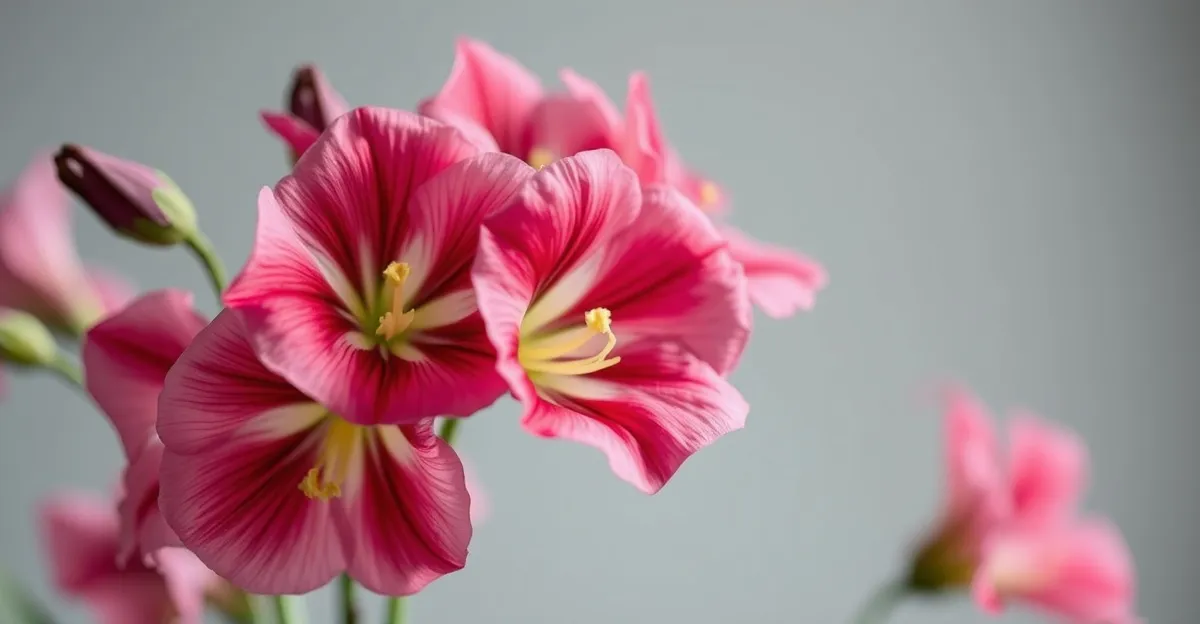
Most of the time, gifting lisianthus in Bali is a straightforward and well-received gesture. The flower is not fraught with the kind of cultural baggage that some blooms carry in certain contexts, and its associations — appreciation, sincere emotion, lasting bonds — translate well across different communities here, from the Balinese local population to the large expat and tourist community. But "most of the time" is not "all of the time," and there are situations where pausing before you send lisianthus is sensible.
This is not a guide designed to create anxiety about flower gifting. It is a practical guide for navigating Bali's genuinely layered cultural landscape with the consideration that the island deserves.
Understanding Bali's overlapping cultural contexts
Bali is a uniquely layered place. The island is predominantly Balinese Hindu, which means daily life is shaped by an intricate system of ceremonies, auspicious and inauspicious days, and ritual protocols around color, number, and intent. At the same time, Bali hosts a large Muslim community in certain areas (particularly in parts of Denpasar, Gianyar, and northern Bali), a Christian community, a Chinese-Indonesian community, and a substantial international expat and tourist population with their own cultural references.
What is appropriate in one context is not necessarily appropriate in another. A florist who works across Bali learns this quickly — an arrangement suitable for a Seminyak villa owner's birthday may be entirely wrong as a condolence gift for a Balinese family observing a death ceremony.
Funeral and death ceremonies: proceed with care
The most important cultural context to navigate carefully is death and mourning. In Balinese Hindu tradition, funeral ceremonies (ngaben, the cremation ritual) and the associated mourning and purification practices have specific protocols around flowers and offerings.
Balinese funeral offerings use very specific flower types — frangipani, marigold, and particular local flowers — as part of ritual banten (offering sets). A gift of lisianthus in a Western-style bouquet wrapping is not inherently disrespectful, but it exists somewhat outside the ritual context and can read as culturally unaware rather than comforting.
If you are a non-Balinese person wanting to express condolences to a Balinese family, a more culturally fluent gesture might be to ask a local contact what practical support the family needs, or to bring a food contribution rather than flowers. If you do bring flowers, white or cream tones are broadly appropriate in mourning contexts here, and keeping the arrangement simple — without cheerful ribbons or vivid cellophane — is important.
For condolences to expat friends who do not have strong cultural restrictions, lisianthus is perfectly appropriate in white or soft neutral tones.
Nyepi and the days surrounding it
Nyepi, Bali's Day of Silence, is the most sacred day in the Balinese Hindu calendar. In the days leading up to it — the Tawur Agung Kesanga (large purification ceremony) and the Pengerupukan (ogoh-ogoh procession night) — and in the immediate post-Nyepi period, the island operates on a different rhythm. Businesses close, streets are empty, and for the 24 hours of Nyepi itself, the island goes dark and quiet.
Sending flowers in the days immediately surrounding Nyepi is not culturally problematic in itself — there is no religious prohibition on flowers as gifts. But delivery is practically impossible, and attempting to arrange a delivery during this period suggests an unfamiliarity with Balinese life that can come across as tone-deaf. Plan flower gifts to arrive either before the Pengerupukan ceremony or after Nyepi and Ngembak Gni (the day following Nyepi when normal life resumes).
Color considerations: what to avoid and when
Lisianthus comes in a wide range of colors, and most of them are neutral from a cultural standpoint. A few worth being aware of:
All-white arrangements for living people: In some East Asian cultural traditions (relevant to Bali's Chinese-Indonesian community), all-white flower arrangements are associated with mourning and death rather than celebration. If you are gifting to someone from a Chinese-Indonesian family for a joyful occasion — a birthday, a business opening, a pregnancy — mixing at least one other color into the arrangement, or adding warm greenery, sidesteps any potential misreading.
Yellow flowers in some Indonesian Muslim contexts: Yellow flowers in certain traditions carry negative associations. This is more relevant to marigold and specific local flowers than to lisianthus specifically, since lisianthus does not typically come in bright yellow. But if you are gifting to someone observing a traditional Muslim context in Bali and you are unsure, ask your florist.
Odd vs. even numbers: In Chinese-influenced gifting traditions, odd numbers of flowers are associated with funerals. This matters more for single-variety gifts (twelve roses vs. eleven) than for mixed arrangements, but it is worth knowing.
Ceremonies and temple days: timing matters more than flower type
Galungan and Kuningan, Bali's most important recurring Hindu ceremonies, are celebrated every 210 days on the Balinese calendar. Last-minute Galungan flower ideas can help with the timing aspect, but the cultural consideration here is that on major temple days, Balinese families are focused on ritual preparation and community ceremony. Sending a secular flower gift during the height of the ceremony can be well-received or it can feel like it is missing the moment. Reading the relationship and the situation matters here.

The team
your florists
weekly subscription · Bali
We write about flowers because we love them. We deliver them because someone should — properly, weekly, across Bali.
— heyflowerPay once for 3, 6, or 12 months, no auto-renewal.
The most common mistake: ignoring the timing
More than any specific cultural prohibition around lisianthus itself, the most common mistake expats and visitors make is ignoring timing. Sending cheerful flowers to someone who has just suffered a family loss, gifting in ways that clash with an ongoing ceremony, or arriving with flowers when someone is in the middle of religious observance — these are the situations that cause awkwardness.
Lisianthus itself is an agnostic flower in Bali's cultural landscape. It carries no inherent taboo. The considerations are about context, timing, and relationship — the same social intelligence you would apply to any gift in any culture.
FAQ
Is lisianthus appropriate as a sympathy gift in Bali? For non-Balinese recipients, yes — white or cream lisianthus in a simple arrangement is appropriate for sympathy. For Balinese Hindu families, consider whether a food gift or practical support may be more culturally resonant than Western-style cut flowers.
Can I gift lisianthus during Galungan or Kuningan? There is no prohibition, but be sensitive to the fact that Balinese families are deeply engaged in ceremony during these periods. If your gift is for a Balinese local, timing it before the ceremony begins or after it concludes tends to feel more thoughtful.
Are any lisianthus colors culturally prohibited in Bali? No color is strictly prohibited in all contexts. All-white arrangements can carry mourning associations in Chinese-Indonesian cultural contexts. Yellow is occasionally sensitive in certain Indonesian Muslim traditions. When in doubt, mixed arrangements are safest.
Should I include an even or odd number of stems? For most Balinese and Indonesian recipients, this is not a significant concern. For gifts to Chinese-Indonesian families, conventionally odd numbers (for celebratory occasions) are preferred. When in doubt, a mixed arrangement makes stem counting less relevant.
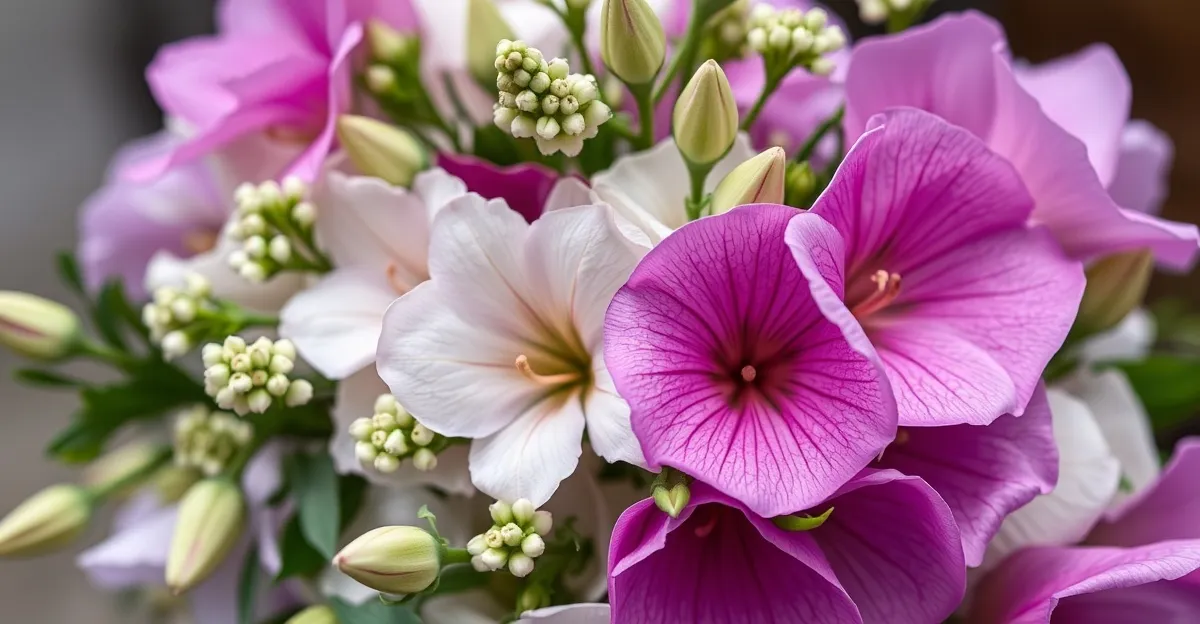
What is the safest flower gift for a Balinese friend's birthday? A mixed arrangement with pink and white flowers — lisianthus, roses, and soft greenery — is broadly appropriate and well-received across Bali's cultural communities. Avoid all-white-only arrangements for celebratory occasions.
Ready to bring fresh flowers to your Bali home or event? Explore our weekly flower subscription and get handpicked blooms delivered to your door every week.
More on Lisianthus