Pairing Daisy with Other Blooms: A Florist's Guide
Learn which flowers pair best with daisies for stunning arrangements. A Canggu florist shares favourite combinations, techniques, and design principles.
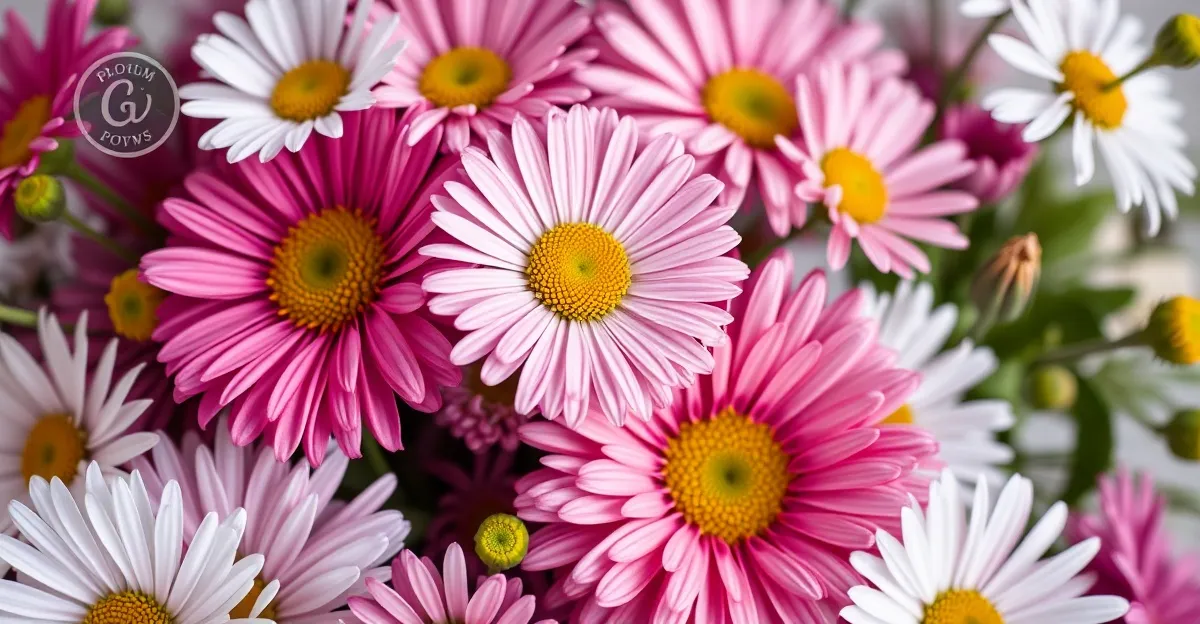
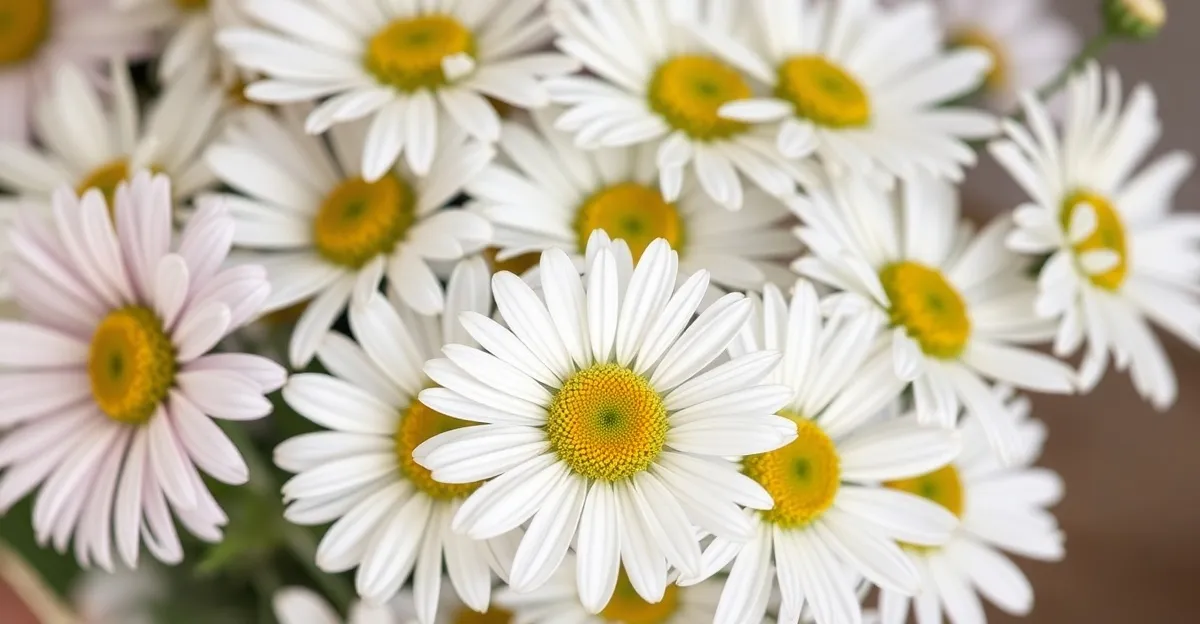
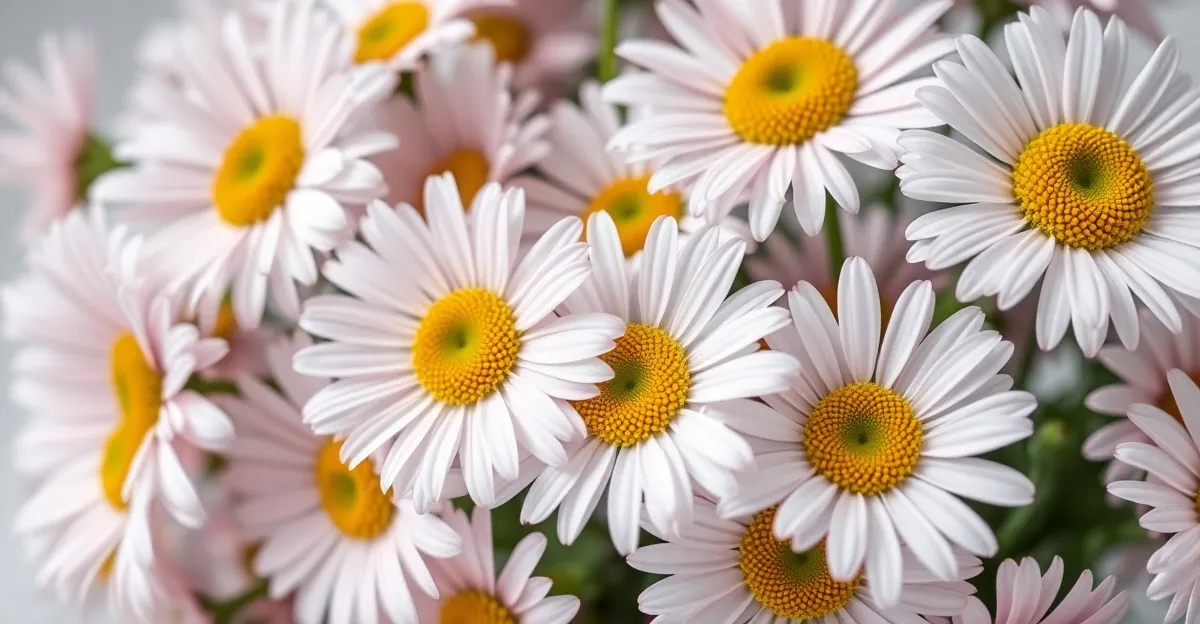
Every florist has flowers they reach for automatically when they want to balance an arrangement. For us at heyflower.co, the daisy — and gerbera daisies in particular — sit at the top of that list. They are workhorses in the best possible sense: bold enough to anchor an arrangement but open enough to complement almost anything placed alongside them. The challenge, which is also the joy, is deciding which direction you want to take them.
This guide covers our favourite daisy pairings, the design principles behind them, and the occasions they suit best. Whether you are putting together your own arrangement from Bali's markets or ordering a custom bouquet, these combinations give you a foundation to work from.
Why Daisies Work So Well in Mixed Arrangements
Before getting into specific pairings, it helps to understand what makes daisies so combination-friendly.
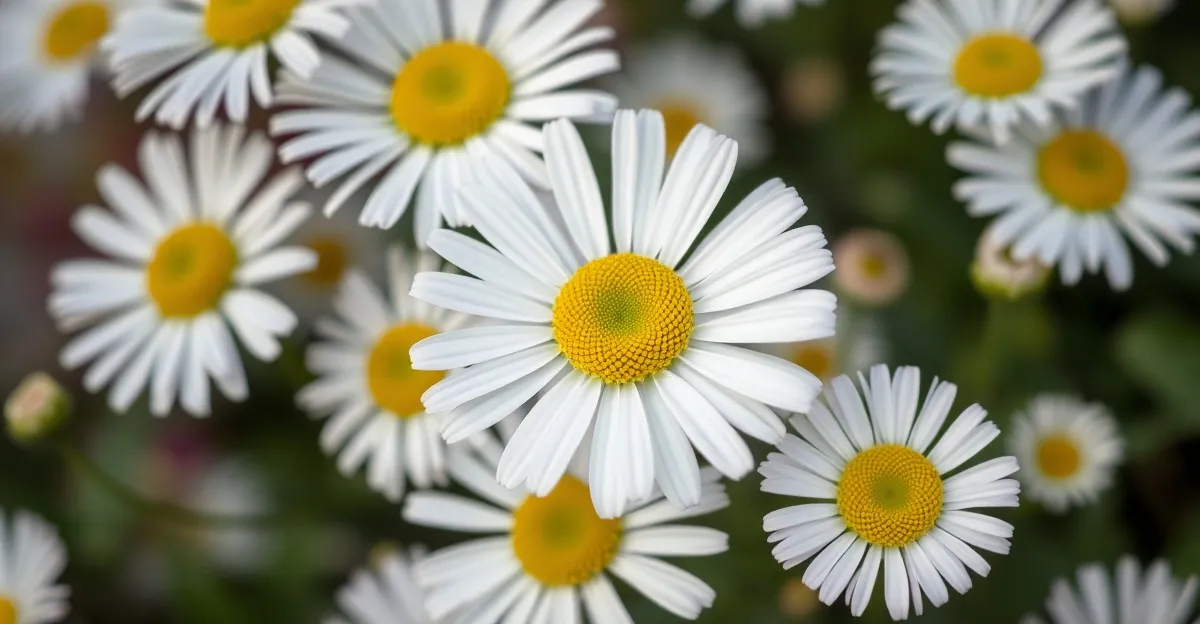
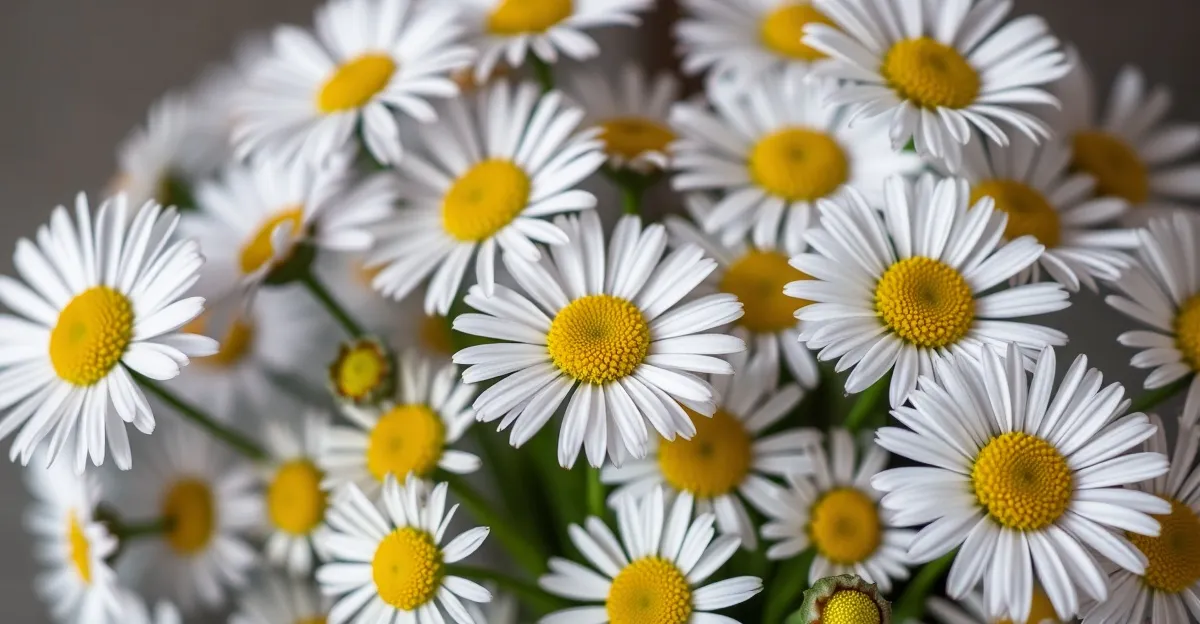
Structurally, the daisy's flat, disc-shaped face creates a visual rhythm in an arrangement. Unlike a rose (spherical and solid) or a lily (trumpet-shaped and three-dimensional), a daisy sits on a single plane. This flatness means it catches light from a specific angle and creates strong focal points when grouped. It also means it does not compete with more architecturally complex flowers — it supports them.
In terms of colour, gerberas come in an extraordinary range, which means you can almost always find one that bridges or contrasts with whatever you are working with. Their relatively neutral, clean colours (even the bold ones) pair without the slightly difficult nuances of some flowers — they do not bring the undertones that, say, a peach rose might.
Finally, daisies bring a tone of approachability and warmth that is difficult to replicate. Arrangements of purely formal flowers can feel slightly austere. Adding daisies softens the composition and makes it feel more alive.
Daisy and Rose: The Classic Contrast
This is the arrangement equivalent of a well-tailored suit with a casual T-shirt — the formal and the informal played off each other deliberately, and the contrast makes both elements more interesting.
White gerbera daisies with red or deep pink roses create something genuinely beautiful: the daisy's open, sunny face alongside the rose's tight, layered complexity. The daisy softens what might otherwise feel overly serious; the rose gives the arrangement gravitas and depth.
For Valentine's or anniversary arrangements, red roses with deep orange or coral gerberas can be stunning — the daisy's warmth amplifying the rose's passion rather than diluting it.
Practical note: roses and gerberas have different water needs, so check stems frequently when combining them. Roses prefer deeper water; gerberas do better in shallow vessels. Use a vase deep enough for roses and ensure gerbera stems do not extend below 8–10 centimetres of water.
Daisy and Sunflower: Summer Maximum
This is not a subtle combination. Gerbera daisies with sunflowers are pure summer, pure celebration, pure joy — an arrangement that makes no pretence of restraint and is entirely right about its choices.
Yellow or orange gerberas with sunflowers create a warm, golden arrangement that suits large spaces: entrance halls, dining tables, open-air terraces. In Bali, this combination is absolutely at home — the island's light makes everything golden anyway, and this arrangement leans into it completely.
For slightly more visual sophistication, try combining white or soft peach gerberas with sunflowers instead of matching yellow. The contrast of the pale daisy against the sunflower's bold yellow creates a more nuanced arrangement while keeping the warm, celebratory energy.
This pairing works for: housewarming gifts, birthday celebrations for people with big, sunny personalities, and as an impact arrangement for a specific space in a villa or home.
Daisy and Chrysanthemum: Textural Dialogue
Chrysanthemums and daisies are botanical relatives (both in the Asteraceae family), which means they share a structural logic that makes them natural companions. But visually, they offer interesting contrast: where a daisy has one clean layer of petals and a simple disc centre, a chrysanthemum builds layer upon layer, creating depth and complexity.
The combination of these two flowers creates a textural conversation in an arrangement — the daisy's simplicity highlighting the chrysanthemum's intricacy, and vice versa. This pairing works particularly well with the more button-shaped chrysanthemum varieties, which echo the daisy's disc without directly duplicating it.
Colour-wise, white daisies with deep burgundy or purple chrysanthemums make a stunning, sophisticated arrangement. Yellow daisies with green chrysanthemums feel fresh and contemporary. Both work beautifully for home arrangements and more formal gifting contexts.
For chrysanthemum symbolism in Bali's cultural context, the history and origin of the chrysanthemum provides useful background on this flower's meanings across Asian and Western traditions.
Daisy and Baby's Breath: The Wildflower Aesthetic
Baby's breath (Gypsophila) with daisies is one of those combinations that seems almost too simple and then consistently surprises you with how well it works. The fine, cloudlike texture of baby's breath gives gerberas a feeling of floating — like the bold blooms are suspended in a soft mist.
This pairing creates an arrangement that feels romantic, light, and slightly whimsical — more wildflower meadow than formal arrangement. It suits people with a natural, organic aesthetic and occasions requiring something tender rather than dramatic.
White gerberas with white baby's breath is pure and beautiful. Coloured gerberas with baby's breath allow the colour to float in a sea of white, which can be especially striking. Add some soft greenery (eucalyptus, fern fronds, ruscus) and you have a complete arrangement that feels gathered from a garden.
Daisy and Lily: Structural Balance
The lily's upright, trumpet-shaped blooms create vertical movement in an arrangement, while gerbera daisies add horizontal width and focal interest. Together, they create a beautifully balanced composition that has both height and substance.
White gerberas with white Asiatic or stargazer lilies make an elegant, somewhat formal arrangement appropriate for special occasions. Adding some deep green foliage (monstera, palm leaves, or galax) grounds the composition and keeps it from looking too precious.
For more impact, try coral or orange gerberas with white or cream lilies — the warmth of the daisy against the cool formality of the lily creates real visual tension that reads as sophisticated rather than chaotic.
Note that stargazer lilies have a very strong fragrance, which can be intense in enclosed spaces. For indoor arrangements in Bali's smaller rooms, Asiatic lilies (lighter scent) may be more comfortable. For lily symbolism and pairing ideas, the history and origin of the lily provides a useful foundation.
Daisy and Tropical Foliage: Bali's Signature Look
One of heyflower.co's signature approaches is pairing the classic forms of European cut flowers with Bali's extraordinary tropical foliage. For daisies, this creates something distinctly Balinese — not purely Western, not purely tropical, but a fusion that belongs completely to this island.
Gerbera daisies arranged among large monstera leaves, palm fronds, heliconia, and anthuriums create a bold, tropical arrangement that still has the cheerful warmth of the daisy. The scale contrast is particularly striking — the small disc of a gerbera face against the large, architectural sweep of a monstera leaf.
This pairing is particularly good for villa lobby arrangements, resort reception desks, and large-scale home installations where you want something that looks like it belongs in Bali specifically rather than anywhere in the world.

The team
your florists
weekly subscription · Bali
We write about flowers because we love them. We deliver them because someone should — properly, weekly, across Bali.
— heyflowerPay once for 3, 6, or 12 months, no auto-renewal.
Daisy and Protea: The Unexpected Pairing
This combination does not come from the traditional flower arranging playbook, but it is one of our favourites. Proteas, with their architectural, almost prehistoric-looking blooms, offer the most extreme contrast you can create with a daisy — the wildly complex against the simply beautiful.
Pink or coral gerberas with pink proteas create an arrangement that reads as both contemporary and genuinely interesting. The eye moves between the daisy's clean simplicity and the protea's extraordinary texture, and the result is a bouquet people look at for a long time.
For people who love plants, nature, and unusual arrangements, this pairing is genuinely special. It suits both gifting and home decoration, and it holds up particularly well in Bali's climate — both flowers are reasonably robust cut flowers.
Design Principles to Remember
When creating or ordering a mixed daisy arrangement, a few principles consistently produce good results:
Odd numbers: Three, five, or seven focal blooms (gerberas) read more naturally than even numbers. This is a basic design principle that applies to most arrangement types.
Rule of three for textures: Combine three different textures — smooth (gerbera petals), fine/delicate (baby's breath, herbs), and structural (foliage, stems). The variation creates visual interest without chaos.
Colour temperature: Warm colours (red, orange, yellow, coral) advance toward the viewer; cool colours (blue, purple, white) recede. Use this to create depth in an arrangement by placing warm tones towards the front and cooler tones at the back.
Scale variation: Mix large gerberas with smaller accent flowers rather than all similar-sized blooms. The scale contrast adds visual dynamism.
Frequently Asked Questions
What flowers should I never pair with daisies?
There are no strict rules, but some combinations create visual confusion. Very fussy, highly structured flowers (like heavily frilled carnations or elaborate peonies) can compete with gerberas rather than complementing them. Very small, delicate flowers alongside large gerberas can feel overwhelmed. As a general principle, think about whether the flowers are in conversation with each other or competing for attention.
How do I create a tropical daisy arrangement at home in Bali?
Visit your local market or pasar desa early in the morning for the freshest selection. Choose four to five gerberas in complementary colours, pick up some tropical foliage (palm fronds, monstera, or heliconia if available), and arrange them in a wide-mouthed vase with the foliage providing the background and the gerberas sitting in front. Re-cut all stems before placing them in the vase.
Can daisies be combined with orchids?
Yes, and with good results. Purple or white orchids with white or pink gerberas create a pairing that feels both tropical and elegant — rooted in Bali's natural environment while still achieving a certain polish. Dendrobium orchids work particularly well for this combination.
What greenery pairs best with gerbera daisies?
Our top choices at heyflower.co are: eucalyptus (grey-green, soft texture, slight fragrance), monstera leaves (bold, architectural, very Bali), ruscus (dark green, fine texture), and galax leaves (round, glossy, elegant). Avoid very delicate greenery that will wilt quickly in Bali's heat.
How many gerberas should I use in a mixed arrangement?
As a rough guide: a small arrangement (for a desk or side table) works well with three to five gerberas. A medium arrangement (dining table or coffee table) suits five to seven. A large statement arrangement might use nine or more. Scale the gerberas to the overall size of the arrangement and the space it will occupy.
A well-paired daisy arrangement is genuinely greater than the sum of its parts. The daisy's cheerful simplicity amplifies whatever it sits alongside, and that quality — of making everything around it look better — is what makes it such a joy to work with.
At heyflower.co, we design custom arrangements that draw on these principles every day. Whether you have a specific combination in mind or want to trust our florists to create something perfectly suited to your occasion and space, we deliver fresh, beautiful flowers across Bali. Explore our flower subscription plans and receive expertly paired seasonal arrangements at your door every week.
More on Daisy