The history and origin of the chrysanthemum
From ancient China to Bali's highland flower farms — the extraordinary 2,500-year history of the chrysanthemum and how it became a global icon.
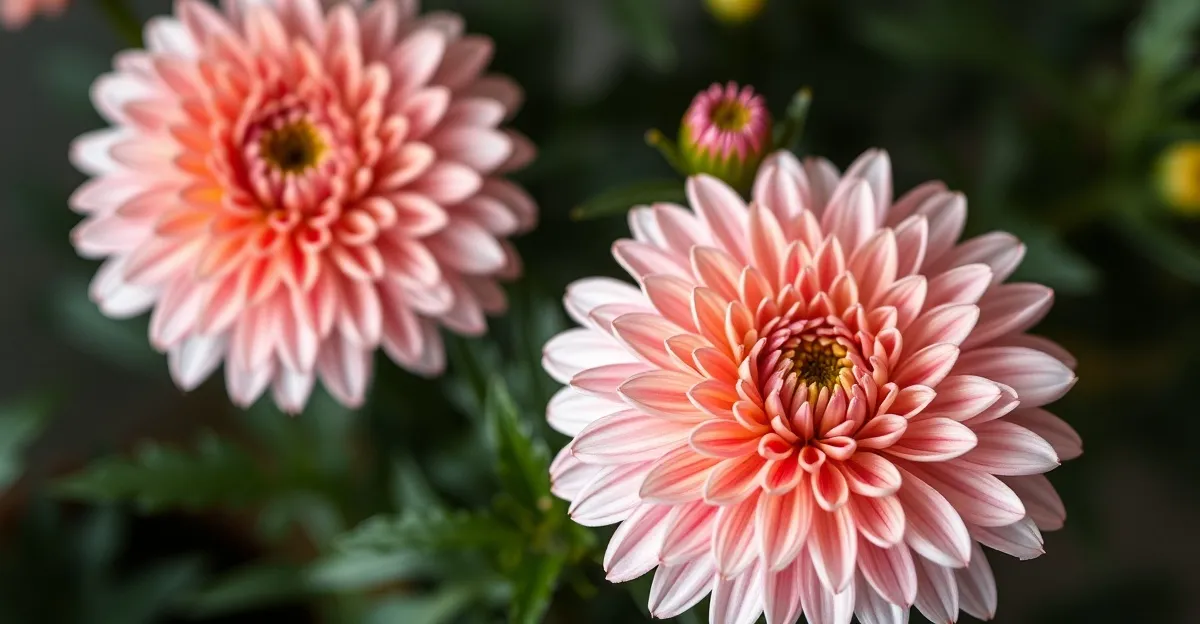
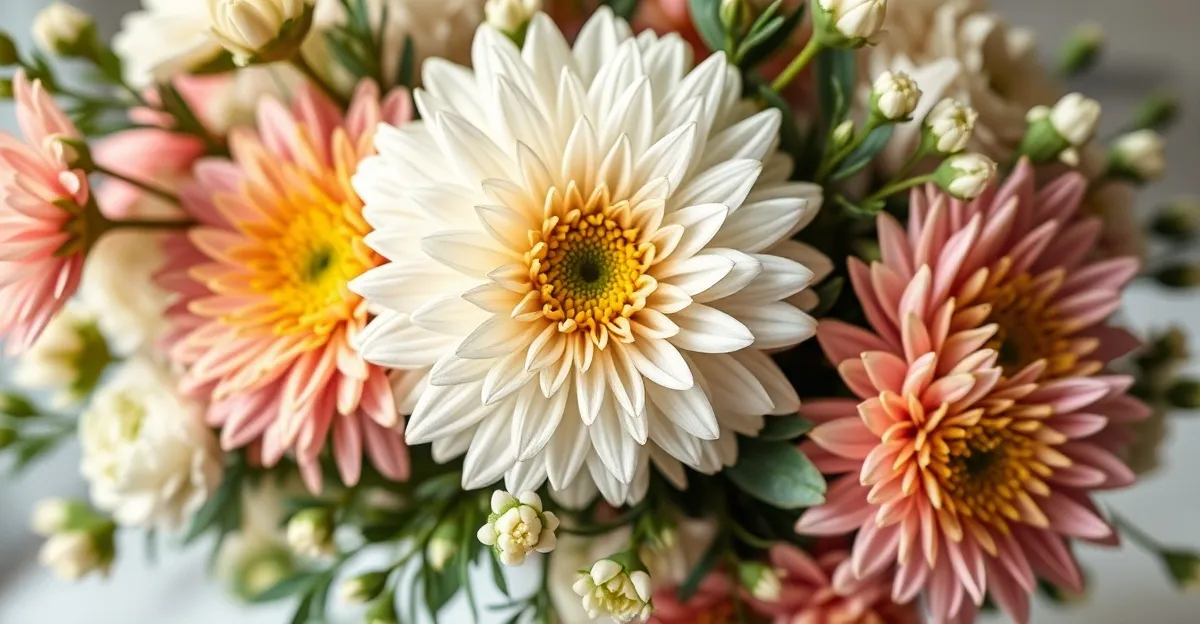
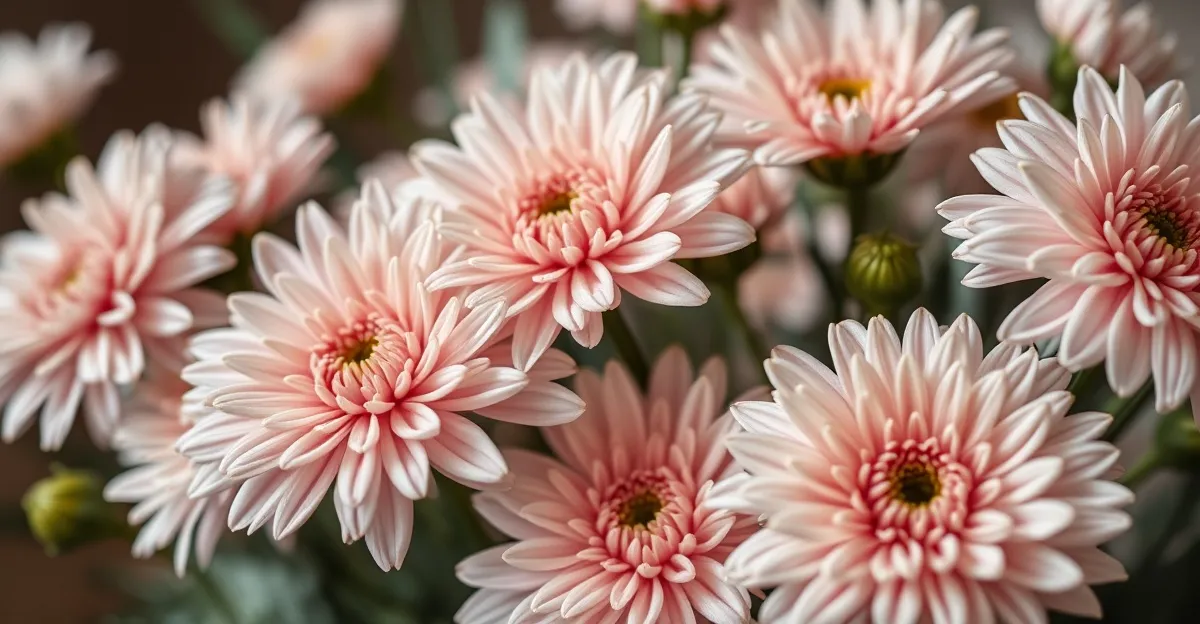
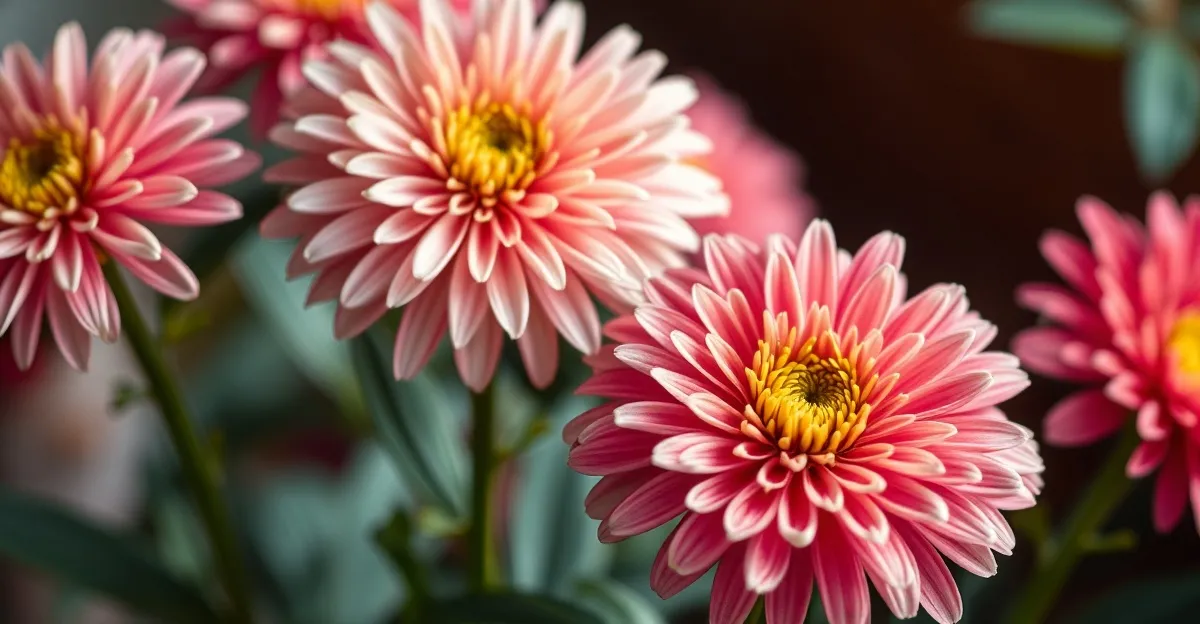
The chrysanthemum has one of the longest and most consequential histories of any cultivated flower. For more than two and a half millennia, it has been painted, written about, used in medicine, elevated to imperial symbolism, and grown in gardens from China to Colombia. The chrysanthemums sold at Bali's markets today are the direct descendants of flowers cultivated in ancient Chinese gardens, and that lineage gives them a dignity that their market price does not always suggest.
Origins in ancient China
Chrysanthemums were first documented in Chinese texts around the 15th century BCE, though it is likely they were known long before written records captured them. Confucius mentioned them — he recommended contemplating chrysanthemums for their noble character, the way they bloom in autumn when other flowers have given up. This became the founding text of the chrysanthemum's philosophical dimension in Chinese culture.
The ancient Chinese saw in chrysanthemums something they valued immensely: the ability to flourish under adversity. While other flowers required the wealth of spring and summer, chrysanthemums waited and then bloomed when the season became difficult. This was character. This was virtue. The chrysanthemum became one of the Four Gentlemen of Chinese art — the other three being the orchid, the bamboo, and the plum blossom. Together they represented the noble qualities of the ideal scholar.
Chinese physicians discovered that chrysanthemum flowers, leaves, and roots had medicinal properties. Chrysanthemum tea was drunk to clarify the mind, reduce fever, and improve eyesight. Chrysanthemum extract appeared in traditional medicine texts for conditions ranging from headaches to high blood pressure. The medicinal tradition continues — chrysanthemum tea is still widely drunk across East Asia.
The chrysanthemum in Chinese gardens
By the Tang Dynasty (618–907 CE), chrysanthemum cultivation had become a sophisticated horticultural practice. The Tang court held chrysanthemum exhibitions. Poets wrote about chrysanthemums with the kind of extended metaphorical depth usually reserved for major philosophical subjects. The great Tang poet Tao Yuanming was so famously associated with chrysanthemums that the phrase "planting chrysanthemums by the eastern fence" became a literary shorthand for living a life of quiet, cultivated simplicity.
By the Song Dynasty (960–1279 CE), hundreds of named chrysanthemum cultivars existed. The first chrysanthemum monograph — an entire book dedicated to chrysanthemum varieties and their cultivation — appeared during this period. Nothing better illustrates the flower's cultural centrality than dedicated botanical literature over a thousand years ago.
Journey to Japan
Chrysanthemums were introduced to Japan from China around the fourth or fifth century CE. The Japanese response was rapid and profound. Within a few centuries, the chrysanthemum had been adopted as the symbol of the imperial family — the Chrysanthemum Throne, the sixteen-petalled Imperial Seal, the Order of the Chrysanthemum (the highest state honour of Japan) all derive from this adoption.
The Japanese word kiku refers to chrysanthemums, and the flower appears in Japanese art, textiles, ceramics, and craftsmanship with extraordinary frequency. The annual Chrysanthemum Festival (Kiku no Sekku, the Ninth Day of the Ninth Month) has been celebrated since the Nara period. Annual chrysanthemum exhibitions at major temples display meticulously trained specimens as horticultural art.
This imperial and ceremonial weight gives the chrysanthemum in Japanese culture a dignity that few other flowers anywhere in the world have achieved.
Arrival in Europe
Chrysanthemums did not reach Europe until the seventeenth century — a remarkably late arrival for a flower cultivated for two millennia in Asia. Dutch traders brought specimens back from Japan in the 1680s, but early attempts to cultivate them in European conditions largely failed.
Successful cultivation came through the early nineteenth century, when French botanist Pierre-Louis Blancard imported plants from China that survived and flourished in European conditions. The chrysanthemum craze that followed in the nineteenth century was significant. Plant breeders across England, France, and the Netherlands developed hundreds of new varieties. Chrysanthemum shows became fashionable. The range of forms expanded enormously — from the tight pompom to the cascading spider variety to the cushion type.
In France, the chrysanthemum's adoption as a cemetery flower came later, reinforced by the coincidence of autumn blooming with All Saints' Day. By the twentieth century, this association was thoroughly embedded and commercially significant — French florists sell enormous quantities of chrysanthemums in the days around 1 November.
Commercial production in the modern era
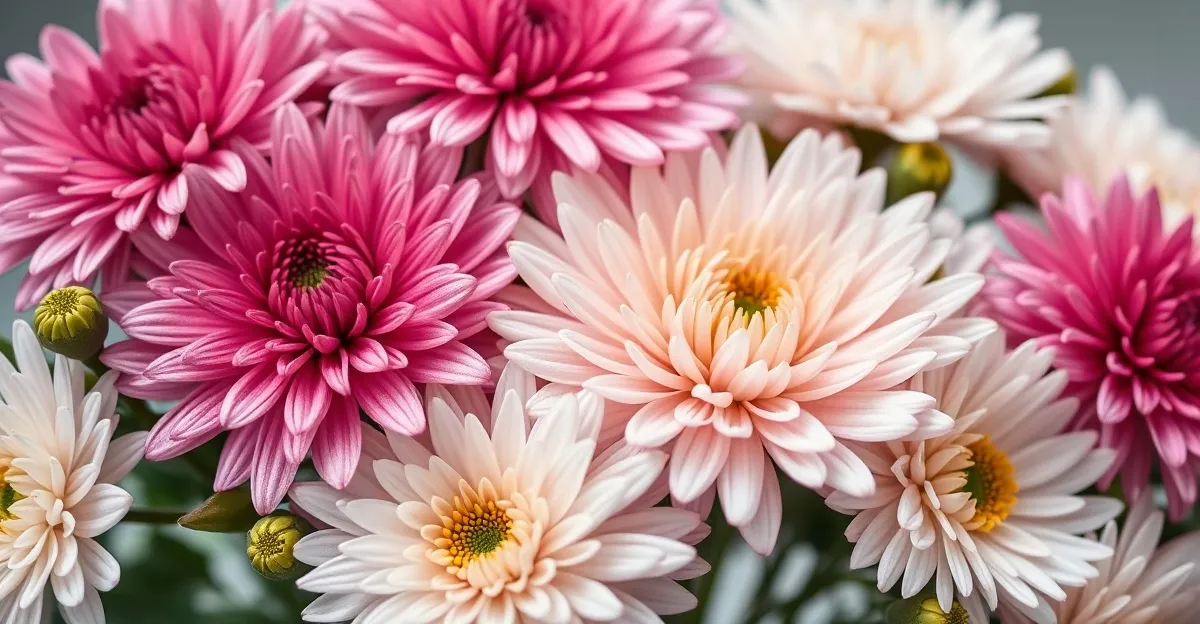
Today, chrysanthemums are the second most cultivated flower in the world by volume (roses are first). The Netherlands, Colombia, China, and Kenya are among the largest commercial producers. The flower's extraordinary diversity — there are now thousands of registered cultivars in hundreds of colours and forms — combined with its adaptability to commercial cultivation has made it a global commercial cornerstone.
The development of controlled-day-length growing houses, where light exposure is artificially managed to trigger flowering regardless of season, enabled chrysanthemum production to become year-round. Modern commercial chrysanthemum growers can produce flowers in any month simply by managing the light regime of their growing environments.

The team
your florists
weekly subscription · Bali
We write about flowers because we love them. We deliver them because someone should — properly, weekly, across Bali.
— heyflowerPay once for 3, 6, or 12 months, no auto-renewal.
Chrysanthemums in Indonesia and Bali
In Indonesia, chrysanthemums are grown primarily in highland areas where temperatures are cool enough for their requirements. The Bedugul plateau in central Bali, and the highlands around Bandung in West Java, produce the majority of chrysanthemums used in Bali's flower markets and floristry industry.
Chrysanthemums are deeply embedded in Balinese Hindu ceremonial practice, appearing in temple offerings, canang sari, and the flower garlands that decorate penjor during Galungan and Kuningan. White and yellow chrysanthemums are particularly common in ceremonial contexts.
For florists working in Canggu, Seminyak, and the wider southern Bali area, chrysanthemums are among the most reliable and versatile flowers in the local supply. Their durability as cut flowers, their extraordinary colour range, and their connection to both local ceremonial traditions and global floristry make them genuinely irreplaceable. Understanding their history adds something to the experience of working with them — these are flowers that have been cultivated with care for longer than written history covers in most of the world.
For more on how chrysanthemums are used in Bali's ceremonial life, see our piece on chrysanthemum in Balinese ceremonies.
Frequently Asked Questions
Where did chrysanthemums originally come from?
Chrysanthemums originated in China and have been documented in Chinese texts for at least 2,500 years. They were introduced to Japan in the fourth or fifth century CE and arrived in Europe through Dutch and French traders in the seventeenth and early nineteenth centuries.
Why is the chrysanthemum the symbol of the Japanese emperor?
The chrysanthemum was adopted as the imperial symbol during the Nara period (710–794 CE), likely for its associations with nobility, longevity, and the ability to flourish with dignity in difficult conditions — virtues that the imperial lineage wished to embody. The sixteen-petalled chrysanthemum seal has been the Imperial Seal since this period.
Did ancient Chinese people really use chrysanthemums as medicine?
Yes. Chrysanthemum tea was used in traditional Chinese medicine for thousands of years to reduce fever, clear the liver, and improve eyesight. Modern research has confirmed that chrysanthemum flowers contain compounds with anti-inflammatory properties, lending some scientific support to the traditional uses.
When did chrysanthemums arrive in Bali?
Exact historical dates are difficult to pinpoint, but chrysanthemums were likely introduced to Bali through Indonesian trade networks with China and Java over many centuries. Their current significance in Balinese ceremony suggests a long integration into local practice.
What is the most important chrysanthemum variety historically?
Tao Yuanming's association with simple, contemplative chrysanthemums in Tang Dynasty China established an aesthetic ideal that influenced centuries of Chinese and Japanese art. In terms of horticultural significance, the development of controlled-day-length cultivation in the twentieth century was the single most consequential innovation in chrysanthemum history.
Two and a half thousand years of cultivation, and chrysanthemums are still one of the freshest-looking flowers on a Monday morning delivery in Canggu. At heyflower.co, we bring this history to your door — subscribe for weekly deliveries to Canggu, Berawa, Pererenan, Seminyak, and Kerobokan.
More on Chrysanthemum