How to Preserve a Daisy Bouquet After the Event
Keep your daisy bouquet beautiful long after the occasion. A Bali florist's guide to pressing, drying, and resin preservation techniques for daisies.
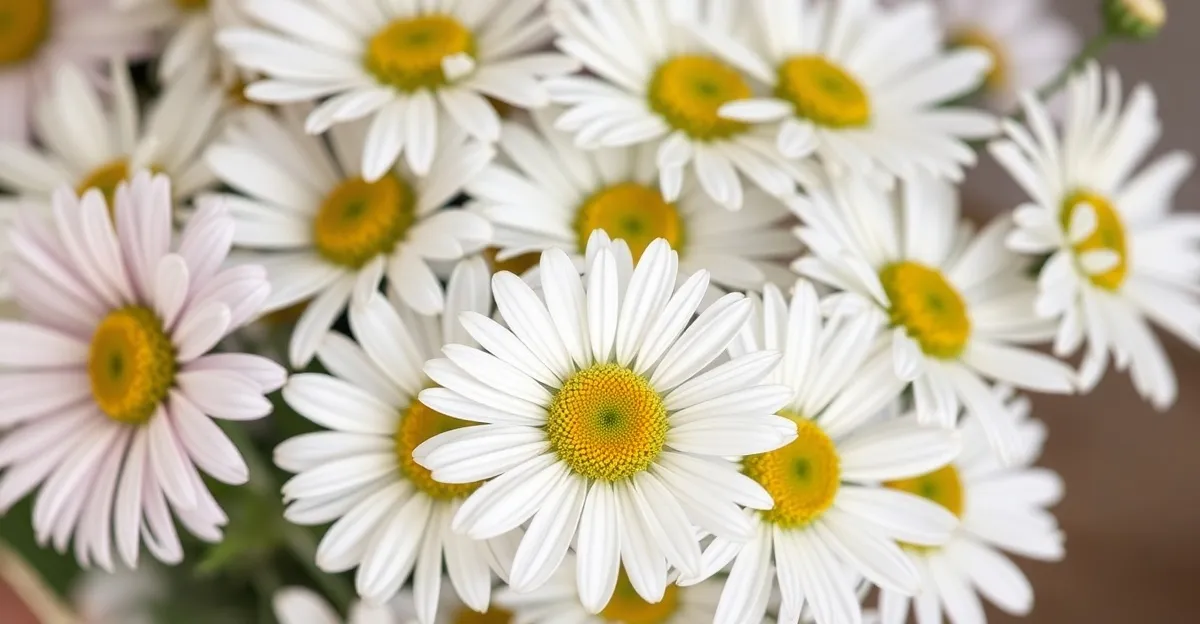
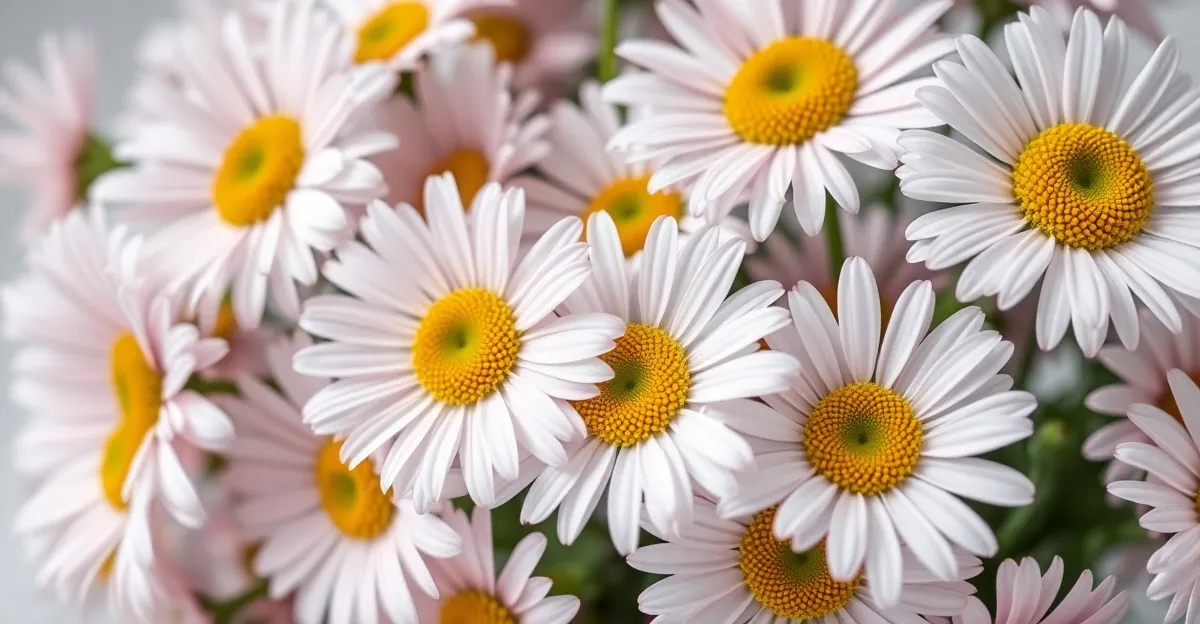
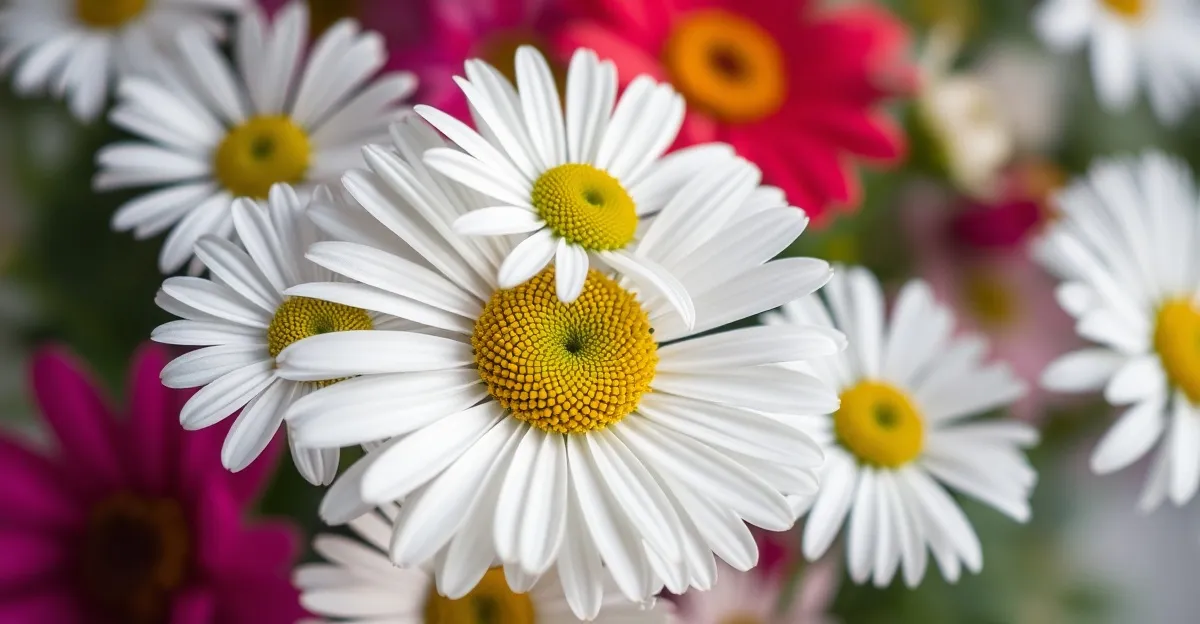
There are certain flower arrangements worth keeping forever: the bridal bouquet from your wedding day in Ubud, the gerbera daisies from a special birthday, the wildflower arrangement sent by someone who matters deeply. Fresh flowers are temporary by nature, but their meaning does not have to be. With the right preservation technique, the daisy — one of the most preservable flowers in the world — can become a lasting record of a beautiful moment.
This guide covers every practical preservation method available for daisy bouquets, from the simplest (air drying, which anyone can do at home) to the more involved (resin casting and silica gel drying). Given Bali's tropical climate, which presents specific challenges for preservation, we include advice tailored specifically to what works here.
Why Daisies Are Particularly Good Candidates for Preservation
Not all flowers preserve equally well. Thick, tightly structured blooms like roses often distort significantly as they dry. Very delicate flowers like sweet peas tend to shatter. But the daisy — and gerbera daisies in particular — has qualities that make it a very good candidate for preservation.
The disc-shaped face of a daisy is structurally simple: a flat circle of petals around a prominent centre. This flat structure dehydrates more evenly than three-dimensional flowers. Gerbera petals, while delicate to touch, have good structural integrity when dried. And the strong, clear colours of gerberas hold reasonably well through most drying processes, giving you a preserved flower that still reads as vivid rather than merely dried.
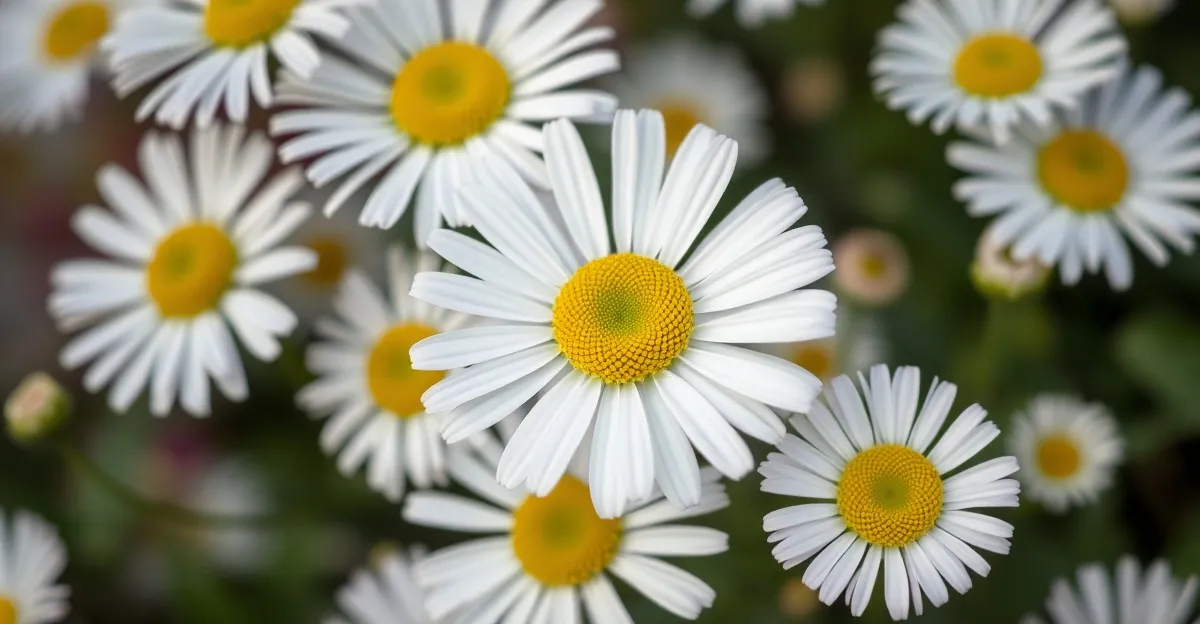
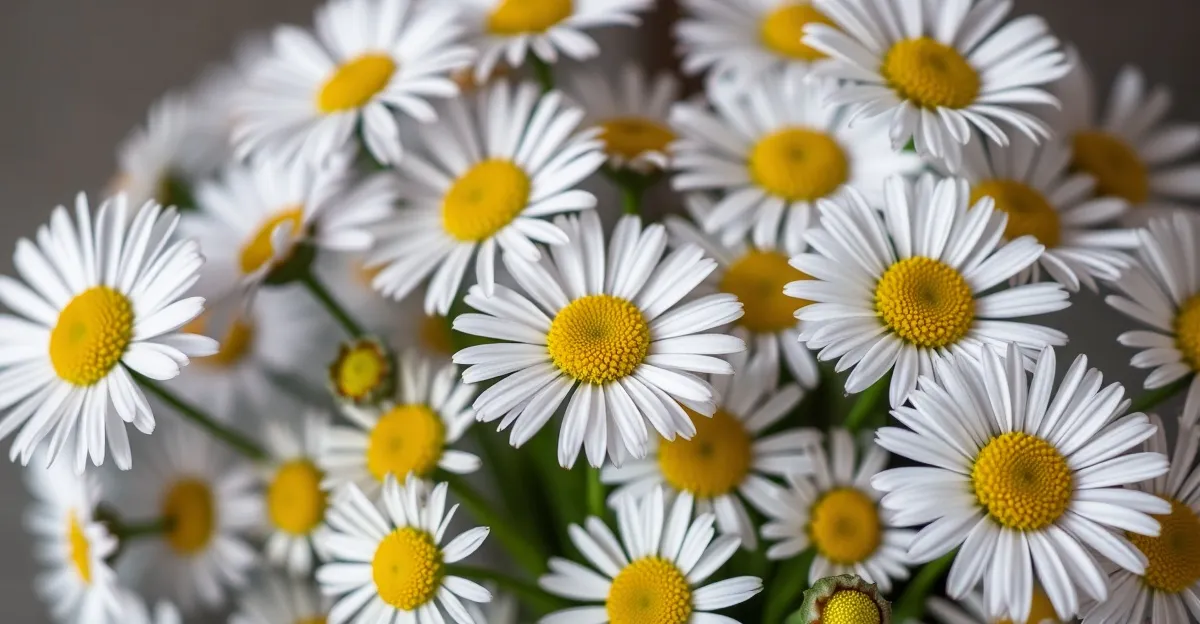
Smaller daisy varieties (Shasta daisies, chamomile) are even more suited to pressing because of their naturally flat, two-dimensional form.
The Biggest Challenge: Bali's Tropical Humidity
Before diving into specific techniques, a word about Bali's climate and preservation. The single greatest enemy of preserved flowers in Bali is humidity. High moisture in the air means:
- Pressed flowers can develop mould rather than simply drying
- Air-dried flowers can reabsorb moisture and soften over time
- Preserved arrangements need to be stored with desiccant or in sealed environments
Every technique below includes specific adaptation for Bali's conditions. The key principle is: speed up the drying process as much as possible (silica gel, dehumidifier, air conditioning), and once dried, store or display in humidity-controlled conditions.
Method 1: Air Drying — Simplest Approach
Air drying is the oldest and most accessible preservation method. Hang your flowers upside down in a dry, warm, well-ventilated space and let gravity and airflow do the work.
Air Drying Daisies: Step-by-Step
- Remove any foliage that would rot during drying — strip all leaves from the stems
- Divide your bouquet into small bunches of three to five stems (large bunches trap moisture in the centre and dry unevenly)
- Tie the stems with rubber bands (not string — as stems shrink during drying, rubber bands contract with them)
- Hang bunches upside down in the driest room in your home, ideally with a fan running for air circulation
Bali-Specific Note
In Bali's humidity, air drying alone often results in mould developing on the stems or petals before the drying process completes, particularly during wet season. To improve results:
- Use a room with active air conditioning or a dehumidifier running
- Aim for relative humidity below 50% in the drying space
- Check flowers daily and remove any that show any sign of mould immediately
- The dry season months (April–October) are significantly better for air drying in Bali than wet season
Air-dried gerberas will shrink and the petals will become papery, but the general form and colour are preserved. The result is more rustic than fresh, but it has its own honest beauty.
Drying time in Bali: 2–3 weeks with air conditioning; potentially longer and with more risk during wet season.
Method 2: Pressing — For Flat Daisy Varieties
Pressing works best for naturally flat flowers — Shasta daisies, chamomile, and field daisies — rather than gerberas, which are slightly three-dimensional. However, with technique, gerbera faces can be pressed quite beautifully.
Standard Pressing Method
- Lay individual blooms face-down on absorbent paper (blotting paper, paper towel, or newspaper)
- Layer additional absorbent paper over the top
- Place inside a heavy book (larger books with thick pages work best)
- Add more heavy books or weights on top
- Change the paper every 2–3 days to prevent mould
Bali-Specific Note
In Bali's humidity, standard book pressing has a high risk of mould without intervention. Adaptations that significantly improve results:
Silica gel between paper layers: Pack silica gel (the type available at hardware stores across Bali) alongside the pressing papers. The silica absorbs moisture faster than paper alone.
Pressing in an air-conditioned room: Store your pressing books in an air-conditioned room throughout the process. The lower humidity environment makes a significant difference.
Microwave pressing: Place your flower face between sheets of paper inside a flower press, then microwave on the lowest power setting in 30-second bursts. Check between sessions. This accelerates drying dramatically, reducing mould risk in tropical conditions. The Bali versions of this technique works in 30–60 minutes rather than weeks.
Drying time: 2–4 weeks by book pressing; 1–2 hours by microwave method.
What to Do with Pressed Daisies
Pressed daisies are beautiful in: framed botanical art (a simple white mat and frame makes pressed daisies look museum-worthy), greeting cards and stationery, resin jewellery and coasters (pressed flowers as inclusions in clear resin), bookmarks, and collage or journal art. For a Bali wedding bouquet preserved this way, a custom frame with the wedding date is a meaningful keepsake.
Method 3: Silica Gel Drying — Best Results in Bali's Climate
Silica gel drying is the method that produces the best results in tropical climates like Bali's, because it actively draws moisture out of the flower rather than simply waiting for passive evaporation. The results are more realistic-looking than air drying — flowers retain more of their three-dimensional form and colour.
Silica Gel Drying: Step-by-Step
- Find an airtight container (a large Tupperware or an old biscuit tin works well)
- Pour 2–3 centimetres of silica gel into the bottom
- Remove most of the stem from your gerberas, leaving just 2–3 centimetres
- Place flowers face-up on the silica bed
- Very gently pour more silica gel over and around the flowers, supporting their shape. For gerberas, carefully pour it between the petals, supporting each petal as you go
- Cover the container and seal airtightly
- Leave undisturbed for 3–5 days
The silica gel draws moisture out of the flower while maintaining its shape because the gel surrounds and supports the petals during drying.
After drying, carefully pour off the gel (you can reuse it after drying it in an oven at 100°C for an hour). Remove flowers gently with a soft brush to remove any silica that clings to petals. The result is a flower that has retained most of its shape and much of its colour — significantly more lifelike than air-dried results.
Storage in Bali: Once silica-dried, display in a sealed glass dome or sealed frame to prevent moisture reabsorption. An airtight shadow box with a silica gel sachet inside is the ideal display solution for Bali's humidity.
Method 4: Resin Casting — The Permanent Keepsake
Casting dried flowers in clear resin is the most permanent preservation method and creates the most dramatic, displayable results. Resin-cast daisies can be made into coasters, paperweights, jewellery pieces, wall hangings, or simply left as freestanding botanical art pieces.
Resin Casting in Bali: What You Need
Epoxy resin is available at hardware stores and craft supply shops in Bali (Denpasar and larger shopping centres in the Kuta-Legian-Seminyak area). You will also need: mixing cups, stir sticks, nitrile gloves, moulds (silicone moulds are easiest), and dried flowers (flowers must be fully dried before casting — wet or even slightly moist flowers cause the resin to cloud and the flowers to rot inside the cast).
Process Overview
The basic resin casting process involves mixing the two-part epoxy resin, pouring a base layer, allowing it to partially cure, placing the dried flowers face-down in the partially-cured layer, then pouring additional layers to encase the flowers completely. The full cure takes 24–48 hours.
Resin work in Bali's humidity requires care — high humidity can cause surface cloudiness on the cured resin. Working in an air-conditioned room and ensuring all surfaces are dry before casting gives the best results.
This is the technique used to create those beautiful Bali-made botanical coasters and wall pieces you see in design shops across the island. With your own dried wedding daisies inside, they become genuinely irreplaceable.

The team
your florists
weekly subscription · Bali
We write about flowers because we love them. We deliver them because someone should — properly, weekly, across Bali.
— heyflowerPay once for 3, 6, or 12 months, no auto-renewal.
Method 5: Professional Preservation Services
For truly precious bouquets — wedding flowers in particular — professional preservation services offer results that home methods cannot match. Professional preservers use commercial freeze-drying or advanced silica methods that produce near-perfect results. Several businesses in Denpasar and the greater Bali area offer this service; ask your florist for recommendations.
Professional preservation in Bali typically ranges from Rp 500,000 to Rp 2,000,000 depending on the size and complexity of the bouquet and the preservation method used.
For an incoming wedding in Bali, booking a preservation service in advance — ideally one your florist knows and can coordinate with on the day — ensures the flowers go straight into the preservation process while they are at their freshest.
When to Start the Preservation Process
Timing matters enormously. Begin preservation within 24 hours of the event, ideally immediately after. The fresher the flower when you start, the better the result. Flowers that have begun to wilt or dry naturally before preservation begins generally produce inferior results because the cellular structure has already begun to deteriorate.
For wedding flowers, the best approach is to have everything prepared in advance: the silica container ready, the pressing books laid out with paper, or the resin moulds waiting. This way, the transition from fresh to preserved can happen immediately after the event.
Frequently Asked Questions
Is it possible to press gerbera daisies in Bali?
Yes, but they require more care than smaller flat daisies. The slightly three-dimensional form of a gerbera face means the centre will not press perfectly flat, which can cause uneven drying or mould in the dense centre disc. The microwave pressing method works best for gerberas in Bali's humidity. Alternatively, separate the petals from the disc and press them individually, then reassemble in a frame.
How do I prevent mould when preserving flowers in Bali?
The most effective measures are: start with very fresh flowers, work in an air-conditioned or dehumidified environment, use silica gel wherever possible to accelerate moisture removal, and seal finished preserved flowers in airtight display cases with fresh silica gel sachets. Checking frequently during the drying process and removing any sign of mould immediately prevents it from spreading.
Can I display preserved flowers outdoors in Bali?
Outdoors in Bali's humidity is very challenging for preserved flowers. Even fully dried and sealed flowers will eventually reabsorb moisture and deteriorate if exposed to open air in the tropics. For outdoor display, resin-cast preserved flowers are the most durable option. Otherwise, preserved flower arrangements are best enjoyed indoors with climate control.
How long do silica-dried flowers last?
Properly dried and stored — in a sealed display case with silica gel, away from humidity — silica-dried gerbera daisies can last for several years while retaining most of their colour and form. Without humidity control, the same flowers in Bali's climate might only last a few months before softening and fading.
What is the most meaningful way to display a preserved wedding bouquet?
We love the idea of a custom shadow box frame: the preserved flowers arranged in an approximation of the original bouquet, set against a fabric background in the wedding colours, with the wedding date and perhaps a few words printed as a caption. This creates a genuinely beautiful and personal piece of wall art that displays the preserved flowers while also protecting them in a sealed environment.
Your daisy bouquet deserves to last beyond the day that made it meaningful. Whether you choose the simple honesty of a pressed flower in a frame or the permanent beauty of a resin cast, the flowers from an important occasion can become something you keep for decades.
At heyflower.co, we source beautiful fresh daisies and seasonal blooms for every occasion across Bali. For regular fresh flower deliveries that make every week feel like an occasion, explore our subscription plans — fresh flowers on your door on a schedule that works for you.
More on Daisy