The History and Origin of the Lily
From ancient Egypt to Minoan frescoes to modern Bali flower markets — discover the remarkable history and origin of the lily flower.
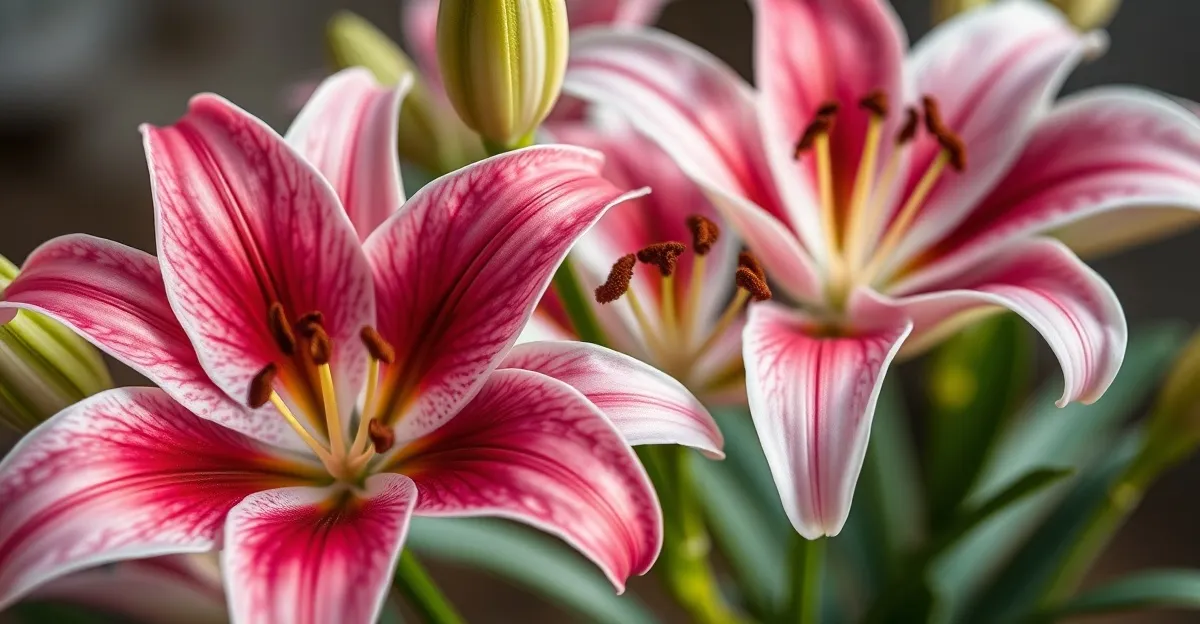
Few flowers have accumulated as much history as the lily. It appears in the frescoes of ancient Crete, in Egyptian tomb paintings, in the poetry of Homer, in the Sermon on the Mount, and in the heraldic symbols of medieval France. It was cultivated in Chinese imperial gardens two thousand years ago and grows today on every inhabited continent. If you follow the lily's story from its origins to a flower market in Canggu, you trace a significant thread through human civilisation.
Ancient Origins: The Fertile Crescent and Mediterranean Basin
The oldest archaeological evidence for lilies as cultivated or valued plants comes from the ancient Near East and Mediterranean. Wild lily species are native to temperate zones across the northern hemisphere — from the Mediterranean coast through Central Asia to China and Japan, and across North America — and early human settlements in these regions would have encountered them as part of the natural landscape.
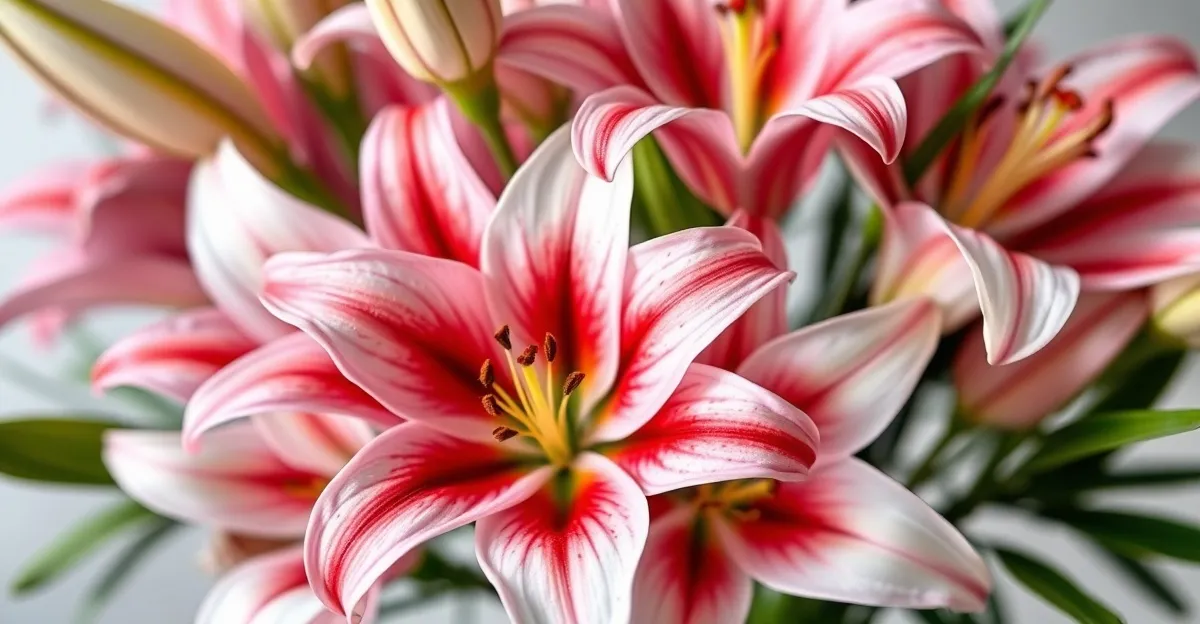
The Minoan civilisation on Crete provides some of the earliest artistic representations of lilies. A fresco from the palace of Akrotiri, dating to around 1550 BCE, shows detailed paintings of red and white lilies that are remarkably accurate — clearly the work of someone who studied the plant closely and considered it beautiful enough to commemorate in permanent form. This is among the first evidence we have that lilies were not merely foraged or incidentally noticed, but genuinely admired and cultivated.
In ancient Egypt, the lily appears in hieroglyphic inscriptions and on tomb paintings. The Egyptians valued both the flower's beauty and its fragrance. Lily oil and lily-derived perfumes were produced in ancient Egyptian workshops, some of which archaeologists have excavated intact, still bearing the faint chemical traces of floral processing.
The Lily in Ancient Greece and Rome
The Greeks called the lily krinon and attributed it to Hera, queen of the gods. According to one mythological account, the Milky Way was formed from the milk of Hera that spilled across the sky when she pulled away from Zeus's son Heracles — and from the drops that fell to earth, lilies grew. This story gives the lily a divine origin and connects it to the idea of abundance and nurture.
The Romans, characteristically pragmatic, valued lilies both aesthetically and medicinally. Pliny the Elder, writing in the first century CE, described lilies as among the most valued garden plants in the Roman world. He noted that lily oil was used for medicinal purposes and that the bulb, when cooked, was believed to have healing properties.
The lily's Latin name, Lilium, passed directly from the Greek krinon through Latin usage and became the basis for the flower's botanical classification, which persists unchanged to this day.
Christian Symbolism and Medieval Europe
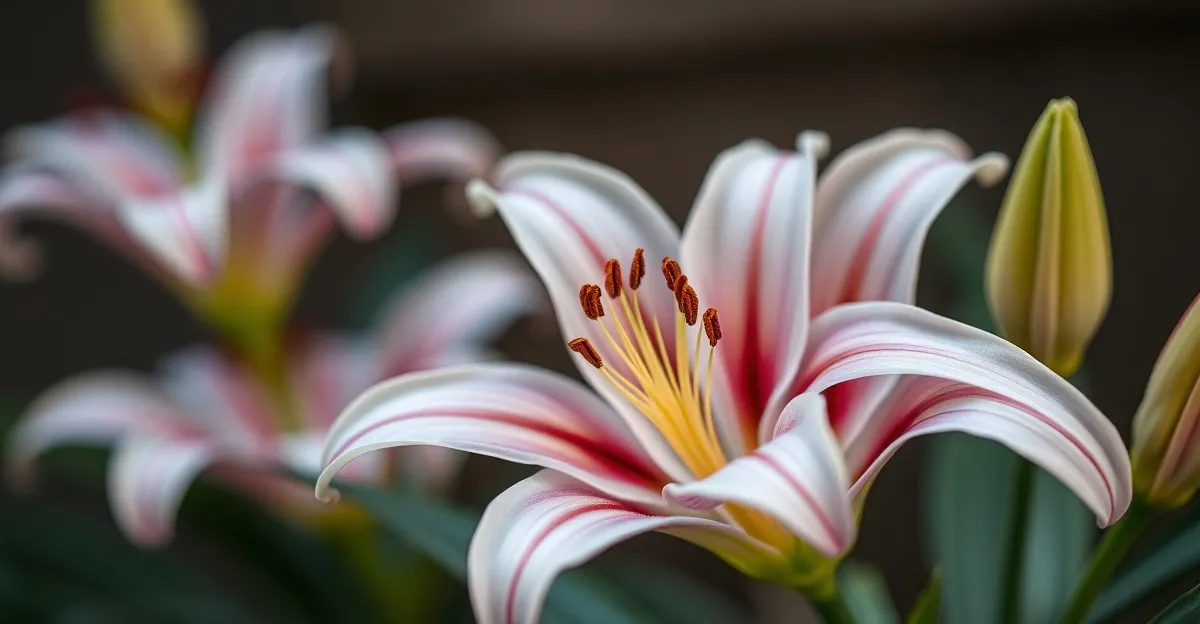
Perhaps no development has shaped the lily's cultural meaning more profoundly than its adoption as a symbol of the Virgin Mary in Christian tradition. The white lily — often specifically identified as the Madonna lily, Lilium candidum — became associated with purity, immaculate conception, and the divine feminine in early Christian iconography.
This association appears in artworks from the early medieval period onward, and the imagery became so pervasive that the Madonna lily was essentially the defining flower of sacred Christian art for centuries. In countless paintings of the Annunciation — the moment when the angel Gabriel tells Mary she will bear the son of God — the archangel carries a stem of white lilies as a symbol of divine purity.
The French royal house took the lily as its emblem, though the famous fleur-de-lis (flower of the lily) is now thought by many scholars to represent an iris or stylised reed rather than a true lily. The debate remains unresolved, but the cultural connection between lily and royalty that the symbol expresses was real and enduring.
Medieval European physic gardens grew lilies alongside roses and other valued medicinal plants. The lily bulb was used in poultices, the flower in perfumery, and preparations from various parts of the plant were recommended for everything from burns to corns to melancholy.
Lilies Across Asia
While European and Mediterranean cultures were developing their lily traditions, the flower was undergoing a parallel journey of cultivation and meaning in Asia.
In China, lilies have been cultivated for at least two thousand years. The lily bulb (baihe in Mandarin, literally "hundred togethers") is a valued ingredient in Chinese cuisine and traditional medicine. It's eaten in soups, stir-fries, and desserts, and is believed to nourish the lungs, calm the mind, and promote sleep. The name baihe carries associations with unity and togetherness, making it an auspicious flower for families and celebrations.
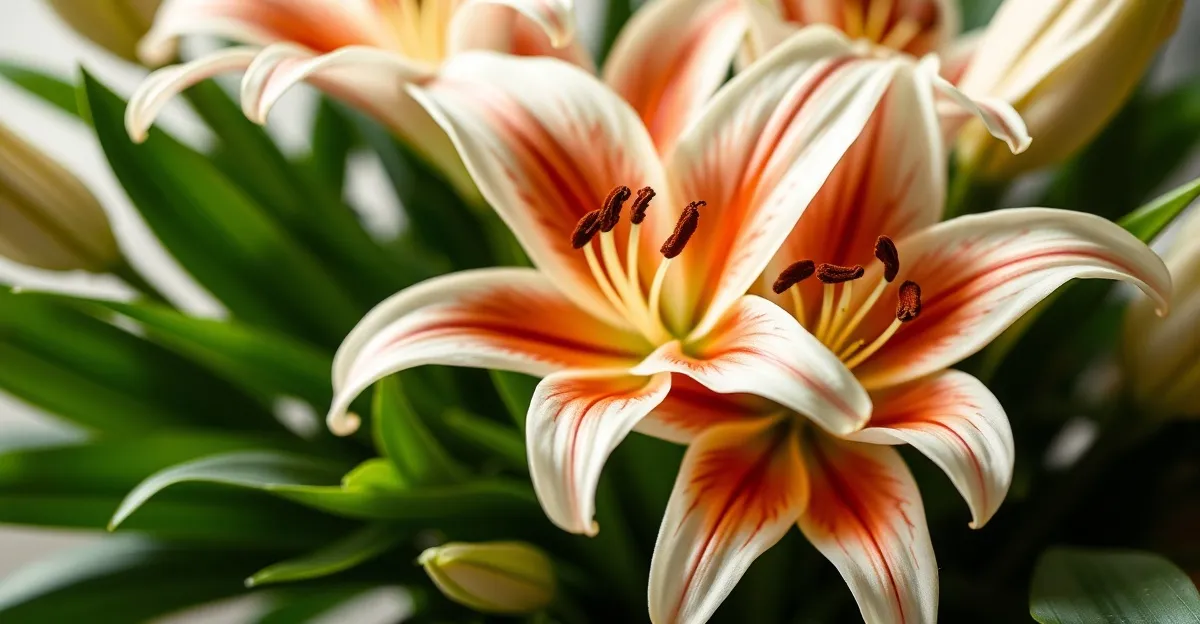
Chinese imperial gardens of the Tang and Song dynasties cultivated remarkable lily specimens, and the flower appears frequently in Chinese poetry, painting, and decorative arts. The tiger lily (Lilium tigrinum) — its spotted orange petals dramatically reflexed — became a particularly iconic form in East Asian art.
Japan developed its own deep tradition with the lily. The yamatoyuri (Japanese lily) appears throughout classical poetry and painting. In Japan, different lily species carry distinct cultural associations — some with beauty and refinement, others with more ambivalent or melancholy associations. The lily's dual nature, capable of representing both joy and sorrow, is perhaps more explicitly acknowledged in Japanese culture than in any other.
The Dutch Revolution: Commercial Lily Cultivation
The transformation of the lily from a garden treasure into a global commercial flower crop happened largely in the Netherlands, where bulb cultivation had been industrialised since the seventeenth century tulip trade.
Dutch growers developed sophisticated techniques for lily hybridisation through the nineteenth and twentieth centuries. They crossed species from different continents to create varieties with larger blooms, longer vase lives, new colour ranges, and greater heat or cold tolerance. The Asiatic hybrids (crosses between various Asian lily species) and Oriental hybrids (derived primarily from Japanese species) that dominate today's commercial market are largely the result of this Dutch breeding program.
By the mid-twentieth century, the Netherlands had established itself as the world's dominant lily producer and exporter. Dutch bulb fields — stretching in ribbons of colour across the flat Hollandse polder landscape every spring — produce billions of cut stems annually, many of which find their way to flower markets and florists around the world, including in Bali.

The team
your florists
weekly subscription · Bali
We write about flowers because we love them. We deliver them because someone should — properly, weekly, across Bali.
— heyflowerPay once for 3, 6, or 12 months, no auto-renewal.
The Lily in Modern Bali
In Bali today, the lily occupies an interesting position. It is not native to the island — no true Lilium species grows wild here. It does not appear in the canang sari or the temple offerings that use frangipani, marigold, and jasmine as their traditional botanical language. But it is present, beautiful, and increasingly loved.
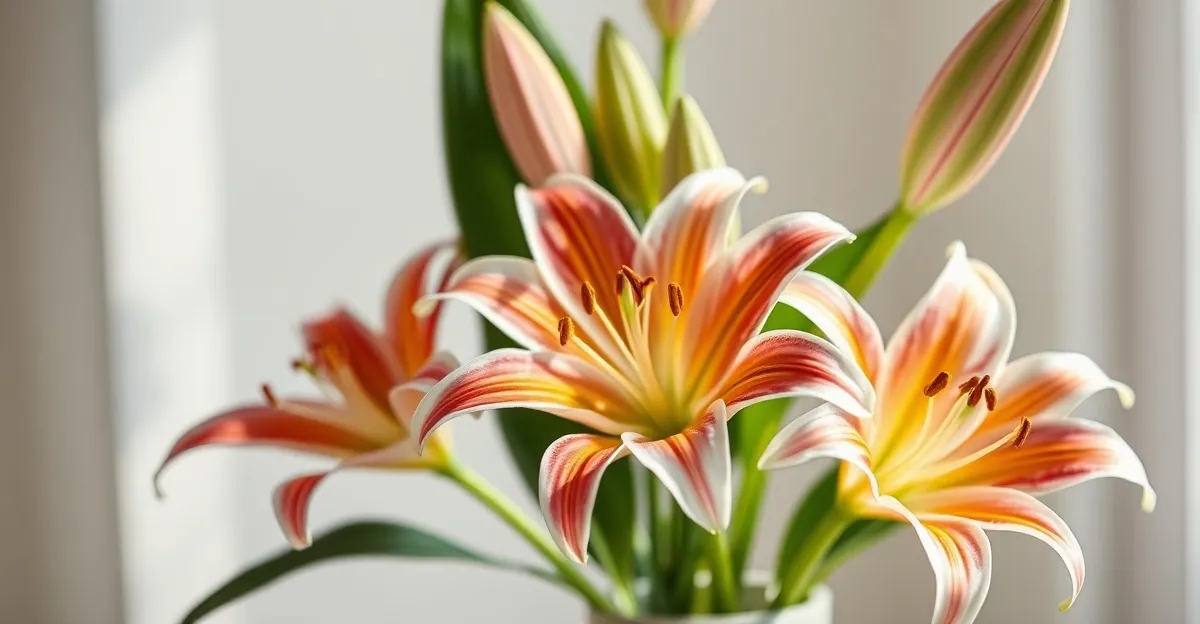
Bali's flower markets in Denpasar and at Ubud receive regular shipments of cut lily stems from Java's highland farms and from Dutch imports. Local florists in Canggu and Seminyak have made lilies a staple of contemporary arrangements designed for the island's villas, hotels, and restaurants. The flower has found a place in Bali's aesthetic that feels entirely natural, even though its journey here spans several thousand years and many thousands of kilometres.
For lily arrangements — whether a simple weekly delivery or something designed for a special occasion — heyflower.co sources from the best available supply and designs with Bali's specific light, climate, and aesthetic in mind. Our Monday deliveries reach Canggu, Berawa, Seminyak, Pererenan, and Kerobokan.
Frequently Asked Questions
Where did lilies originally come from?
True lily species (Lilium genus) are native to the temperate northern hemisphere — across Europe, Asia, and North America. The oldest cultivated specimens appear to have been in the Mediterranean and Near East, with parallel traditions of cultivation in China and Japan developing independently over several thousand years.
What does the lily symbolise historically?
The symbolism has varied across cultures and time periods. In ancient Greece and Rome, it was associated with Hera/Juno and divine abundance. In Christian tradition, the white lily became the primary symbol of the Virgin Mary and purity. In Chinese culture, the lily bulb carries associations with togetherness and family unity. In Japan, lily symbolism is more ambivalent, encompassing both beauty and melancholy.
When was the lily first cultivated as a garden plant?
The Minoan frescoes from around 1550 BCE provide some of the earliest clear evidence of lilies as deliberately cultivated and artistically valued plants. Evidence from ancient Egypt suggests cultivation at a similar period. Chinese cultivation of lilies is documented in texts going back at least two thousand years.
What is the connection between the lily and the fleur-de-lis?
The fleur-de-lis, the stylised flower that became the symbol of French royalty, is traditionally identified as a lily — fleur de lis means "flower of the lily" in French. However, modern scholars debate whether the symbol actually represents an iris, a stylised reed, or a highly conventionalised lily. Regardless of its botanical accuracy, the symbol expressed the cultural connection between lilies and royal dignity that was real in medieval French culture.
Why are Dutch lilies considered premium quality?
The Netherlands has been hybridising and commercially cultivating lily bulbs for several centuries. Dutch breeders have developed varieties with exceptional vase life, large bloom size, consistent colour, and reliable performance — qualities that commercial growers in other countries have not yet matched at scale. Dutch cold-chain logistics and highly developed export infrastructure also ensure that the flowers arrive at their destination in optimal condition.
More on Lily