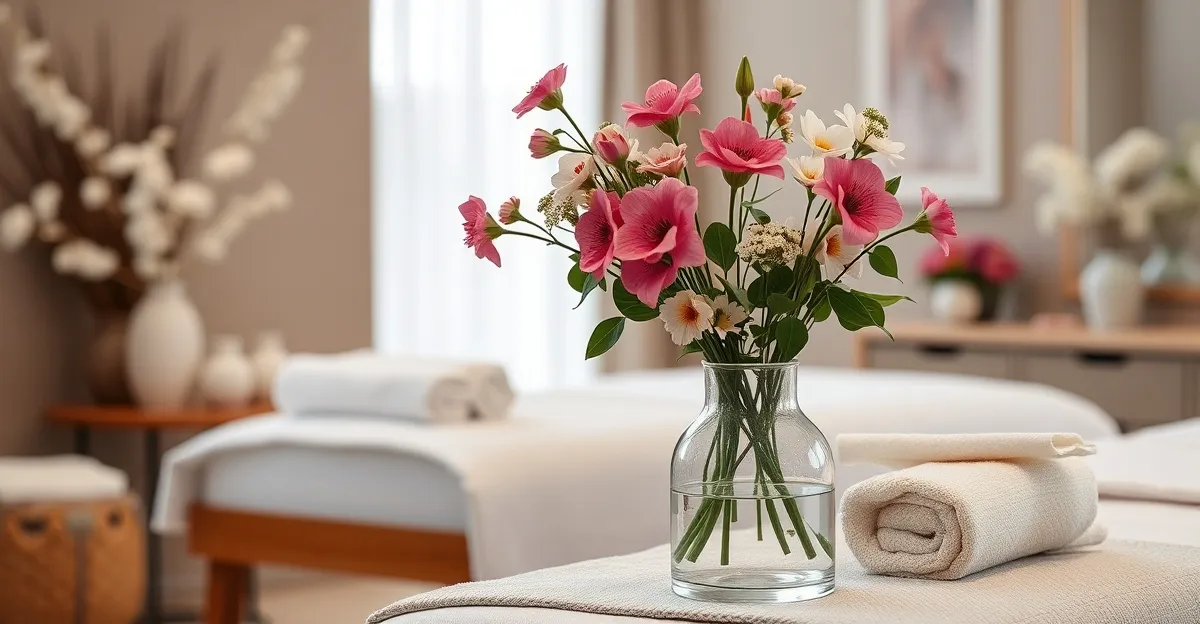
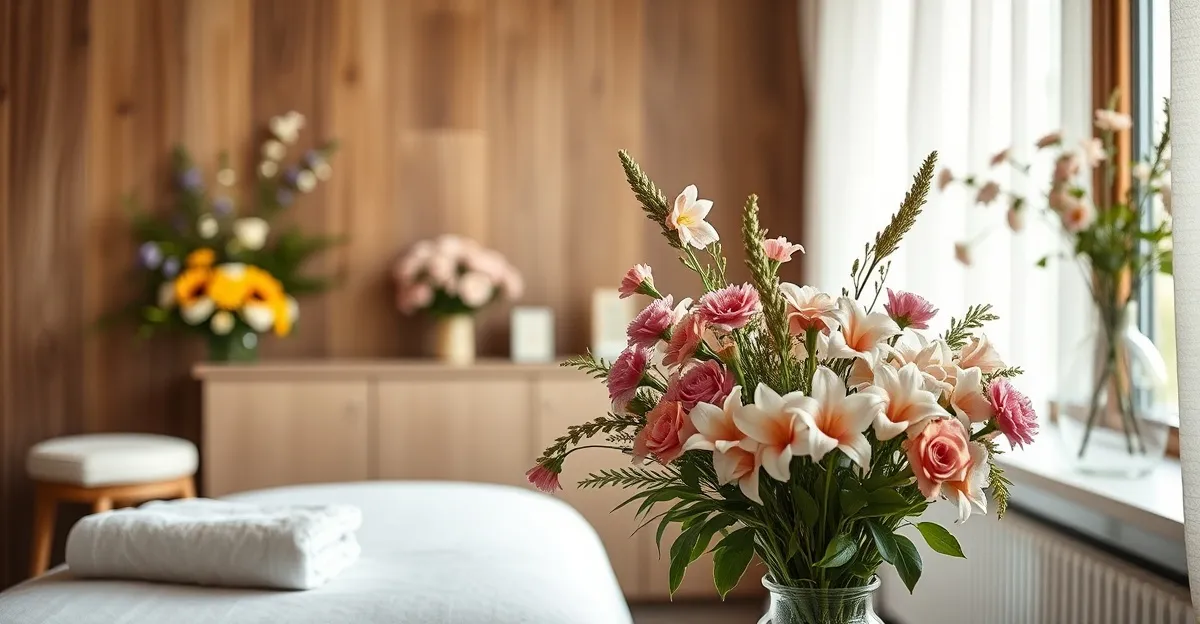
Low-maintenance flower setups for a spa treatment room
Keep your Bali spa treatment room beautifully flowered with minimum effort. Low-maintenance setups that look premium and survive the demands of a busy spa.
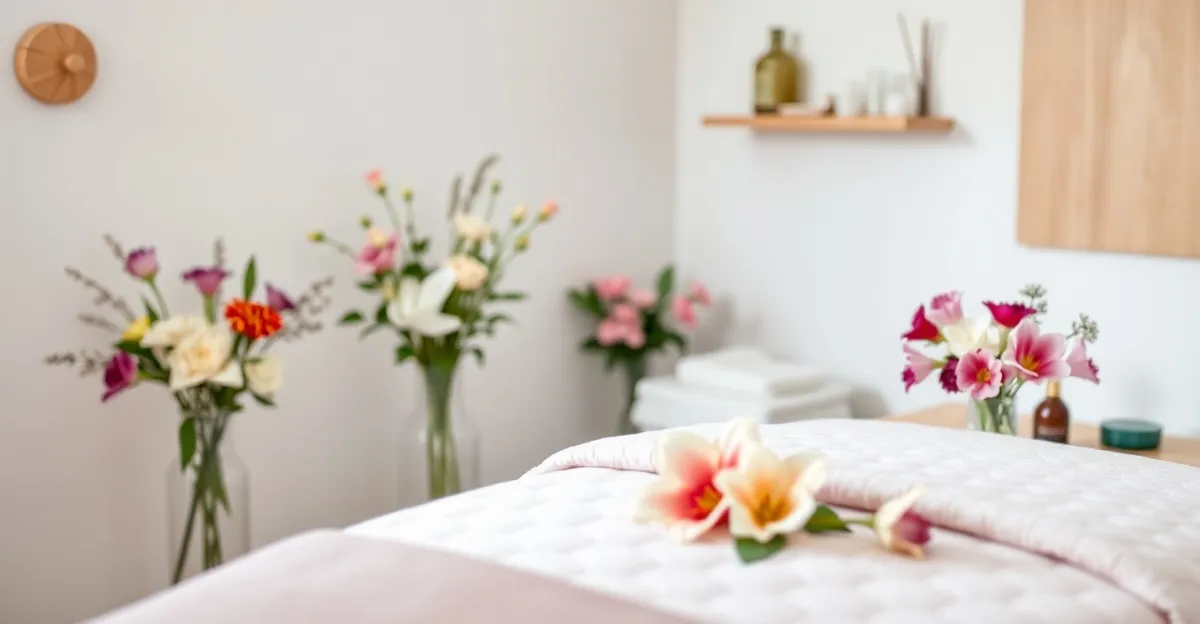
A busy spa treatment room has no time for flowers that need constant attention. Therapists are moving between clients, linens are being changed, rooms are being reset — and the floral arrangement needs to look beautiful through all of it without requiring anyone to stop and tend to it.
The answer is low-maintenance setups: the right varieties, the right formats, and the right placement so that your treatment room flowers are an asset rather than another thing on the maintenance list.
The unique maintenance challenges of a treatment room
Treatment rooms present specific flower care challenges that other spa spaces don't:
Frequent resets: The room is reset between every client. That reset involves fresh towels, fresh products, re-lighting candles. The flowers should survive multiple resets per day without looking disturbed or tired.
Scented treatment products: If your treatments use essential oils, the combination of flower fragrance and treatment fragrance needs to work. The simplest approach: choose no-scent flowers so the treatment oil is the only fragrance in the room.
High humidity during treatments: Steam treatments, warm towels, and body heat create microclimates within the room that are significantly more humid than the general spa environment. This is actually helpful for most cut flowers — high humidity extends vase life.
Hygiene requirements: Flowers that drop petals on surfaces create cleanup requirements. Choose varieties that hold their petals cleanly throughout their vase life. Anthuriums and orchids are excellent; roses drop petals unpredictably and are harder to manage in a treatment room context.
The best low-maintenance flowers for treatment rooms
Anthuriums remain the top choice for spa treatment rooms across all categories — longevity, appearance, scent (none), and petal integrity. They don't drop. They don't wilt dramatically. They maintain their glossy, architectural appearance for two weeks with clean water. A single anthurium in a matte ceramic bud vase requires attention only when you change the water — every two days — and when it's finally time for a full replacement.
Cut orchid sprays (dendrobium) are equally reliable. The individual florets along each spray open over several days, giving the arrangement a sense of freshness over an extended period. The spray as a whole lasts 14–21 days. No scent, no petal drop, no fuss.
Tropical foliage: The ultimate low-maintenance option. Monstera cuts, heliconia leaves, alocasia, or large palm fronds in a vessel of clean water last 2–3 weeks and require nothing beyond water top-ups. For treatment rooms where a flower may feel too precious or too visually busy, a clean arrangement of tropical leaves is surprisingly beautiful — textured, deeply Balinese, and completely unfussy.
Potted orchid plants: If you're prepared to make the vessel part of the room's permanent design, a potted phalaenopsis orchid eliminates the cut flower maintenance cycle entirely. Water with a tablespoon every 10 days. Blooms for months. The only requirement is that the pot looks beautiful — invest in a handmade ceramic from one of Ubud's studios.
Floating frangipani: The treatment room staple that requires near-zero effort because the flowers are so simple. A shallow stone or ceramic bowl of clean water with three or four frangipani blooms floating in it takes thirty seconds to prepare for each client. The blooms can be collected from frangipani trees on the spa grounds — most Bali spa properties have at least one — at zero cost. The effect is entirely authentic to the Bali spa experience.
For a spa operation that wants consistent quality flowers without sourcing effort, a subscription delivery can solve the whole problem — how to write a note that comes with each subscription delivery covers how to make the subscription relationship work for a commercial setting.
Setup formats that minimize ongoing effort
The weekly arrangement + daily floating: This is the most practical two-layer approach. Set a fixed arrangement (anthuriums or orchid spray in a ceramic vase) at the start of the week. Add a floating frangipani bowl for each client's arrival. The fixed arrangement carries through the week; the floating bowl is refreshed each time the room is reset.
The foliage base with flower accents: Build the permanent display from tropical foliage (lasts 2–3 weeks), then add fresh flower accents — two or three anthurium stems — weekly. When the anthuriums are done, replace just those stems. The foliage continues to carry the display between flower changes.
The potted plant standard: Replace the cut flower cycle entirely with a beautiful potted orchid or anthurium. The plant is the permanent room feature. The only variables are when you water it (every 10 days) and when it eventually finishes blooming (months later). For high-volume treatment rooms where the cut flower refresh cycle is genuinely burdensome, this is the right answer.
Placement that minimizes disruption
In a treatment room, flower placement should be:
- Outside the therapist's working zone: Both sides of the table, the foot of the table, the shelf where products sit. All of these need to be clear.
- Visible but not central: The arrangement should be noticed at entry and available to the eye during the treatment, not in the center of attention.
- Stable: In a position where it won't be brushed or knocked during active treatments.
The best positions are typically: a shelf or ledge near the room entrance, a corner surface at the head of the treatment table (not on the table), or a floor-level position in a corner where the therapist doesn't need to move.

The team
your florists
weekly subscription · Bali
We write about flowers because we love them. We deliver them because someone should — properly, weekly, across Bali.
— heyflowerPay once for 3, 6, or 12 months, no auto-renewal.
Water management for treatment room longevity
Even the most low-maintenance flower setup requires water management. In a treatment room with strict hygiene standards, clean vase water matters from both a flower longevity and a cleanliness perspective.
Change vase water every two days. Add a piece of natural charcoal (available at any Bali pasar) to suppress bacterial growth. For ceramic or stone vessels, rinse thoroughly at each change and allow to dry before refilling.
For floating frangipani bowls: change the water and the blooms for each client. The water should be completely clean — not recycled from the previous session.
Lotus in Balinese Hinduism: meaning and ritual use provides context that's directly relevant if your spa incorporates Balinese spiritual traditions — using the lotus intentionally, with understanding of its significance, adds a layer of meaning that culturally informed guests will appreciate.
Budget and sourcing practicalities
A single treatment room can be maintained beautifully for Rp 100,000–200,000 per week in fresh flowers if you're using local varieties efficiently. Anthuriums from local growers are affordable when sourced directly rather than through tourist-facing florists. Orchid sprays are slightly more expensive but justify the cost through longevity. Frangipani from the garden costs nothing.
For spas with multiple treatment rooms, coordinated sourcing matters. Ordering weekly from a single reliable local supplier — or through a flower subscription service — means consistent quality and pricing without having to send staff to the market each week.
FAQ
What's the easiest flower to maintain in a spa treatment room? A potted phalaenopsis orchid — zero cut flower maintenance, zero vase water changes, blooms for months. For cut flowers, anthuriums are the easiest: no scent, no petal drop, 14–21 day vase life.
How do I keep treatment room flowers looking fresh through multiple client sessions? Choose varieties with good petal integrity (anthuriums, orchids, foliage). A quick check between clients — remove any fallen petals, straighten any leaning stems — takes 30 seconds and maintains the appearance of freshness.
Can floating frangipani petals be used in every treatment room? Yes, and it's one of the most authentic Bali spa touches available. Collect fresh frangipani from the garden daily and place in a shallow bowl of clean water for each client.
How often should cut flower arrangements in treatment rooms be fully replaced? With anthuriums or orchid sprays: every two weeks. With shorter-lived flowers: every week. Foliage arrangements: every two to three weeks.
What should I do when treatment room flowers start looking tired mid-week? Remove individual tired stems while keeping fresher ones. A smaller arrangement that's all fresh-looking is better than a fuller arrangement with some past-their-best stems. If the whole arrangement needs replacing mid-week, it's a sign to switch to longer-lasting varieties.
Ready to bring fresh flowers to your Bali home or event? Explore our weekly flower subscription and get handpicked blooms delivered to your door every week.
More on spa treatment room