Picking the right vase for your spa treatment room
The right vessel transforms spa flowers from a detail into an experience. A guide to choosing vases that match Bali spa aesthetics and treatment room needs.
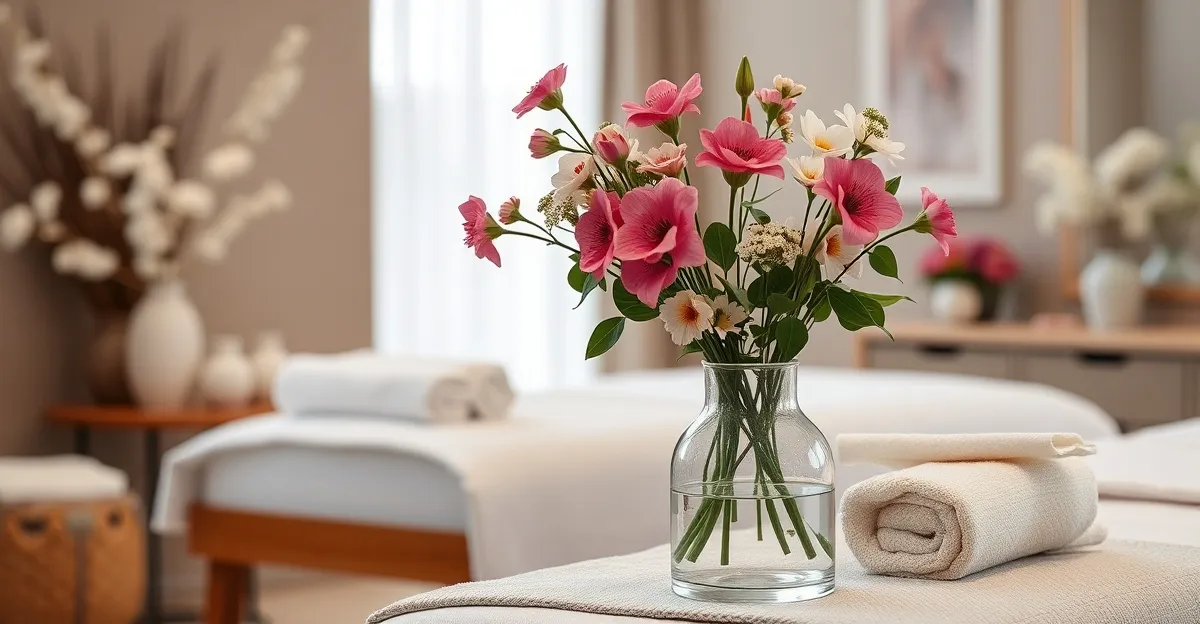
In a spa treatment room, every object is part of the guest experience. The vase holding your flowers is not just a container — it contributes to the visual texture of the room and communicates something about the quality and intentionality of the space. A beautiful orchid in a mass-produced plastic vase and the same orchid in a handmade Balinese ceramic are entirely different experiences for the guest.
Getting the vessel right for a treatment room is about understanding the aesthetics of the space, the practical constraints of the environment, and what materials and forms actually read as luxurious rather than just expensive.
What makes a good spa treatment room vase
The requirements for a treatment room vase are specific:
Not too large: Treatment rooms are carefully arranged to maximize the therapist's movement around the table. A large floor vase in the wrong position creates an obstacle; a small arrangement in the right spot adds to the atmosphere without creating problems.
Stable and spill-proof: A vase that can be knocked over when a therapist moves quickly between sides of the table, or when a sheet is being adjusted, is a problem. Low center of gravity and a good footprint matter.
Aesthetically considered: The vase is part of the room's sensory story. It should match the overall design language — natural materials for traditional or eco-spa aesthetics, clean geometry for modern spa interiors.
Easy to clean: Treatment rooms require strict hygiene standards. A vase with a narrow neck or complex surface texture that's hard to scrub clean is a maintenance headache. Simple forms that can be thoroughly rinsed between flower changes are strongly preferred.
The material palette for Bali spa vessels
Matte ceramic is the gold standard for spa treatment room vessels in Bali. The non-reflective surface, the quality of the material, and the connection to local craft tradition all align with what guests expect from a premium Bali spa. Matte whites, charcoals, and warm greys are the most versatile finishes. Earthy terracotta glazes work particularly well in traditional Balinese spa aesthetics.
Bali's ceramics studios — particularly those along Jalan Raya Mas in Ubud — produce treatment-room-appropriate pieces that look nothing like mass-market alternatives. A handmade matte ceramic bud vase or cylinder from a local studio will cost Rp 80,000–200,000 and feel entirely appropriate in a high-end treatment room.
Carved stone vessels: Small stone dishes or basins work beautifully for floating flower arrangements — the spa staple of frangipani or lotus petals floating in clean water. The weight of stone means absolute stability, and the material connects to Bali's stone carving heritage in a way that reads as authentic rather than decorative.
Bamboo tubes: A single bamboo cylinder of appropriate diameter, sealed at the bottom, holds a single stem or small cluster with beautiful simplicity. The texture of bamboo fits the organic, natural-materials aesthetic of eco-conscious spas in Ubud and the rice field areas. The limitation is longevity — bamboo can develop mold and degrade if not dried thoroughly between uses. Use a waterproof insert inside the bamboo tube for extended life.
Recycled glass and natural vessels: For eco-spas with strong sustainability messaging (a growing market in Ubud and Pererenan), locally sourced materials — a piece of driftwood with a carved hollow, a coconut shell sealed and used as a bowl — communicate values alignment. These require creative sourcing but are often more memorable than commercially available vessels.
Size and proportion in a treatment room
Treatment rooms vary enormously in size — from compact single-table rooms in Seminyak's boutique operations to large suite-style spaces in Nusa Dua's five-star resorts. The vessel size should scale accordingly.
In a small treatment room, a bud vase or a vessel no larger than 15cm in any dimension is appropriate. One flower in the right vessel is enough. Don't fill the room with multiple arrangements — the space needs to feel calm and uncluttered.
In a larger treatment room or suite, a more generous arrangement is possible. A floor-level stone basin or a substantial ceramic vase on a wooden stand can create a focal point that defines the atmosphere of the room from the door.
The placement rule: Flowers in a treatment room should be visible when the guest enters and when they're lying face-up on the table. The therapist's working zone (both sides of the table, the foot of the table, the shelf where products are stored) should be completely free of floral arrangements.
Matching vessel style to spa aesthetic
Traditional Balinese spa (carved stone, dark wood, thatched roofing, semi-outdoor spaces): Natural materials. Terracotta, stone, bamboo, coconut. The vessel should look like it emerged from the same landscape as the architecture. Carved stone dishes for floating petals, terracotta pots for tropical foliage, bamboo tubes for individual stems.
Modern luxury spa (clean lines, white marble or polished concrete, controlled lighting, contemporary Indonesian design): Matte white or charcoal ceramics with geometric forms. A perfectly cylindrical matte white vase with a single white orchid spray is completely aligned with this aesthetic. Nothing rustic or handcrafted-looking — every element should communicate precision.
Eco/wellness spa (natural materials, organic forms, sustainable sourcing emphasis, often in Ubud or the highlands): Recycled glass, bamboo, repurposed vessels. The ethos of the vessel should match the ethos of the spa. Guests at this type of spa notice and appreciate authentic sustainability choices.
Holistic/healing spa (more influenced by Hindu ritual, healing traditions, ceremony): The vessel can incorporate spiritual references — a brass or copper bowl (common in Ayurvedic traditions), a carved stone basin with ritual significance, a dish that references the canang sari offering culture. These choices create depth of meaning for guests who are attuned to them.
For spa properties with high traffic or multiple treatment rooms, coordinated vessels across rooms communicate professionalism. Buying a set of matching bud vases — even from Ubud's ceramic studios — is preferable to each room having a different random vessel.
How to choose a florist in Bali is useful if you're sourcing both the arrangements and the vessels from the same supplier — some Bali florists offer styling consultation and vessel sourcing alongside flower delivery.

The team
your florists
weekly subscription · Bali
We write about flowers because we love them. We deliver them because someone should — properly, weekly, across Bali.
— heyflowerPay once for 3, 6, or 12 months, no auto-renewal.
Vessel care and hygiene
Treatment rooms require rigorous cleanliness, and the vase is no exception. Empty, rinse, and dry vases thoroughly at each flower change. Ceramic and glass vases can be washed with mild soap; stone vessels should be rinsed and dried carefully to prevent bacterial buildup in porous surfaces.
For stone and terracotta vessels used for floating blooms: change the water daily, rinse the vessel, and allow to dry before refilling. The moisture retention in porous materials can encourage mold, particularly in Bali's humid conditions, so drying between uses is important.
Replace vases that develop cracks, persistent staining, or surface damage — these can harbor bacteria and are difficult to clean to treatment room standards. The cost of a new ceramic bud vase from a local studio is minimal compared to the impression made by a clean, beautiful vessel.
FAQ
What material vase is best for a Bali spa treatment room? Matte ceramic is the most appropriate for most Bali spa aesthetics — it reads as high quality, connects to local craft tradition, and works with both traditional and modern spa interiors. Stone dishes are ideal for floating flower displays.
How big should a treatment room vase be? Keep it small. A bud vase or vessel under 15cm in any direction is appropriate for most treatment rooms. Scale up only in larger suite-style rooms where a floor arrangement is part of the room's design.
Where can I buy appropriate spa vases in Bali? Ubud's ceramics studios along Jalan Raya Mas have the best selection of handmade pieces at accessible prices. The craft markets at Sukawati also have carved stone dishes and bamboo vessels suitable for spa use.
Should all treatment rooms have matching vases? Yes, if the spa has multiple rooms. Matching vessels communicate coordination and professional attention to detail. Mix within a consistent palette rather than having completely unrelated vessels in each room.
How often should treatment room vases be cleaned? Rinse with fresh water at every flower change (ideally every 2–3 days for cut flowers). Full wash with mild soap weekly. For stone and ceramic vessels used for floating blooms, clean daily.
Ready to bring fresh flowers to your Bali home or event? Explore our weekly flower subscription and get handpicked blooms delivered to your door every week.
More on spa treatment room