Low-maintenance flower setups for a retail storefront
Keep your Bali retail storefront looking beautiful with minimal daily effort. Low-maintenance flower setups that survive outdoor conditions and stay photogenic all week.
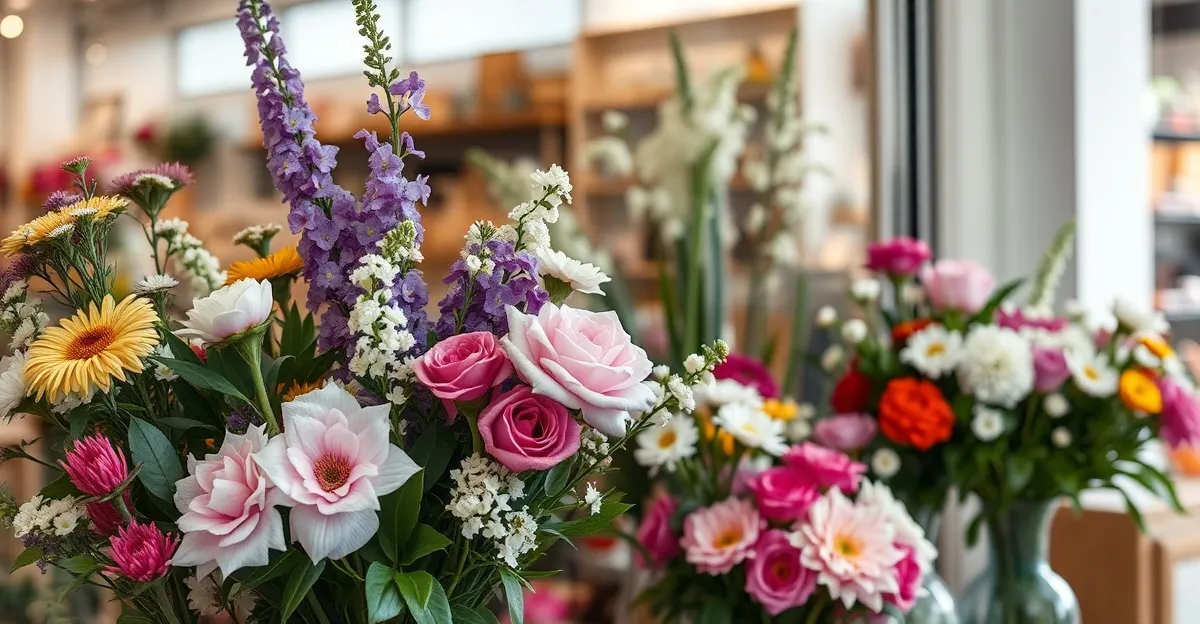
A retail shop in Bali can't afford to have a tired-looking storefront. The competition for foot traffic on Seminyak's Jalan Kayu Aya, along the Ubud galleries strip, or in Canggu's beach road shopping area is real, and visual appeal at the storefront is part of how customers decide which door to walk through. But shop staff are managing customers, inventory, and operations — nobody has time to be a dedicated florist.
The solution is a low-maintenance setup that looks effortlessly beautiful all week: the right varieties, the right vessels, the right placement, and simple weekly habits.
Outdoor storefront conditions and what they demand
Bali's retail storefronts face conditions that indoor spaces don't. The combination of:
- High humidity (coastal areas like Seminyak and Kuta are particularly humid)
- Intense UV exposure (especially in west-facing storefronts during afternoon hours)
- Occasional rain (wet season November–March)
- Salt-laden air (within a few hundred metres of the beach)
- Ambient dust (along major roads like the Seminyak strip and the Denpasar bypass)
...means that delicate flowers — roses, sweet peas, lisianthus — are not practical for most Bali retail storefronts. You need varieties that are structurally robust and climatically adapted.
The good news: Bali's tropical flora contains exactly these varieties in abundance, and they're locally produced, fresh, and affordable.
The most low-maintenance flower varieties for retail storefronts
Tropical foliage: The single most low-maintenance storefront option. Large tropical leaves — monstera, heliconia, alocasia, bird of paradise foliage — in a statement vessel handle outdoor conditions, salt air, high UV, and heavy rain better than any cut flower. They last 2–3 weeks, require only water top-ups, and look completely at home in Bali's landscape. A large ceramic or stone vessel filled with tropical foliage at your storefront entrance requires about five minutes of attention per week.
Heliconias: The outdoor flower that behaves like foliage. The waxy heliconia bracts don't wilt like petals — they maintain structural integrity through conditions that would devastate conventional flowers. Red and orange heliconias are graphic and eye-catching from across the street. They last 10–14 days in a vessel without drama.
Potted orchids: A cluster of potted phalaenopsis orchids in matching white or terracotta ceramic pots requires watering once every 10 days. If your storefront has shade or filtered light (common under a shopfront awning), orchids grow contentedly and bloom for months. This is the lowest-maintenance option that still reads as actively beautiful rather than merely green.
Anthuriums in quantity: Individually elegant; in a large bunch, architecturally bold. Ten to fifteen anthurium stems in a large vessel creates a storefront display that lasts two to three weeks with twice-weekly water changes. The glossy surface catches light well and photographs beautifully.
Dried tropical materials: For a storefront that's not always staffed (some boutiques in Bali operate on relaxed hours), dried pampas grass, dried palm fronds, dried heliconias, and preserved tropical leaves require zero water maintenance. Dust occasionally. Replace when they fade significantly, which in low-UV-exposure positions can be months to a year. The limitation is that outdoor UV exposure accelerates color fading in dried materials — position under an awning or overhang if this is your approach.
For retail businesses considering flowers as part of a broader hospitality or gifting program — launch events, VIP customer gifts, seasonal displays — opening-day flower gifts for a new beach club covers high-impact floral event approaches that apply to retail launches and special occasions.
Simple setup formats that don't require daily attention
The weekly-change tropical arrangement: A single large vessel filled with tropical foliage and heliconia. Full water change on Monday. Quick water top-up on Thursday. Full replacement in 10–14 days. Fifteen minutes total maintenance per week for a storefront that looks consistently beautiful.
The potted cluster display: Four to six potted orchids or anthuriums in matching ceramic pots arranged at the entrance. Water all on the same day every 10 days. Replace individual plants when they finish blooming (or move to an interior location to recover and rebloom). New plants sourced from local nurseries at accessible prices (Rp 80,000–150,000 per orchid plant from Bali nurseries).
The permanent foliage installation: A vessel with large tropical leaves that functions as a semi-permanent display — replace individual leaves as they fade over the course of weeks, rather than replacing the whole arrangement at once. With a mix of monstera, heliconia leaves, and alocasia, individual stems last at different intervals, so you're always removing just the tired one while the rest of the arrangement continues.
The dried botanical display: A statement vessel of dried pampas grass or mixed dried tropicals under a sheltered awning. No water. No stem replacement. Occasional dusting. Functional for months. Best for storefronts where maintenance time is very limited or operating hours are irregular.
One habit that makes the biggest difference
Of all the maintenance activities for a retail storefront flower setup, one makes more difference than everything else: removing tired elements immediately.
A large arrangement that's 90% beautiful with one visibly wilted or yellowed stem looks 90% worse than the same arrangement with that stem removed. The wilted element draws the eye in the same way a flaw in a display draws attention before the rest of the display registers.
Train whoever opens the shop in the morning to do a 30-second check of the storefront flowers before the door opens. Remove anything that's clearly past its best. The remaining arrangement will look fresh for longer.

The team
your florists
weekly subscription · Bali
We write about flowers because we love them. We deliver them because someone should — properly, weekly, across Bali.
— heyflowerPay once for 3, 6, or 12 months, no auto-renewal.
Seasonal adaptation
Bali's seasonal market availability affects what's practical for a retail storefront at different times of year.
During the wet season (November–March): Tropical varieties are at their most abundant and affordable. Focus on heliconias, gingers, anthuriums, and foliage — all of which thrive in the wetter, more humid conditions. Avoid anything with delicate petals that rain can batter.
During the dry season (April–October): Imported flowers are more available. If your brand aesthetic suits roses or lisianthus, the dry season is when these are most practical for outdoor display in sheltered positions. Maintain tropical foliage as the base, adding imported accents.
During Galungan season: Bali's markets are full of unusual and beautiful offerings. Use the abundance to create a more elaborate or culturally resonant storefront display.
What red flowers symbolise and when to send them is useful context for understanding how color choices in your storefront flowers communicate to both local Balinese customers and international visitors — a meaningful consideration for Bali retailers serving both communities.
FAQ
What's the single most low-maintenance flower for a Bali retail storefront? Tropical foliage (monstera, heliconia leaves, alocasia) lasts 2–3 weeks with only water top-ups and handles outdoor conditions better than any cut flower. For flowers specifically, anthuriums and heliconias are the most robust outdoor choices.
How often should a retail storefront flower arrangement be completely replaced? With tropical foliage and heliconias: every 10–14 days. With potted orchids: every few months (after blooming finishes). With dried arrangements: every 3–6 months depending on UV exposure.
Can I leave storefront flowers out overnight in Bali? Yes, but position them under an overhang or awning if possible to protect from heavy rain. Most tropical varieties handle overnight humidity and temperature changes fine. Move inside if you're expecting an extreme weather event.
What do I do with storefront flowers during Nyepi? Consider bringing arrangements inside or creating a respectful simplified display appropriate to the day of silence. Many Bali businesses make a point of acknowledging Nyepi in how they present their storefront, and this includes floral display choices.
Is a flower subscription service practical for maintaining a retail storefront? Yes — a weekly delivery of fresh tropical flowers and foliage removes the sourcing burden completely. The subscription delivery arrives on a set day, the old arrangement is cleared, and the new one is set up fresh. It's the most consistent approach for a busy retail operation.
Ready to bring fresh flowers to your Bali home or event? Explore our weekly flower subscription and get handpicked blooms delivered to your door every week.
More on retail storefront