Picking the right vase for your retail storefront
A bold, well-chosen vessel makes your retail storefront flowers impossible to ignore. A guide to selecting display vessels that match your Bali brand identity.
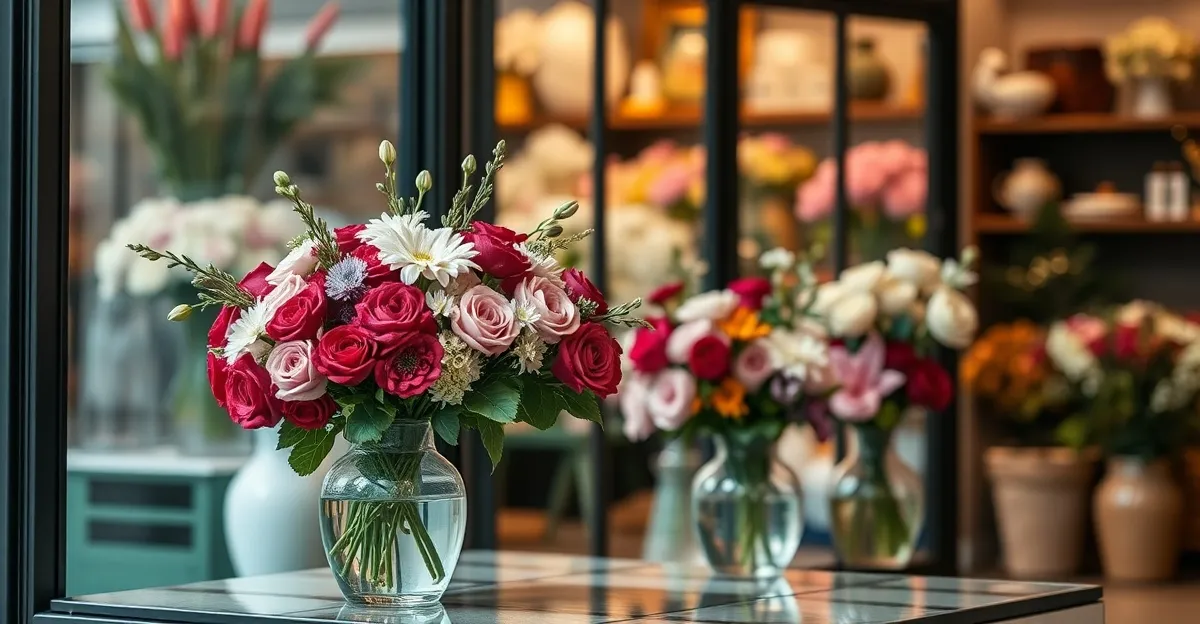
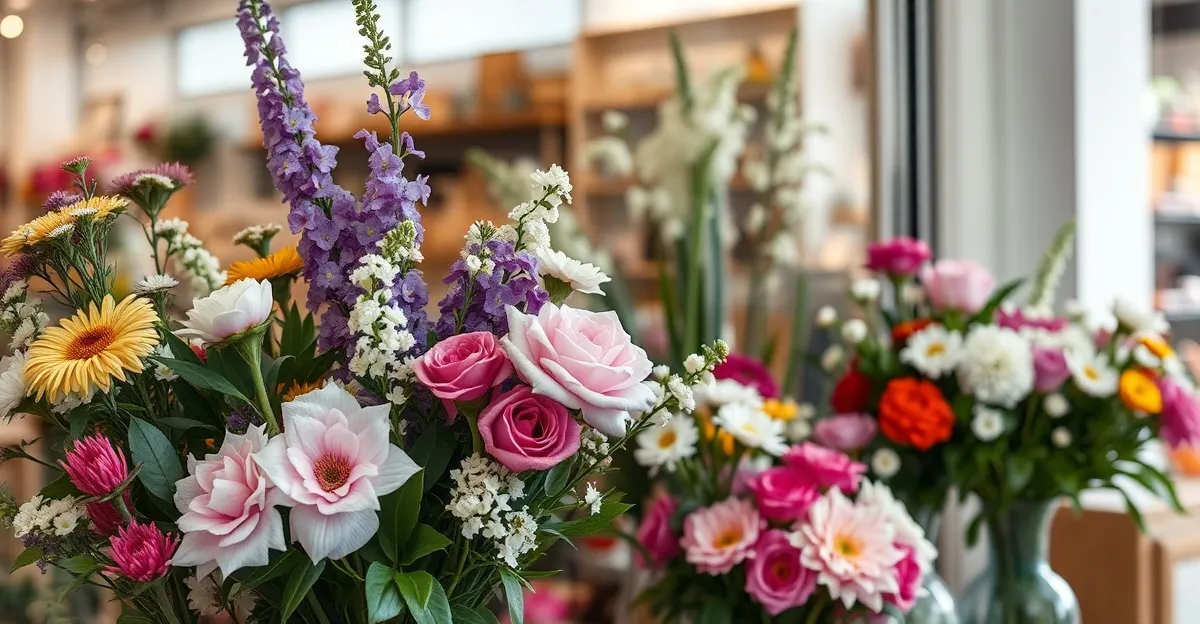
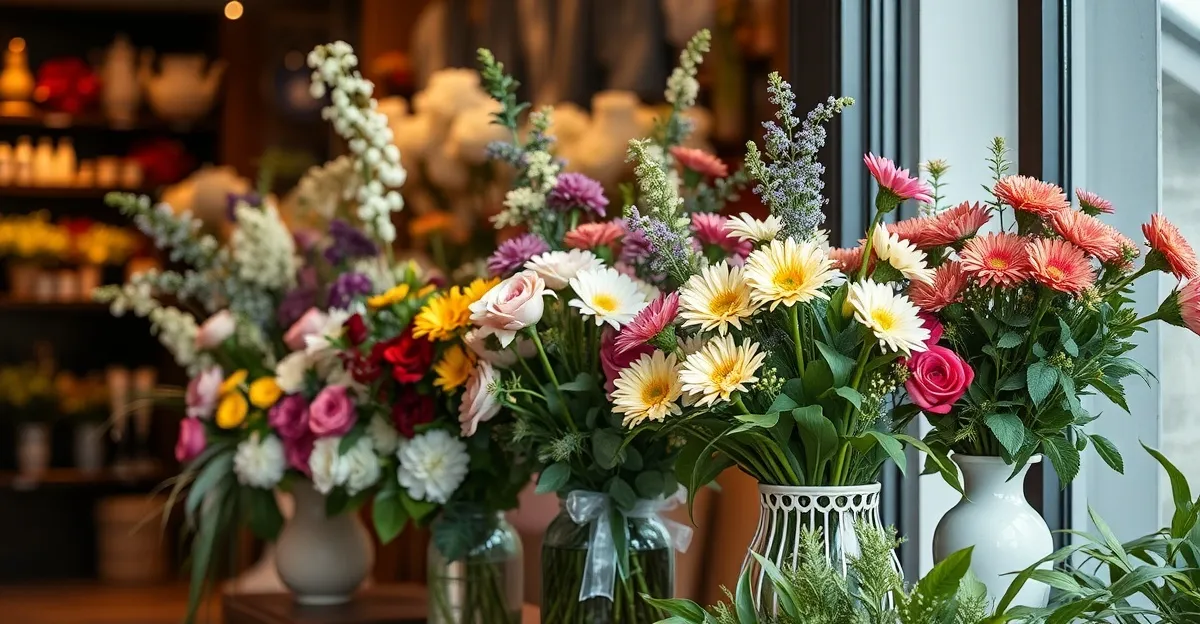
At a retail storefront, the vessel holding your flowers is a brand statement. Unlike a desk vase or a dining table arrangement where the vessel can afford to be quiet and neutral, a storefront vessel is competing with the entire visual environment of the street. It needs scale, character, and a clear connection to the identity of the business it's representing.
In Bali, where craft traditions in ceramic, stone, bamboo, and rattan are among the most developed in Southeast Asia, the options for storefront vessels are rich and largely local. The best storefront vase for a Bali retail business is very often made a few kilometers away.
Scale: go bigger than you think
The most common mistake in retail storefront vessel selection is choosing something too small. A vessel that looks generous in a shop interior looks diminished when placed in the context of a street, where it's competing with signage, passing traffic, and neighboring storefronts.
General sizing guidance for retail storefront vessels:
- Floor standing (beside or near the entrance): 50–80cm tall at minimum. The arrangement should reach 100–120cm total height including flowers.
- Display table or ledge: A vessel 25–35cm tall with the arrangement reaching 50–60cm total height.
- Window display (viewed from outside): The vessel needs to be large enough to be clearly visible through the glass from the street — at least 20–25cm tall with a generous arrangement.
Going too small is the most frequent storefront vessel mistake. If you're uncertain, choose the next size up.
Material choices for outdoor and semi-outdoor positions
Most Bali retail storefronts are semi-outdoor — sheltered from rain by an overhang but open to ambient air and humidity. The vessel material needs to handle these conditions.
Stone and concrete: The most durable outdoor option. Carved stone vessels from Bali's stone craft tradition — particularly pieces from the Batubulan stone carving area east of Denpasar — handle outdoor conditions indefinitely. A carved stone urn or a poured concrete vessel weathers beautifully in Bali's climate, developing a patina that looks more interesting over time rather than degrading. The weight (significant) is also an advantage for stability against wind and foot traffic.
Glazed ceramic: Glazed ceramic handles outdoor conditions well — the glaze protects the clay body from moisture penetration and makes it easy to clean. Large glazed ceramic floor urns are available from Bali's ceramics producers in a wide range of colors and finishes. Matte black, rich terracotta, and earthy glazes all translate well to the outdoor storefront context.
Terracotta (unglazed): Raw terracotta weathers naturally and looks beautiful, but it's porous — moisture penetrates the walls, encouraging mold and algae over time in Bali's humidity. For outdoor storefronts, treat raw terracotta with a sealant or line with a waterproof inner container. Replace raw terracotta vessels when they develop persistent mold or surface deterioration.
Bamboo: For brands with a strong sustainability identity, large bamboo vessels are visually striking and appropriately local. They require waterproof liners (the bamboo itself can't hold water) and need to be protected from direct, sustained rain, which will degrade untreated bamboo over time. With proper care, a bamboo vessel lasts 1–2 years at a storefront.
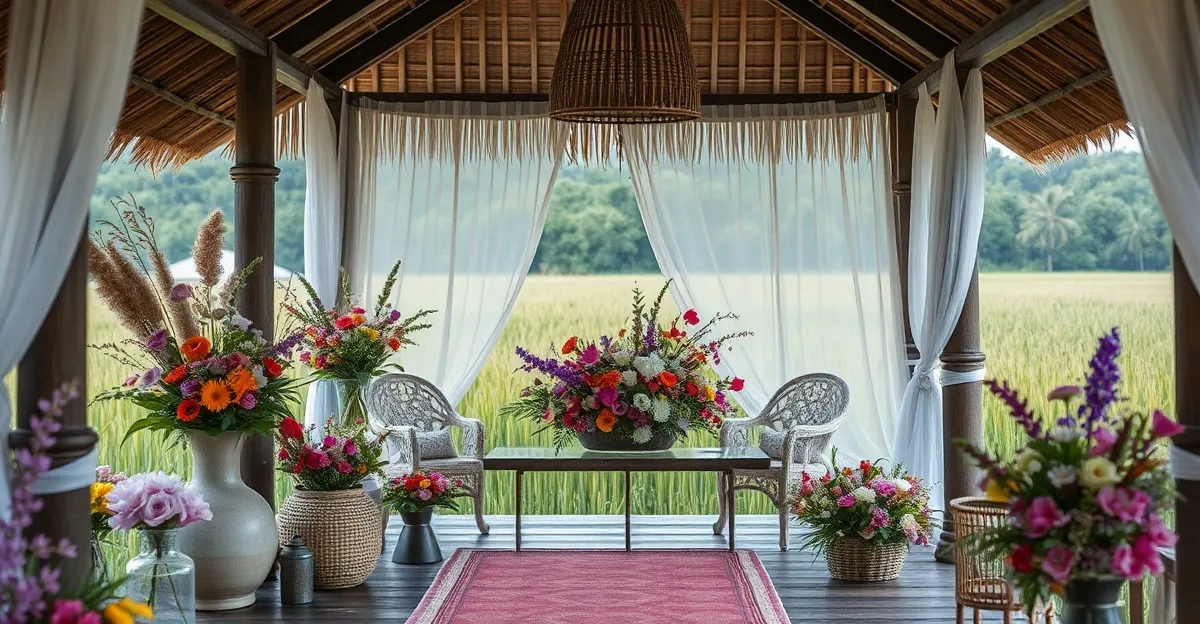
Rattan: Similar to bamboo — visually excellent, requires liner, needs protection from sustained rain. The rattan craft tradition in Bali (particularly from Bona village in Gianyar) produces statement basket-style vessels that look remarkable at a retail entrance.
Matching vessel to brand identity
High-end fashion or lifestyle boutique (Seminyak's upscale strip, Jalan Kayu Aya): The vessel should communicate quality through material and finish. A large, high-quality glazed ceramic in a dark, sophisticated color (charcoal, deep indigo, matte black) or a carved stone urn. Nothing rustic or casual.
Artisanal/handcraft store: Handmade ceramic, rattan, bamboo. The vessel should reinforce the brand's craft credentials. A hand-thrown ceramic pot from an Ubud studio communicates the same values as the handmade goods inside the store.
Organic/wellness/botanical store: Natural materials — stone, terracotta, natural bamboo. Clean, simple forms. A large terracotta pot filled with herbs, tropical foliage, and flowers blurs the line between plant and arrangement and suits this brand type perfectly.
Resort wear/surf lifestyle brand (Kuta, Canggu beachfront strips): Casual materials — rattan, weathered wood, recycled materials. A repurposed wooden crate with a waterproof insert, filled with tropical wildflowers, looks exactly right for this aesthetic without feeling try-hard.
Traditional Bali craft/souvenir store: Large traditional Balinese-style vessels — earthenware with carved or painted surfaces, bamboo baskets, woven palm containers — connect the storefront to the island heritage that the products inside represent.
Seasonal and event considerations
A storefront vessel is a long-term investment — the right piece can define the entrance for years. But the flowers in it can change seasonally.
During Galungan and Kuningan, Bali's major religious holidays, the island fills with penjor (decorated bamboo poles) and floral offerings. A retail storefront that nods to this seasonal culture — marigolds, frangipani, tropical leaves — rather than ignoring it connects to the social and spiritual atmosphere of the moment. The permanent vessel can stay; the flowers reflect the season.
For Nyepi preparations, many Balinese businesses scale down or close entirely. A simplified, respectful arrangement (or a decision to take the storefront flowers inside for the period) shows cultural awareness.
International retail seasons (Christmas, Valentine's Day, New Year's) also create opportunities for seasonal flower rotations that appeal to Bali's large international tourist and expat community.
For ideas on flower colors and combinations that work at specific seasonal moments, ocean palette flower bouquets: when to give them and pastel flower bouquets: when to give them cover the color palette thinking that applies directly to retail display planning.

The team
your florists
weekly subscription · Bali
We write about flowers because we love them. We deliver them because someone should — properly, weekly, across Bali.
— heyflowerPay once for 3, 6, or 12 months, no auto-renewal.
Where to source statement vessels in Bali
Batu Alam stone carving workshops, Batubulan (Gianyar): The center of Bali's stone craft industry. Everything from small garden ornaments to very large carved stone urns. Worth visiting in person — the range and quality visible on-site far exceeds what's available through agents or tourism market sellers.
Jalan Raya Mas ceramics studios, Ubud: The highest concentration of ceramics studios on the island. Large-format ceramic vessels for retail use are made here and available at studio prices (significantly below resale).
Pasar Seni Sukawati, Gianyar: Craft market with a wide range of vessel options including rattan and bamboo. More commercial than Jalan Raya Mas but accessible for large quantities.
Bona village, Gianyar: The center of Bali's rattan craft industry. Statement rattan basket-vessels for retail entrances are made here.
FAQ
What's the right size vessel for a Bali retail storefront? Bigger than you expect. A floor-standing vessel should be 50–80cm tall, with the total arrangement reaching 100–120cm. A vessel that looks large in your shop will look appropriate at the storefront.
Which material is best for an outdoor Bali retail storefront? Stone and concrete are the most durable. Glazed ceramic is also excellent. Raw terracotta and bamboo require more maintenance but suit specific brand aesthetics well.
Should the storefront vessel match interior display vessels? A family relationship is better than an exact match. The storefront can use a larger, bolder version of the same material or aesthetic as interior displays, creating visual continuity from outside to inside.
How long do storefront vessels last in Bali's outdoor conditions? Stone and concrete: indefinitely. Glazed ceramic: years. Unglazed terracotta: 2–4 years with maintenance. Bamboo: 1–2 years with proper care.
Where can I find large ceramic vessels for a Bali retail storefront? The ceramics studios along Jalan Raya Mas in Ubud are the best source. Stone carving workshops in Batubulan produce large stone urns. Both categories of supplier can usually accommodate commercial quantities with advance planning.
Ready to bring fresh flowers to your Bali home or event? Explore our weekly flower subscription and get handpicked blooms delivered to your door every week.
More on retail storefront