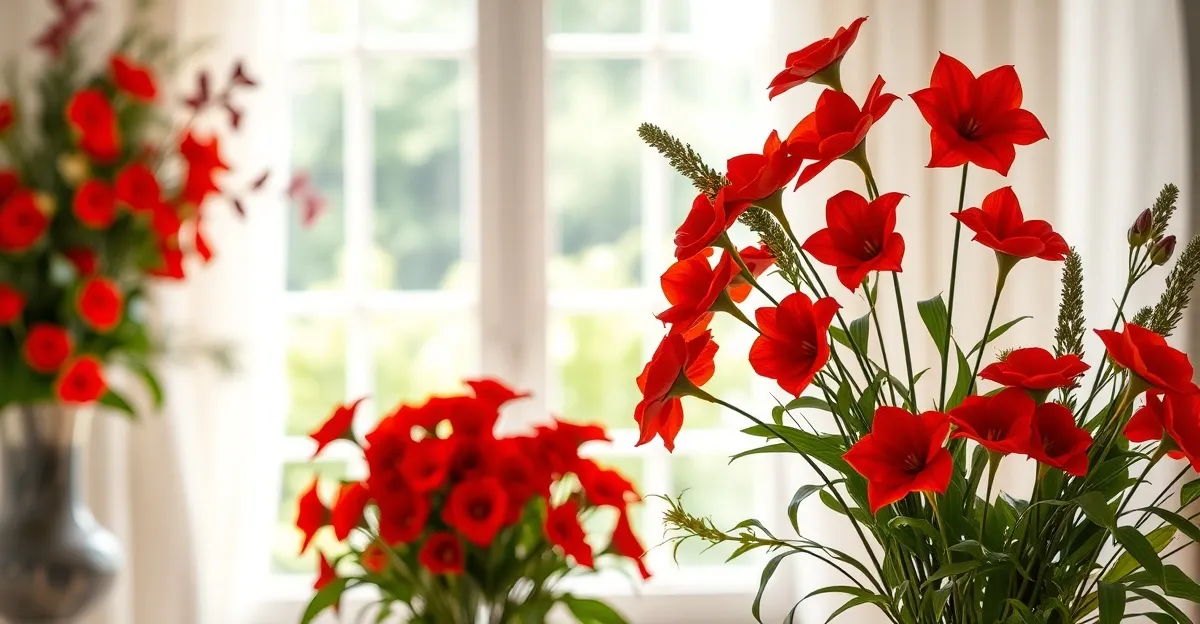
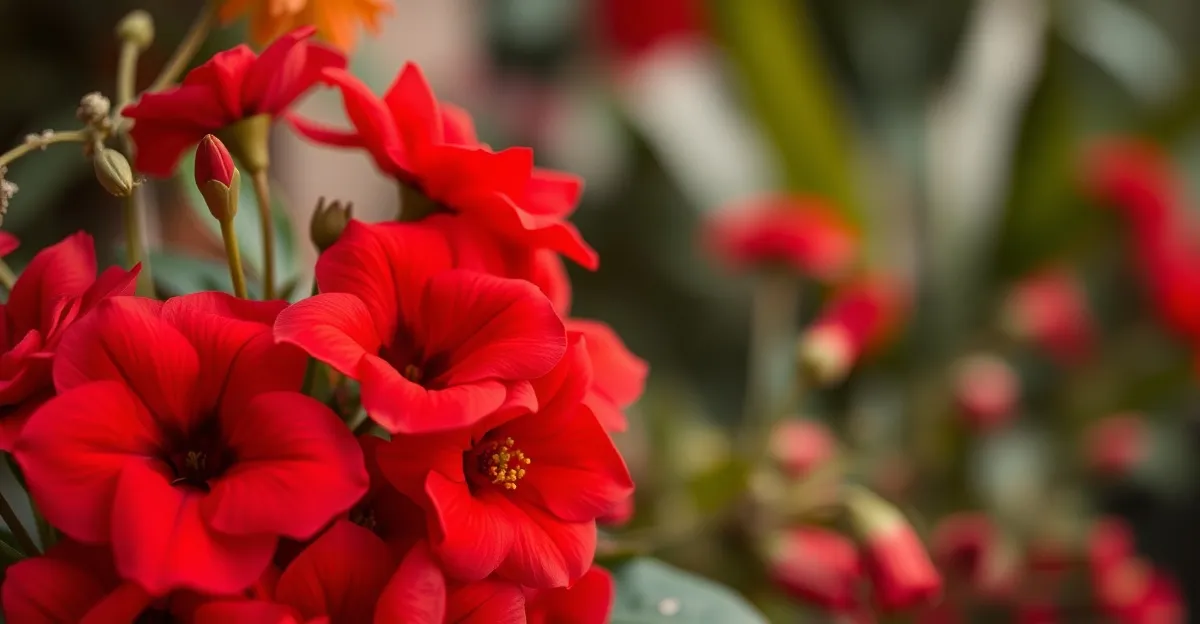
What red flowers symbolise and when to send them
Red flowers mean different things in different cultures. This guide covers what red blooms symbolise across Bali's multicultural communities and when to send them.
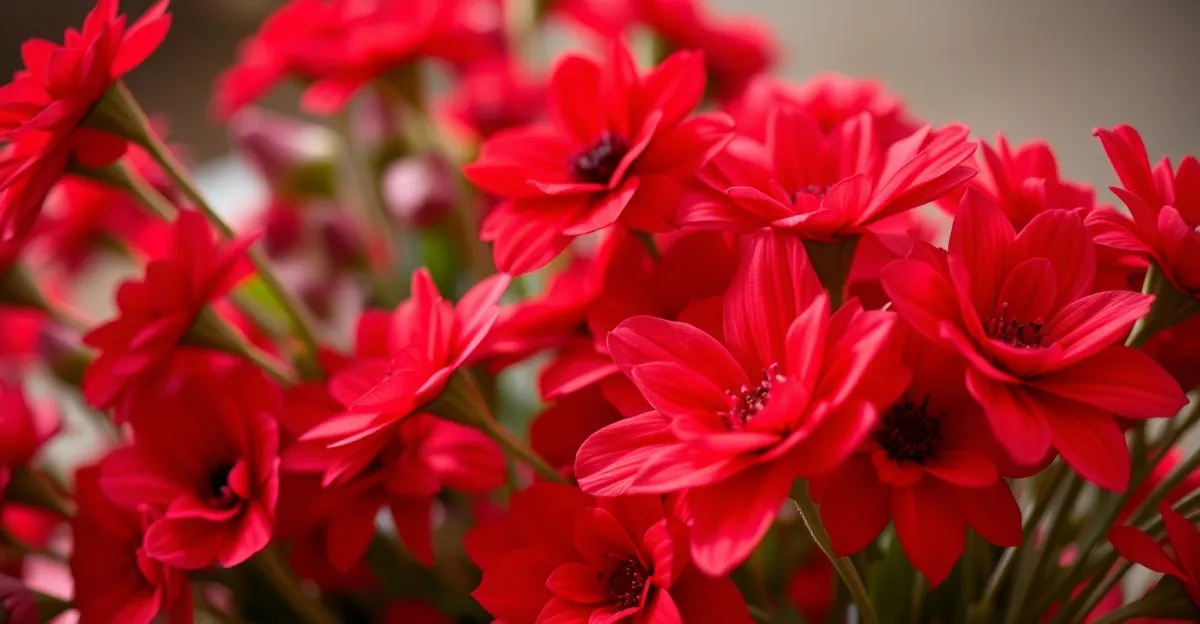
Red flowers carry more layers of meaning than almost any other color in the floral world. In a city or island with one dominant cultural tradition, navigating red would be straightforward. In Bali — where Balinese Hindu, Chinese-Indonesian, Indonesian Muslim, and Western expat traditions intersect daily — knowing what red means to different recipients is genuinely useful.
This is not about overthinking a gift. It's about making sure the flower you send communicates what you intend.
Red in Western/universal tradition
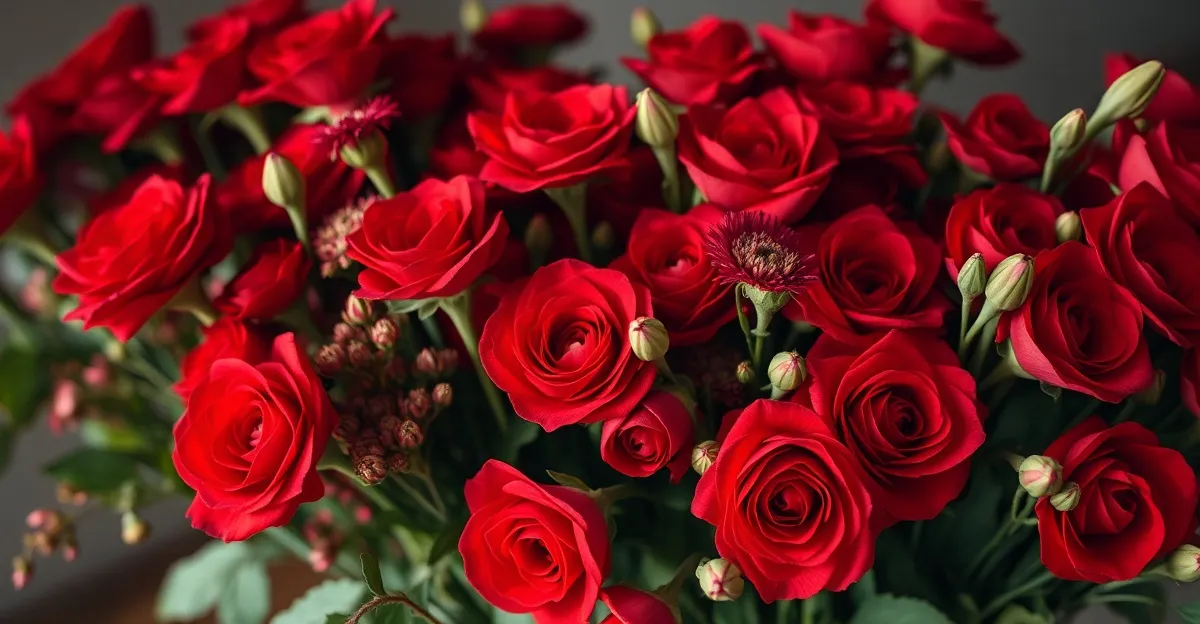
In Western flower tradition, red is the color of romantic love above all else. The red rose, specifically, has meant romantic passion since at least the Victorian era of flower language, and that meaning has been reproduced across every global media tradition to the point where it's functionally universal.
What red flowers say (Western context):
- Deep romantic love (red roses especially)
- Passion and desire
- Admiration and respect
- Courage and achievement (in some traditions)
- Festivity and celebration (especially red and gold, red and white combinations)
When to send (Western context): Valentine's Day, romantic occasions, significant achievement celebrations, formal expressions of admiration or congratulation.
When to reconsider (Western context): Professional relationships, contexts where romantic intent would be ambiguous or unwelcome, casual friendships where the romantic weight of red would feel disproportionate.
Red in Chinese tradition
In Chinese culture — relevant to a significant portion of Bali's successful business community, particularly in Denpasar, Sanur, and Kuta — red has a distinctly different primary meaning.
What red flowers say (Chinese tradition):
- Good luck and fortune
- Prosperity and abundance
- Joy and celebration
- Protection from bad luck
Red is the color of Chinese New Year, of weddings in traditional Chinese ceremonies, of red envelopes (angpao), and of auspicious occasions generally. It does not carry the specifically romantic connotation it has in Western tradition — giving red flowers to a Chinese-Indonesian business partner for Chinese New Year is entirely appropriate and is read as a generous, culturally informed gesture.
Note on funerals: In Chinese funeral tradition, white flowers are standard — not red. Red would be inappropriate for condolence situations among Chinese-Indonesian families.
When to send (Chinese tradition): Chinese New Year, business celebrations, opening ceremonies, significant milestones, congratulatory occasions. Red flowers are also appropriate for Chinese-influenced weddings.
Red in Balinese Hindu tradition
In Balinese Hinduism, red occupies a specific ritual position rather than a general gift-giving symbolism.
Red in Balinese ceremony: Red is associated with Brahma (the creator deity) and is used in the south-facing direction of canang sari offerings. Red hibiscus, red bougainvillea, and red rose are used in offerings throughout the island.
For gift-giving among Balinese Hindu families: Red flowers are generally positive but don't carry the same festive weight as they do in Chinese tradition. Galungan and Kuningan gifts tend toward yellow and gold tones — red alone is less common as a primary choice for these occasions. Mixed warm arrangements (orange, coral, red, yellow) are perfectly appropriate.
When to send (Balinese Hindu context): Red as part of a mixed warm arrangement for any celebratory occasion. Pure red arrangements are less ceremonially specific for Balinese Hindu occasions than for Chinese New Year.
Red in Indonesian Muslim tradition
In Islamic tradition there are no specific restrictions on red flowers or specific occasions where red is required or discouraged. Red flowers are simply festive and warm.
When to send: Eid al-Fitr and other Islamic celebrations where a festive, colorful arrangement is appropriate. Red combined with green (the color associated with Islam) creates a particularly resonant palette for Eid gifting.
Specific red flowers and their meanings
Red rose — Romantic love (universally), passion, deep affection. The most culturally loaded of all red flowers. Send with confidence in romantic contexts; use in mixed arrangements rather than alone for non-romantic occasions.
Red anthurium — More neutral than a rose. Tropical, striking, and less romantically coded. Works well for festive, celebration, and home decoration contexts without romantic implication.
Red chrysanthemum — In Chinese tradition, chrysanthemum is associated with longevity. A red chrysanthemum is a positive gift for Chinese New Year or any celebration of a long-term achievement or relationship. In Western tradition, chrysanthemum can have funeral associations in some European countries — this is less relevant in Bali's context.
Red tulip — Declares love in Western tradition (historical Dutch language of flowers). Less culturally specific in Southeast Asian contexts. A striking choice when available.
Red hibiscus — Indonesia's national flower. Deeply embedded in Balinese ceremony. As a gift flower, red hibiscus is rarely used in formal bouquets but appears in traditional arrangements and offerings.
For specific occasion guidance that builds on these cultural insights, see red flower bouquets: when to give them and the best flowers for Chinese New Year in Bali.

The team
your florists
weekly subscription · Bali
We write about flowers because we love them. We deliver them because someone should — properly, weekly, across Bali.
— heyflowerPay once for 3, 6, or 12 months, no auto-renewal.
Reading your recipient: a practical guide
Rather than memorizing cultural rules, a practical approach is to consider these questions:
What is the recipient's primary cultural community? This tells you which symbolic layer will be read first.
What is the occasion? Romance, Chinese New Year, business celebration, condolences — each has a clear directive.
What is your relationship with the recipient? A red bouquet to a close friend reads differently than to a professional contact. In professional contexts, balance red with other colors (gold, white, tropical green) to soften the romantic implication.
Is the gift primarily about color messaging or flower quality? Sometimes you want to send red because it's beautiful and festive, not because of any specific symbolic weight. That's entirely fine — a well-composed arrangement is a well-composed arrangement, and most recipients in Bali are sophisticated enough to appreciate the gesture without reading too deeply into the palette.
Frequently asked questions
Are red roses appropriate for a non-romantic gift in Bali? In a professional or friendship context, a pure red rose bouquet can be read as romantically intended. For non-romantic gifting, balance red roses with other flowers or use a different red flower (anthurium, gerbera) that carries less romantic coding.
Can I give red flowers for a funeral in Bali? Generally not. White flowers are the appropriate condolence standard across most of Bali's cultural communities. Red carries celebratory rather than mourning associations and would be out of place.
What do red flowers mean in Chinese New Year versus Valentine's Day? For Chinese New Year, red flowers mean luck, prosperity, and celebration — not specifically romantic love. For Valentine's Day, red flowers (especially roses) mean romantic love specifically. The same flower, different occasion, different message — context does all the work.
Are there any red flowers that have negative associations in Bali? Not in general flower-giving contexts. The most important rule is to avoid red at funerals (Balinese, Chinese, and Muslim contexts all favor white for condolences). Beyond that, red is generally positive.
Do yellow or orange flowers have similar celebratory meaning to red? Yellow and gold are more specifically associated with Galungan and Balinese Hindu ceremonial occasions. Orange is warm and festive without the cultural weight of either red or yellow. For cross-cultural celebratory gifting in Bali, orange or coral tones are the most universally safe festive palette.
Ready to bring fresh flowers to your Bali home or event? Explore our weekly flower subscription and get handpicked blooms delivered to your door every week.
More on red