Calla lily in Balinese ceremonies: traditional uses in Bali
Discover how calla lilies appear in Balinese Hindu ceremonies, from temple offerings to cremation rites, and what makes them meaningful in Bali's ritual culture.
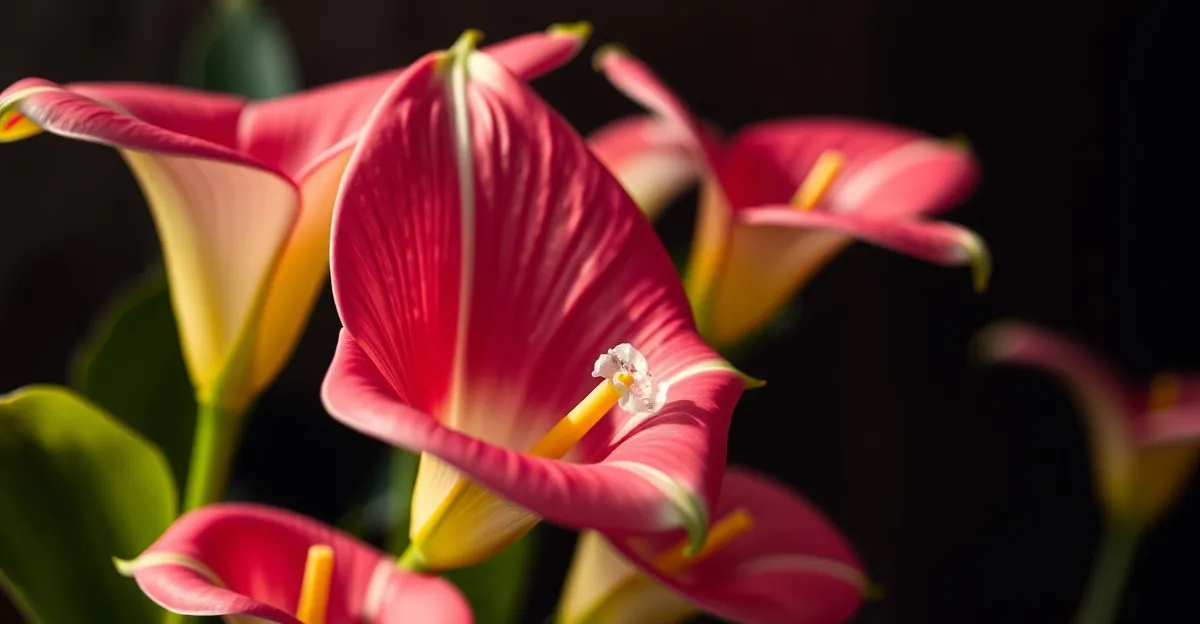
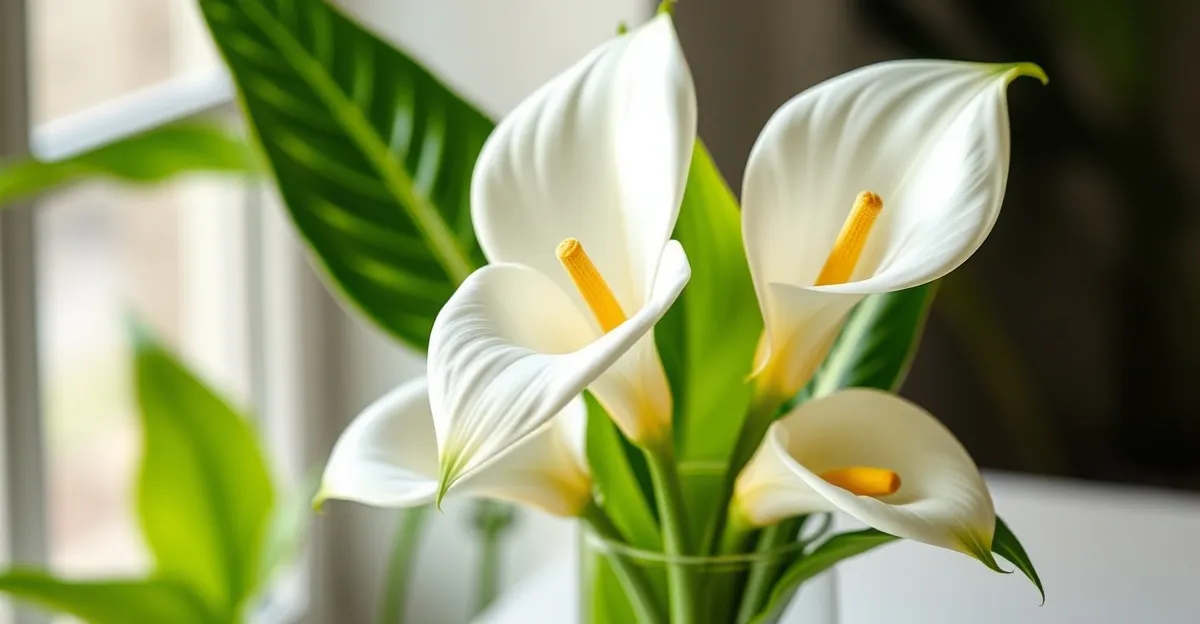
Walk through any traditional neighborhood in Ubud or Gianyar on a ceremony day and you will notice something: flowers are everywhere. Piled into woven palm-leaf trays, tucked into temple gates, floating in stone water basins. Among the blooms you might spot, the elegant white trumpet of the calla lily stands apart. Long and sculptural, it carries a quiet authority that fits naturally into sacred spaces.
If you are new to Bali — whether you arrived last month or have been here for years — understanding how flowers function in Hindu-Balinese ceremony opens a whole dimension of local life. The calla lily's place in that world is worth knowing.
How flowers work in Balinese Hindu ritual
Balinese Hinduism is a living, sensory religion. Every offering — called a canang sari at its simplest, or elaborate gebogan towers at its most complex — is a physical gift to the divine. Flowers are not decoration; they are active participants. The petals carry intention, the colors correspond to different directions and deities, and the arrangement follows rules passed down through generations of pemangku (temple priests) and family tradition.
White flowers are particularly valued because they represent purity, the east (the direction of Iswara, one of the directional deities), and the Brahmin caste's sacred color in some ritual contexts. This is where the calla lily finds its natural home: it is white, structurally impressive, and unlike delicate frangipani petals, it holds its form through long ceremony days.
Calla lilies in temple offerings and gebogan
Gebogan — those tall, pyramidal fruit and flower towers that women carry on their heads to temple — often incorporate longer-stemmed blooms for height and structure. Calla lilies, with their strong upright stems reaching 40–60cm, are ideal for this purpose. They add vertical drama without the fussiness of tropical blossoms that wilt quickly in Bali's midday heat.
In the larger temples of the Badung and Gianyar regencies — think Pura Taman Ayun in Mengwi or Pura Gunung Kawi in Tampaksiring — the floral offerings brought by worshippers during odalan (temple anniversary festivals) can be exceptionally elaborate. Calla lilies appear in these contexts, often alongside white chrysanthemums and the sacred white lotus, building compositions that honor the temple's presiding deity.
For smaller household shrines (merajan), calla lilies are less common in everyday canang sari because of their cost and size — those daily offerings use more compact blooms. But for significant ceremonies, they make an appearance.
Calla lilies in cremation and ngaben ceremonies
The most significant lifecycle ceremony in Bali is ngaben, the cremation ritual. These can be modest family affairs or spectacular village events involving large bull-shaped sarcophagi (wadah) and days of processions.
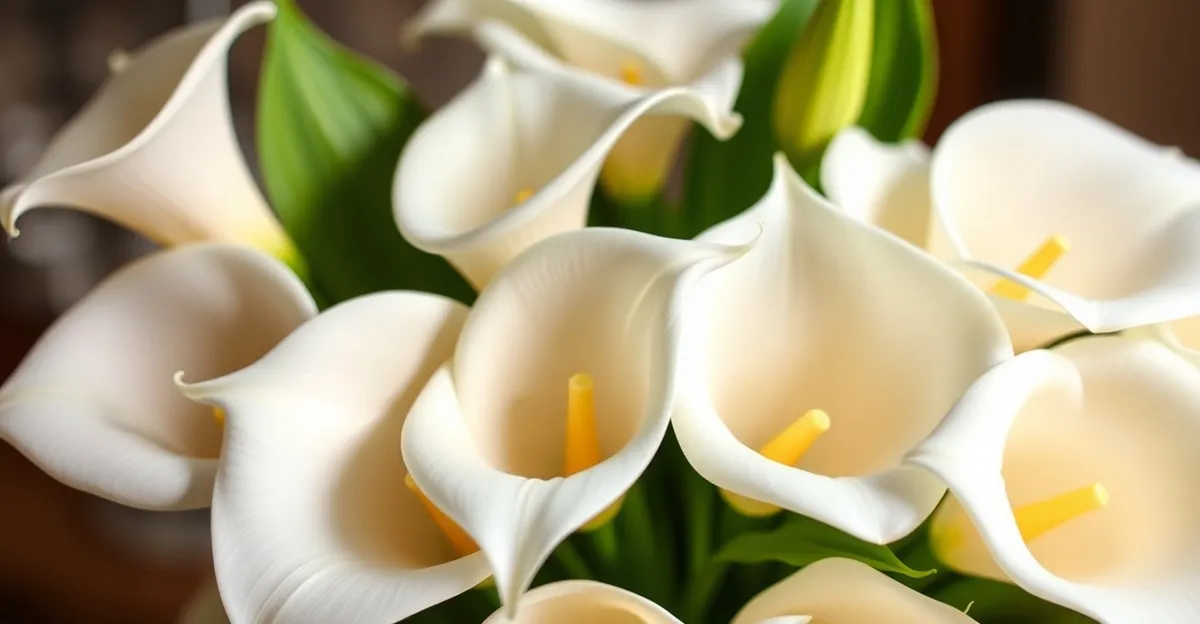
White flowers dominate ngaben flower arrangements because white is the color of spiritual transition — releasing the soul from the body so it can journey toward reincarnation or enlightenment. Calla lilies are particularly well-suited here. Their clean lines, dignified bearing, and pure white color make them one of the flowers that local florists in Denpasar and Ubud regularly include in cremation arrangements.
For families who want something beyond the standard white chrysanthemum and frangipani mix, calla lilies offer a slightly more formal, almost architectural beauty. They photograph well at the elaborate processions that wind through Kuta, Seminyak, or village roads across the island, which matters for families who want beautiful records of this important rite.
Calla lilies in wedding ceremonies
Balinese weddings (pawiwahan) are complex, multi-day events that blend Hindu ritual with family and community celebration. The floral elements are extensive: arrangements for the family compound, garlands for participants, petals scattered along ceremonial paths.
Calla lilies have gained popularity in the more contemporary Balinese wedding aesthetic — particularly in the Seminyak and Canggu villa scene where Balinese families sometimes mix traditional ceremony with Western wedding styling. The lily's association with new beginnings and purity aligns well with wedding symbolism.
Non-Balinese couples marrying in Bali also reach for calla lilies frequently — they appear in ceremony backdrops at the cliff-edge venues in Uluwatu, at rice-field pavilions in Ubud, and at beachfront settings in Jimbaran. If you are planning a Bali wedding, a florist familiar with both Balinese ritual and international wedding aesthetics can guide you on how to blend the calla lily into arrangements that feel genuinely local rather than imported.
For ideas on dramatic flower choices for ceremonies, see our guide to 10 dramatic flower picks for a Bali wedding aisle.
Calla lilies and Galungan
Galungan is one of Bali's most important recurring celebrations — a ten-day festival marking the victory of dharma over adharma that happens approximately every 210 days on the Balinese Pawukon calendar. During Galungan, the island transforms: every home and compound entrance is decorated with penjor (tall, curved bamboo poles adorned with offerings and flowers), and shrines are freshened with new arrangements.
White and yellow flowers are commonly incorporated into Galungan offerings. Marigolds are the dominant yellow bloom, but white flowers including calla lilies appear in household shrines and larger temple decorations during this period. If you happen to be in Bali during Galungan — and the date shifts, so check ahead — visit any Balinese neighborhood early in the morning to see the full scope of floral ceremony in motion.
For more on flowers during this period, see our roundup of last-minute Galungan flower ideas for Bali.

The team
your florists
weekly subscription · Bali
We write about flowers because we love them. We deliver them because someone should — properly, weekly, across Bali.
— heyflowerPay once for 3, 6, or 12 months, no auto-renewal.
Growing and sourcing calla lilies in Bali
Calla lilies (Zantedeschia aethiopica) are not native to Bali. They originate from South Africa and prefer cooler, wetter conditions. In Bali's climate — hot and humid year-round, with a rainy season that runs roughly November through March and average temperatures around 27–30°C — calla lilies are grown at higher elevations where it is cooler.
The highlands around Bedugul and Munduk, where temperatures can drop to 18–20°C at night, are where most of Bali's calla lily cultivation happens. Small farms in this region supply the flower markets in Denpasar — particularly Pasar Badung and Pasar Kumbasari — as well as florists across the island. You can also find them at the roadside stalls along the Bedugul–Singaraja road, especially in the mornings.
Because they need cooler growing conditions, calla lilies are somewhat seasonal in Bali. Supply is more consistent in the wet season when highland temperatures are lower. During the dry season (April to October), they can become harder to source and prices rise accordingly — sometimes reaching Rp 15,000–25,000 per stem at retail.
Working with calla lilies for ceremony
If you are organizing a ceremony or event in Bali and want to incorporate calla lilies, a few practical notes:
Book ahead. Because supply can be limited, especially during peak dry season or around major ceremony periods, order your flowers at least a week in advance with your florist.
Hydration matters. Calla lilies are thirsty flowers. In Bali's heat, stems left out of water will wilt noticeably within a few hours. Arrange them into water immediately, and keep finished arrangements in the coolest part of the room until the ceremony.
Vase life. With clean water changed every two days, calla lilies can last 5–7 days indoors in Bali — decent for a tropical environment. Keep them away from direct afternoon sun streaming through villa windows, which can cook the petals within an hour.
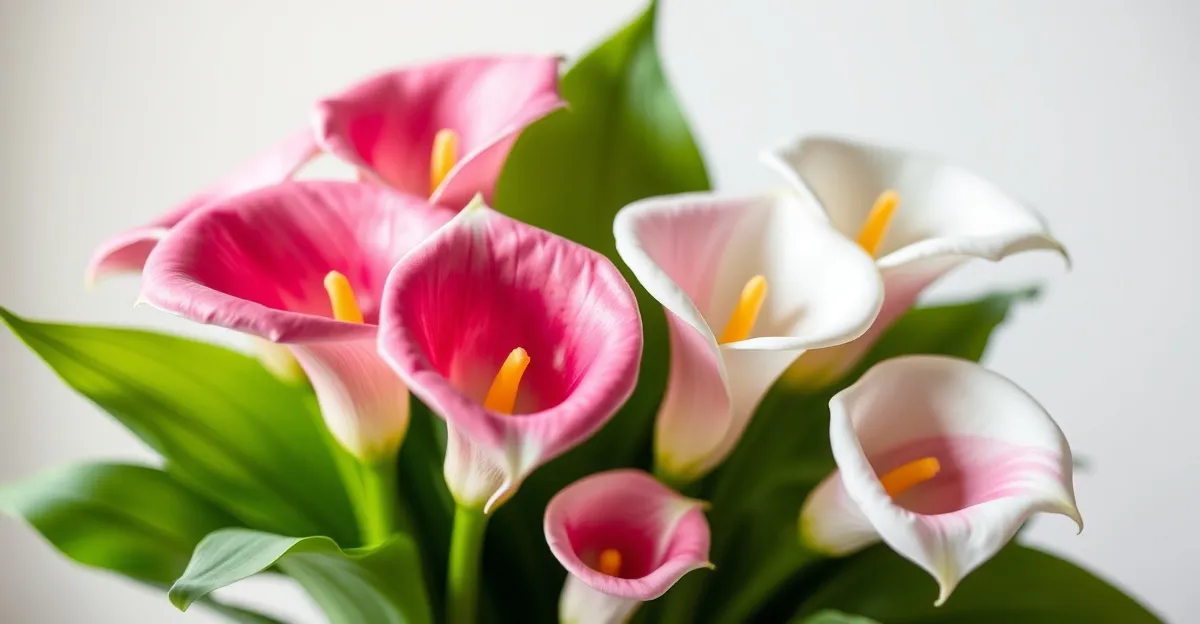
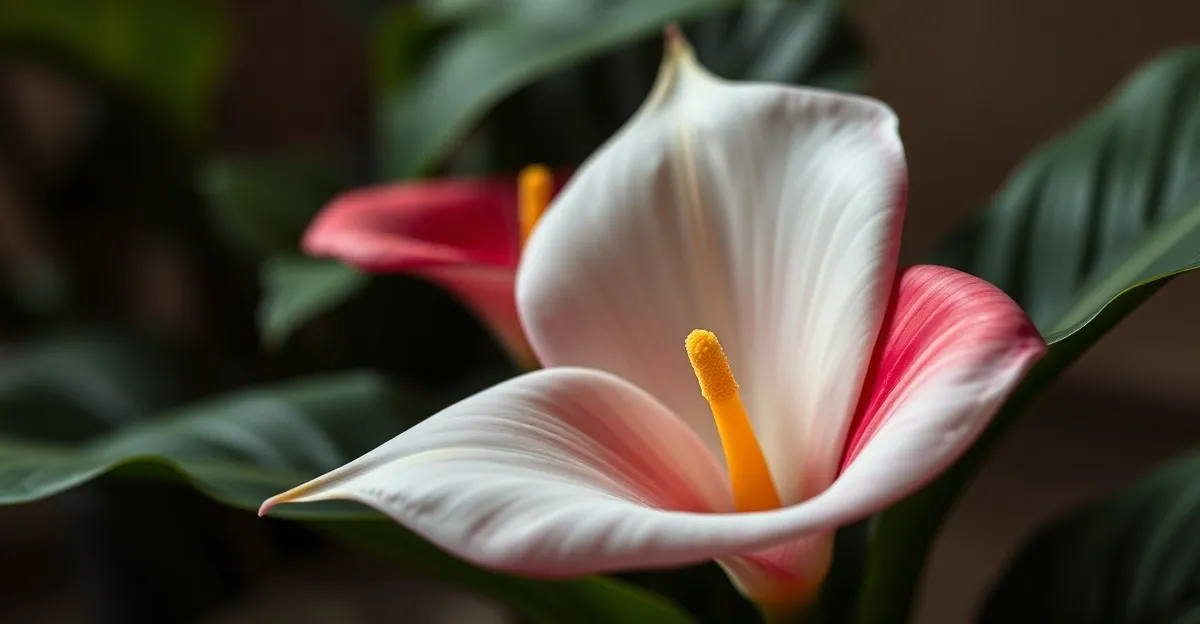
Color alternatives. While white is the traditional choice for sacred use, calla lilies also come in soft pink, deep purple, and yellow varieties. These are less common in ritual contexts but work beautifully in wedding and home arrangements.
FAQ
Are calla lilies used in everyday Balinese canang sari offerings? Not typically. The daily canang sari uses small, compact flowers like frangipani, marigolds, and croton leaves. Calla lilies are reserved for larger ceremony arrangements where their size and structure make sense.
Is the calla lily considered sacred in Balinese Hinduism? Not in the way the lotus is sacred. The calla lily is valued for its color (white = purity) and its structural beauty in offerings, but it does not carry specific divine symbolism the way the lotus does. You can read more about sacred Balinese flowers in our piece on lotus in Balinese Hinduism: meaning and ritual use.
Can tourists purchase calla lilies from local markets? Yes. Pasar Badung in central Denpasar and the flower section of Pasar Kumbasari are both accessible to visitors. Arrive early — before 9am — for the best selection and freshest stock.
Are calla lilies toxic to pets? Yes, calla lilies are toxic to cats and dogs if ingested. If you have pets in your villa, keep arrangements out of their reach.
How much do calla lilies cost in Bali? Retail prices at flower markets run roughly Rp 10,000–25,000 per stem depending on season and quality. Florists arranging them for ceremony or events will price them into their arrangement costs.
Ready to bring fresh flowers to your Bali home or event? Explore our weekly flower subscription and get handpicked blooms delivered to your door every week.
More on Calla lily