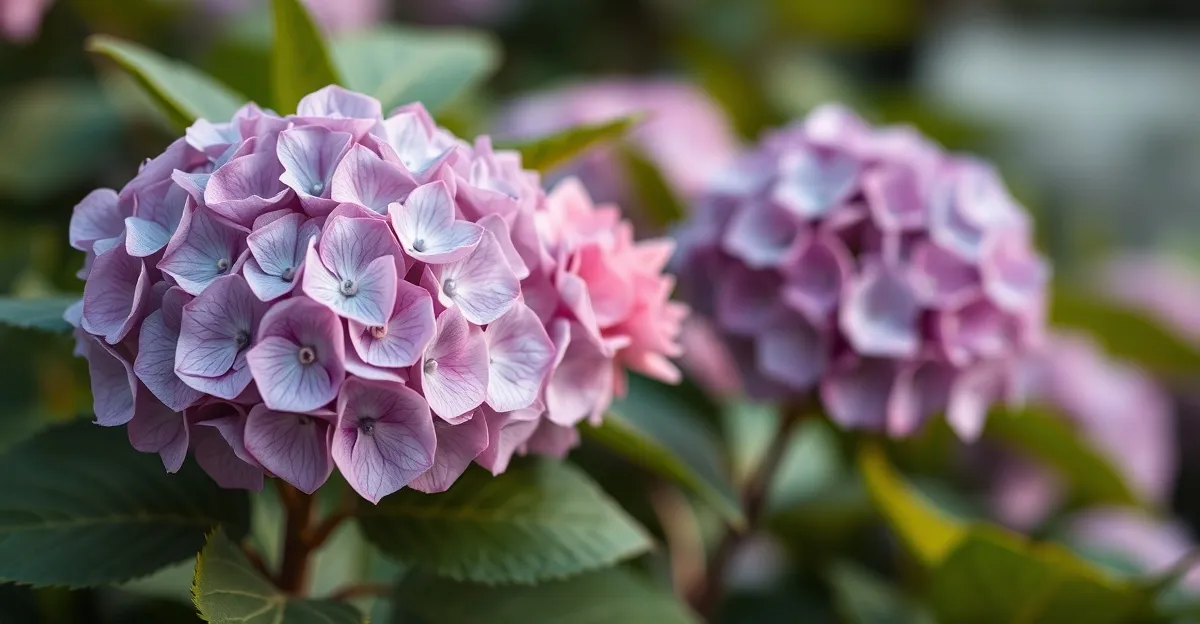
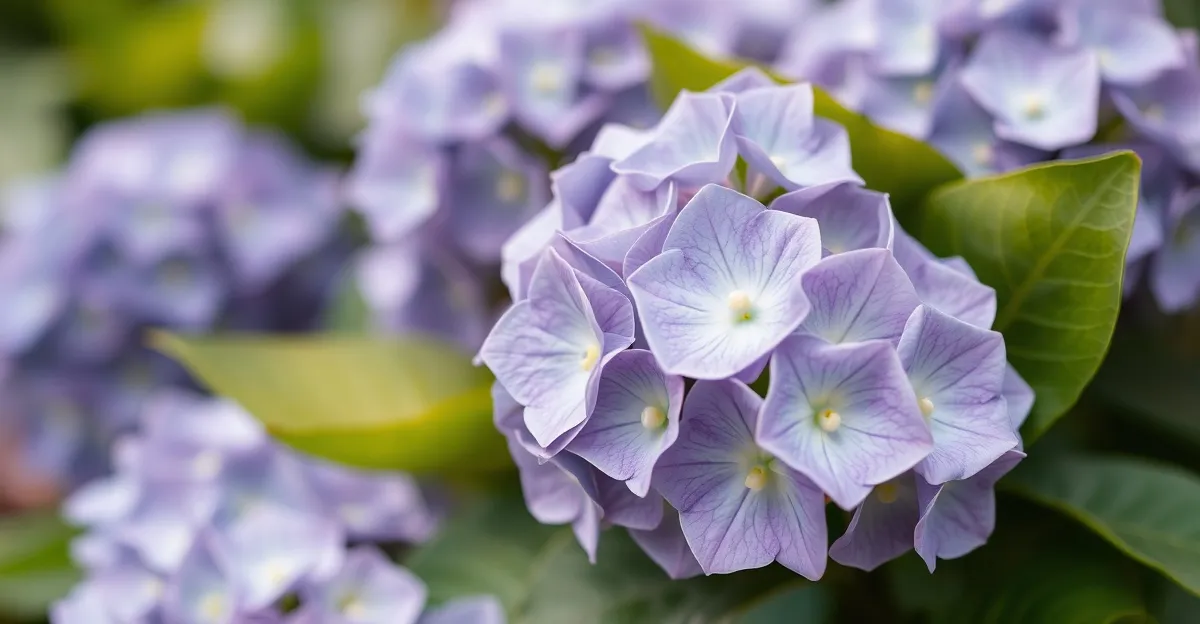
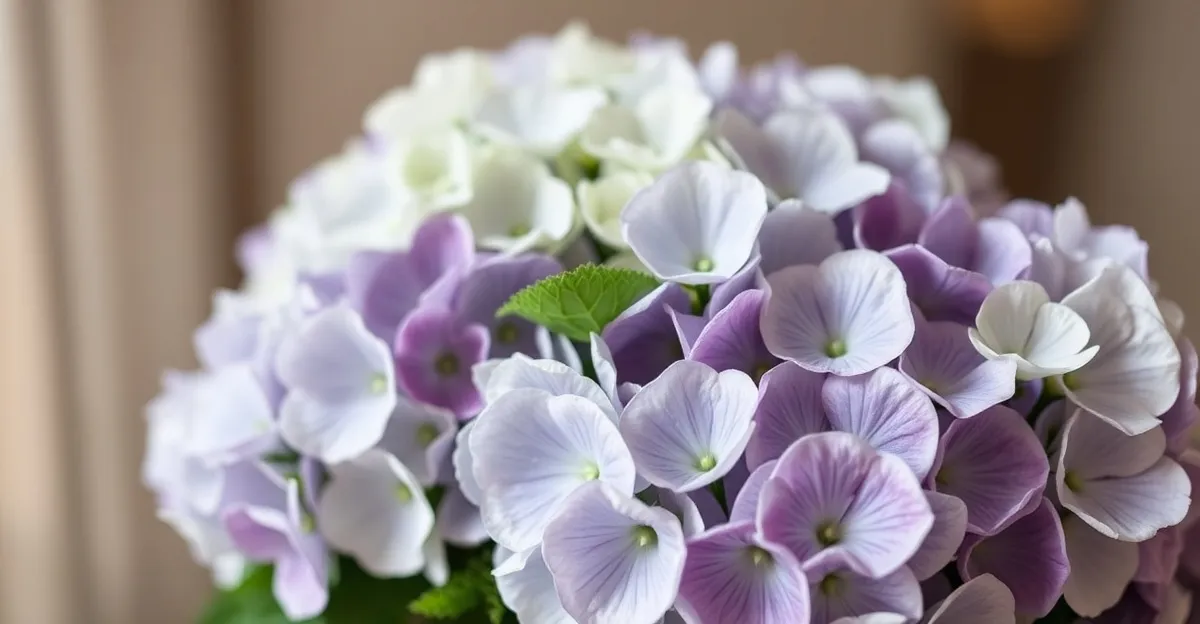
Hydrangea Vase Life in the Tropics: How Long Do They Last?
Hydrangeas are notoriously sensitive to heat. Here's what to realistically expect from their vase life in Bali, and how to stretch it as long as possible.
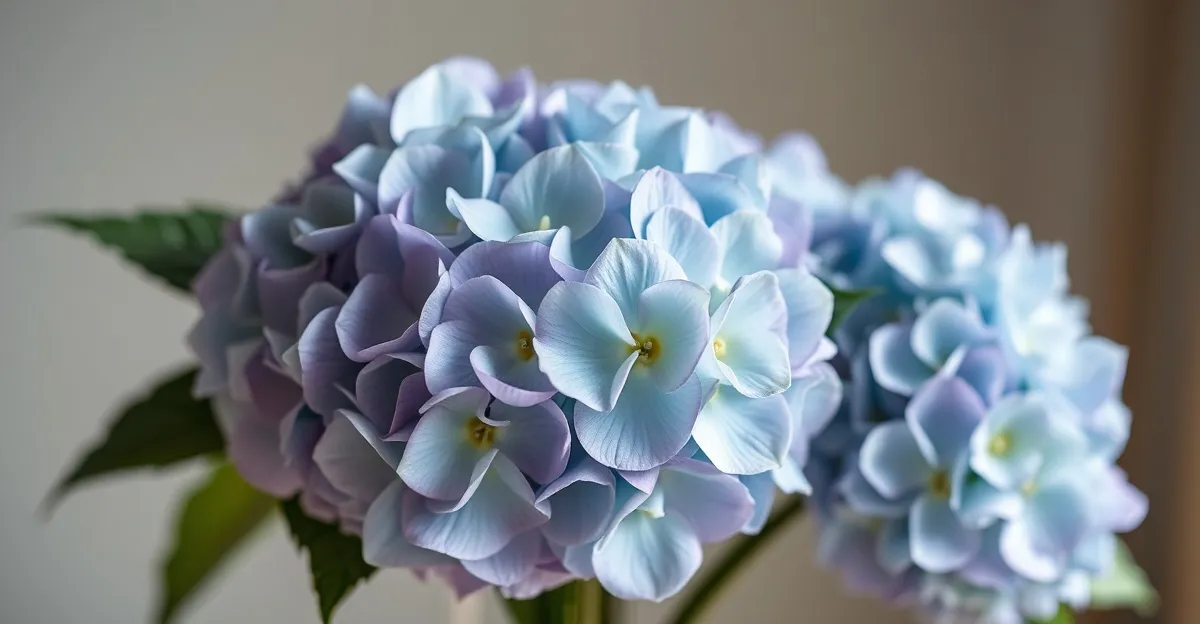
Let us be direct about this: hydrangeas in Bali are harder to keep than in Europe or Australia. If you have seen guides claiming hydrangeas last ten to fourteen days as cut flowers — those numbers come from cool, temperature-controlled environments, not from a Canggu villa in October.
In coastal Bali, realistically managed, fresh hydrangeas last five to eight days with good care, two to four without. The gap between excellent and poor care is significant — and knowing what genuinely makes a difference can double or triple your vase life.
This guide gives you honest numbers, the specific conditions that affect them, and practical techniques for getting the best out of hydrangeas in tropical conditions.
The Baseline: What to Expect
First, the context. Bali's coastal areas (Canggu, Seminyak, Kerobokan, Berawa) have:
- Average temperatures of 27–32°C during the day
- Humidity between 70–90%, rising to near-100% during monsoon rains
- UV radiation significantly higher than temperate climates
- Intermittent power availability that affects air conditioning
In these conditions, here is a realistic timeline:
With no special care (flowers in room-temperature tap water, no conditioning, normal room): 2–3 days before significant wilting
With basic care (fresh-cut stems, cool water, shaded placement): 4–5 days before visible deterioration
With proper care (conditioned stems, cool water, misting, cool room, daily water change): 6–8 days, occasionally reaching 10 days for well-conditioned stems in a properly air-conditioned space
Dry season vs. monsoon: During the dry season (May–September), conditions are slightly more forgiving and the upper range is more achievable. During monsoon months (November–March), high humidity combines with heat to accelerate deterioration, and your realistic target is closer to the middle of these ranges.
What Kills Hydrangeas Fastest in the Tropics
Understanding the failure modes helps you prioritise where to put your energy.
1. Stem Blockage
This is the primary cause of fast wilting in hydrangeas, and it is faster in heat. When a hydrangea stem is cut, the cut end begins forming a seal — the plant's natural wound-response mechanism. In cool conditions, this happens slowly. In Bali's heat, it can happen within an hour of cutting.
Once the stem is sealed, water cannot enter, and the flower wilts despite being in a vase of water.
Solution: Recut stems immediately before placing in water. Do this with a clean, sharp cut at 45 degrees. In hot conditions, recut every time you change the water (every two days).
2. Bacterial Water Contamination
Warm water grows bacteria faster than cool water. Bacteria in the vase water further block stem channels and accelerate deterioration.
Solution: Use cold water (refrigerator temperature if possible). Change it every two days. Clean the vase with each change. Keep fallen leaves out of the water — decomposing organic matter feeds bacteria rapidly.
3. Direct Heat and Sunlight
Both accelerate moisture loss from petals dramatically. Placing hydrangeas in a sunny spot in the villa, near the pool area, or next to windows that get afternoon sun will shorten their life significantly.
Solution: Display in the coolest, shadiest part of the house. Natural light is fine — direct sun is not.
4. Dry Air from Air Conditioning
This is a counterintuitive one. Running air conditioning reduces humidity and temperature, which extends vase life overall. But directing an air conditioning vent directly at flowers creates very dry airflow that desiccates petals rapidly.
Solution: Keep flowers in an air-conditioned room but not in the direct stream of any AC vent.
5. Overcrowding Stems
When hydrangea heads press against each other in a vase, the point of contact bruises. Bruised petals deteriorate faster than healthy ones and release gases that accelerate deterioration in neighbouring blooms.
Solution: Use a vase wide enough for heads to sit without touching.
Care Techniques That Actually Add Days
These are the methods that make a measurable difference in tropical conditions, ordered by impact:
Immediate Stem Recutting (Highest Impact)
Recut 2–3 cm from the stem end at a sharp angle the moment you receive or purchase the flowers. Crush the bottom 2 cm of stem with a hammer or knife handle — breaking the woody tissue creates multiple water uptake points.
This single action is the most important thing you can do. Do it before anything else.
Cool Water (High Impact)
Use cold water from the refrigerator, not tap water at room temperature. In Bali, tap water temperature may be 27–30°C — too warm for effective hydration. Genuinely cold water slows bacterial growth and maintains a temperature differential that supports water movement up the stem.
Add a handful of ice cubes when the room is hot.
Petal Misting (Moderate Impact)
Hydrangeas can absorb water through their petals. Lightly misting the flower heads with cool water each morning, before the day's heat builds, adds moisture directly where it is needed. Use a fine-mist spray bottle. Do not drench — a light mist is all it takes.
Submersion Revival (Moderate Impact, for wilted flowers)
If flowers start to wilt, do not discard them. Fill a bucket or basin with cool water and submerge the entire arrangement — heads included — for one to four hours. Remove, recut the stems, and return to a vase with fresh cool water.
This technique works because hydrangea petals rehydrate through direct water contact. Done promptly at the first sign of wilting, it often adds another three to five days of life.
White Vinegar in the Water (Low to Moderate Impact)
Adding one teaspoon of white vinegar per litre of vase water slightly acidifies the water, which slows bacterial growth. The effect is real but modest — it extends vase life by perhaps one to two extra days compared to plain water.
Commercial Flower Food (Modest Impact)
The sachet of flower food that often comes with florist arrangements contains a mix of sugar (for the flower), acidifier, and bactericide. In tropical conditions, the bactericide component is useful. Add to the water after initial conditioning, not as the first water.

The team
your florists
weekly subscription · Bali
We write about flowers because we love them. We deliver them because someone should — properly, weekly, across Bali.
— heyflowerPay once for 3, 6, or 12 months, no auto-renewal.
Comparing Hydrangea to Other Common Bali Flowers
To put the hydrangea's vase life in context:
| Flower | Realistic Vase Life in Bali | | ------------------- | --------------------------- | | Hydrangea | 5–8 days (with good care) | | Rose | 5–7 days | | Gerbera | 5–8 days | | Orchid (dendrobium) | 7–14 days | | Chrysanthemum | 7–12 days | | Lily | 5–8 days | | Frangipani (cut) | 1–3 days | | Bird of paradise | 10–14 days |
Hydrangeas are roughly comparable to roses in tropical conditions — both are moderately sensitive to heat and require consistent care. Neither is as robust as orchids or birds of paradise in Bali's climate.
For regular fresh flowers that arrive at peak condition and are selected for seasonal appropriateness, a subscription ensures you always have something beautiful. heyflower.co delivers across Canggu, Berawa, Pererenan, Seminyak, and Kerobokan every week or fortnight.
For guidance on care techniques that apply across multiple flower types, how to care for hydrangea in Bali's humid climate covers everything in detail.
When to Accept They Are Done
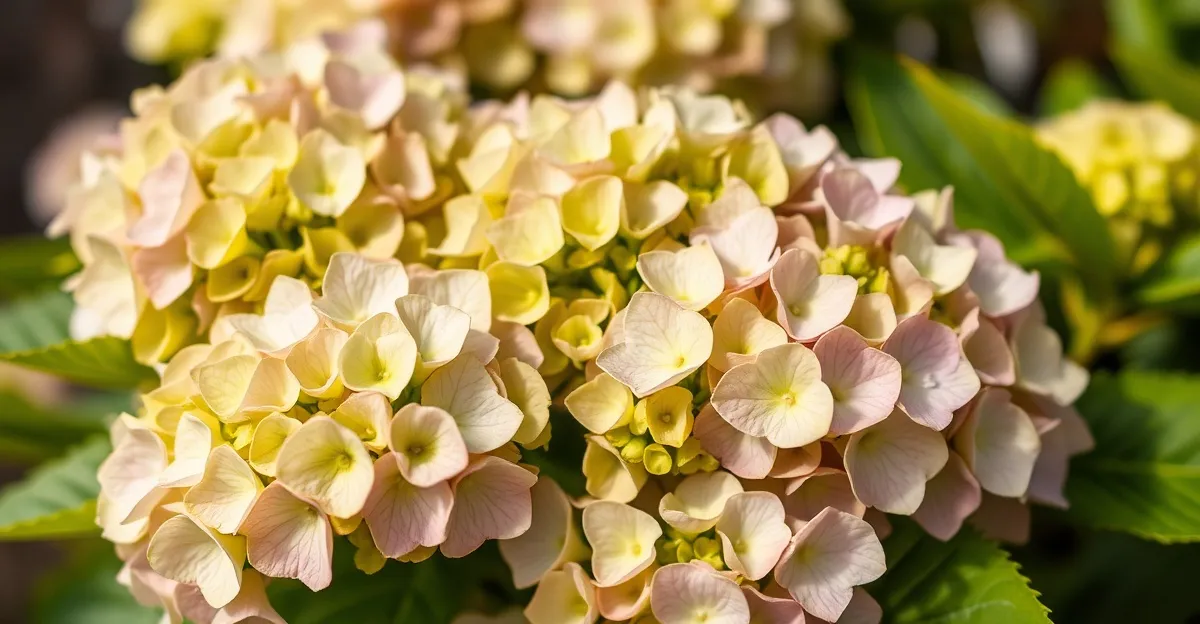
There is a moment with hydrangeas — usually around day six or seven with good care — where the petals begin to dry naturally, the colours mute slightly, and the flower heads take on a papery quality. This is the flower beginning to dry rather than rot.
At this stage, you have two options:
-
Continue to enjoy them as drying flowers — remove from water, hang upside-down in a cool dry space, and let them dry completely. Dried hydrangeas have a beautiful quality and can be preserved.
-
Replace with fresh flowers.
Neither is wrong. The transition from fresh to dried is particularly graceful with hydrangeas, which is one reason they are popular in dried flower arrangements.
Frequently Asked Questions
How can I tell if hydrangeas are fresh when buying them in Bali?
Fresh hydrangeas have firm stems, petals that are not yet papery or translucent, and fully upright heads. Gently press a petal — it should feel slightly waxy, not papery. Check the base of the stem: it should be green and clean, not brown or slimy.
Do hydrangeas last longer in the monsoon or dry season?
Dry season (May–September) generally gives better vase life because humidity is lower and daytime temperatures are slightly more moderate. During monsoon months, high humidity promotes bacterial growth and mold on petals, shortening vase life.
Is it worth buying hydrangeas for a Bali event?
Yes, if your care setup is in place — cool room, cold water, prepared stems. For a dinner party or event, buy hydrangeas one to two days beforehand, condition them properly, and they will be at their best on the day.
Can I keep hydrangeas in an open-air Bali villa?
Not successfully for more than a day or two. Open-air spaces expose flowers to heat, direct sun, and extreme humidity swings. If you want flowers in an open-air space, choose more heat-tolerant options like orchids, birds of paradise, or chrysanthemums.
What should I do if I receive delivered hydrangeas that look slightly wilted?
Do not panic. Immediately recut the stems, submerge the entire flower heads in a basin of cool water for a few hours, then move to a vase with cold water in a cool room. This revival process works well for flowers that have been in transit.
Fresh flowers delivered every week or fortnight — heyflower.co curates seasonal arrangements for homes across Canggu, Berawa, Pererenan, Seminyak, and Kerobokan, with care instructions included so your blooms last as long as possible.
More on Hydrangea