Hydrangea in Balinese Ceremonies: Traditional Uses in Bali
Do hydrangeas have a place in Balinese ceremonial life? A look at how and where these non-native blooms have found a role in Bali's rich flower culture.
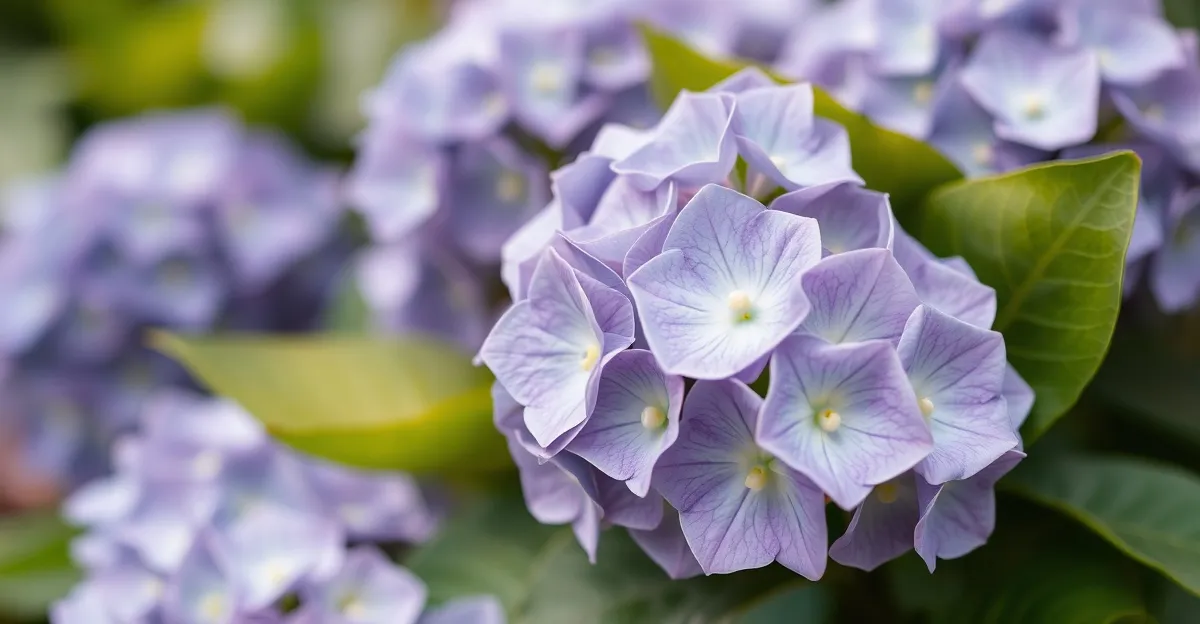
Bali's ceremonial flower culture is one of the most intensive in the world. An observant Balinese family makes fresh offerings daily — canang sari placed at household shrines, temple gates, and crossroads — and for major ceremonies, the flower preparation can involve hundreds of people and thousands of blooms. The island runs on flowers.
Against this background, the hydrangea is a relative newcomer. It is not mentioned in the Balinese-Hindu texts that provide the liturgical basis for ceremonial practice. It did not grow here before commercial cultivation arrived. And yet today hydrangeas appear at temples, in offerings, and in the decoration of shrines during major ceremonies. How that happened, and what role they now play, is a story of how living traditions absorb and adapt.
Bali's Ceremonial Flower Framework
To understand where hydrangeas fit, you need to understand the system they entered.
In Balinese Hindu practice, flowers are one of the five essential elements of an offering (panca yadnya). The canang sari — the palm-leaf offering basket placed at shrines, gates, and crossroads multiple times a day — must contain flowers, and the colours of those flowers carry specific spiritual meaning:
- White flowers placed facing east, toward the deity Iswara
- Red flowers placed facing south, toward Brahma
- Yellow or gold flowers facing west, toward Mahadewa
- Blue or dark flowers facing north, toward Wisnu
This directional colour system means the flower supply in Bali is a serious logistical matter. Families and temple communities need access to specific colours of fresh flowers reliably, cheaply, and year-round.
The traditional flowers that built this system — marigolds (gumitir), frangipani (jepun), hibiscus (pucuk), and various orchids — have been grown in Bali or cultivated locally for centuries. They are the foundation.
How Hydrangeas Entered the Picture
Hydrangeas are not indigenous to Bali. They arrived through commercial floriculture, initially through supplies from highland Java (particularly Lembang) and later through local cultivation in highland Bali around Bedugul, where cooler temperatures make growing them possible.
As cut flower markets developed and the availability of hydrangeas became more consistent and affordable, Balinese practitioners of all backgrounds began incorporating them into offerings and decorations. This was not a top-down religious decision — there was no decree from temple authorities that hydrangeas were now appropriate for offerings. It happened organically, as practitioners used what was available and beautiful.
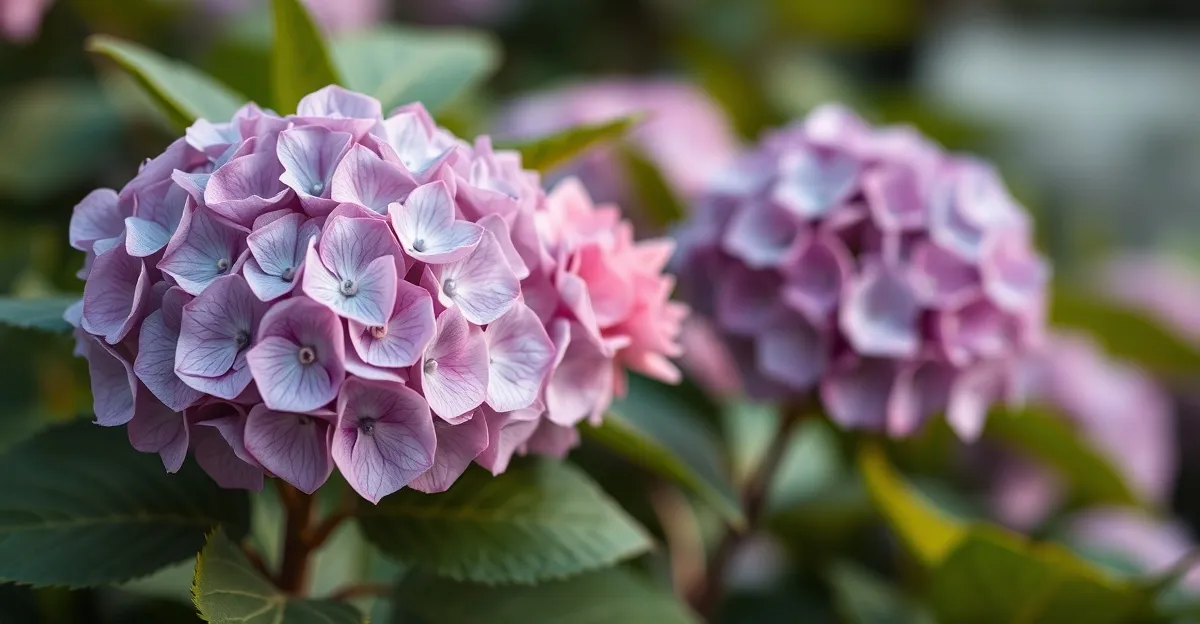
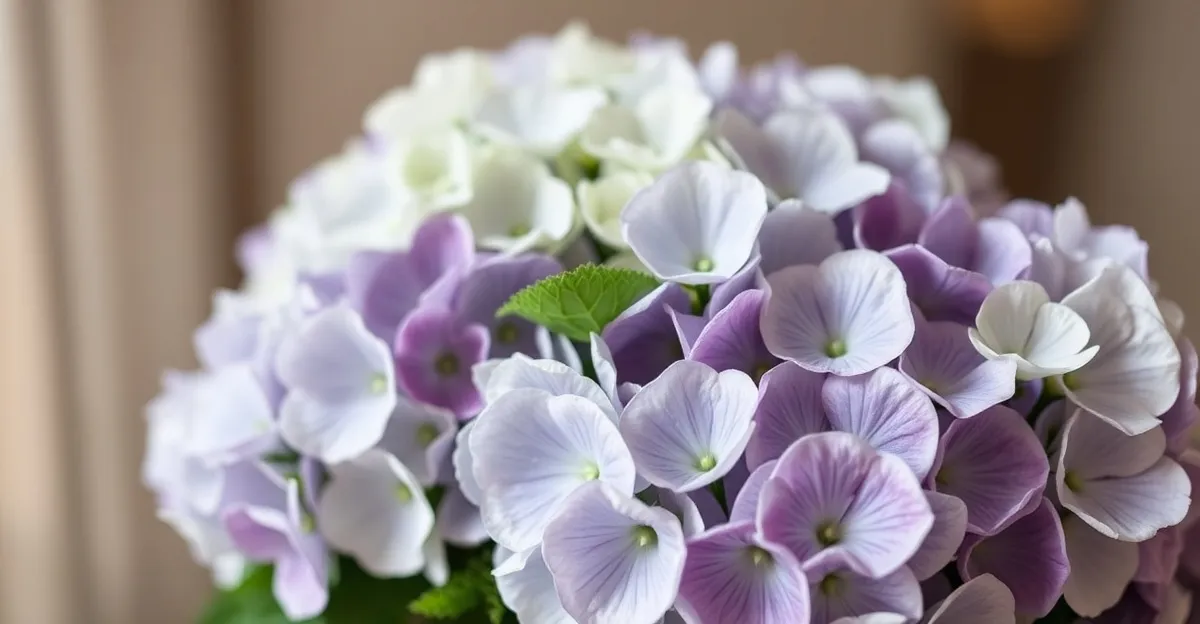
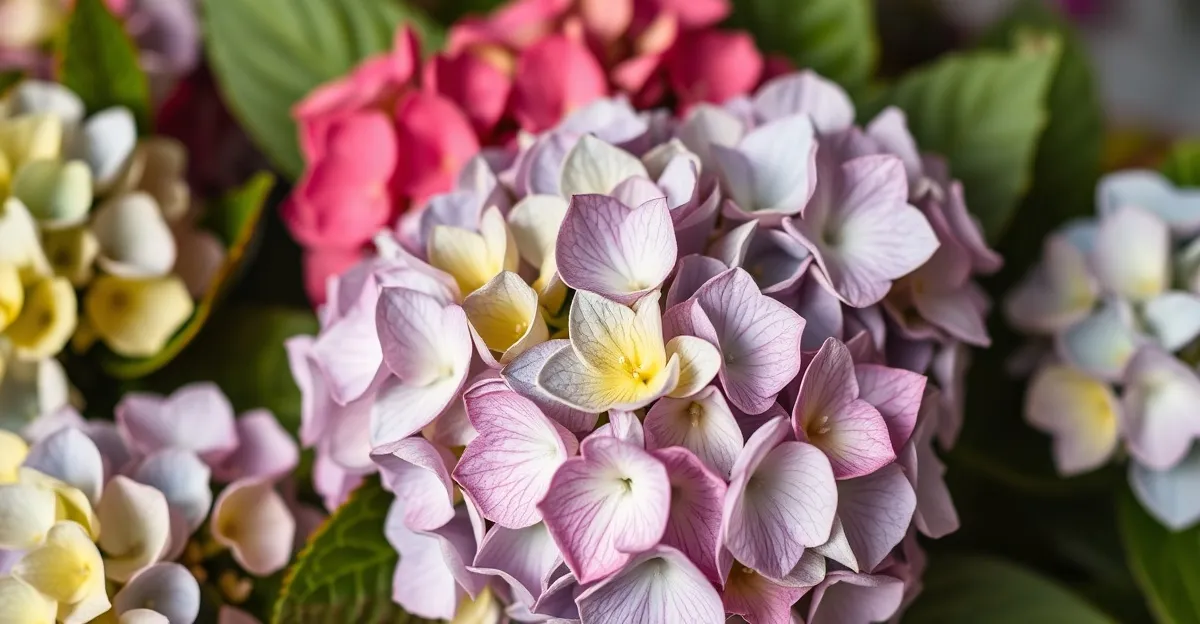
The hydrangea's density — one stem carrying a dense mass of tiny florets — makes it particularly useful for offerings. A single stem provides a generous amount of flower material. Blue and purple hydrangeas satisfy the directional requirement for cool or dark colours facing north. White hydrangeas work for east-facing offerings. The colour range is practically useful.
Hydrangeas in Canang Sari
In contemporary morning markets around Bali, you will find hydrangeas sold alongside marigolds and roses as part of the daily flower-buying routine for offering preparation. They are not universal — many practitioners stick entirely to traditional flowers — but they have found a real market niche.
The most common use is with the individual florets rather than whole heads. Balinese practitioners preparing canang sari often carefully separate the tiny individual florets from the hydrangea head and use them as a layer within the offering basket. This allows precise colour placement and creates a more nuanced offering than bunching whole large flowers.
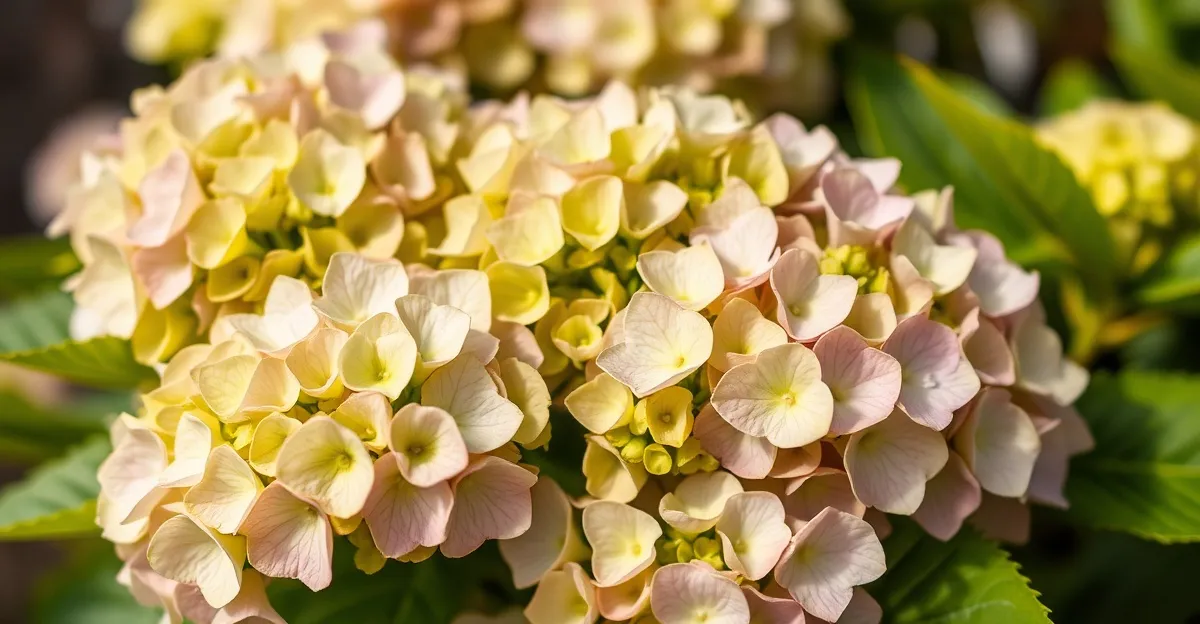
The florets — each about 1 cm across, with four petals — fit naturally into the palm-leaf compartments of a canang sari. Their colours hold well for the day the offering is fresh, which is all that is needed.
Major Ceremonies and Hydrangea Use
Odalan (Temple Birthday)
The temple Odalan — celebrated every 210 days on the Balinese Pawukon calendar — involves significant floral decoration of the temple and its surroundings. During Odalan, hydrangeas appear in the larger decorative arrangements placed on temporary altars, entrance gates, and around the main shrines.
For large-scale Odalan celebrations at important temples, the decorating effort is substantial, and having affordable, visually impactful flowers matters. Hydrangeas provide volume and colour at a competitive price relative to their visual impact.
Galungan and Kuningan
Galungan is the celebration of dharma over adharma, occurring every 210 days (roughly twice a year). During this period, penjor — the tall decorated bamboo poles that line every road in Bali — are erected, and home shrines receive fresh decoration.
Hydrangeas appear in the flower arrangements placed at home shrines during Galungan, particularly among families in Canggu and Seminyak who have access to the range of flowers available through local florists. The blue and purple tones of hydrangeas complement the yellow and gold tones traditional to Galungan decoration.
Weddings (Pernikahan)
Balinese Hindu weddings are elaborate ceremonies with extensive floral requirements. While traditional Balinese wedding flowers lean toward frangipani, marigold, and locally significant blooms, modern Balinese weddings — particularly in more urbanised or tourist-adjacent areas — increasingly incorporate flowers from the cut flower market, including hydrangeas.
For the ceremonial decoration aspects of a Balinese wedding (as distinct from the purely personal or aesthetic flower choices), the colour system remains relevant. Hydrangeas chosen for ceremonial arrangements will often be selected for colour-direction appropriateness rather than purely aesthetic reasons.
The Commercial and Ceremonial Boundary
One distinctive feature of Bali's flower culture is how permeable the boundary is between commercial floristry and ceremonial flower use. The same flower market that supplies florists making wedding arrangements also supplies the women who prepare daily canang sari. The same hydrangeas that appear in a Seminyak restaurant's table arrangement may have come from the same Bedugul farm as the flowers in a temple offering prepared that morning.
This is not a compromise — it reflects the Balinese understanding that beauty and devotion are not entirely separate categories. Flowers are beautiful; flowers are offered to the divine. The same bloom serves both purposes without contradiction.

The team
your florists
weekly subscription · Bali
We write about flowers because we love them. We deliver them because someone should — properly, weekly, across Bali.
— heyflowerPay once for 3, 6, or 12 months, no auto-renewal.
What This Means for Visitors
If you are visiting or living in Bali, understanding the hydrangea's role in Balinese ceremony enriches the experience of seeing them. Flowers in Bali are not merely decoration — they are active participants in religious life. A hydrangea in a Bali florist's window has likely already been selected for its colour by practitioners who needed it for morning offerings.
Participating in Bali's flower culture as a visitor might mean buying flowers from the morning market rather than only through Western-style retail florists. Morning markets in Canggu, Kerobokan, and Seminyak stock the full range of ceremonial flowers, and purchasing there connects you to the daily rhythm of the island.
For a parallel look at how a more traditionally integrated flower functions in Bali's ceremonies, gerbera in Balinese ceremonies: traditional uses in Bali covers another non-native flower that has found its place.
And for the broader question of how hydrangeas function in celebration and gifting contexts across Bali, best occasions to gift a hydrangea bouquet is a useful companion guide.
Frequently Asked Questions
Are hydrangeas considered sacred in Balinese religion?
Not in the way frangipani or lotus are, which have specific iconographic and scriptural significance. Hydrangeas have been adopted through practical use rather than theological designation. Their inclusion in offerings is based on their availability, colour range, and beauty rather than ancient precedent.
Can I bring hydrangeas as an offering to a temple in Bali?
As a visitor, you should follow the guidance of the temple or any Balinese host. Bringing flowers as part of an offering is generally welcomed and appreciated. Hydrangeas in the appropriate colours (white for east, blue for north) would be appropriate. If in doubt, buy pre-made canang sari from a local market — these are prepared by practitioners and contain the right elements.
What is the most important flower in Balinese ceremony?
Frangipani (jepun) holds a particularly sacred place — it is associated with purity and the divine, appears at every temple and cremation ceremony, and is placed behind the ear at religious occasions. Marigold (gumitir) is the most used flower by volume for its consistent yellow-gold colour. Neither is replaceable by hydrangeas in their specific ceremonial roles.
Do hydrangeas appear in canang sari across all of Bali?
Their use varies by region, family tradition, and access to markets. In more urbanised coastal areas (Canggu, Seminyak, Kerobokan) with access to cut flower markets, hydrangeas are more commonly seen in offerings. In rural or more traditional areas, the traditional flower palette predominates.
Are there ceremonies where hydrangeas would be inappropriate?
Very specific traditional ceremonies performed according to older liturgical guidelines may specify traditional flowers. Consulting with the priest or officiant (pemangku or pedanda) about appropriate flowers is always the respectful approach. For everyday canang sari and general temple decoration, hydrangeas in the correct colours are broadly acceptable in contemporary practice.
Beautiful fresh flowers delivered weekly or fortnightly across Canggu, Berawa, Pererenan, Seminyak, and Kerobokan — heyflower.co connects you to Bali's blooms on a regular schedule.
More on Hydrangea