How to Care for Hydrangea in Bali's Humid Climate
Hydrangeas can be tricky in tropical conditions. Here's how to maximise their vase life and keep your hydrangea looking fresh in Bali's heat and humidity.
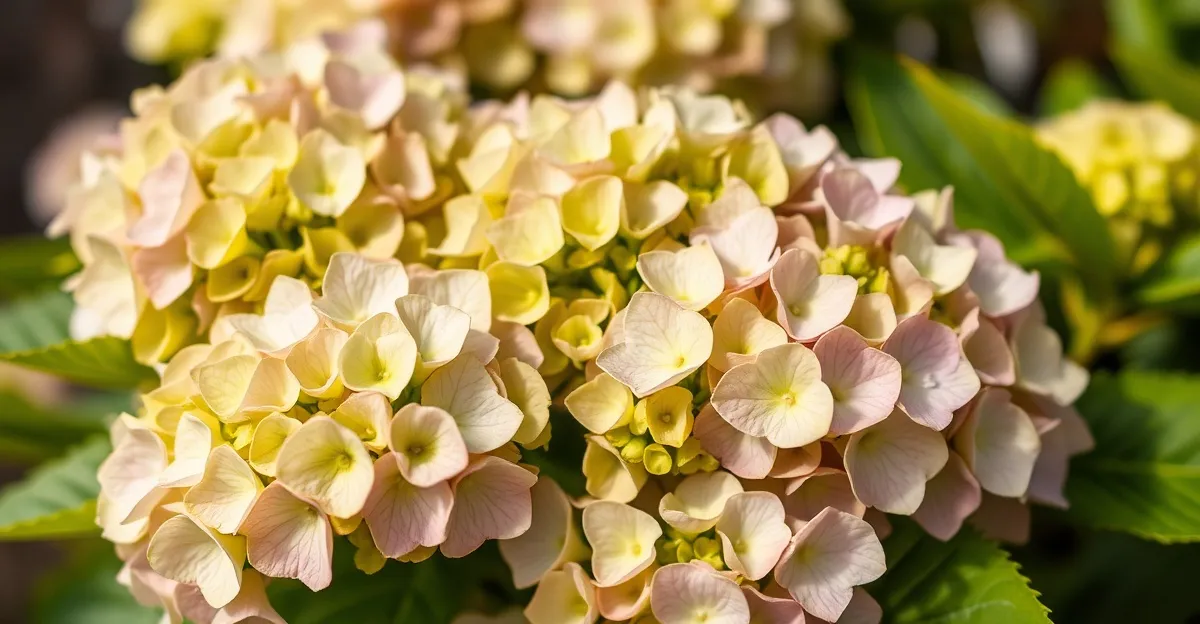
Hydrangeas have a reputation for being temperamental. Put them in a cool, moderately humid European kitchen and they can last ten to fourteen days. Bring them to Bali — coastal heat, swinging humidity, power cuts that disrupt air conditioning — and you might find them wilting within two days. The gap between good and poor hydrangea care is significant, and in a tropical climate, the margin for error is smaller.
The good news: there are specific techniques that genuinely extend hydrangea life in humid conditions. Some are counterintuitive. All of them are worth knowing if you buy, receive, or grow hydrangeas in Bali.
Why Hydrangeas Struggle in the Tropics
Before the tips, it helps to understand why hydrangeas are particularly sensitive. Unlike gerberas or chrysanthemums, which drink through their stems relatively efficiently, hydrangeas can absorb water directly through their petals. This is unusual and it creates a vulnerability: in very humid conditions, the petals can actually absorb moisture from the air and then lose it rapidly in a dryer or hotter space, causing the large flower heads to sag.
The primary cause of early wilting in cut hydrangeas is stem blockage. The cut end of a hydrangea stem quickly forms a seal that restricts water uptake. In cool conditions this happens slowly; in tropical heat it happens fast.
Add Bali's intermittent air conditioning, open-sided villas, and humidity that can swing from 70% to 90% within a single day, and the challenge becomes clear.
Immediate Care When You Receive Hydrangeas
The first hour after cutting or receiving hydrangeas is critical. Here is what to do immediately:
Recut the Stems
Cut at least 2–3 cm from the stem end, at a 45-degree angle. This exposes fresh vascular tissue that has not yet formed a seal. In Bali's heat, do this before placing in water — not 30 minutes later.
Score or Crush the Stem End
Many florists recommend crushing the bottom 2–3 cm of the hydrangea stem with a hammer or the back of a heavy knife. This breaks up the woody material and allows water to enter from multiple points rather than a single narrow channel. Alternatively, make a small vertical split in the stem (1–2 cm) with a sharp knife.
Use Cool Water
Hydrangeas want cool water, not room temperature. In Bali, where room temperature might be 28–32°C, this means using cold water from the refrigerator. Fill your vase with it and add a handful of ice cubes if the room is hot.
Avoid Flower Food for the First Drink
The commercial cut flower food packets that come with arrangements are useful for maintenance but can slow the initial hydration surge hydrangeas need. For the first two to four hours, use plain cool water, then switch to water with a small amount of flower food if you have it.
Vase Setup and Placement
Choose the Right Vase
A vase with a wide neck allows the heavy flower heads to spread without pressing against each other — important because petals bruise easily and bruised areas deteriorate faster. Tall, narrow vases cause stems to crowd at the base and limit water uptake.
Fill the vase so that roughly one-third of the stem is submerged. Too deep and you may get stem rot (especially in warm water); too shallow and uptake is limited.
Placement Within Your Villa or Home
This is where many people go wrong. The instinct is to put a beautiful arrangement somewhere visible and bright — but for hydrangeas in Bali, bright usually means hot. Direct sunlight is the fastest way to wilt a hydrangea. So is placing them near a stove, next to an open window in direct afternoon sun, or in a room without air conditioning during the hottest part of the day.
The ideal placement:
- Cool: A room that stays below 25°C, ideally with air conditioning running at least part of the day
- Shaded: Natural light is fine; direct sun is not
- Away from drafts: Strong fans or air conditioning vents directed at the flowers accelerate moisture loss from petals
The Misting Trick
Hydrangeas can absorb water through their petals as well as their stems. This is a practical advantage in a tropical climate: lightly misting the flower heads with cool water in the morning extends their life. Do this before the heat of the day builds, and repeat in the evening if they look slightly wilted.
A fine-mist spray bottle filled with cool water is a useful tool to keep near any hydrangea arrangement in Bali. Do not drench the flowers — a light mist is sufficient.
The Submersion Revival Method
If your hydrangeas wilt despite good care — a common occurrence in Bali's heat — do not discard them immediately. The submersion revival method works more often than not:
- Fill a clean bucket, bathtub, or large bowl with cool water.
- Submerge the entire flower heads — stems and blooms — completely.
- Leave for one to four hours, or overnight.
- Remove, recut the stems, and place back in a vase with cool water.
This works because waterlogged petals can rehydrate directly. The technique is used by professional florists to revive wilted stems and can buy your arrangement another several days. It is particularly effective in Bali if you do it in the air-conditioned bathroom.
Water Maintenance
Change the vase water every two days. Bacterial buildup in the water blocks the stem channels over time, which is the secondary cause of wilting after initial dehydration.
Each time you change the water:
- Rinse the vase with clean water
- Recut the stem ends (remove another 0.5–1 cm)
- Add fresh cool water
- Remove any leaves that have fallen below the waterline — decomposing leaves accelerate bacterial growth dramatically
Adding a small amount of white vinegar to the vase water (about one teaspoon per litre) slightly acidifies the water, which slows bacterial growth and can extend vase life by one to two days.
Humidity and Mold
Bali's humidity creates a specific risk for hydrangeas that is less common in drier climates: gray mold (Botrytis cinerea). In high humidity, damaged petals develop a fuzzy gray growth that spreads quickly through a flower head.
If you see early signs of gray mold:
- Remove affected flower heads immediately — do not leave them in the arrangement
- Increase air circulation around the arrangement (a gentle fan nearby, not directly on the flowers)
- Avoid misting if mold is present
During the monsoon (November through March), when humidity is highest, hydrangeas are genuinely more challenging to maintain. Dry season (May through September) gives you a better chance of a longer vase life.
For a comparison across different flower types and their tropical resilience, hydrangea vase life in the tropics: how long do they last? gives specific expected timelines for different conditions.

The team
your florists
weekly subscription · Bali
We write about flowers because we love them. We deliver them because someone should — properly, weekly, across Bali.
— heyflowerPay once for 3, 6, or 12 months, no auto-renewal.
Growing Hydrangeas in Bali
Cut flower care is one thing; growing hydrangeas in Bali is a different challenge. The short answer is that they can grow in highland Bali (around Bedugul, Munduk, and Kintamani) where temperatures are cooler, but struggle at sea level. For coastal areas like Canggu and Seminyak, they are not well-suited for outdoor cultivation.
If you want flowering hydrangeas as a potted plant in a coastal Bali home, grow them in a large pot that can be moved between indoor air-conditioned spaces and shaded outdoor areas. Protect them from noon and afternoon sun. Expect slower growth and shorter flowering periods than in cooler climates.
Quick-Reference Care Checklist
When you receive or purchase hydrangeas in Bali:
- [ ] Recut stems immediately at a 45-degree angle
- [ ] Crush or score the stem end
- [ ] Place in cool (refrigerator-cold) water
- [ ] Position in a shaded, cool room
- [ ] Mist flower heads lightly each morning
- [ ] Change water every two days
- [ ] Recut stems each time you change water
- [ ] Remove fallen leaves from vase water promptly
- [ ] If wilted, try full submersion revival before discarding
For regular fresh flower deliveries to keep your home beautiful — hydrangeas when in season, tropical blooms always — heyflower.co delivers every week or fortnight across Canggu, Berawa, Pererenan, Seminyak, and Kerobokan.
Caring for a wider range of tropical blooms becomes easier once you understand the underlying principles. Can hydrangea grow in Bali? A florist's perspective takes a deeper look at the growing side of the question.
Frequently Asked Questions
Why do my hydrangeas wilt so fast in Bali?
Usually because the stem ends blocked too quickly in the heat, preventing adequate water uptake. Recut the stems immediately and use cool water. In extreme cases, the submersion revival method can rehydrate wilted blooms.
Should I use cut flower food with hydrangeas in tropical conditions?
It helps with maintenance but is not a substitute for proper stem preparation and cool water. If you have flower food, add a small amount to the water after the initial hydration period (first four hours).
Can I keep hydrangeas in Bali without air conditioning?
It is difficult but not impossible. You need to keep them in the coolest, most shaded part of the house, change the water frequently, and mist regularly. Expect a shorter vase life — perhaps four to five days rather than seven to ten. During monsoon season, the combination of heat and high humidity makes it very challenging.
What's the best time of day to buy hydrangeas in Bali?
Buy in the morning when flowers are freshest and the day is coolest. If buying from a market, look for stems that were recently cut — ask when the delivery came in. Avoid buying flowers that have been sitting in warm water in direct sunlight, even if they look fresh.
Do white hydrangeas last longer than blue or pink ones in tropical conditions?
Not significantly — vase life is more about care and stem preparation than colour. However, white hydrangeas may look fresher for longer because yellowing or browning is more noticeable on coloured petals than on white ones.
Keep your home in Canggu, Berawa, Pererenan, Seminyak, or Kerobokan beautifully in bloom with weekly or fortnightly flower deliveries from heyflower.co — seasonal blooms curated by florists who understand Bali's climate.
More on Hydrangea