How to Preserve a Hydrangea Bouquet After the Event
Hydrangeas actually preserve beautifully — here's how to dry, press, and preserve your hydrangea bouquet in Bali's humid tropical climate.
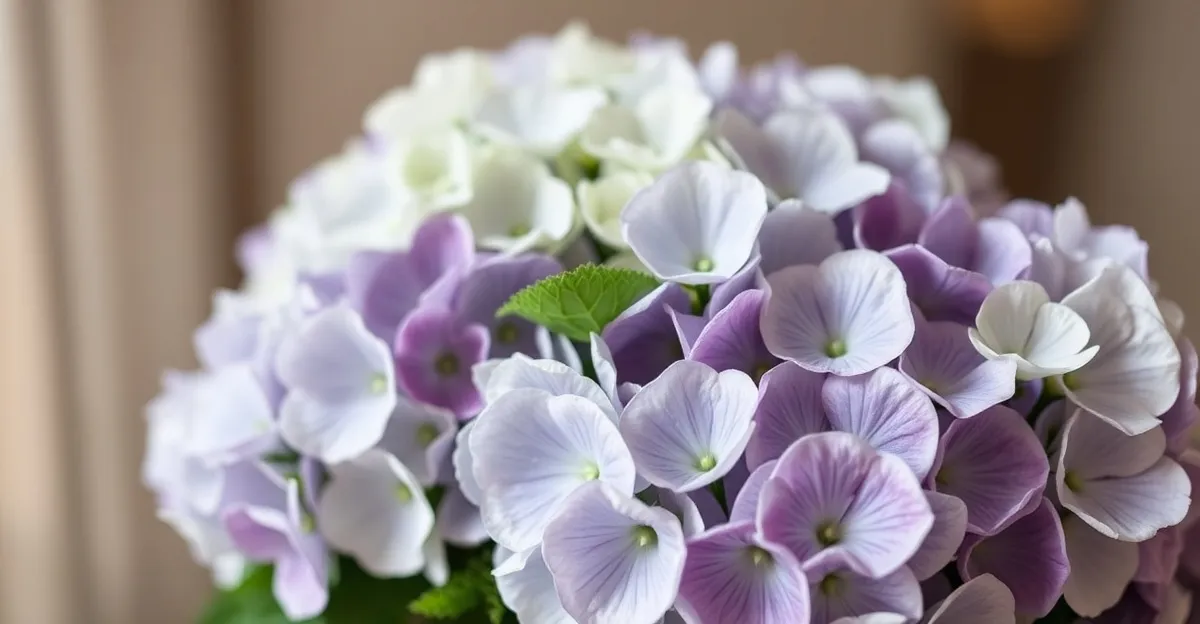
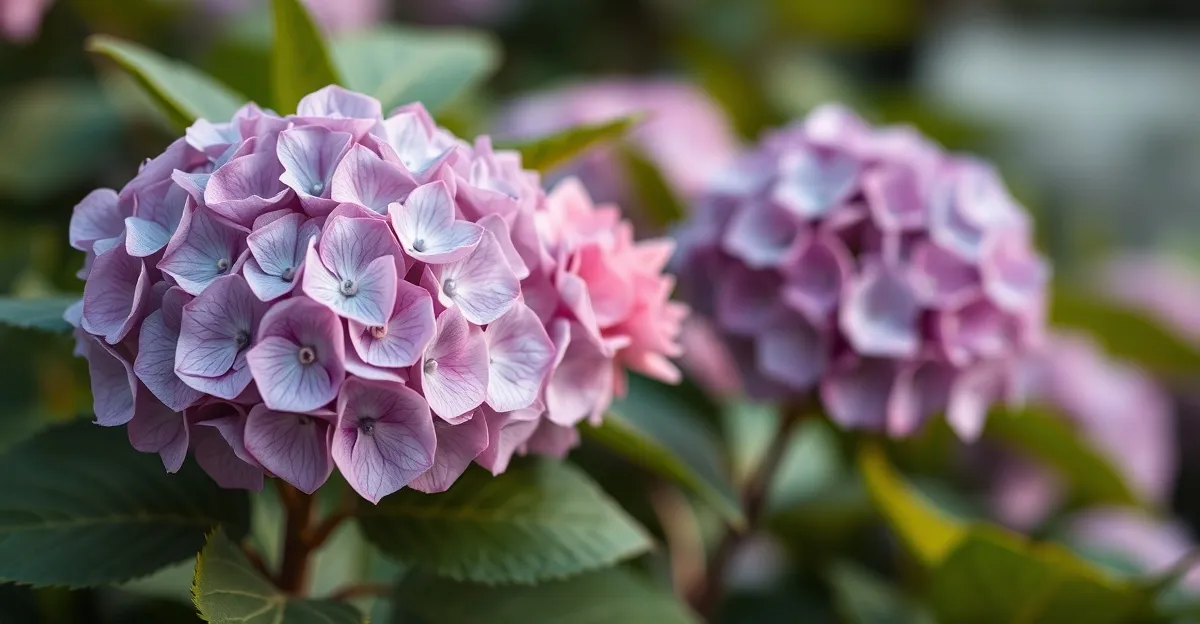
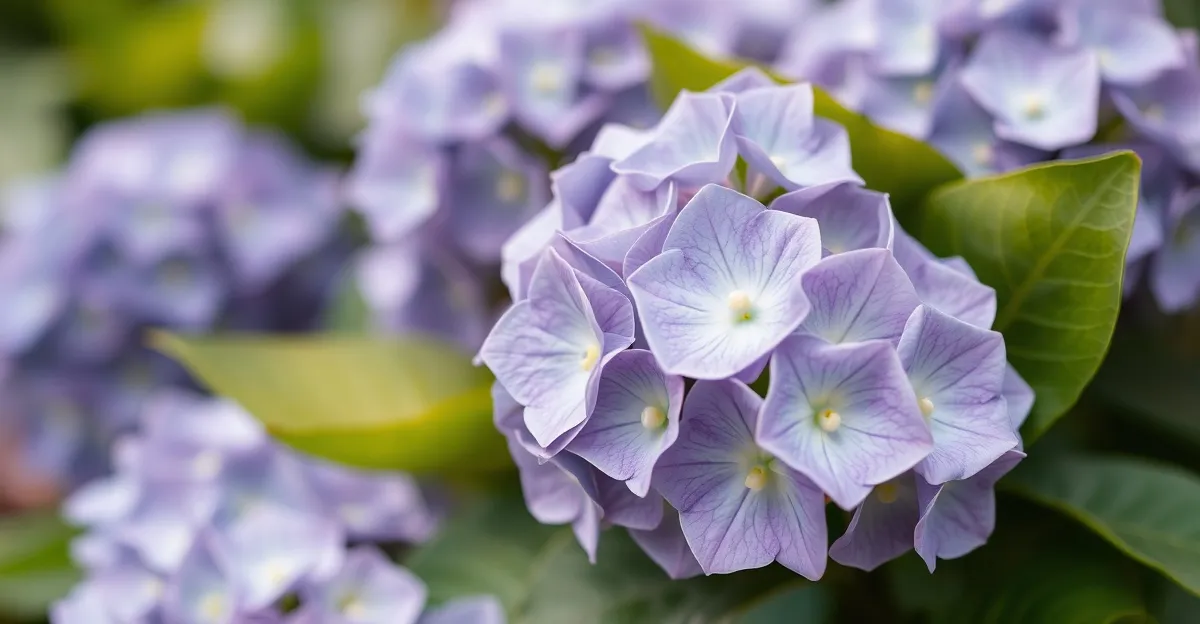
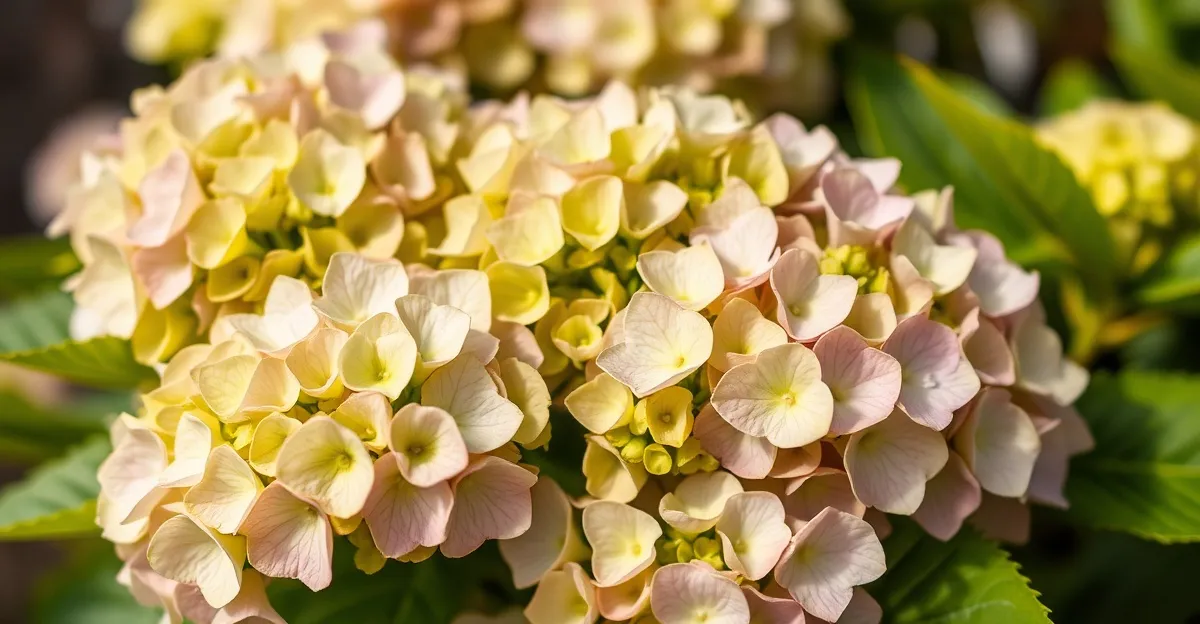
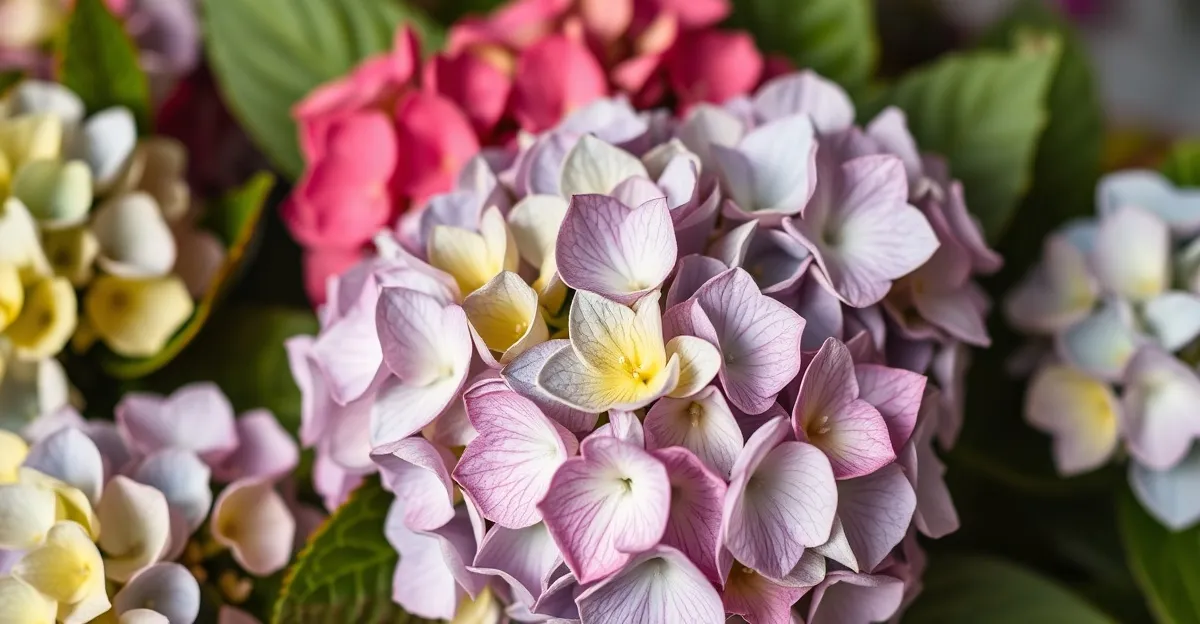
Hydrangeas have a quality that makes them unusually well-suited for preservation: as they naturally dry, they often become more beautiful rather than less. The colours shift toward dusty, muted tones — lavender, sage, antique blush, faded blue — that have a different and sometimes more interesting quality than the vivid fresh versions. Many people find dried hydrangeas more beautiful than fresh ones.
This works in your favour if you want to preserve a wedding bouquet, a meaningful gift arrangement, or simply a particularly beautiful bunch. The main challenge, as with all flower preservation in Bali, is the tropical humidity that makes open air-drying unreliable.
Here is what actually works.
Why Hydrangeas Are Especially Good for Preservation
Unlike many flowers that turn brown, fall apart, or lose their structure when dried, hydrangeas:
- Retain their three-dimensional dome shape relatively well
- Dry with minimal shrinkage
- Change colour gradually and beautifully
- Hold together as a single unit (the tiny florets stay connected)
- Have a papery texture when fully dried that is strong and lasting
This makes them excellent candidates for air-drying, silica preservation, and dried flower arrangements that can last two to three years or more.
Method 1: Air-Drying in an Air-Conditioned Space
Air-drying is the simplest method and produces the characteristic "antique" look that dried hydrangeas are known for. In Bali, the key is controlling humidity.
The Process
Timing matters: The best time to start drying hydrangeas is when they are mature but not yet fading — just past their peak freshness, when the flower head feels slightly papery rather than fully hydrated. If you try to dry very fresh, fully hydrated hydrangeas, they take longer to dry and are more susceptible to mold.
- Remove all leaves from the stems (leaves trap moisture and slow drying)
- Bundle loosely — two to three stems per bundle maximum. Tight bundles prevent airflow and cause uneven drying.
- Hang upside-down from a hook, rod, or wire in a consistently air-conditioned room
- Leave for two to three weeks
- Check for mold every three to four days, particularly during the first week
The result: softly faded, papery hydrangea heads with a warm, vintage quality.
The Bali-Specific Challenge
Bali's humidity makes this method unreliable in rooms without air conditioning. The AC must run consistently, not just during the day. Overnight is when the most condensation occurs, and if the room becomes humid at night (AC turned off, windows open), mold can develop on drying flowers.
During Bali's dry season (May–September), conditions are somewhat more forgiving and the risk is lower. During monsoon months (November–March), air-drying without reliable AC is genuinely risky.
Method 2: Silica Gel Drying
For wedding bouquets and arrangements where you want the flowers to retain their original colour and shape as closely as possible, silica gel drying is the best choice.
What You Need
- Silica gel crystals (order online via Tokopedia/Shopee, or check craft shops in Denpasar; look for blue indicator gel that turns pink when saturated)
- Airtight containers (plastic food containers work well)
- A soft brush for removal
The Process
- Cut stems to approximately 5 cm below the flower head
- Pour a 5 cm layer of silica gel into your container
- Place hydrangea heads face-up on the gel, not touching each other
- Gently pour more silica gel around and over the flowers, working carefully between petals — do not rush this or you will crush the heads
- Seal the container completely
- Leave for 3–5 days (hydrangeas are denser than many flowers and take longer than, say, roses)
- Check by uncovering one flower edge — petals should feel completely dry and papery
- Remove carefully using a soft brush to clear silica from the flower heads
After Removal
In Bali's humidity, expose the dried flowers to air as briefly as possible before displaying or sealing. If you are framing them, proceed directly from silica to the frame. If displaying openly, keep them in an air-conditioned room.
Silica gel can be reused: spread on a baking tray and heat in an oven at 120°C for 30–40 minutes to drive out absorbed moisture. The indicator crystals return to blue when fully dry and ready to reuse.
Method 3: The Water-Drying Trick
This is a wonderfully simple technique that works specifically for hydrangeas in ways it does not for most other flowers.
The Process
- Leave a small amount of water in the vase — about 3–4 cm
- Place hydrangeas in this shallow water as you would normally, but do not top up
- As the water slowly evaporates over one to two weeks, the hydrangea dries gradually while still slightly hydrated at the base
- The slow, controlled drying produces naturally shaped, beautifully textured dried flowers
This works because hydrangeas dry better with a slow process than a fast one. The slight residual moisture at the base during the first days of drying prevents the rapid desiccation that causes other flowers to shrivel.
Bali Adaptation
Again, the vase should be in an air-conditioned room for this method to work. In an open-air or non-AC room during humid weather, the shallow water will encourage mold before it can dry. Keep the room cool and check the flowers every two days.
Method 4: Pressing Hydrangea Florets
Pressing whole hydrangea heads is difficult because of their depth — the dome shape resists flattening. However, individual florets (the small four-petalled individual flowers that make up the head) press beautifully.
The Process
- Gently separate individual florets from the flower head — they come away with a small stem
- Arrange on absorbent paper (blotting paper, coffee filters, or plain printer paper)
- Cover with another sheet of paper
- Place inside a heavy book or flower press
- Add weight on top
- Change the paper after 24 hours (essential in Bali's humidity to remove absorbed moisture)
- Leave for 10–14 days, changing paper every 3–4 days
Individual pressed florets can be arranged in frames, resin, or decorative art pieces.

The team
your florists
weekly subscription · Bali
We write about flowers because we love them. We deliver them because someone should — properly, weekly, across Bali.
— heyflowerPay once for 3, 6, or 12 months, no auto-renewal.
Method 5: Glycerine Preservation
Glycerine preservation keeps flowers supple rather than crisp, creating a preserved bloom that still feels slightly soft and retains some colour. This method is less common but produces a distinctive result.
The Process
- Mix one part glycerine with two parts very hot water; stir until dissolved
- Recut stem ends freshly
- Stand hydrangeas in the glycerine mixture (stems down) in a vase
- Leave for two to three weeks as the flowers draw up the glycerine solution and it replaces the water in their cells
- Remove when flowers feel slightly waxy and colour has deepened slightly
The result is a preserved flower that is not brittle but has a different texture and slightly deeper colour than air-dried. These preserved flowers do better in Bali's humidity than air-dried ones because the glycerine acts as a moisture buffer.
Where to Find Glycerine in Bali
Glycerine is available from pharmacies (apotek) in Bali — it is a common pharmaceutical and cosmetic ingredient. Look for USP-grade (pharmaceutical grade) glycerine; this is the purest form.
Long-Term Storage and Display in Bali
Once preserved by any method, keeping flowers in Bali's humidity is the ongoing challenge:
- Display in sealed shadow box frames with UV-protective glass
- Keep in air-conditioned rooms
- Avoid placing near windows that receive direct morning humidity from outside
- Use silica gel packets in display cases or storage boxes
For inspiration on how other flowers can be similarly preserved, how to preserve a gerbera bouquet after the event covers comparable techniques for gerberas.
Frequently Asked Questions
Do dried hydrangeas last a long time in Bali?
With proper storage in an air-conditioned, low-humidity space, dried hydrangeas can last two to three years and beyond. The colours continue to fade gradually over time. In open, non-AC spaces in Bali, they may absorb humidity and become limp or develop mold within months.
Which preservation method gives the best colour retention for hydrangeas?
Silica gel drying retains the most colour, typically producing flowers that are only slightly faded from their fresh state. Air-drying causes more significant fading but produces the characteristic antique look that many people prefer.
Can I preserve a whole wedding bouquet at once?
For a full bouquet, air-drying upside-down is the most practical method — you can dry a whole bouquet together. For silica gel drying, you would need to separate the stems into individual heads. Professional freeze-drying services can preserve a whole bouquet's three-dimensional shape and are the best option for wedding bouquets of significant sentimental value.
Why did my dried hydrangeas go limp after a while?
They have reabsorbed moisture from the air. This is common in Bali's humid climate. To revive them: allow to dry in an air-conditioned room again, or carefully place in silica gel for a day. Going forward, keep them in a sealed display or ensure consistent air conditioning in the room where they are displayed.
Can the water-drying method work in an open-air Bali villa?
Not reliably during monsoon season or in high-humidity conditions. It is better suited to the drier months (May–September) and should still be in the shadiest, coolest part of the villa. If you do not have AC, the silica gel method is more reliable year-round.
Keep your home beautifully in bloom with regular deliveries from heyflower.co — weekly or fortnightly fresh flowers delivered across Canggu, Berawa, Pererenan, Seminyak, and Kerobokan.
More on Hydrangea