Can Hydrangea Grow in Bali? A Florist's Perspective
Can you grow hydrangeas in Bali's tropical climate? A local florist's honest take on what's possible, where they thrive, and what to expect.
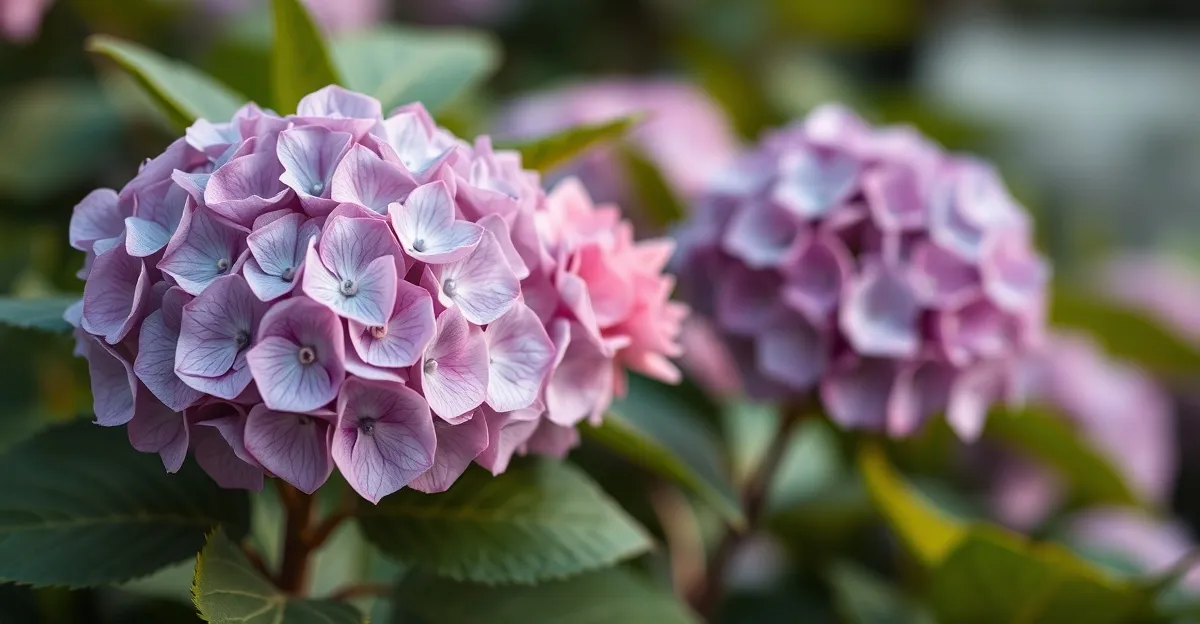
Every few weeks someone asks us this. Usually it is a guest at a villa in Canggu or Seminyak who has spotted hydrangeas in an arrangement and wants to grow them in the garden. Sometimes it is an expat building a new home in Pererenan who has a vision of a hydrangea-bordered pathway. Sometimes it is someone who received a beautiful pink hydrangea bouquet and wonders if they can pot the stems.
The honest answer is: yes, hydrangeas can grow in Bali — but not everywhere, and not easily at sea level. Where they genuinely thrive is in Bali's highlands. At the coast, it requires more effort and realistic expectations.
Here is the full picture.
The Climate Challenge
Hydrangeas (Hydrangea macrophylla and related species) evolved in East Asia — Japan, China, Korea — and the Americas, in temperate and subtropical zones. Their natural growing conditions are:
- Temperature range of 10–25°C (they can handle warmer days but prefer cool nights)
- Moderate humidity
- Seasonal rest periods triggered by cooler winter temperatures
- Well-draining, slightly acidic soil
Bali's coastal areas provide high humidity (tick) and year-round warmth — but that warmth is the problem. Coastal Bali rarely drops below 24°C even at night, and day temperatures of 30–33°C are common. There is no cold season to trigger the dormancy period that hydrangeas use to reset and prepare for flowering.
The result: hydrangeas growing at sea level in Bali tend to produce abundant foliage but struggle to flower. They stay alive, but they do not behave the way you expect from photographs of lush hydrangea gardens.
Where Hydrangeas Do Well in Bali
The situation changes significantly in Bali's highlands. Areas above approximately 800 meters elevation — Bedugul, Munduk, Kintamani, the slopes of Batur — have:
- Daytime temperatures of 18–24°C
- Night temperatures that can drop to 14–16°C
- Higher rainfall and cooler humidity
- Occasional mist and cloud cover
These conditions are genuinely suitable for hydrangea cultivation. In fact, there are small farms around Bedugul that grow hydrangeas commercially for the Bali cut flower market. The flowers produced there are of good quality, though the scale is modest compared to the volume imported from Java.
If you are staying or living in highland Bali, growing hydrangeas outdoors is a genuine option. Bedugul's botanical garden (Kebun Raya Eka Karya) contains hydrangeas growing in outdoor beds — visible evidence that the highland climate suits them.
Growing Hydrangeas at Coastal Bali: What Is Possible
If you are determined to grow hydrangeas in a coastal villa or garden, here is what actually helps:
Choose the Right Spot
The best chance of success at sea level comes from creating a microclimate that is as close as possible to the hydrangea's preferences:
- Full morning light, afternoon shade: Avoid afternoon direct sun completely. The east-facing side of a building or wall is ideal.
- Protected from direct rain: During monsoon, heavy rain can damage flower heads and promote fungal disease
- Good air circulation: Reduces humidity buildup and mold risk
Grow in Pots, Not Ground
Pot cultivation gives you mobility and control. You can move hydrangeas indoors to air-conditioned spaces during the hottest months, and you have complete control over soil composition and pH. This is significantly easier than managing ground conditions.
Use a large pot (at least 40 cm diameter) with excellent drainage. Hydrangeas hate sitting in wet soil — root rot in Bali's conditions is a real risk.
Soil and Fertiliser
Hydrangeas need slightly acidic soil (pH 5.5–6.5) to thrive and to produce blue flowers. In Bali, tap water tends to be neutral to alkaline, which gradually alkalises the soil. Use a soil mix designed for ericaceous (acid-loving) plants, or add perlite and peat moss to your potting mix.
Fertilise with a balanced slow-release fertiliser once every three months. Avoid high-nitrogen fertilisers that push foliage growth at the expense of flowers.
Temperature Management
This is the crux of the challenge. If you can keep hydrangeas in an air-conditioned room for the hottest months — essentially treating them as a houseplant during summer peaks — and move them to sheltered outdoor positions in the cooler mornings, they have a better chance of flowering.
Some expats in Canggu and Seminyak maintain flowering hydrangeas this way: indoor air conditioning provides the cool nights the plant needs, outdoor morning light provides energy for growth. It requires commitment but it is possible.
Watering in Bali's Climate
Hydrangeas need consistent moisture but not waterlogging. In Bali:
- During dry season, water daily in the morning, allow to dry slightly before evening
- During monsoon, protect from prolonged heavy rain and ensure drainage is excellent
- Never let pots sit in standing water — raise pots on feet if needed
In coastal humidity, the soil surface may feel moist even when the root zone is dry. Check soil moisture at depth (stick a finger or wooden skewer 5 cm into the soil) rather than judging by the surface.
What About Rooting Cuttings from a Bouquet?
This is a common question: can you propagate hydrangeas from cut flower stems?
The answer is technically yes, but the stems sold as cut flowers are typically treated to prevent rooting, and they have been out of water for enough time that root initiation is uncertain. The success rate is low, especially in tropical heat.
If you want to try:
- Use stems with at least three leaf nodes
- Remove the lower leaves
- Cut to 15–20 cm
- Dip the cut end in rooting hormone powder (available in larger gardening centres in Bali)
- Plant in a gritty, well-draining propagation mix
- Keep humid (cover with a plastic bag) and cool
- Wait three to four weeks for rooting — and have low expectations
Better options for getting hydrangea plants in Bali: buy from local nurseries in Bedugul, or have plants brought from Java where they are more commonly cultivated for retail.
For comparison, flowers that are genuinely well-suited to Bali's coastal climate require much less management. Can heliconia grow in Bali? A florist's perspective covers a tropical flower that thrives here without effort.

The team
your florists
weekly subscription · Bali
We write about flowers because we love them. We deliver them because someone should — properly, weekly, across Bali.
— heyflowerPay once for 3, 6, or 12 months, no auto-renewal.
Commercial Growing in Bali
The hydrangea farms in highland Bali — primarily around Bedugul — supply a portion of what appears in Bali's cut flower markets. Growing conditions there are much more naturally suited to the crop, and the flowers produced are of good quality.
The farms use shade cloth to moderate light intensity, irrigation systems for dry periods, and controlled soil amendments for consistent colour. Output is seasonal, with peak production in Bali's dry season when temperatures are slightly lower.
When buying hydrangeas in Bali, asking your florist whether the flowers are locally grown (highland Bali) or imported from Java is worthwhile — locally grown stems are typically fresher with higher water content, which translates to longer vase life.
The Honest Florist's Verdict
Hydrangeas can grow at sea level in coastal Bali, but they require significant management and even then may flower sporadically or not at all. For most people in Canggu or Seminyak, the realistic approach is to enjoy hydrangeas as cut flowers (available fresh, regular deliveries) rather than as garden plants.
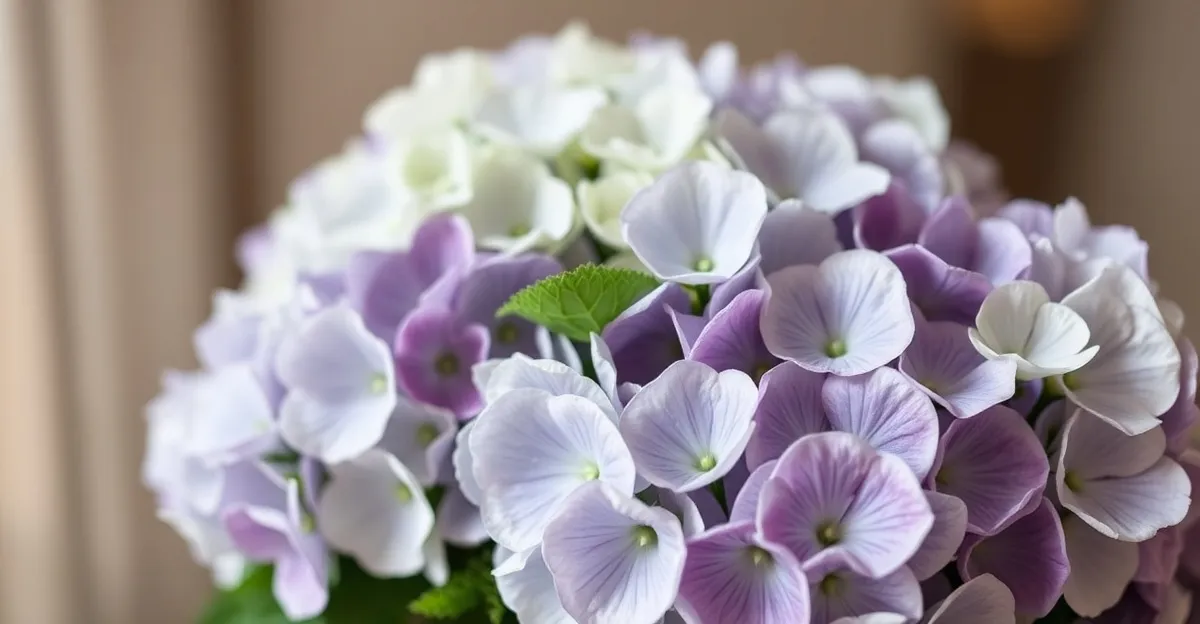
If you love hydrangeas in your home regularly, a subscription that delivers them fresh alongside seasonal Bali blooms is more satisfying than fighting the climate with a struggling plant.
For highland Bali residents and visitors, growing hydrangeas is genuinely rewarding and much more achievable.
heyflower.co delivers fresh hydrangeas (when seasonally available) and curated arrangements weekly or fortnightly across Canggu, Berawa, Pererenan, Seminyak, and Kerobokan.
Frequently Asked Questions
What hydrangea species grows best in tropical conditions?
Hydrangea macrophylla (bigleaf hydrangea) is the most common species in cultivation and the one you typically see in cut flower arrangements. Some Hydrangea paniculata varieties are slightly more heat-tolerant. There are tropical relatives in the broader Hydrangeaceae family, but these are not the same plants as the ornamental garden hydrangea.
Can I grow blue hydrangeas in Bali?
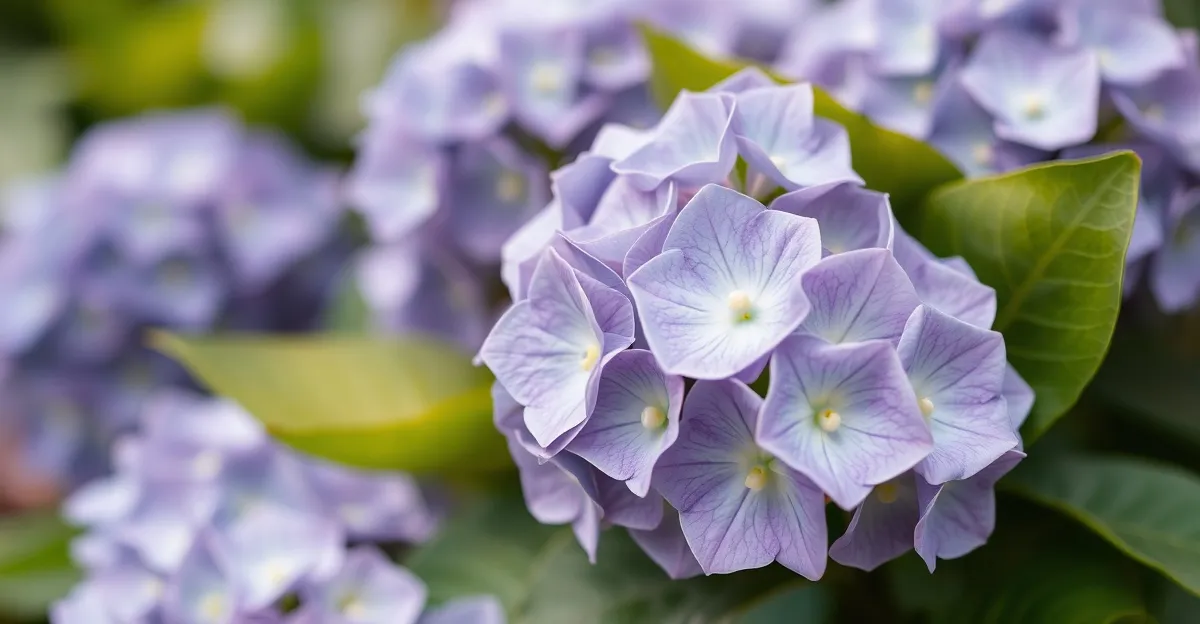
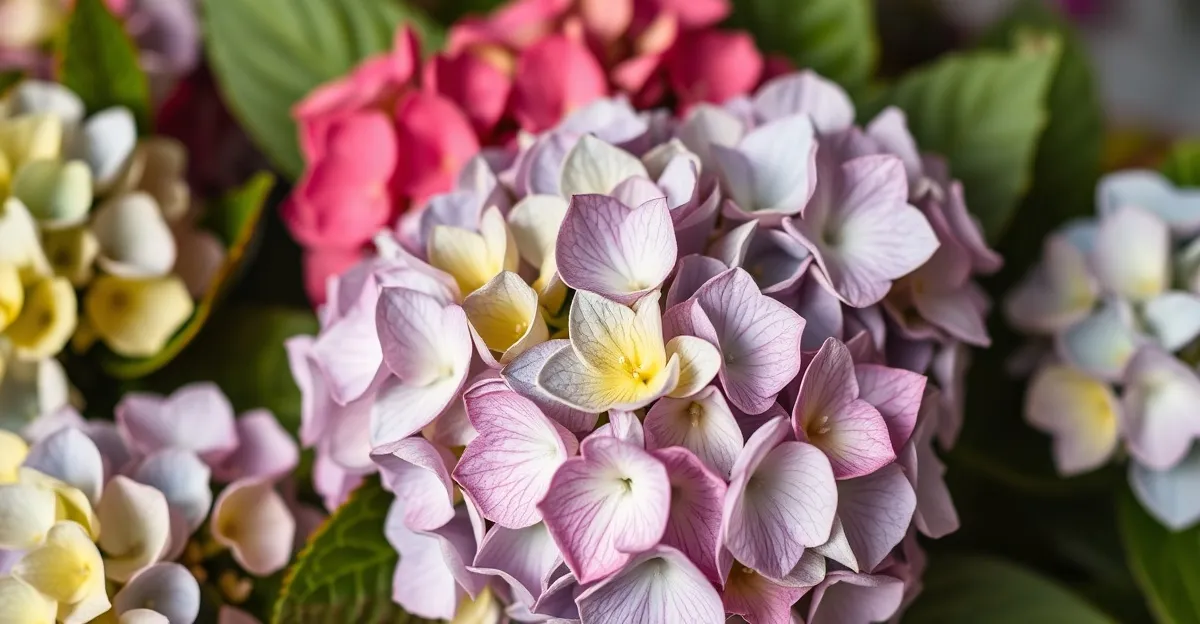
The blue colour of Hydrangea macrophylla depends on acidic, aluminium-rich soil. Bali's coastal soils and water tend toward neutral or alkaline, which would push blue hydrangeas toward pink. You would need to actively maintain soil pH through acidic amendments (sulfur, peat) to sustain blue flowers.
Are hydrangeas toxic to pets or children?
Yes, hydrangeas are mildly toxic if ingested — all parts of the plant contain cyanogenic glycosides. For households with pets or young children who might chew on plants, keep potted hydrangeas in inaccessible locations. Cut flowers in vases at table height pose a lower risk.
How much does a hydrangea plant cost in Bali?
Potted hydrangeas from Bedugul nurseries typically cost Rp 80,000–200,000 depending on size and variety. Imported plants from Java are sometimes available through larger garden centres at similar prices. These are well-established plants, not rooted cuttings.
Why aren't my hydrangeas flowering in my Bali garden?
The most common reasons in a coastal Bali garden: insufficient cool nights to trigger bud formation, too much direct sun (especially afternoon sun), or soil that is too alkaline. If the plant looks healthy but does not flower, temperature is usually the culprit.
Beautiful fresh hydrangeas delivered to your door — heyflower.co offers weekly and fortnightly arrangements for homes across Canggu, Berawa, Pererenan, Seminyak, and Kerobokan.
More on Hydrangea