How to preserve a protea bouquet after the event
Step-by-step guide to preserving a protea bouquet after a wedding or event in Bali — air-drying, silica gel, and resin methods explained.
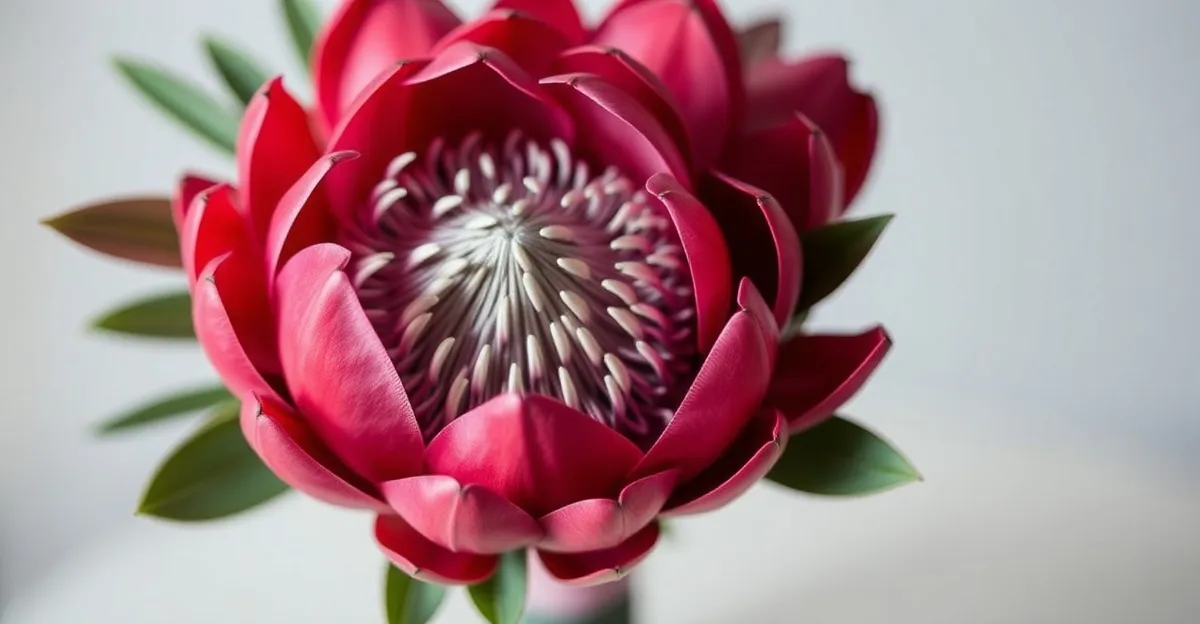
One of protea's genuinely remarkable qualities is what happens after its fresh life ends. Most flowers — roses, lisianthus, ranunculus — deteriorate as they age, petals browning and falling. Protea does something different. The blooms dry naturally, retaining their shape and developing a papery, sculptural quality that many people find even more beautiful than the fresh flower. This makes protea an excellent candidate for preservation, and it's one of the reasons protea wedding bouquets are among the most commonly preserved.
If you've just had a wedding, an event, or a significant celebration in Bali and you want to keep your protea arrangement as a lasting memory, here's what works.
Understanding why protea preserves so well
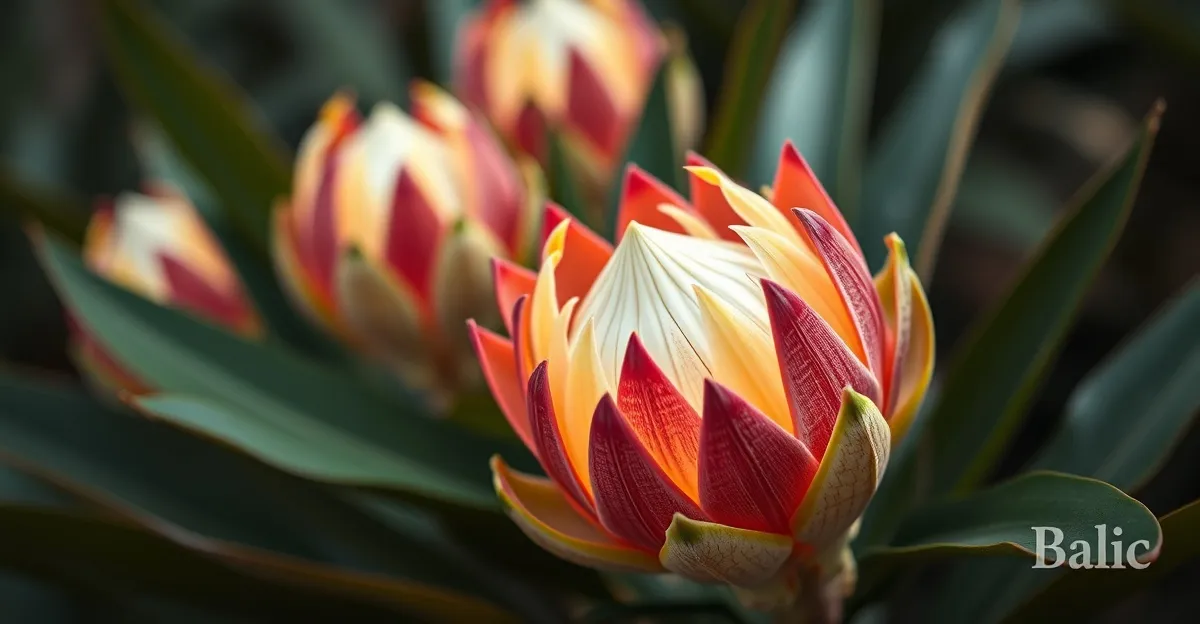
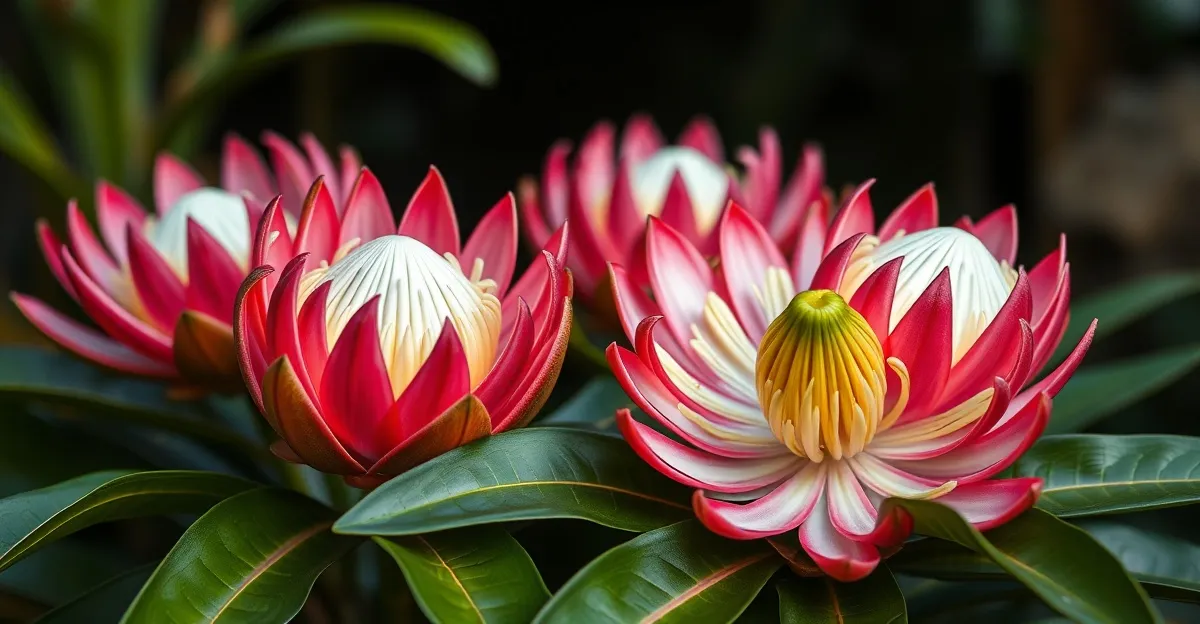
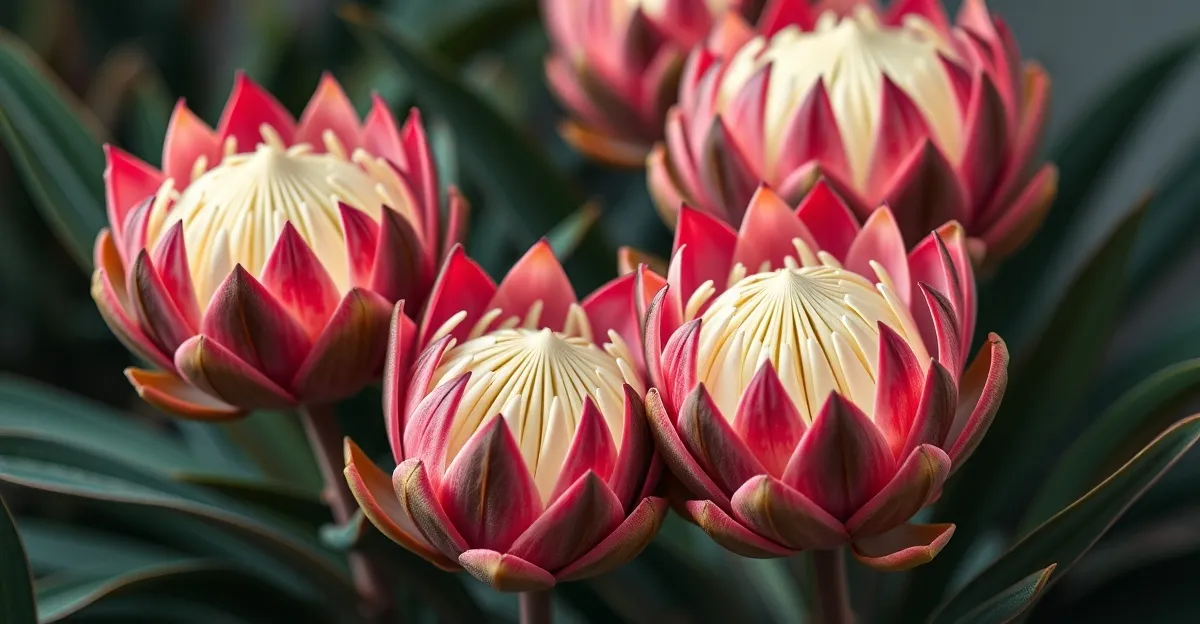
Protea's thick, waxy petals and dense woody stems are adaptations to the harsh fynbos climate in South Africa — they're built to survive heat, wind, and drought. These same qualities make protea exceptionally well-suited to natural drying. The petals don't collapse or crinkle as they lose moisture; they firm up and hold their form.
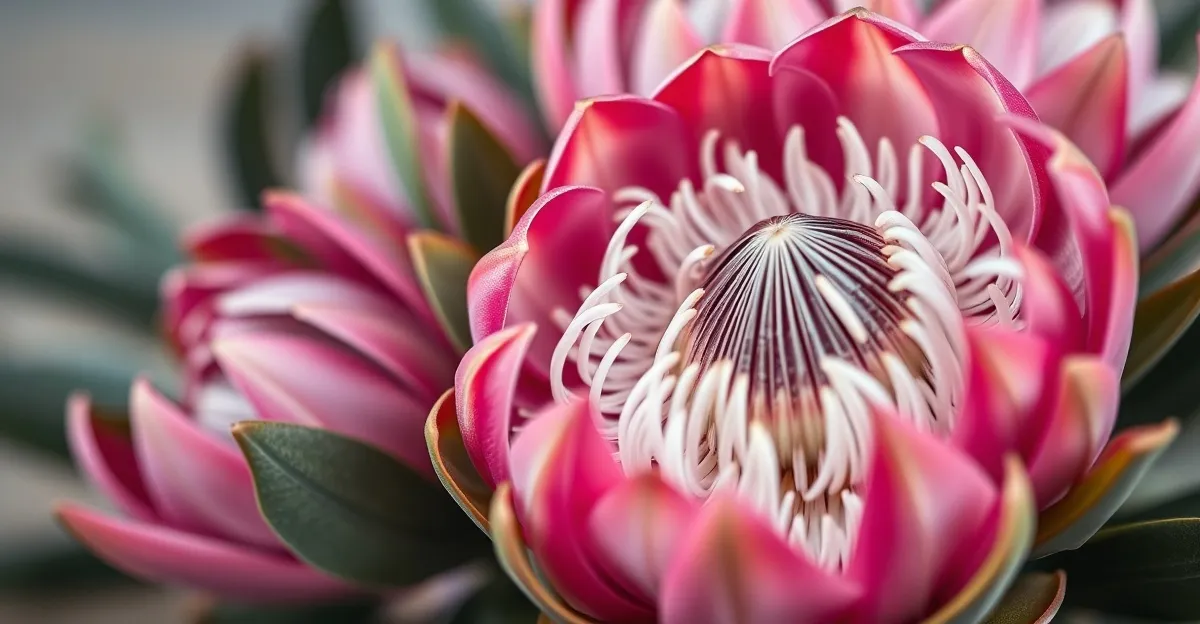
The central cone of King Protea, in particular, can look almost identical dried as it does fresh — slightly more compact, slightly more textured, but recognisably the same flower. Colour typically shifts toward warmer, more muted tones as the flower dries: a vivid pink becomes a warm dusty rose; a rich crimson deepens toward burgundy.
Method 1: Air drying (the simplest and most effective approach)
For most people preserving a protea bouquet in Bali, air drying is the right method. It requires no equipment, produces beautiful results, and protea's natural resilience means the process is forgiving.
How to do it:
-
After the event, remove any very soft or delicate flowers from the bouquet that won't dry well (ranunculus, sweet peas, and anemones generally don't air-dry cleanly). Protea, leucadendron, eucalyptus, dried grasses, and pampas are all excellent for air drying.
-
Remove all foliage from the lower portion of the stems — any leaves that remain wet or press against other stems can develop mould during the drying process, particularly in Bali's humidity.
-
Bundle the stems loosely (don't pack them tightly — air circulation is essential in a humid climate).
-
Hang the bundle upside-down in a dry, ventilated space out of direct sunlight. Upside-down hanging ensures the stems dry straight and the flower heads maintain their shape.
-
The critical factor in Bali is low humidity in your drying space. The island's ambient humidity (70–85%) is actually quite challenging for air drying. Use an air-conditioned room if possible, or at minimum a fan-ventilated space in the driest season (April–October is preferable). Running a dehumidifier in the drying space makes a significant difference.
-
Allow 2–4 weeks for complete drying. You'll know it's done when the stems feel completely rigid and there's no softness remaining in the blooms.
For more context on this technique with other flowers, see our guide on how to air-dry a rose bouquet — the principles are similar, though protea requires even less intervention.
Method 2: Silica gel drying
Silica gel is a desiccant that absorbs moisture rapidly, drying flowers in days rather than weeks and often preserving colour more vividly than air drying. It's particularly useful for any soft flowers mixed into your bouquet that wouldn't survive the air-drying process.
How to do it:
-
Purchase silica gel crystals — available at craft stores and florist suppliers in Denpasar and online for delivery to Bali.
-
Pour a shallow layer of silica gel into an airtight container (a sealed plastic tub works well).
-
Place individual flower heads face-up on the silica layer, then carefully pour more silica around and over the blooms, covering them completely. Be gentle to avoid distorting the petals.
-
Seal the container and leave for 3–7 days. For large King Protea blooms, allow closer to the longer end.
-
Gently pour out the silica and carefully remove the blooms with a soft brush to clear any remaining granules.
Silica-dried protea often retains more of its original colour than air-dried specimens. The trade-off is that the flowers can become brittle, so handle them carefully.
Method 3: Resin preservation
Resin preservation encases individual flowers or small arrangements in clear resin, creating a permanent display piece. This is a more involved process and typically best done by a specialist — several Bali-based craft workshops offer this service, particularly around Seminyak and Ubud.
For a wedding bouquet where you want a lasting keepsake, a resin-preserved King Protea bloom in a clear block or dome is genuinely beautiful. The flower is permanently visible and protected, and the display object itself has a sculptural quality that suits Bali's design-forward interior aesthetic.
The cost for professional resin preservation in Bali typically starts from around Rp 400,000–Rp 800,000 for a single bloom or small arrangement. Turnaround is usually 1–2 weeks.
If you're interested in more advanced preservation options, freeze-drying flowers: is it worth it for tropical blooms? explores the most high-end preservation method and whether it makes sense in Bali's context.

The team
your florists
weekly subscription · Bali
We write about flowers because we love them. We deliver them because someone should — properly, weekly, across Bali.
— heyflowerPay once for 3, 6, or 12 months, no auto-renewal.
Practical tips for Bali's specific conditions
Humidity is the main enemy. Everything in the drying and preservation process in Bali is about managing moisture. If you have access to air conditioning or a dehumidifier, use it. If not, work during the dry season (April–October) when ambient humidity is somewhat lower.
Act quickly after the event. The sooner you begin the preservation process, the better the results. Don't leave the bouquet in water for days after the wedding while you figure out what to do — begin the drying process the morning after the event at the latest.
Keep the full arrangement together. The most meaningful preserved bouquets include all the elements of the original — not just the protea heads but the eucalyptus, leucadendron, ribbon, and any dried grasses. Dry the full arrangement as a unit.
Label and store properly. Dried protea arrangements are delicate. Store them in a box with tissue paper padding, away from direct light (which fades the colour over time) and humidity. A sealed box in an air-conditioned space is ideal for long-term storage.
FAQ: Preserving protea after a Bali event
How long will a preserved protea arrangement last? With good storage — away from moisture, direct sunlight, and physical damage — a dried protea arrangement can look beautiful for several years. Some people have dried protea pieces that have retained their form and colour for a decade or more.
Can I preserve a protea arrangement that's already been in water for a week? Yes, protea is forgiving enough to begin the drying process even after a full week as a fresh arrangement. Trim any damaged petals and allow any surface moisture to evaporate before beginning the drying process.
Does air conditioning in Bali help the drying process? Significantly. Air-conditioned spaces run at lower humidity (typically 50–60%) compared to the ambient outdoor humidity of 75–85%. This is the single most useful thing you can do for air drying in a tropical climate.
Will the colour change during drying? Yes — expect some shift. Deep pinks typically become warm dusty roses; reds become burgundy or terra-cotta; creams may become slightly more golden. The change is usually attractive rather than disappointing.
What should I do if I notice mould developing during drying? Immediately move the arrangement to a drier, more ventilated space. Remove any visibly moulded stems. Mould in a drying arrangement in Bali is a sign that humidity is too high — address the environment, not just the individual flower.
Ready to bring fresh flowers to your Bali home or event? Explore our weekly flower subscription and get handpicked blooms delivered to your door every week.
More on Protea