Freeze-drying flowers: is it worth it for tropical blooms?
Wondering if freeze-drying works for tropical flowers in Bali's humid climate? Here's an honest look at the process, costs, and what blooms survive it best.
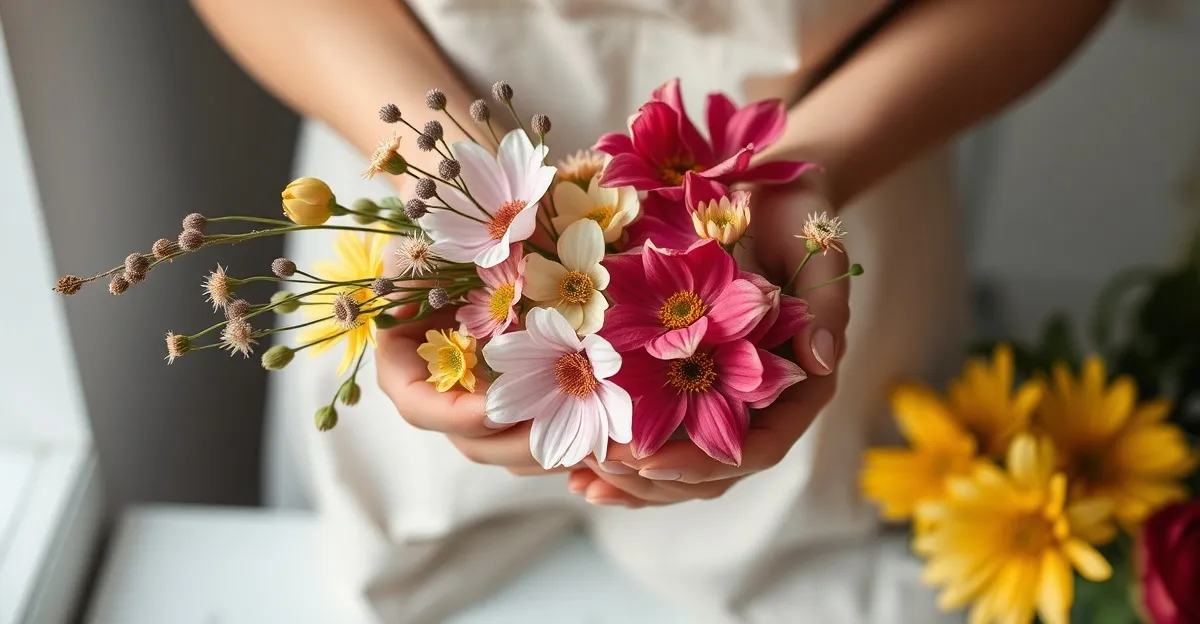
Freeze-drying sounds like a magic trick — you put a fresh flower in, and a few days later you pull out something that looks almost exactly the same, just permanently still. It's a preservation method that's gained serious traction among florists and brides worldwide, but in Bali's tropical climate, the question isn't just whether it works. It's whether it keeps working once the flower is sitting on your shelf in 85% humidity.
Let's be honest about what freeze-drying actually does, how it handles tropical flowers specifically, and whether the investment makes sense for most people living on or visiting the island.
What freeze-drying actually does to a flower
Freeze-drying is a process called lyophilization — the same technique used to preserve pharmaceuticals and food. The flower is frozen solid first, typically to around -40°C, then placed in a vacuum chamber. Under vacuum, the ice in the plant cells sublimates directly into vapor without passing through a liquid stage. The result is a flower that has lost virtually all its moisture but retained its original three-dimensional shape, color, and texture.
This is fundamentally different from air-drying or silica gel drying, which both cause some shrinkage and distortion as the cell walls collapse. Freeze-dried flowers hold their volume remarkably well. A rose freeze-dried properly looks nearly identical to a fresh rose — same curve in the petals, same fullness in the bloom.
The catch is equipment. A freeze-dryer capable of handling flowers costs anywhere from Rp 15 million for a small home unit to over Rp 150 million for a commercial machine. The process itself takes between three and seven days depending on the flower's water content and density. This is why most people either send blooms to a specialist or skip freeze-drying entirely.
How tropical flowers respond to the process
Tropical flowers tend to have higher water content than their temperate counterparts, which makes freeze-drying them slower and more demanding. But many handle it surprisingly well.
Heliconia, with its waxy, structured bracts, freeze-dries beautifully. The color holds and the dramatic shape survives intact. Bird of paradise (strelitzia) is another strong performer — the firm petals and bold orange-and-blue coloring come through with minimal fading.
Frangipani, Bali's most iconic flower, is trickier. The petals are thin and prone to transparency once dried, and the pale pink and white shades can shift toward a dull cream. If you're hoping to preserve frangipani's fresh, luminous quality, freeze-drying often disappoints compared to pressing. Preserving frangipani color without fading covers this in more detail.
Orchids — particularly the dendrobium varieties grown throughout Gianyar and Tabanan — do well in freeze-drying when handled carefully. The key is processing them as fresh as possible, within a few hours of cutting.
Ginger flowers and torch ginger present a challenge due to their extremely high water content and dense structure. Expect longer processing times and some color loss in the deeper reds and pinks.
The Bali humidity problem
This is the real issue that doesn't get discussed enough. Freeze-drying removes moisture extremely effectively — a well-processed flower might be down to 1-2% moisture content. But that same flower, once removed from the sealed vacuum chamber and placed in a Bali room, immediately starts absorbing moisture from the air.
In Seminyak or Canggu during the wet season (roughly October through March), indoor humidity regularly sits at 75-90%. Freeze-dried flowers are hygroscopic, meaning they'll pull that moisture back into their cell structure over time. Within weeks, an inadequately sealed display piece can feel slightly soft again, and within months, mold becomes a genuine risk.
The solution is display cases with silica gel desiccant packets — the same approach used for museum specimens. A sealed glass dome with a couple of silica gel sachets changed monthly will extend a freeze-dried flower's life dramatically. Without that, you're fighting Bali's climate constantly.
This is why freeze-dried flowers are more practical for keepsakes meant to be stored (in a box, wrapped) than as permanent open-air displays.
When freeze-drying is genuinely worth it
Wedding bouquets: This is the strongest use case in Bali. A bride's bouquet represents real emotional and financial investment — often Rp 500,000 to Rp 2,000,000 or more for premium flowers. Freeze-drying the bouquet after the wedding creates a preservation that looks like the actual flowers from the actual day. No other method comes close for maintaining that three-dimensional freshness. Stored properly in a sealed case, it can last decades.
Single significant flowers: A flower given at a meaningful moment — a proposal, a funeral, a ceremony — can be worth freeze-drying as a standalone keepsake. The cost per stem is significant but justified if the sentimental value is high.
Professional florist inventory: Some florists in Ubud and Seminyak who specialize in dried arrangements use commercial freeze-dryers to process seasonal blooms at peak quality, then sell them months later. The consistency and quality of freeze-dried stock is hard to match with other methods.
For everyday flowers from a weekly subscription bouquet, freeze-drying is likely overkill. Air-drying or pressing offers a more accessible alternative for most tropical blooms. How to air-dry a rose bouquet is a good place to start if you want a simpler preservation method.

The team
your florists
weekly subscription · Bali
We write about flowers because we love them. We deliver them because someone should — properly, weekly, across Bali.
— heyflowerPay once for 3, 6, or 12 months, no auto-renewal.
What to expect from a Bali freeze-drying service
There are a small number of preservation specialists operating in Bali, primarily based in Denpasar and around the Seminyak-Kerobokan area. Turnaround time is typically two to four weeks. Expect to pay Rp 300,000–Rp 800,000 for a single bloom preservation depending on the flower type and display case included.
Communication is important: tell the specialist exactly what you want preserved and when (same-day pickup after an event is ideal — the fresher the flower, the better the result). Some will arrange hotel or villa pickup in tourist areas for wedding parties.
Overseas services also exist — Singapore has several well-reviewed labs — but shipping fresh flowers internationally is complicated and the timing window is very short.
FAQ
Can I freeze-dry flowers at home in Bali? Consumer freeze-dryers exist but are expensive (from around Rp 15 million) and take up significant space. For one-off projects, hiring a specialist is almost always more cost-effective. Home units are worth considering only if you plan to process flowers regularly.
How long do freeze-dried flowers last in Bali's climate? In a sealed, humidity-controlled display case with silica gel, properly freeze-dried flowers can last 10–20 years or longer. Exposed to open air in Bali's humidity, expect noticeable degradation within 3–6 months.
Can freeze-drying preserve scent? Partially. The aromatic compounds in some flowers survive freeze-drying better than other methods, but the scent fades over months. Don't expect a freeze-dried frangipani to still smell fresh after a year.
Does freeze-drying work on canang sari offerings? The individual flowers can be freeze-dried, though the offering's assembled form is difficult to preserve as a whole piece due to the banana leaf base and varied flower types. Pressing individual blooms from a canang is more practical for keepsake purposes.
Is freeze-drying worth it for a subscription bouquet? For weekly flowers, probably not. The cost per arrangement would be high and other methods like air-drying and pressing produce good results for everyday blooms. Save freeze-drying for flowers with real sentimental significance.
Freeze-drying is a genuine preservation option for tropical flowers, but it works best when you go in with clear expectations: sealed storage is essential in Bali's humidity, and the method makes most sense for emotionally significant flowers rather than decorative everyday arrangements. When it works — and it does work beautifully for heliconia, orchids, and wedding bouquets — nothing else comes close.
Ready to bring fresh flowers to your Bali home or event? Explore our weekly flower subscription and get handpicked blooms delivered to your door every week.



