How to care for protea in Bali's humid climate
Proteas are surprisingly resilient cut flowers, but Bali's tropical heat and humidity require specific care. Learn how to get the most from your protea arrangement in the tropics.
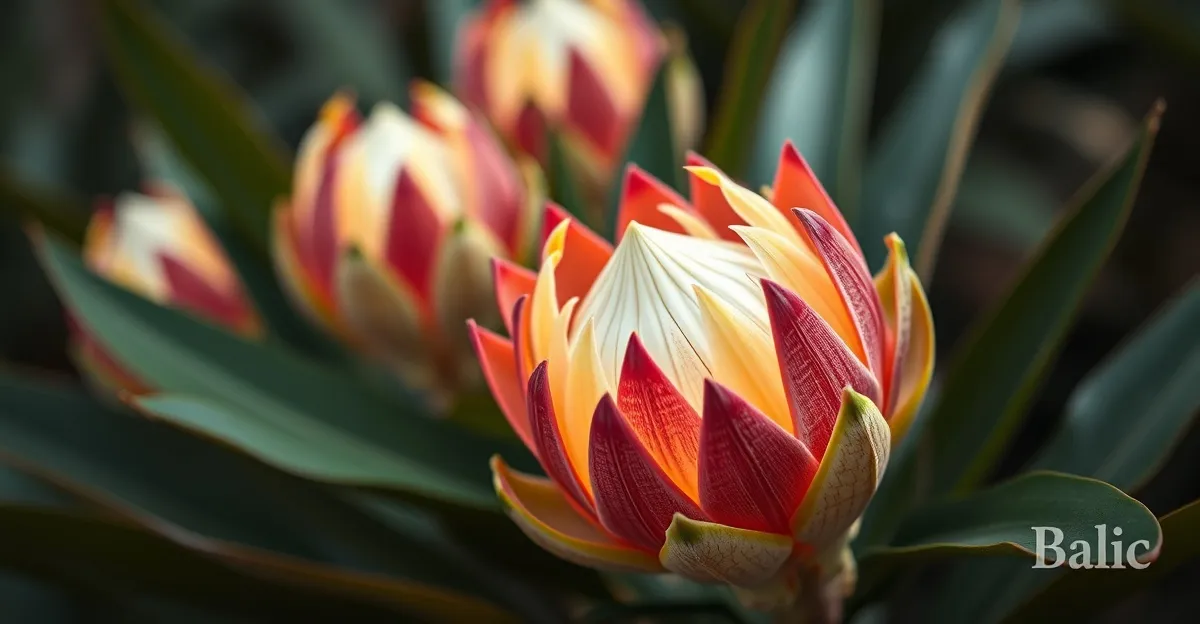
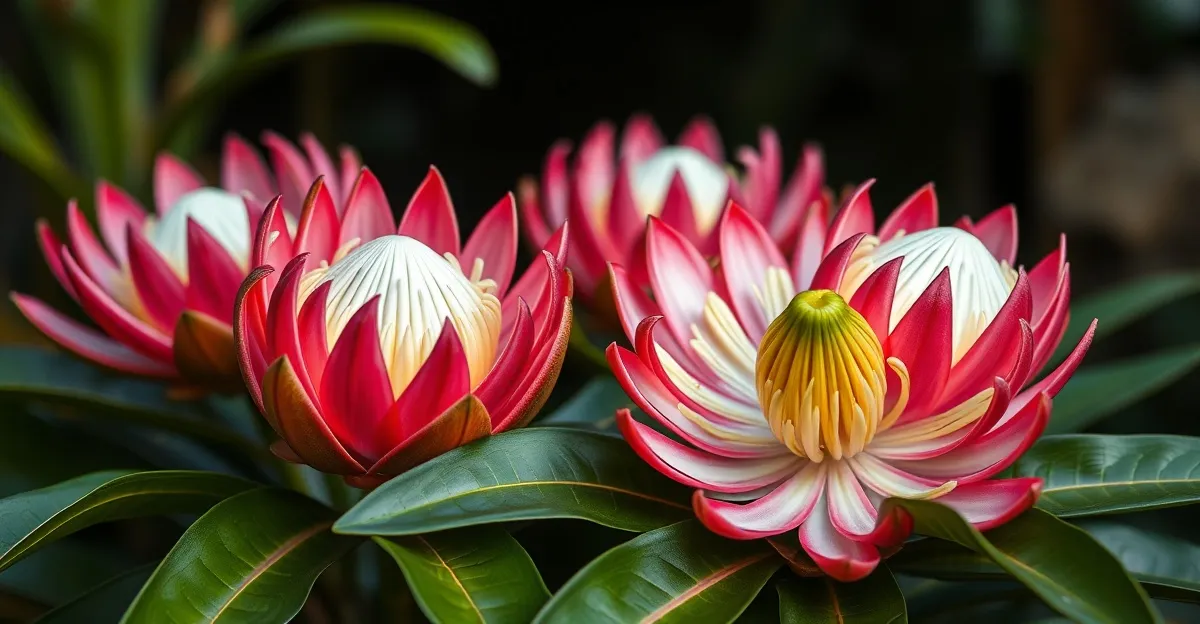
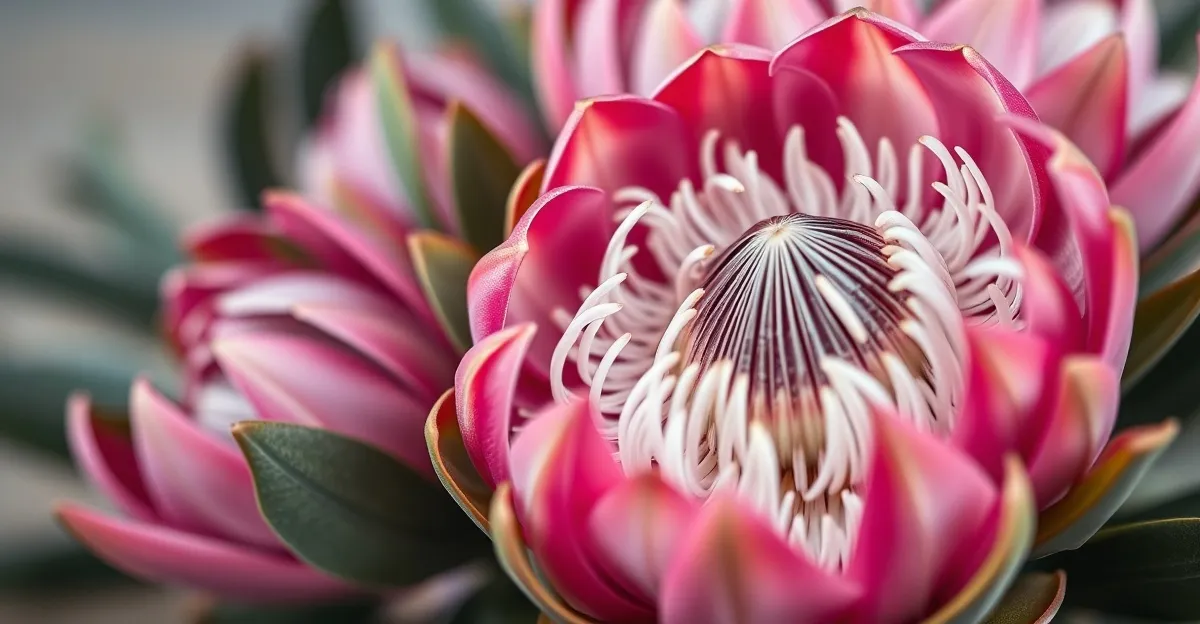
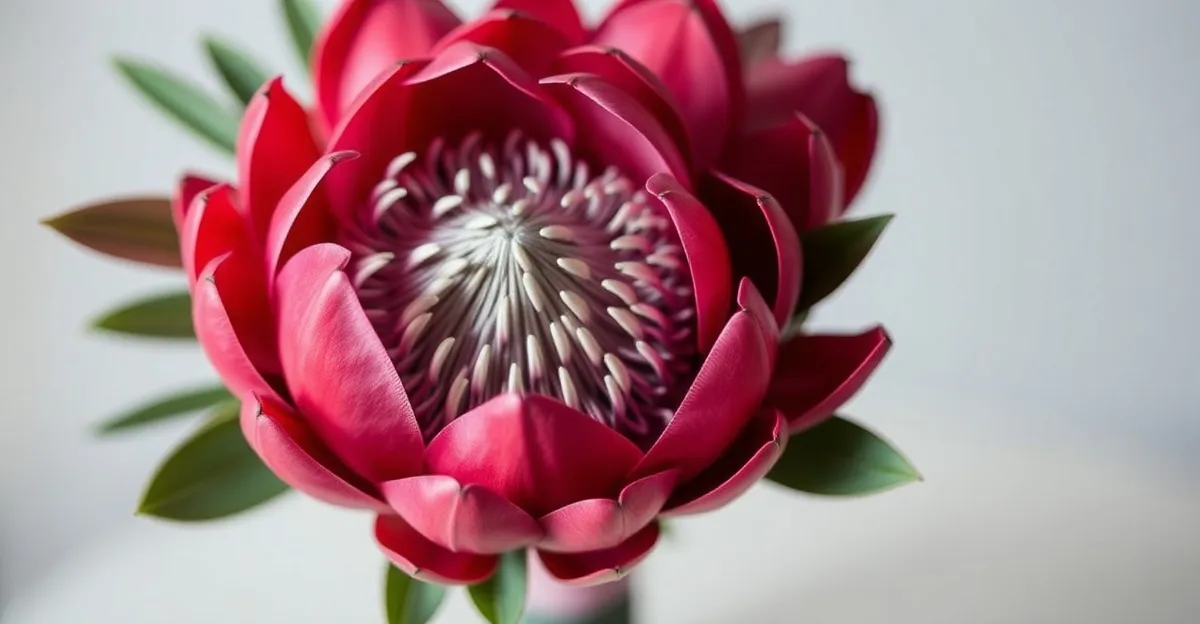
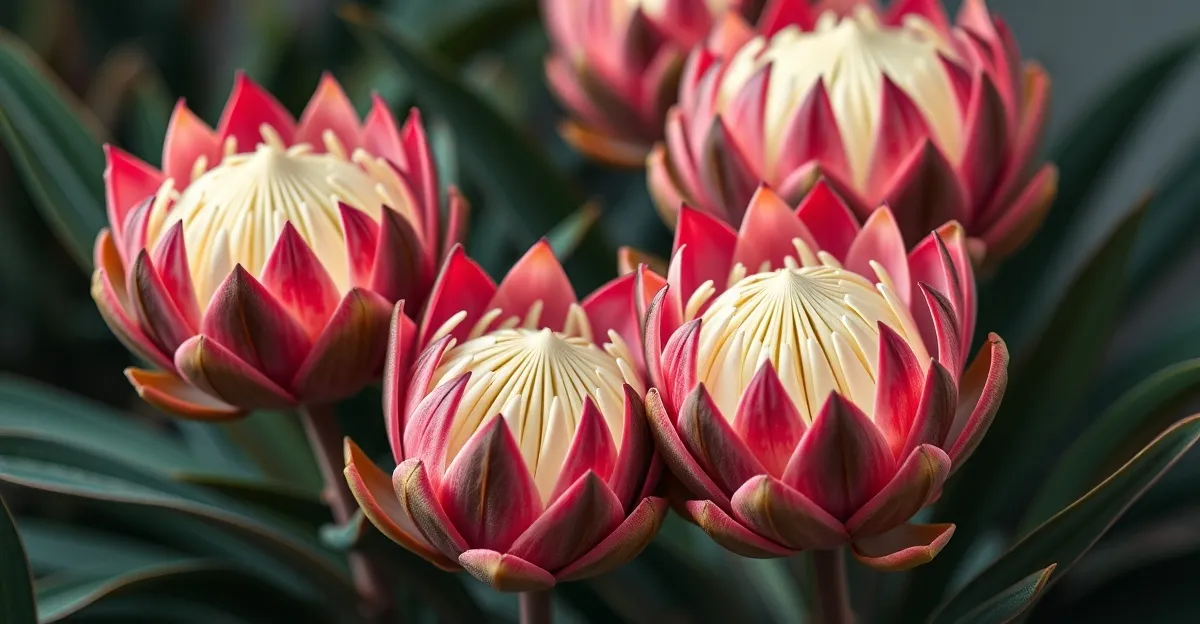
There is a paradox at the heart of caring for proteas in Bali. These are flowers from the Cape of South Africa — a region of rocky, arid terrain with a dry Mediterranean climate. They are about as naturally suited to Bali's tropical humidity as you might imagine. And yet, proteas are among the more robust and long-lasting cut flowers you can have in a Bali home. With the right handling, a King Protea can last 2–3 weeks even in tropical conditions.
The key is understanding what the plant actually needs and where its real vulnerabilities are — which is not always where you might expect.
What proteas need from you
Proteas have a few specific requirements that differ from typical cut flowers:
Low-nutrient water. In their native South African fynbos habitat, proteas grow in extremely nutrient-poor, acidic soils. They have specialized roots (proteoid roots) that are sensitive to phosphorus — nutrients that many commercial flower foods contain in significant amounts. Some commercial flower foods can actually harm protea stem function by interfering with water uptake. Use plain clean water rather than standard flower food, or use a specialized protea food if available.
Clean water. The stem of a protea is relatively wide and can take up bacteria-laden water more readily than narrow-stemmed flowers. Keep water fresh — change every 2–3 days.
Air circulation. Proteas are from a wind-swept landscape. Stagnant, humid air encourages mold on the leaf surface and around the flower bracts. In Bali's humid environment, this is a genuine risk — particularly for the foliage rather than the bloom itself.
Not too wet at the base. The leaves of proteas sitting in water will rot quickly. Strip all leaves that would be at or below the waterline — even more aggressively than with other flowers.
Step-by-step initial care when your proteas arrive
The first handling when flowers arrive sets the stage for everything that follows.
1. Inspect the stems. Protea stems are thick and woody. Look at the cut end — it should be clean. If it appears crusty, sealed, or has been out of water for a long time, a fresh cut is essential.
2. Recut stems underwater if possible. Proteas benefit from cutting under water or immediately placing in water after cutting. This prevents air from entering the stem and blocking the water channels. Use sharp secateurs or a strong knife — a standard kitchen scissor may crush the woody stem rather than cutting cleanly.
3. Make a deep cut. Cut 2–3cm from the stem at a 45-degree angle. For particularly thick stems, making a vertical split in the bottom 2cm of stem (a cross-cut, sometimes called conditioning the stem) can improve water uptake by increasing the surface area.
4. Strip leaves aggressively. Remove all leaves that will sit within 10cm of the waterline. In Bali's humidity, submerged leaves decompose quickly and create the bacterial environment that shortens vase life. For long-term arrangements, stripping leaves to 15–20cm from the stem end gives you a safety margin.
5. Use a clean vase with plain cool water. Wash the vase with soap before use — any residual bacteria from previous flowers accelerates decay. Fill with clean tap water. No flower food (see above regarding phosphorus sensitivity).
6. Place in a well-ventilated spot away from direct sun. Air movement around the leaves reduces the mold risk. Indirect bright light is fine.
Ongoing care in Bali's conditions
Water changes: Every 2–3 days in Bali's heat, rather than the 3–5 days sometimes cited for cooler climates. Each time you change water, wash the vase with soap.
Stem recutting: With each water change, recut 1cm from the stem to keep water uptake channels clear.
Leaf monitoring: Check leaves regularly for any signs of mold — fuzzy patches, soft brown areas. Remove affected leaves immediately. In the wet season particularly (November–March), check more frequently.
Flower monitoring: The protea bloom itself is quite robust. The flower bracts can develop a slightly papery quality as they age without this being a sign of failure. The central cone and the base of the bracts drying slightly is natural. Significant browning at the petal edges, however, indicates dehydration — check stem blockage and recut.
Placement in your Bali home or villa
Bali's tropical environment creates a range of microenvironments within a home, and placement significantly affects how long proteas last.
Best placements:
Air-conditioned rooms: The lower temperature and, critically, lower humidity make a meaningful difference. The risk of mold on foliage drops significantly in air-conditioned air. If you have a living room that runs air conditioning during the day, this is your best display location.
Open-air bale with good airflow: The airflow helps with mold prevention, though the higher ambient temperature accelerates aging. Good for display during events; move to air-conditioned space afterward if you want to extend vase life.
Shaded indoor spots with ceiling fan: A reasonable compromise — the fan movement reduces the stagnant humidity that encourages mold.
Avoid:
West-facing windows with afternoon sun: Afternoon direct sun in Bali is intense. A protea in direct afternoon sun will dry out and brown at petal edges within hours.
Near the kitchen: Heat, steam, and ethylene from cooking accelerate flower aging.
Completely enclosed, still rooms: Stagnant humid air is the worst environment for protea foliage.
The mold risk and how to manage it
In Bali's wet season — roughly November through March — relative humidity can exceed 90% during rain events and stays persistently high between rains. This is the most challenging period for protea care.
Signs of mold developing on proteas:
- Gray or white fuzzy patches on leaf surfaces
- A musty smell from the arrangement
- Soft, discolored patches on leaves or stem
Prevention strategies for the wet season:
- Air-conditioned room placement
- Ceiling fan running on low to create air movement
- Checking every 24 hours rather than every 2–3 days
- Removing any affected leaves immediately — mold spreads to neighboring leaves quickly
- Keeping the arrangement away from other plants (mold spores spread)

The team
your florists
weekly subscription · Bali
We write about flowers because we love them. We deliver them because someone should — properly, weekly, across Bali.
— heyflowerPay once for 3, 6, or 12 months, no auto-renewal.
Proteas and the transition to dried arrangements
One of the protea's great virtues is that it dries beautifully. Rather than a vase life with a clear decline and disposal, a protea can transition from fresh display to dried display without intentional preservation work.
As the protea ages in the vase, you can allow it to air dry naturally. The bloom darkens slightly and becomes papery; the bracts hold their form; the central cone dries into a dark, architecturally interesting structure. A King Protea that has dried naturally looks like a botanical specimen — dried, but still beautiful in a different way.
To intentionally dry proteas:
- Remove from the vase when fresh display is complete but before any mold develops
- Hang upside down in a ventilated spot (the airflow and inversion prevent drooping)
- In Bali's humidity, have a fan creating air movement in the drying space
- Check weekly for mold on leaves — remove any affected material
- Allow 3–5 weeks for complete drying
Dried proteas work beautifully in permanent botanical arrangements in Bali homes. Their sculptural form is unaffected by the humidity that damages more delicate dried flowers.
For ideas on long-lasting flower setups for different spaces in Bali, see our article on low-maintenance flower setups for a retail storefront — proteas are excellent for this context given their longevity.
When proteas decline: signs to watch for
Normal aging: Petals/bracts deepen in color, become slightly papery. The bloom retains its form. Normal and expected.
Dehydration: Bracts curl inward, the flower head appears to shrink. Recut stem significantly (3–5cm), add fresh water, move to a cooler spot.
Stem blockage: Leaves wilt significantly even though water level is adequate. Recut stem, wash vase, change water.
Mold on foliage: Remove affected leaves, move to better-ventilated location, wash vase and change water. Do not wait — mold on one leaf spreads to others quickly in tropical humidity.
Natural end of vase life: The bloom has dried and browned from the center outward, or the stem has become slimy despite maintenance. Transition to dried display if the bloom still has form, or compost.
FAQ
How long should I realistically expect a protea to last in Bali? A King Protea with proper care in a climate-controlled room: 14–21 days. In a warm room without climate control but with regular water changes: 7–12 days. Without much care in a warm environment: 5–7 days. Proteas significantly outlast most other cut flowers in tropical conditions.
Should I use flower food with proteas in Bali? No — standard commercial flower food often contains phosphorus that can harm protea root and stem function. Use plain, clean water changed every 2–3 days. If you have access to specialized protea flower food (rare in Bali), this is fine.
Why are the leaves on my protea turning brown? The most common causes in Bali: leaves sitting in or too close to the waterline (rot), mold from high humidity, or dehydration from heat. Check the waterline first, remove any leaves that are near or below it, and improve airflow around the arrangement.
Can I keep a protea arrangement outdoors on my villa terrace? Short-term display (a day, an evening event) is fine. Long-term outdoor display in Bali's climate will significantly shorten vase life — heat accelerates aging and outdoor humidity combined with outdoor air encourages mold. For best longevity, display outdoors for events and move inside afterward.
Do proteas in Bali need any special tools or products to care for? No specialized products. The essentials are: sharp cutting tool (secateurs or a strong knife), clean vase, fresh tap water, and a well-ventilated cool spot to display them. The care is in the technique rather than the products.
Ready to bring fresh flowers to your Bali home or event? Explore our weekly flower subscription and get handpicked blooms delivered to your door every week.
More on Protea