Epoxy ornaments with pressed Bali flowers
Learn how to press and preserve tropical Bali flowers in epoxy resin to create stunning ornaments, bookmarks, and keepsakes that last forever.
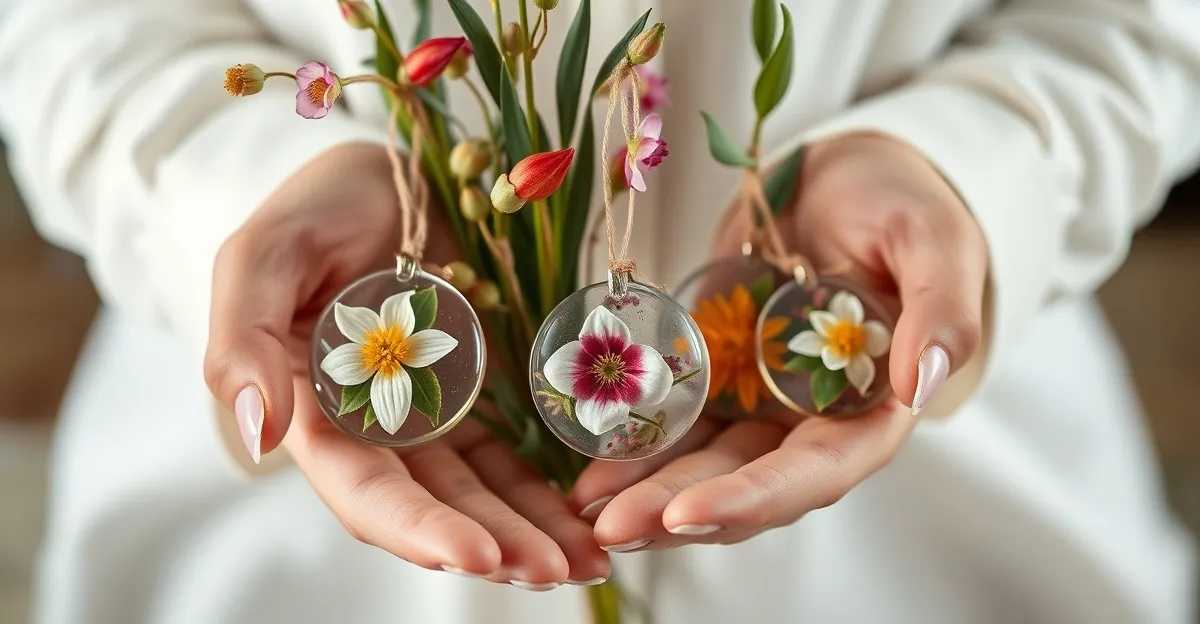
There is something particularly satisfying about freezing a perfect frangipani or a bougainvillea bract into a clear epoxy ornament — a physical memory of Bali's flower culture that you can carry home, hang on a wall, or give as a meaningful gift. The island's tropical flora produces blooms with astonishing colours and shapes, many of which press beautifully and hold their pigment for years inside resin.
This guide walks through the whole process: selecting the right flowers here in Bali, pressing them properly in our humid climate, and casting them into epoxy ornaments with a result that looks professional, not craft-fair.
Choosing Flowers That Press Well in Bali
Not every tropical flower survives the pressing-and-resin journey. Thick, watery blooms like Heliconia heads or large Ginger torch flowers tend to brown quickly and trap moisture that wrecks epoxy cures. The flowers that press beautifully here include:
Frangipani (Jepun) — Bali's unofficial flower, and one of the best to press. The five flat petals lie down naturally and press into near-perfect symmetry. White and yellow varieties keep their colour longest; pink may fade slightly over a year.
Bougainvillea bracts — Technically not petals but modified leaves, bougainvillea bracts are paper-thin and dry in just a few days. The magenta, coral, and deep purple varieties stay vivid in resin for a long time.
Small orchid sprays — Dendrobium orchids from the Bedugul highlands are widely available at Pasar Badung market and at roadside flower stalls along the Ubud market strip. Small individual blooms press nicely.
Marigold petals (Gemitir) — Whole marigolds are too bulky, but separating the petals and pressing them individually gives you rich orange and gold components to scatter around a resin pour.
Hibiscus — Choose small specimens. Press them quickly, as hibiscus wilts fast in heat.
Fern fronds — Found everywhere along roadsides towards Kintamani and the Bedugul lakes. They add organic structure to a composition.
Pressing Flowers in High Humidity
Bali's humidity — regularly 75–90% in the rainy season from October through March — is the main enemy of pressed flowers. Moisture trapped during pressing causes browning and mould. Here is how to get around it.
The microwave method works better here than the traditional heavy-book method. Place your flowers between two sheets of plain printer paper, then between two ceramic tiles, and microwave on low power in 30-second bursts, checking after each one. Most frangipani petals are press-ready after 60–90 seconds total. Let them rest for 10 minutes — they will stiffen as they cool.
If you prefer the book method, add silica gel sachets (available at Ace Hardware in Kuta, Seminyak, and Denpasar) inside the pages around your flower. Check every day for the first three days. In dry-season conditions (April–September), this works reliably in 5–7 days. During the wet season, stick with the microwave approach.
Store finished pressed flowers in a sealed container with more silica gel packets until you are ready to pour resin. Do not leave them sitting out in Bali air — they will reabsorb moisture within hours and go soft.
Resin Supplies in Bali
Good quality epoxy resin is available locally, which makes this project more accessible than it used to be. Check:
- Tokopedia and Shopee for UV resin and two-part epoxy (search "resin epoxy bening" for clear varieties) — delivery within Bali usually arrives within 1–3 days.
- Ace Hardware branches in Kuta, Sunset Road Seminyak, and Gatsu carry basic two-part mixing resins.
- Craft and hobby shops around the Kumbasari market area in Denpasar sometimes stock UV resin and silicone moulds.
For moulds, silicone is easiest. Round ornament moulds, teardrop shapes, hexagons, and rectangle bookmark moulds are all available on Shopee Indonesia. Budget around Rp 30,000–80,000 per mould depending on size and complexity.
For mixing, use disposable cups and wooden stir sticks. Nitrile gloves are non-negotiable — resin irritates skin and stains it yellow.
The Pouring Process
With your pressed flowers dry and your resin supplies ready, the process unfolds in layers:
First layer: Pour a thin base layer of mixed resin into your mould — just enough to cover the bottom by 2–3mm. Let it reach a gel state (usually 2–4 hours for most two-part resins at Bali's temperatures, which actually speeds curing slightly compared to cooler climates).
Placing the flowers: Once the base layer gels, arrange your pressed flowers face-down on the surface. Use a toothpick to nudge them into position. Working face-down means the finished piece will show the correct face of the flower when you flip the ornament out.
Second pour: Mix a fresh batch of resin and pour over the flowers until they are covered by at least 3–4mm. This layer also encapsulates any air around the flowers. Use the toothpick again to pop any bubbles that rise — in Bali's warmth, bubbles are more common because the resin flows quickly.
Full cure: Most two-part resins need 24–48 hours to fully harden. Keep the moulds in a dust-free spot — if you have mosquito nets or a closed spare room, use that. Dust sticking to uncured resin before it sets is a common frustration.
After unmoulding, sand the back face with progressively finer grits (400, 800, 1500) if needed, then polish with a small amount of plastic polish on a soft cloth to restore clarity.
Turning Ornaments Into Gifts or Home Pieces
A round clear ornament filled with frangipani petals and small marigold florets makes a genuinely beautiful gift — personal, Bali-specific, and far more meaningful than anything from a souvenir shop. Add a small gold hanging loop embedded into the top before the resin cures to make it hang-ready.
Rectangular bookmark casts work well with a single orchid spray or a few bougainvillea bracts arranged cleanly. Drill a small hole after curing and add a silk ribbon for a gift version, or keep it plain for everyday use.
Coaster sets — poured in large round or square moulds — look stunning when each piece has a different flower composition. A set of four with frangipani, bougainvillea, orchid, and marigold themes makes an excellent villa housewarming gift or a present for a friend headed back overseas.
If you are interested in the cultural significance of some of these flowers before you pick them up at the market, read about lotus in Balinese Hinduism: meaning and ritual use, which covers the spiritual context behind many of the flowers you will encounter daily here.

The team
your florists
weekly subscription · Bali
We write about flowers because we love them. We deliver them because someone should — properly, weekly, across Bali.
— heyflowerPay once for 3, 6, or 12 months, no auto-renewal.
Caring for and Displaying Epoxy Flower Pieces
Epoxy resin is UV-sensitive over the very long term — prolonged direct sunlight will cause yellowing in most non-UV-stabilised formulas after a year or two. In Bali villas this matters, as direct equatorial sun through glass can be intense. Display pieces in indirect light or shade, or look for UV-stabilised resin formulas (search "resin anti kuning" or "UV resistant epoxy" on Tokopedia).
Keep ornaments away from extreme heat — a car dashboard in full sun in Bali gets hot enough to warp thinner resin pieces. Otherwise, epoxy is quite hardy: it is waterproof, scratch-resistant when cured fully, and does not need any special treatment.
For sending pieces overseas, cured epoxy ornaments ship safely with standard packaging since they are solid and sealed. Just pad them well.
FAQ
Can I use flowers from temple offerings I find on the ground? You can use fallen petals from canang sari offerings — the flowers offered in the morning are considered to have fulfilled their purpose once placed. However, never take flowers directly from an active temple offering or an intact canang. Fallen petals collected respectfully from the street or from your own garden are perfectly fine.
Why did my resin turn yellow after curing? Yellowing is usually caused by mixing the two-part resin at the wrong ratio, or by using a formula without UV stabilisation. It can also happen if the resin was exposed to too much ambient light during the curing process. Using a UV-stabilised formula and curing in a shaded, enclosed space helps prevent this.
My flowers turned brown inside the resin — what went wrong? The most common cause is residual moisture in the pressed flowers. In Bali's humidity, flowers may feel dry but still hold water. Always store pressed flowers in sealed containers with silica gel for at least 48 hours before pouring. Browning can also happen if flowers contact uncured resin for too long before the pour is complete — work quickly.
How long does it take to make one ornament? The active work time is only about 30–45 minutes (pressing the flowers, preparing moulds, pouring), but the full process across pressing and curing takes 3–5 days. The pressing itself takes 1–3 days, and resin curing takes another 24–48 hours.
Where can I buy premade pressed flower epoxy pieces in Bali? Several small artisan vendors at the Ubud Art Market and at the weekend market in Seminyak (Pasar Seminyak on Jl. Raya Seminyak) sell pressed flower resin jewellery and ornaments. Prices typically run Rp 50,000–250,000 depending on size and complexity.
Ready to bring fresh Bali flowers into your home or creative practice? Explore our weekly flower subscription and get handpicked blooms delivered to your door every week — perfect source material for your next pressing project.



