How to care for marigold in Bali's humid climate
Keep your marigolds blooming longer in Bali's tropical humidity. Practical tips on watering, placement, and post-arrangement care from a local florist.
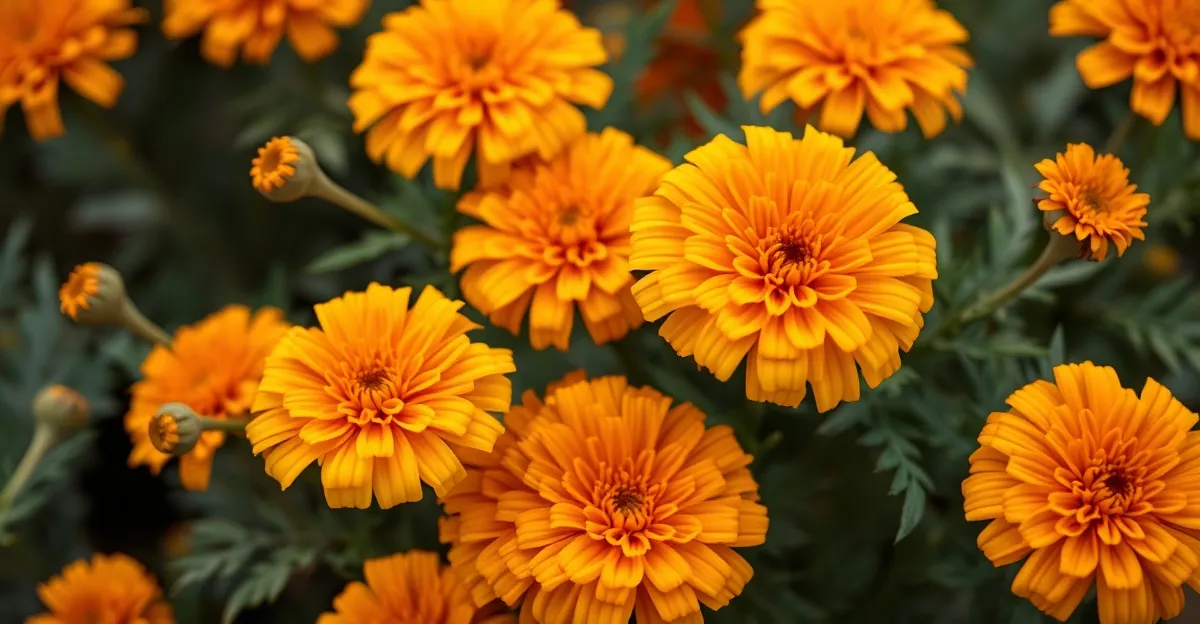
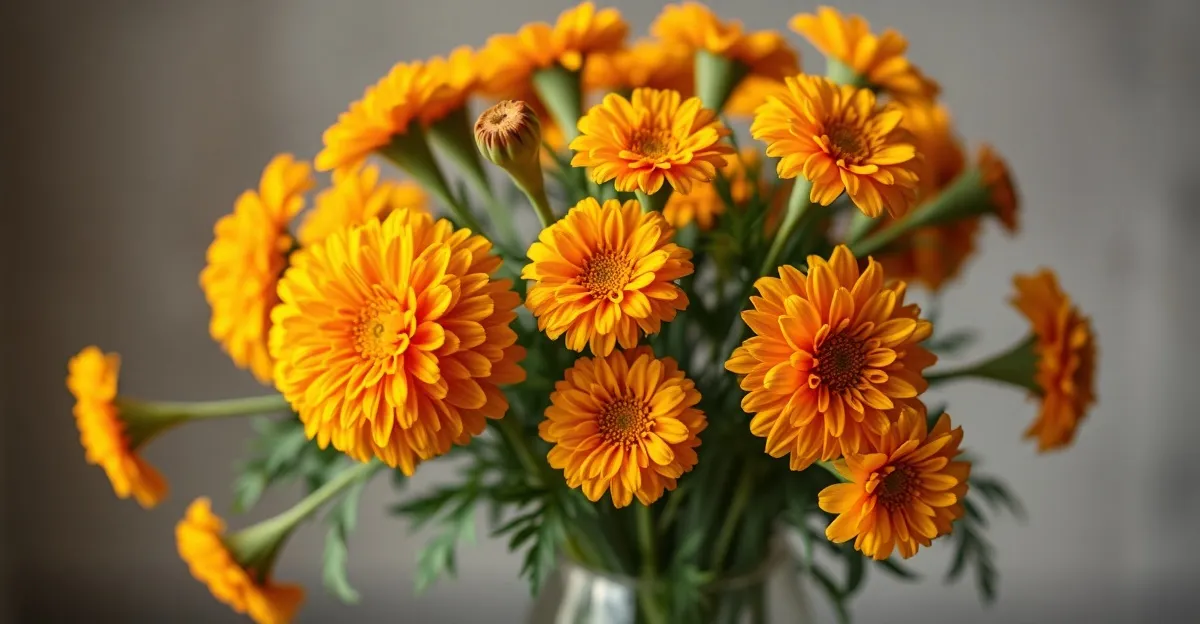
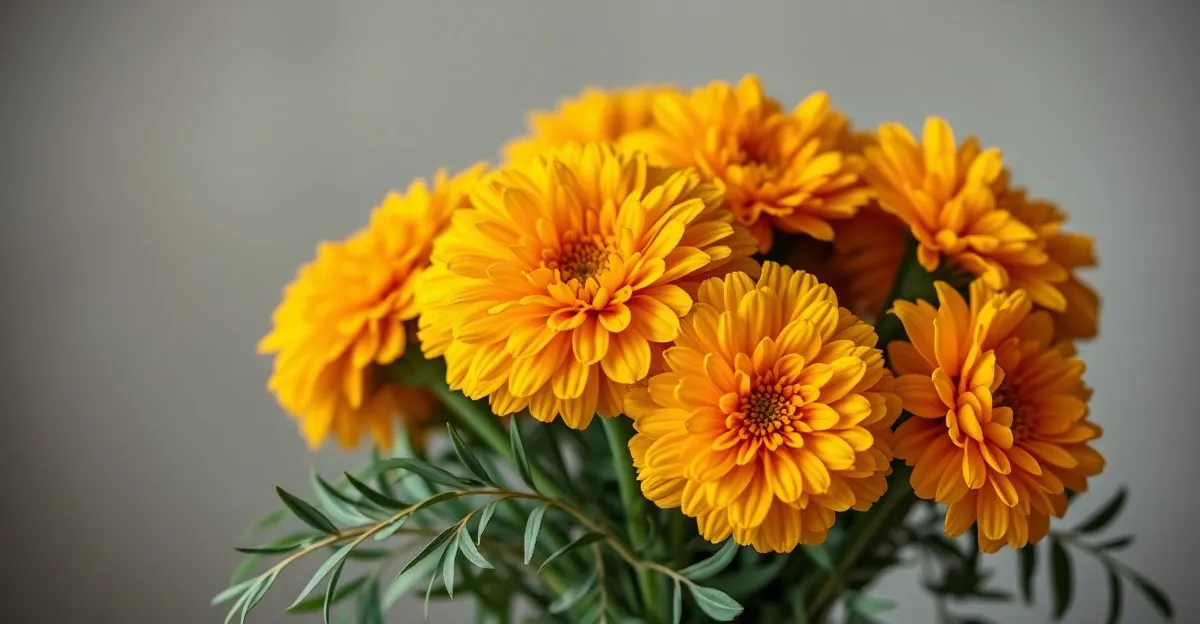
Marigolds are everywhere in Bali. You'll find them piled high in woven baskets at the morning market in Ubud, threaded into ceremonial offerings outside temples in Seminyak, and tucked into garlands draped over the entrance of warung stalls in Kerobokan. Yet despite how familiar they are here, many people are surprised to find their marigold arrangements wilting within a day or two of bringing them home.
That's not necessarily a sign of poor quality flowers. It's Bali. The combination of high humidity, intense heat, and occasional wild swings in temperature — especially during the wet season from October through March — means tropical flowers need a bit more attention than they would in a cooler, drier climate. The good news is that with a few straightforward habits, you can easily double the lifespan of your marigolds indoors.
Why humidity is both friend and enemy
Marigolds are native to Central and South America, so they're no strangers to warm conditions. But Bali's humidity — which routinely sits above 80% in coastal areas like Seminyak and Canggu — creates specific challenges. High moisture in the air slows the evaporation from petals, which sounds beneficial, but it also encourages fungal growth and bacterial activity in standing water.
The result: water in your vase goes rancid faster, stems start to rot at the base, and petals develop soft spots that spread quickly through the bloom. During the dry season (April through September), this is less of a problem. Come wet season, though, you need to be more vigilant.
The flip side is that Bali's humidity means your marigolds won't dry out and shrivel as quickly as they might in air-conditioned rooms back home. It's about finding the right balance — enough moisture to keep the flowers hydrated, not so much stagnant water that bacteria take over.
The right water and vase setup
Start with clean water and a very clean vase. This sounds obvious, but it matters enormously here. Rinse your vase with warm water and a small drop of dish soap, then rinse thoroughly before filling. In Bali's heat, bacterial colonies establish themselves in vase water within hours, not days.
Fill the vase with room-temperature water. Never cold water straight from the tap if you can help it — the shock can cause stem constriction. Add a small pinch of sugar (about half a teaspoon per litre) and a tiny splash of white vinegar or a drop of bleach. This combination inhibits bacterial growth while giving the flowers a small nutrient boost.
Change the water every single day in wet season. In dry season, every two days is usually fine. Each time you change the water, re-cut the stems at a 45-degree angle with a sharp knife or scissors — not scissors that crush the stem. Remove any leaves sitting below the waterline; they decompose quickly and foul the water.
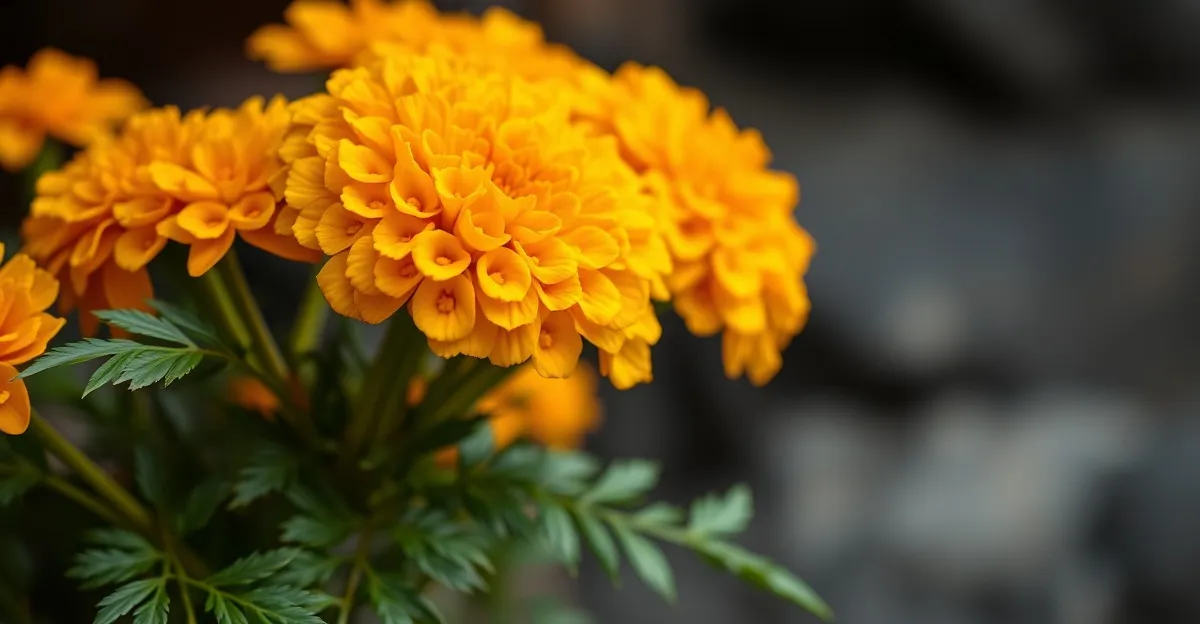
Marigolds have notably thick, somewhat hollow stems that trap air pockets if you cut them straight. The diagonal cut maximises surface area and helps water travel up to the petals more efficiently.
Placement in a tropical home
Where you put your marigolds in a Bali home or villa makes a significant difference. Most Bali properties have a mix of open-air spaces, air-conditioned bedrooms, and semi-outdoor living areas — and marigolds respond differently to each.
Avoid placing marigolds directly in the path of an air conditioning unit. The dry, cold air blowing straight onto petals dries them out and makes them brittle, regardless of how much water is in the vase. A spot a metre or two away is fine.
Open-air pavilions (bale) and outdoor dining areas are challenging in the rainy season because of the heat and direct humidity. If you want flowers on your outdoor table, choose a spot with some shade and airflow — not full midday sun. Morning light is kinder than afternoon sun, which in Bali can hit 34°C or above. Direct afternoon sun combined with reflected heat from stone or concrete surfaces will shorten vase life dramatically.
The ideal spot is a cool indoor area with indirect light and good air circulation — a living room with open windows on opposite sides is perfect. Many Bali villas have this kind of cross-ventilation naturally built in. Bathrooms might seem like a good option given the humidity, but the combination of low light and poor airflow often does more harm than good.
Keeping cut marigolds looking fresh
Beyond water management and placement, a few small habits make a real difference:
Remove fading blooms promptly. As individual flowers within a multi-stem arrangement begin to drop their petals, remove them. Decaying plant matter releases ethylene gas, which accelerates the aging of nearby blooms. This is especially important in a warm climate.
Mist lightly if using air conditioning. If your marigolds are in an air-conditioned room, a light mist with a spray bottle every morning helps keep the petals hydrated without waterlogging the stems.
Keep away from fruit. Ripening fruit — particularly the mangoes, bananas, and papayas you'll find everywhere in Bali — releases high concentrations of ethylene. A fruit bowl next to your flower arrangement will shorten vase life noticeably.
Don't let them sit in direct sun through glass. Glass intensifies heat, and a windowsill with direct sunlight can become surprisingly hot, even with cool sea breezes outside.
Caring for marigolds you're growing in Bali
If you're growing marigolds in a pot or garden rather than arranging cut stems, the rules are somewhat different. Marigolds actually do well in Bali soil — the island's volcanic earth is fertile and drains reasonably well. They prefer full sun, which is not in short supply here.
The main challenge is overwatering. Because the air is already humid, you need to water at the soil level, not overhead. Wet foliage in high humidity is an invitation for fungal disease. Water in the morning so that any water on leaves evaporates through the day. If you're growing in pots, make sure drainage holes are clear — waterlogged roots will kill marigolds faster than anything.
Bali's ant population will also be interested in your marigold plants. A small ring of cinnamon powder around the base of pots can deter them without harming the plant.
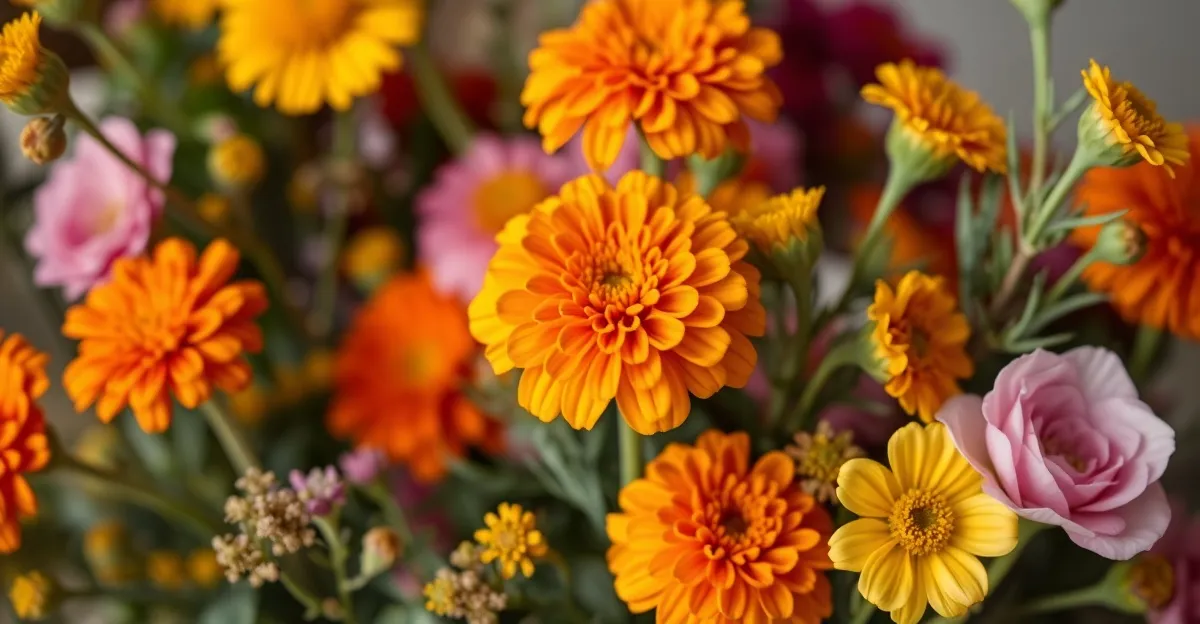
For those interested in how other heat-tolerant blooms fare in Bali gardens, pairing marigold with other blooms: a florist's guide covers companion planting and arrangement combinations worth exploring.

The team
your florists
weekly subscription · Bali
We write about flowers because we love them. We deliver them because someone should — properly, weekly, across Bali.
— heyflowerPay once for 3, 6, or 12 months, no auto-renewal.
After the flowers fade: don't throw them away
Given how central marigolds are to Balinese ceremony, there's a certain poetry in not wasting them when they fade. Dried marigold petals have a wonderful earthy, spicy scent and can be composted back into garden soil. If you have any pets, keep petals out of reach — marigolds can cause mild gastrointestinal upset in dogs and cats if eaten in quantity.
If you received your marigolds as part of a gift bouquet, consider pressing individual blooms between the pages of a heavy book. Pressed marigolds hold their warm orange and yellow colours surprisingly well and make beautiful additions to cards or simple paper art.
For longer-term preservation options, freeze-drying flowers: is it worth it for tropical blooms? gives a detailed look at what's available in Bali and whether it suits marigolds specifically.
FAQ
How long do cut marigolds last in Bali? With proper care — daily water changes, clean vases, and good placement — cut marigolds typically last 5 to 8 days in Bali's climate. Without much care, they may fade within 2 to 3 days during wet season.
Can I put marigolds in the fridge overnight? Yes, this is a good trick for extending their life. Wrap them loosely in damp newspaper and place in the vegetable drawer (not the freezer). Remove them in the morning and let them acclimatise to room temperature for 30 minutes before returning to the vase.
Why do my marigold stems turn slimy so quickly? Bacterial activity in warm water causes this. Change the water daily, keep the vase clean, and remove any leaves sitting below the waterline. A pinch of salt or a few drops of bleach in the vase water also helps significantly.
Are marigolds safe around children and pets? Marigolds are mildly toxic if ingested in large amounts by pets (particularly cats and dogs). They're generally considered non-toxic for humans, including children, though the sap can cause skin irritation in sensitive individuals.
Where can I buy fresh marigolds in Bali? The Ubud morning market (Pasar Ubud) and the flower stalls near Tanah Lot temple are great sources. Traditional markets in Denpasar's Badung area also carry marigolds daily. For arranged bouquets with fresh delivery, a local flower service is the most reliable option for consistent quality.
Ready to bring fresh flowers to your Bali home or event? Explore our weekly flower subscription and get handpicked blooms delivered to your door every week.
More on Marigold