Marigold in Balinese ceremonies: traditional uses in Bali
Marigolds are at the heart of Balinese Hindu ceremony — from daily canang sari offerings to elaborate odalan festivals. Here's how and why this Mexican flower became sacred in Bali.
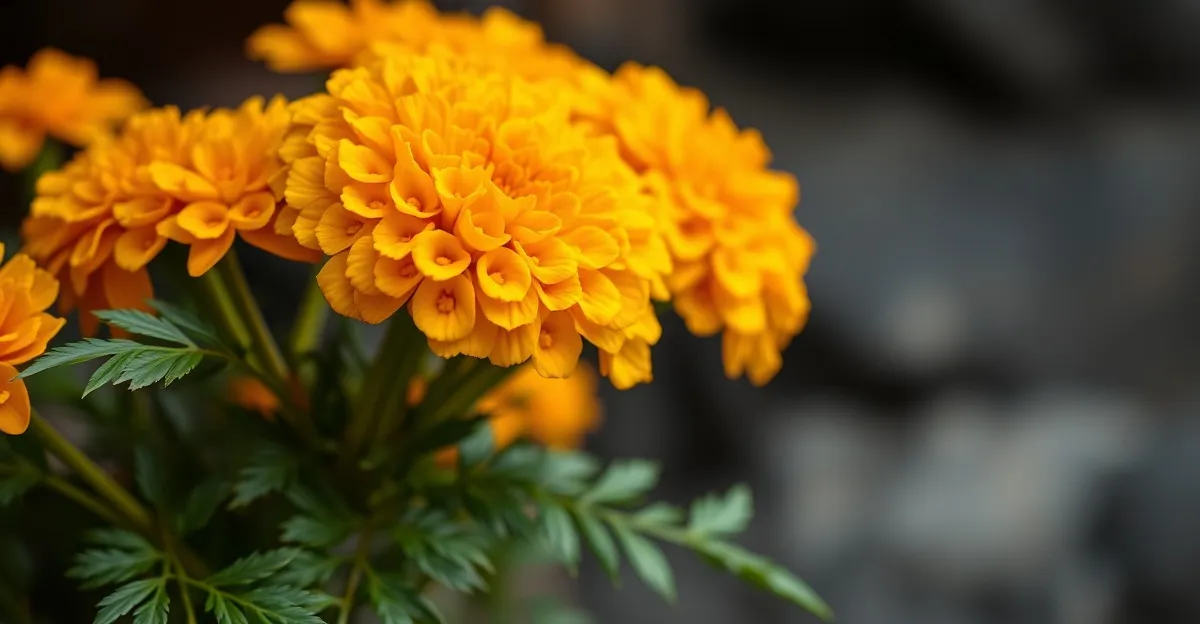
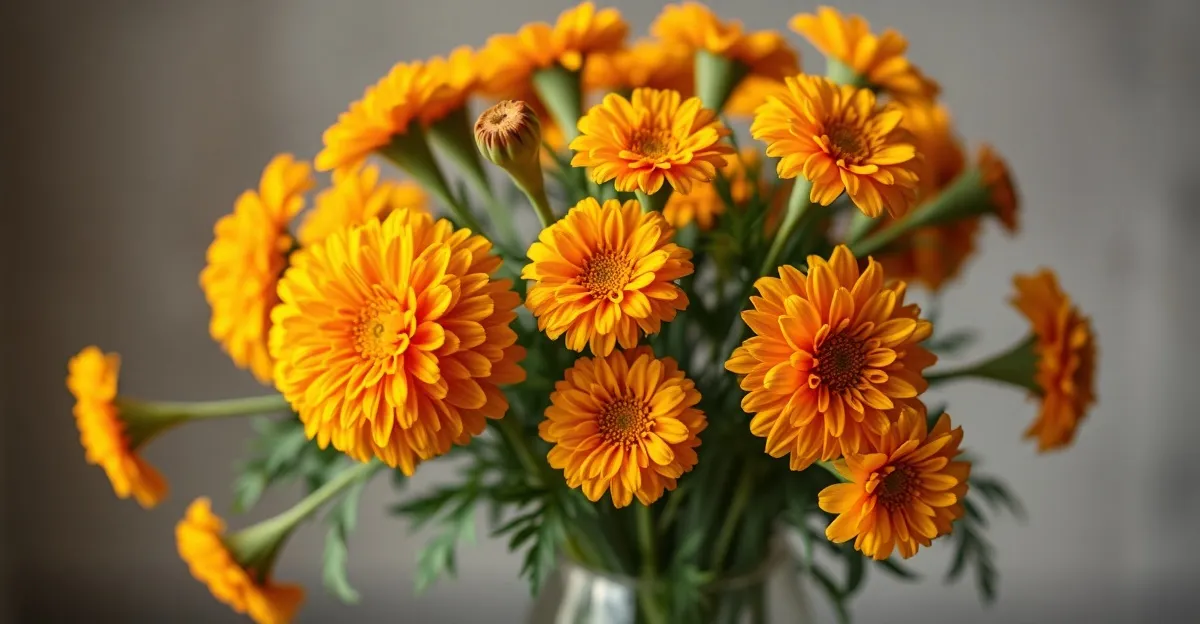
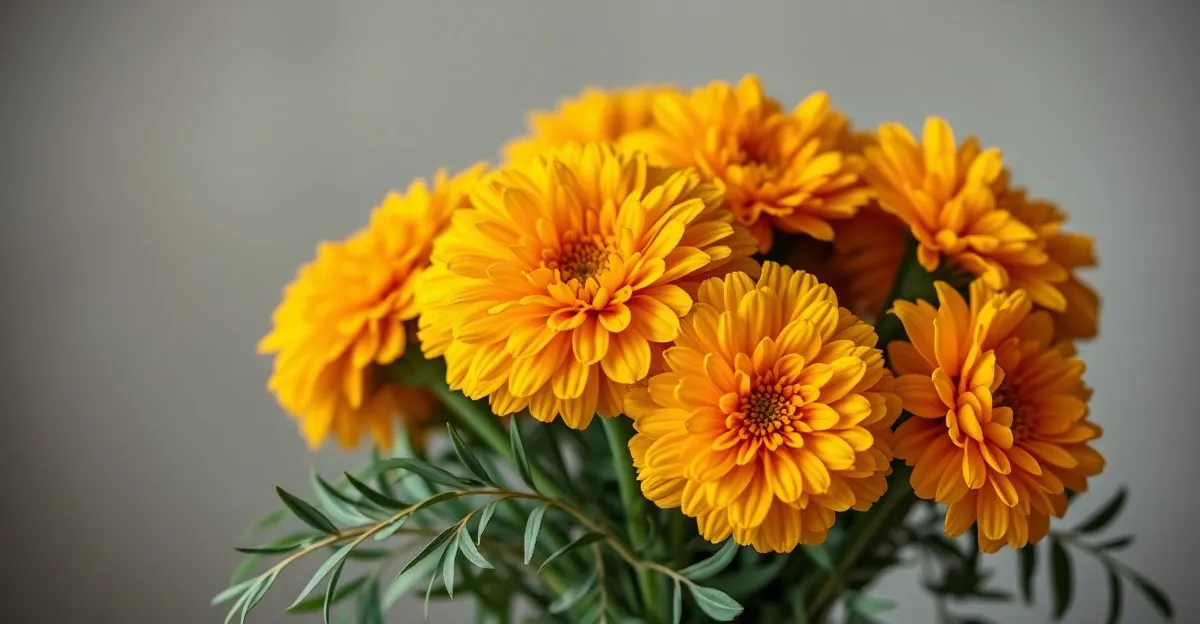
Stand anywhere in Bali in the morning — outside a warung in Ubud, at a temple gate in Gianyar, by a family compound in Tabanan — and you will smell marigolds before you see them. That earthy, slightly sweet, distinctly pungent scent rises from the fresh canang sari offerings placed on the ground, on storefronts, at statues, on doorsteps. Marigolds are so woven into the fabric of daily Balinese Hindu life that they function less like a flower you choose and more like a basic ingredient — as fundamental to ceremony as rice is to a meal.
Understanding the marigold's role in Balinese ceremony is understanding something essential about how the island thinks about the relationship between the physical and the divine.
Flowers as living offerings
In Balinese Hinduism, offerings are not symbolic gestures — they are real gifts to real divine presences. The gods, ancestor spirits, and elemental forces that inhabit Balinese cosmology are understood to be genuinely present, particularly at sacred sites, during ceremony, and at specific times of day. Offerings feed these presences, express gratitude, and maintain the relationship between humans and the divine.
Flowers are among the most important offering components. The Balinese word sekar (flower) is related to sekare (essence), reflecting the belief that flowers carry a spiritual essence — their fragrance, color, and form all have meaning that goes beyond the physical object. This is not metaphor; it is cosmological reality for practicing Balinese Hindus.
Within this framework, marigolds serve multiple functions:
Color: Yellow is associated with Mahadewa, the deity of the west, and with prosperity and spiritual clarity. Orange carries the energy of Brahma, the deity of the south and the creative force. Marigolds in both yellow and orange are appropriate for offerings across a wide range of ceremony types.
Fragrance: The marigold's distinctive scent is considered acceptable as a fragrant offering, though it is less prized for pure fragrance than flowers like jasmine (melati) or frangipani (jepun). The scent's earthiness connects it to the ground and to the more elemental levels of the Balinese cosmological order.
Abundance: Critically, marigolds are available in large quantities at very low cost. This is not a spiritually trivial point — the ability to make generous, abundant offerings is itself an expression of devotion. A household that can fill its shrines with fresh flowers daily is doing something genuinely meaningful in Balinese spiritual terms.
The canang sari: daily devotion
The canang sari is the most common offering in Bali — a small square palm-leaf tray holding a mixture of flowers, incense, and sometimes food items. It is made fresh every day by women across the island (making canang is traditionally a woman's responsibility, though this is shifting) and placed at dozens of spots: house shrines, temple entrances, on the earth at the foot of trees, at the front of shops and warungs, at intersections.
Marigolds are among the four or five flowers that appear most consistently in canang sari. Their role is partly practical (cheap, abundant, hold color well) and partly symbolic (the yellow-orange palette is appropriate for most offering contexts). A standard canang sari might include:
- Yellow marigold petals
- White frangipani (jepun)
- Red hibiscus (puring merah) or croton leaves
- Pink or red flowers (sometimes rose petals)
The arrangement within the canang follows directional principles — different flowers placed at different compass points according to their associated deity. Marigolds, as yellow-orange flowers, typically go in the west or south positions.
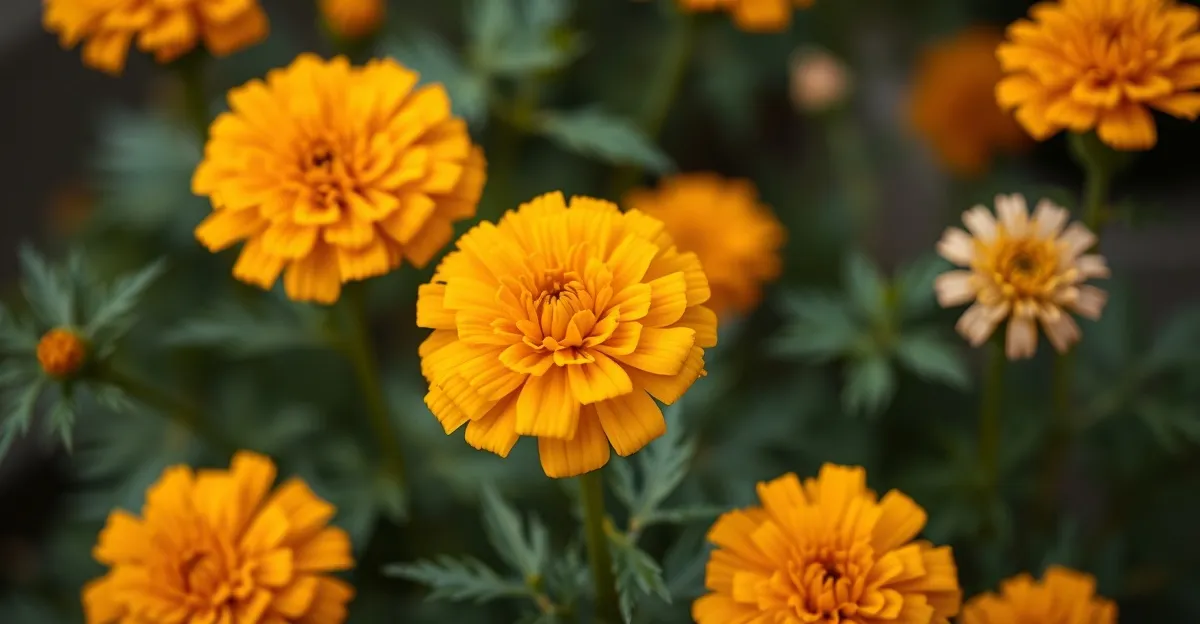
For a Balinese household, the marigold supply question is practical: how do you ensure you have enough fresh flowers every single day? Many families grow marigolds in their home compound (pekarangan). Others buy in bulk from the market every few days. The freshness of the offerings matters — wilted flowers are considered less appropriate.
Gebogan and temple festival offerings
For significant ceremony days — odalan (temple anniversary festivals), major life-cycle events, the great holy days of the Balinese calendar — offerings become far more elaborate. Gebogan are the tall, pyramidal towers of fruit, food, and flowers that women carry on their heads to the temple. These can stand 60–80cm high and are genuinely impressive constructions.
Marigolds appear in gebogan in two ways: as cut flowers arranged among other elements, and as garlands. Long garlands of marigolds threaded on string are draped across temple gates, over shrine boxes, and around the bases of gebogan. During a large odalan at one of Bali's important temples — Pura Besakih on Gunung Agung, Pura Taman Ayun in Mengwi, Pura Luhur Batukaru on the slopes of Batukaru — the quantity of marigolds used is extraordinary. Hundreds of families bringing elaborate offerings create a collective display of yellow-orange that transforms the temple space.
For ideas on last-minute flower sourcing during these ceremony periods, see our guide to last-minute Galungan flower ideas for Bali.
Galungan and Kuningan
Galungan — the celebration of the victory of dharma over adharma, occurring every 210 days on the Balinese Pawukon calendar — is the most significant recurring festival in Bali. Every household on the island prepares fresh penjor (ceremonial bamboo poles) and elaborate compound decorations. Marigolds are central to the Galungan floral palette.
In the days before Galungan, Bali's flower markets see their largest demand spikes of the year. Marigold supply is strained and prices rise — sometimes dramatically. Farmers in the Bedugul highland area accelerate harvesting, and trucks from Java bring additional supply through Denpasar.
During Galungan, the visual impression of driving through a Balinese village is unforgettable: penjor poles lining every road, each decorated with young coconut leaves, local offerings, and flowers including marigolds. The yellow-orange against the green of the coconut leaves creates a specific visual signature of Galungan that has been the same for generations.
Kuningan — the final day of the Galungan period, ten days after Galungan — is specifically associated with yellow (the name Kuningan itself relates to yellow). Marigolds are especially prominent in Kuningan offerings.
Ngaben: cremation ceremony
White flowers dominate the visual language of ngaben (cremation ceremony), as white represents spiritual purity and transition. Marigolds — yellow and orange — are not the primary flowers of cremation ceremony in the way they are in celebration and daily offering. However, they do appear in some elements of the ceremony and in the community preparation and sharing of offerings that surrounds ngaben.
The specific floral requirements for cremation vary by family tradition, the guidance of the pemangku (temple priest), and the caste and lineage of the family. Anyone organizing or participating in a cremation ceremony should follow the guidance of the officiating pemangku rather than assuming which flowers are appropriate.

The team
your florists
weekly subscription · Bali
We write about flowers because we love them. We deliver them because someone should — properly, weekly, across Bali.
— heyflowerPay once for 3, 6, or 12 months, no auto-renewal.
Marigolds at Balinese weddings
Balinese wedding ceremony (pawiwahan) is a multi-day event rich with floral decoration. Marigolds appear in the offerings placed at family shrines throughout the ceremony days, and in the garlands that adorn the ceremony space.
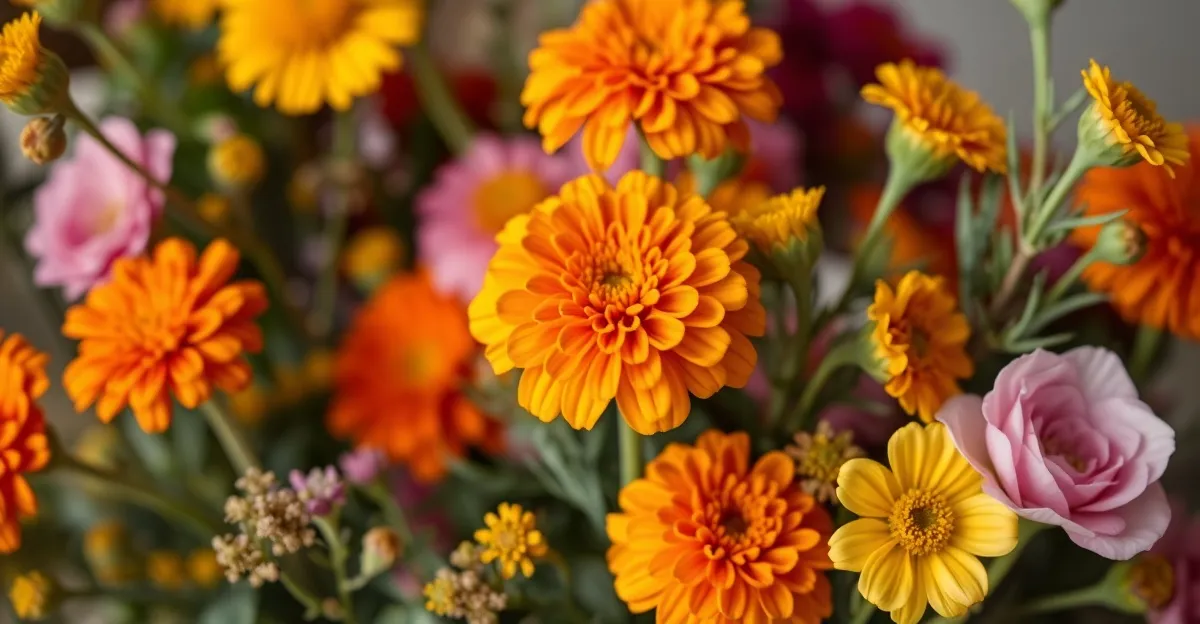
Contemporary Balinese weddings in the more internationally influenced areas of Seminyak and Ubud sometimes incorporate marigolds into both the traditional ceremony elements and the reception decoration. A marigold garland draped across a long dining table or woven into a ceremony arch creates an instantly recognizable Balinese aesthetic that connects the celebration to the island's ceremonial life.
For those planning flower arrangements for a Bali wedding and wondering how to integrate marigolds with other choices, see our guide on marigold in wedding bouquets: ideas, meanings, and pairings.
Sourcing marigolds for ceremony in Bali
For household ceremony, most Balinese families manage through a combination of home-grown plants and market purchases. For visitors or expats organizing ceremony or events:
Markets: Pasar Badung in central Denpasar and Pasar Kumbasari are the main retail and wholesale flower markets. The best time to buy is early morning (before 8am) when stock is freshest. Marigolds are sold by the bunch, typically 10–20 stems per bunch, for Rp 3,000–8,000 in normal periods.
Florists: For ceremony quantities where reliability matters, working with a florist who can source and guarantee supply is worthwhile. This becomes essential during Galungan and Kuningan when walk-in market supply is unreliable.
Advance planning: Because marigold demand spikes dramatically during ceremony seasons, plan your supply needs a week in advance and confirm with your supplier.
FAQ
Why are marigolds so important in Balinese ceremony? Multiple factors: their yellow-orange colors carry appropriate ceremonial symbolism (associated with Mahadewa and Brahma, two directional deities), they are locally grown in significant quantities and therefore affordable for daily use, they are long-lasting relative to delicate flowers, and their scent is considered suitable for offerings.
Are marigolds in Bali the same as the ones used in Mexican Day of the Dead? Yes — both traditions use Tagetes erecta (African marigold) primarily, the large yellow-orange pompom-like flower. The same species from the same Mexican origin arrived in both South/Southeast Asian Hindu traditions and has been preserved in Mexican indigenous practice. It is remarkable that the same flower carries such different but comparably significant ceremonial roles in cultures on opposite sides of the world.
Can tourists participate in preparing canang sari offerings? Many cultural programs and homestays in Ubud and Gianyar offer canang sari making classes, which typically include working with marigolds and other ceremony flowers. This is a genuine way to understand the flower's ceremonial context from the inside.
Does the quality of marigolds matter for offerings? Fresh, open flowers are preferred over wilted or browning ones. There is a principle in Balinese offering-making that the quality of the offering reflects the quality of the devotion. Market vendors who sell ceremony flowers will point you toward the freshest stock.
How often do Balinese families buy marigolds? Daily, or every few days depending on how many offerings a family makes. Families with home gardens pick from their own plants as needed. Families without gardens make frequent small market purchases. The scale of daily marigold consumption across Bali is enormous.
Ready to bring fresh flowers to your Bali home or event? Explore our weekly flower subscription and get handpicked blooms delivered to your door every week.
More on Marigold