How to care for lisianthus in Bali's humid climate
Practical tips for keeping lisianthus fresh longer in Bali's tropical heat and humidity — water care, placement, and common mistakes to avoid.
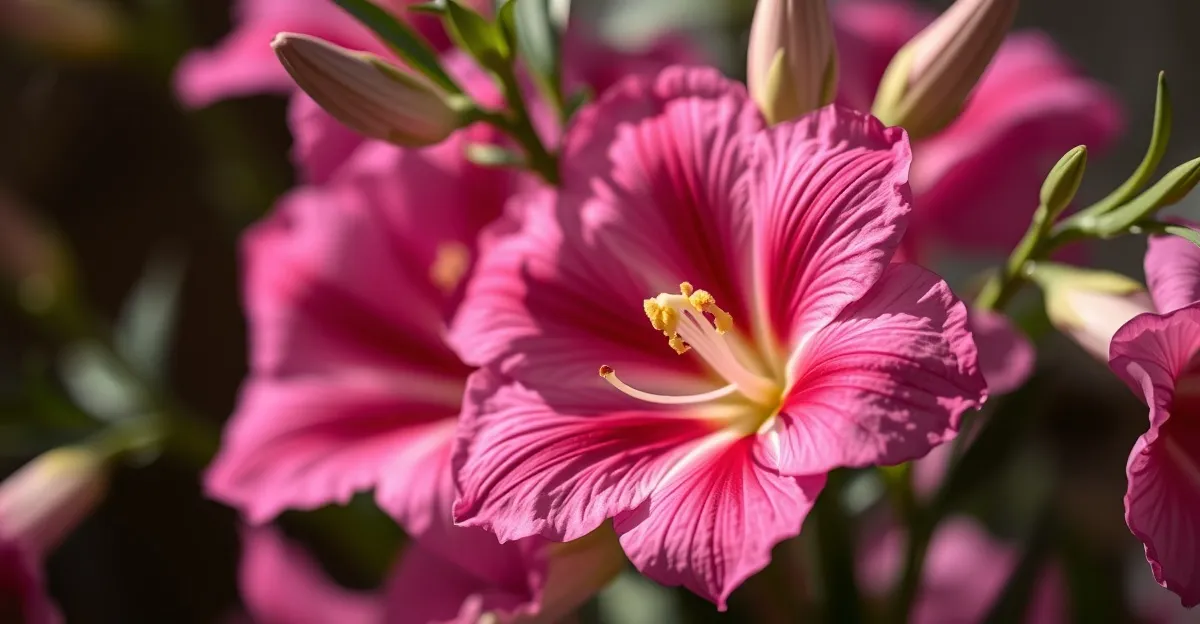
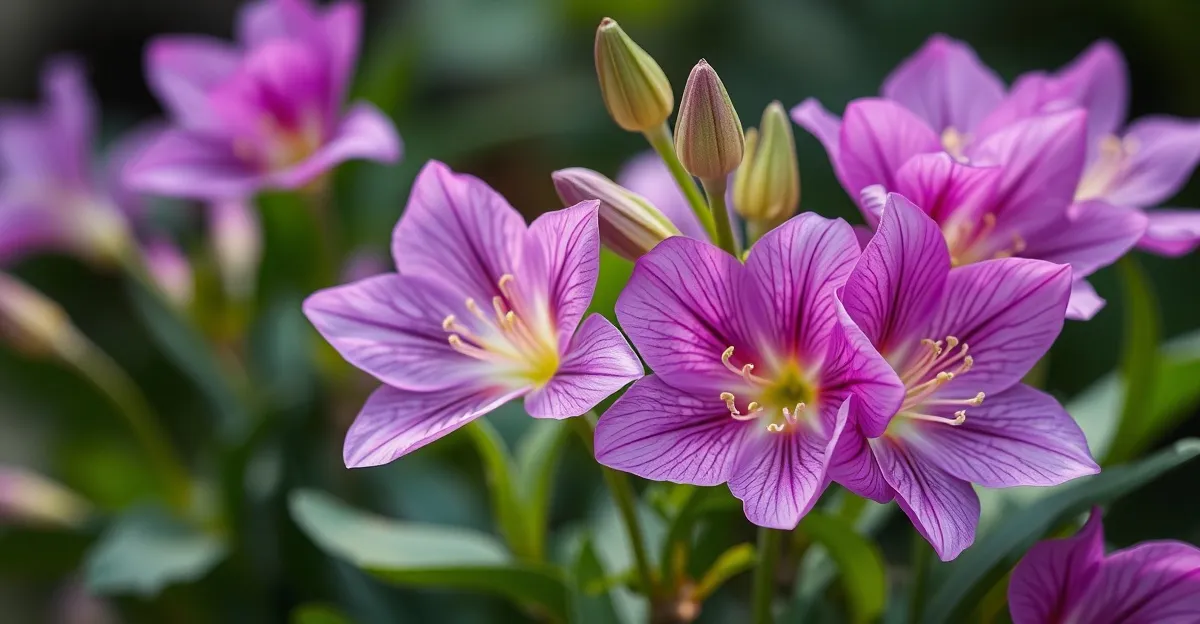
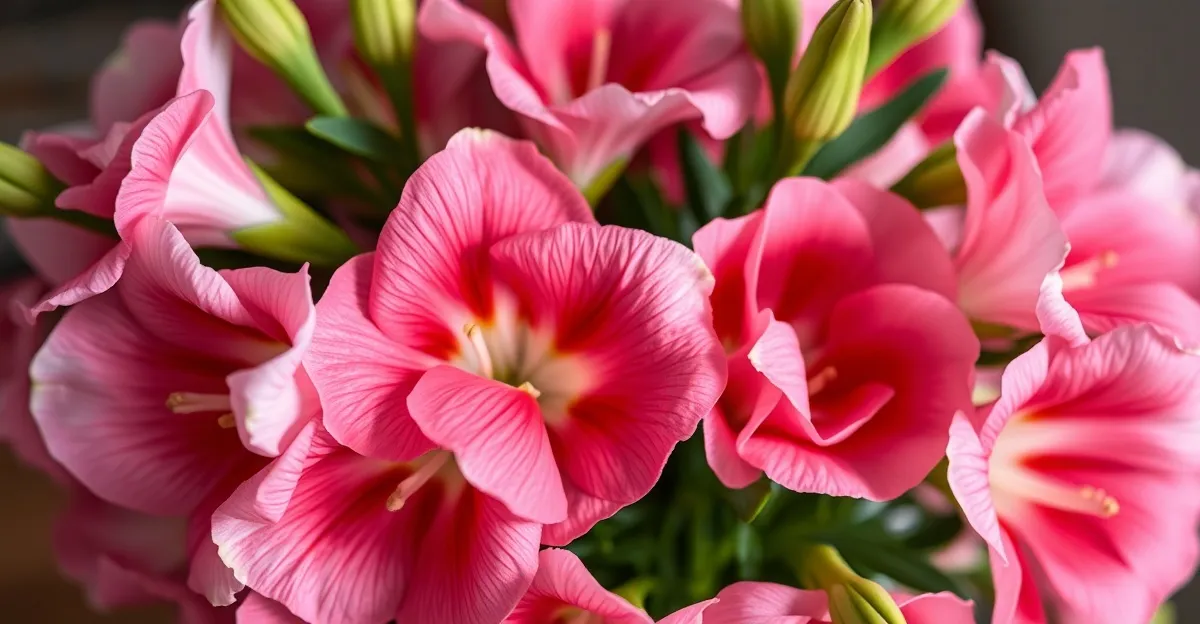
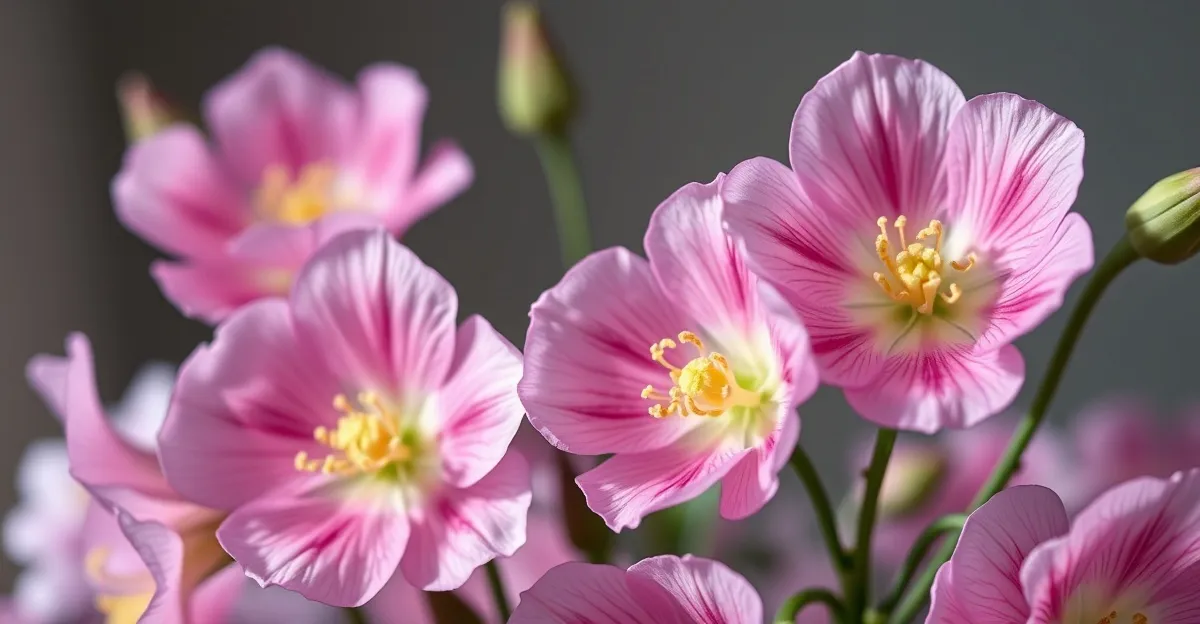
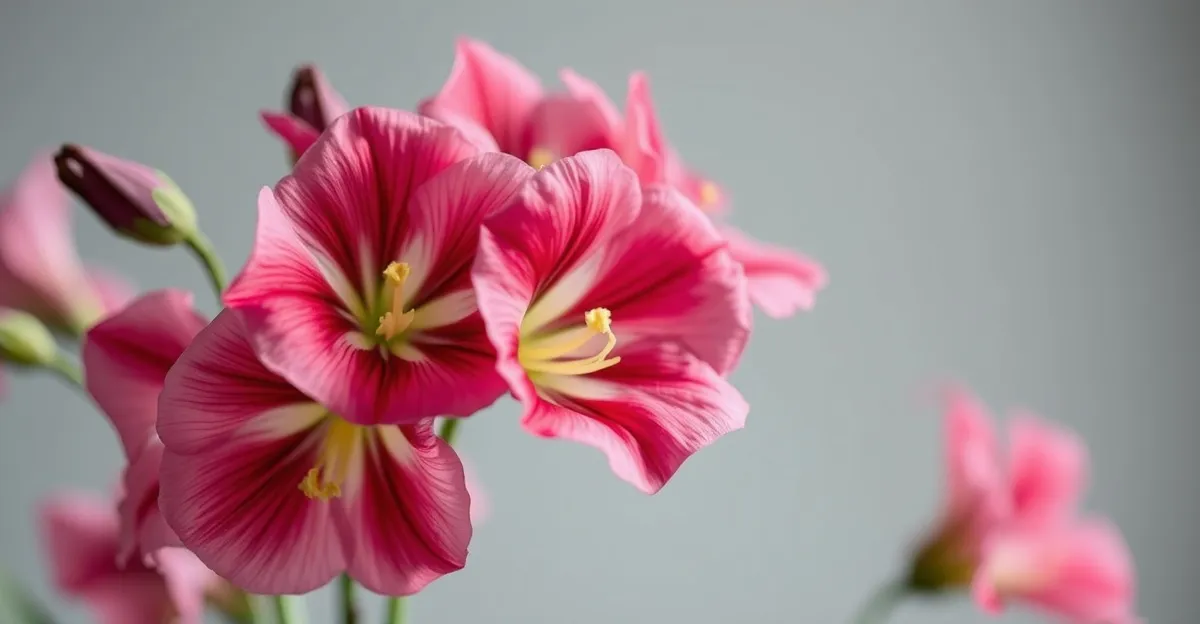
Lisianthus is a genuinely beautiful flower — but it's not the most straightforward to care for in a tropical climate. Where a protea or anthurium might handle Bali's 30°C heat and 80% humidity with relative ease, lisianthus needs a bit more attention. The good news is that with the right basic care, you can significantly extend its vase life and enjoy those layered, ruffled petals for much longer than you might expect.
Here's what actually works from experience caring for lisianthus in Bali.
What makes lisianthus challenging in the tropics
Lisianthus (Eustoma grandiflorum) is native to the southern United States and Mexico — warm climates, but with dry air, significant temperature variation between day and night, and far lower humidity than Bali. The plant evolved in conditions quite different from a tropical island.
The two main challenges in Bali are bacterial growth in warm water and dehydration from heat combined with airflow. Warm, stagnant water in a vase becomes a bacterial environment very quickly at tropical temperatures — the bacteria colonise the cut stems, blocking water uptake and causing flowers to wilt even when the vase appears full. Meanwhile, the combination of high temperatures and movement of air (both natural airflow and air conditioning) dehydrates the petals faster than the stem can replenish moisture.
Understanding these two mechanisms helps you address them directly.
The water routine that actually makes a difference
The single most effective thing you can do for lisianthus in Bali is change the water every day. This sounds more effortful than it is — it takes 30 seconds — but the difference between daily and every-other-day water changes in tropical temperatures is genuinely significant. Daily fresh water dramatically reduces bacterial buildup.
Alongside the water change:
Re-cut the stems each time. A fresh 45-degree angled cut removes any sealed-over or bacterial-compromised stem end and immediately improves water uptake. Use a sharp knife or scissors — a clean cut rather than a crush.
Use cool or room-temperature water. Very cold water can stress tropical-bought flowers that have been held at room temperature. Room temperature filtered water is ideal. If you use tap water, let it sit for a few minutes to let chlorine dissipate.
Remove submerged foliage. Any leaves or small stems below the waterline will begin decomposing quickly in warm water, accelerating bacterial growth throughout the vase. Strip everything below the waterline before placing in the vase and again with each water change.
Add flower food if you have it. Commercial flower preservative sachets (the small packets that often come with florist deliveries) contain nutrients and bactericide that genuinely help in tropical conditions. If you have them, use them.
Placement: the most common mistake in Bali
Most Bali homes and villas have beautiful semi-outdoor living spaces — bale pavilions, open-sided sitting rooms, terraces. These spaces are magnificent for living, but they're hard on flowers.
Lisianthus needs to be kept inside, in the most stable temperature environment your space offers. The ideal placement:
- Away from direct sunlight. Morning indirect light is fine. Direct afternoon sun in Bali will wilt lisianthus within hours.
- Away from air conditioning vents. This is counterintuitive — cooler is better, but direct airflow from AC units dessicates petals. A room running at 23–25°C is ideal; having the flowers under or directly beside the AC vent is not.
- Away from fruit. Ethylene gas from ripening fruit (bananas and mangoes, common in Bali kitchens) accelerates flower ageing. Keep the arrangement away from the fruit bowl.
- Not on a wooden surface in direct heat. Wooden surfaces in direct tropical sunlight can reach temperatures that radiate heat upward into the arrangement. Use a coaster or mat under the vase if your table is in any sun.
Managing multiple buds on a stem
One of lisianthus's most appealing qualities is that each stem carries multiple buds at different stages of opening. As the early flowers mature and eventually fade, the later buds continue to open. This succession of blooms naturally extends the display life of the arrangement.
However, once the early blooms on a stem begin to deteriorate, they can accelerate the decline of the remaining buds if left in place. Check the arrangement every couple of days and gently remove any petals or fully faded flowers to allow the later buds to open cleanly and extend the overall display.
What vase style works best for lisianthus
Lisianthus has a naturally full, branching stem structure — it extends itself naturally. A vase that's too narrow will compress the stems and restrict water flow; a vase that's too wide will allow the stems to fall apart, leaving the arrangement looking sparse.
A medium-width vase, roughly two-thirds the height of the stems, works well. For a mixed arrangement, a slightly wider vase gives the branching stems room to spread naturally. Dense glass or ceramic works better than thin-walled vases in hot climates because they hold cool water temperature slightly longer.

The team
your florists
weekly subscription · Bali
We write about flowers because we love them. We deliver them because someone should — properly, weekly, across Bali.
— heyflowerPay once for 3, 6, or 12 months, no auto-renewal.
Humidity's unexpected role
One thing that's counterintuitive about tropical flower care: while high humidity is often a challenge, a very dry room (heavily air-conditioned with low humidity) can also stress flowers. Lisianthus petals are delicate and can brown at the edges if the air is very dry.
If your air conditioning runs the room below 50% relative humidity, placing a small bowl of water near the arrangement or running a humidifier occasionally can help maintain petal quality. The goal is moderate humidity, not the extremes in either direction.
How long to expect lisianthus to last in Bali
With good care as described above, lisianthus in Bali typically lasts 6–10 days. Without attention — particularly without regular water changes in tropical temperatures — that drops to 3–5 days. The better your care routine, the fuller the succession of buds you'll get to see open.
This is shorter than the 10–14 days lisianthus achieves in temperate climates, but it's perfectly reasonable for a beautiful flower in tropical conditions. For a similar care comparison see how other delicate blooms perform in lisianthus vase life in the tropics: how long do they last?.
FAQ: Caring for lisianthus in Bali
My lisianthus wilted quickly even though the vase had water — what happened? Almost certainly bacterial stem blockage. The vase water warmed up (in Bali's heat, water in a vase warms to near-room temperature within hours), bacteria multiplied rapidly, and the stems couldn't take up water. Re-cut the stems, clean the vase thoroughly, and change the water.
Can I revive wilted lisianthus? Sometimes. Cut the stems, place in cool clean water, and move to the coolest spot in your home. Give it a few hours. If the petals have fully collapsed, recovery is unlikely, but if it's just been a few hours since wilting, many stems will recover.
Should I refrigerate lisianthus at night? If you have space in a clean refrigerator (away from ethylene-producing fruit), this can genuinely extend life. Remove the arrangement from the fridge in the morning and return it at night. This isn't essential with good water management but does help.
Does the colour affect how long lisianthus lasts? Not significantly. All colours are the same variety of Eustoma and behave similarly. The condition of the stems on arrival (from the florist's supply chain) has more impact than colour.
What's the best way to tell if my florist's lisianthus is fresh on delivery? Fresh lisianthus should have tight buds that haven't yet opened, firm petals on any flowers that are beginning to open, and clean stem bases without browning or sliminess. The water it's been stored in should be clear or only very slightly cloudy.
Ready to bring fresh flowers to your Bali home or event? Explore our weekly flower subscription and get handpicked blooms delivered to your door every week.
More on Lisianthus