Can Tuberose Grow in Bali? A Florist's Perspective
Tuberose and Bali's tropical climate seem made for each other — but is it really that simple? Our florists share the honest picture.
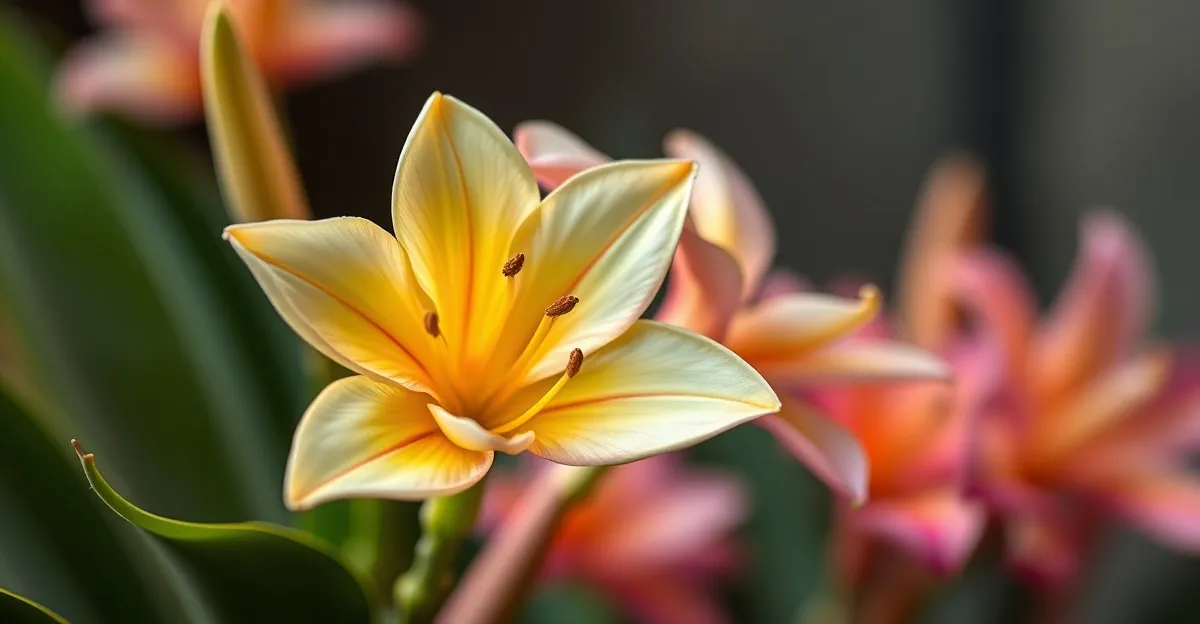
Of all the questions our customers ask about flowers in Bali, "can tuberose grow here?" is one where we can give the most enthusiastic affirmative answer. Unlike many flowers that struggle in tropical conditions, tuberose is genuinely at home in Bali's warm, humid climate. It has been cultivated across Indonesia for centuries. In fact, some of the most fragrant tuberose in the world comes from Indonesian growing regions.
Let's explore why tuberose thrives here, where it's grown in Indonesia, and what you need to know if you want to grow it yourself.
The Botany of a Tropical Native
Tuberose (Polianthes tuberosa) originated in tropical Mexico, where indigenous communities cultivated it for centuries before Spanish colonists encountered it in the 16th century. It evolved in warm, seasonally dry conditions — full sun, good drainage, and temperatures that never approach freezing.
These conditions are essentially what Bali offers, particularly in the drier coastal regions and the low hills of the island's interior. Bali's year-round warmth (22-33°C), the regularity of the seasons, and the fertility of the volcanic soil create conditions that tuberose finds genuinely hospitable.
The key compatibility factors:
Temperature: Tuberose thrives between 20°C and 35°C. Bali almost never drops below 22°C even at night, and rarely exceeds 35°C. This is the ideal range.
Humidity: While tuberose prefers drier conditions during dormancy, it tolerates high humidity during active growth — which is what Bali's dry season (May-September) provides.
Soil: Volcanic soils, which dominate much of Bali, are well-drained and rich in minerals — well-suited to bulbous plants like tuberose.
Daylight: Tuberose requires full sun, which Bali has in abundance outside of heavy cloud periods.
Where Tuberose is Grown in Indonesia
Indonesia is one of Asia's significant tuberose producers, and the flower's Indonesian name — "sedap malam" (night fragrance) — reflects how deeply embedded it is in local culture. The primary commercial growing areas in Indonesia are:
East Java (around Malang and Pasuruan): The highland areas around Malang, with their cooler temperatures and excellent volcanic soils, are Indonesia's primary tuberose production zone. Malang farmers have been growing tuberose for generations, supplying the flower markets of Jakarta, Surabaya, and Bali. The Malang tuberose is noted for its high fragrance concentration, believed to result from the cooler highland growing conditions.
West Java (around Bandung): The Bandung area, with similar highland characteristics, also produces significant commercial quantities of tuberose.
Bali itself: While not a major commercial growing area for tuberose, tuberose is cultivated in several parts of Bali — particularly in the highland areas of Bedugul and Kintamani, where the slightly cooler temperatures and good agricultural traditions support its cultivation. Local Balinese-grown tuberose occasionally appears in Denpasar's flower markets.
Growing Tuberose in Bali: What to Expect
For home gardeners in Bali wanting to grow tuberose, the good news is that success is achievable with modest effort. The better news is that in a tropical climate, tuberose can be encouraged to bloom more than once per year, unlike in temperate climates where one annual bloom cycle is typical.
Starting From Tuberose Bulbs
Tuberose grows from fleshy bulbs (technically corms), which are readily available in Bali's nurseries and from online suppliers. Choose firm, heavy bulbs without soft spots or obvious mould. Larger bulbs typically produce better first-year bloom.
Plant the bulbs 5 to 8 centimetres deep in well-drained soil, in a position that receives at least six hours of direct sun daily. Space them approximately 15 to 20 centimetres apart if planting multiple bulbs.
In Bali, the best time to plant is at the beginning of the dry season — around May or June — so the bulbs establish during drier conditions before flowering in September or October.
Soil Preparation
Tuberose requires excellent drainage. Bali's native volcanic soils are often naturally well-drained in highland areas, but in lower-lying coastal areas (much of Canggu, Seminyak, and Kuta), soil can be heavier and wetter than tuberose prefers. In these areas, amend the soil with coarse sand and compost to improve drainage, or grow tuberose in raised beds or large pots.
Adding well-rotted organic matter — compost or aged manure — before planting improves soil fertility and supports healthy bulb development.
Watering in Bali
The balance of water is critical. Tuberose needs consistent moisture while actively growing and during flower spike development, but must not sit in waterlogged soil. In Bali during the dry season, weekly watering is typically sufficient, depending on your specific location's rainfall.
During Bali's wet season, if the soil stays saturated for extended periods, tuberose bulbs can rot. Growing in pots during the wet season, or in very well-drained raised beds, helps manage this risk.
Fertilising
Tuberose is a fairly hungry plant, and the richness of its fragrance is linked to nutrient availability. A balanced slow-release fertiliser at planting, followed by a phosphorus-rich fertiliser when the flower spike begins to emerge, supports the best bloom quality. Many experienced Balinese growers use organic fertilisers — chicken manure compost is widely used and effective.
Bringing Bulbs Back Into Bloom
In temperate climates, tuberose bulbs are typically dug up and stored for winter, then replanted the following spring. In Bali, this cycle is managed differently. After your tuberose has flowered and the foliage has died back, reduce watering significantly for six to eight weeks — a dry rest period that triggers the bulb to build energy for the next bloom cycle. Then resume regular watering and fertilising to initiate the next growth phase.
With this approach, experienced Bali gardeners can sometimes achieve two bloom cycles per year — a genuine advantage of the tropical climate.

The team
your florists
weekly subscription · Bali
We write about flowers because we love them. We deliver them because someone should — properly, weekly, across Bali.
— heyflowerPay once for 3, 6, or 12 months, no auto-renewal.
The Tuberose We Use at heyflower.co
Our tuberose is sourced primarily from Java-based growers in the Malang region, supplemented by local Bali-grown stock when available and quality permits. The Java supply chain is well-established and reliable, with flowers traveling from highland growing areas to Bali via regular logistics channels.
We prioritise freshly cut flowers that have been in transit for the minimum possible time. The extraordinary fragrance of high-quality fresh tuberose — versus older flowers that have spent longer in supply chains — is immediately obvious to anyone with a sensitive nose. Our commitment is to deliver tuberose at its fragrant peak, not after its best has already dissipated in a warehouse. If you're curious about other locally adapted flowers, our guide to can gardenia grow in Bali covers a similarly fragrant tropical bloom.
Tuberose in Balinese Gardens
Beyond commercial cultivation, tuberose has a long history in traditional Balinese home gardens (pekarangan). These compound gardens, which surround family compounds and temples, have traditionally included flowers used for daily offerings — and tuberose, as a flower used in ceremonial garlands and offerings, has been part of this garden tradition.
In a contemporary Bali garden, tuberose fits naturally among other flowering plants. It grows to roughly 60 to 90 centimetres tall when in bloom, creating vertical interest. Its strap-like leaves are attractively lush when actively growing. And when it blooms, the fragrance transforms the garden into something extraordinary — particularly in the warm evenings when the scent intensifies.
Frequently Asked Questions
Can I grow tuberose in a pot in Bali?
Yes — pot culture works well for tuberose in Bali, particularly in coastal areas where garden drainage may be poor. Use a pot at least 30 centimetres deep and wide, with excellent drainage holes. A well-draining growing mix (standard potting mix combined with perlite or coarse sand) works well.
How do I know when my tuberose is ready to flower?
A tall spike will emerge from the centre of the leaf rosette — typically reaching 60 to 90 centimetres before the first buds open. The spike is unmistakable: vertical, firm, and progressively dotted with small tight buds from bottom to top.
Why isn't my Bali-grown tuberose flowering?
The most common causes are insufficient sunlight (less than six hours direct sun daily), overwatering, overcrowded bulbs, or insufficient dry rest between cycles. Insufficient phosphorus in the soil can also prevent flowering — try adding a phosphorus-rich fertiliser.
Is Bali-grown tuberose available to buy in flower markets?
Occasionally, yes — particularly in the traditional Badung market in Denpasar. However, supply is irregular. The consistent supply comes from Java-grown stock. For reliable, high-quality tuberose, sourcing through a florist is more dependable than the market.
Are there any pests or diseases I should watch for in Bali?
Tuberose in Bali's humid conditions can be susceptible to fungal leaf diseases, particularly if air circulation around the plants is poor. Planting in well-spaced rows and avoiding overhead watering (water the base of the plant rather than the leaves) reduces this risk. Bulb rot is the other main concern, addressed by good drainage.
Grow It or Get It Delivered
Whether you're planning a tuberose garden project or simply want beautifully fresh tuberose delivered to your door, heyflower.co has you covered. Our weekly subscription arrangements feature tuberose when it's at its seasonal best, sourced from Bali's closest growing regions. Sign up for a subscription and enjoy the night fragrance of Bali in your home, week after week.
More on Tuberose