Can lisianthus grow in Bali? A florist's perspective
Lisianthus is notoriously difficult to grow in tropical climates. Here's an honest florist's look at what's possible in Bali and where it's sourced.
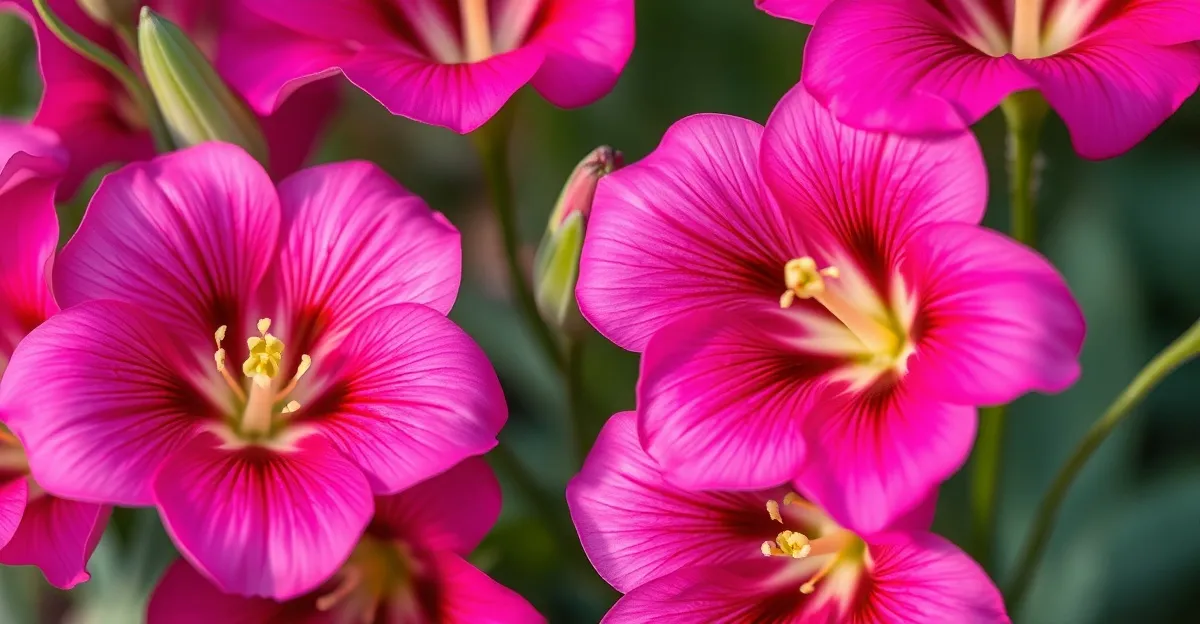
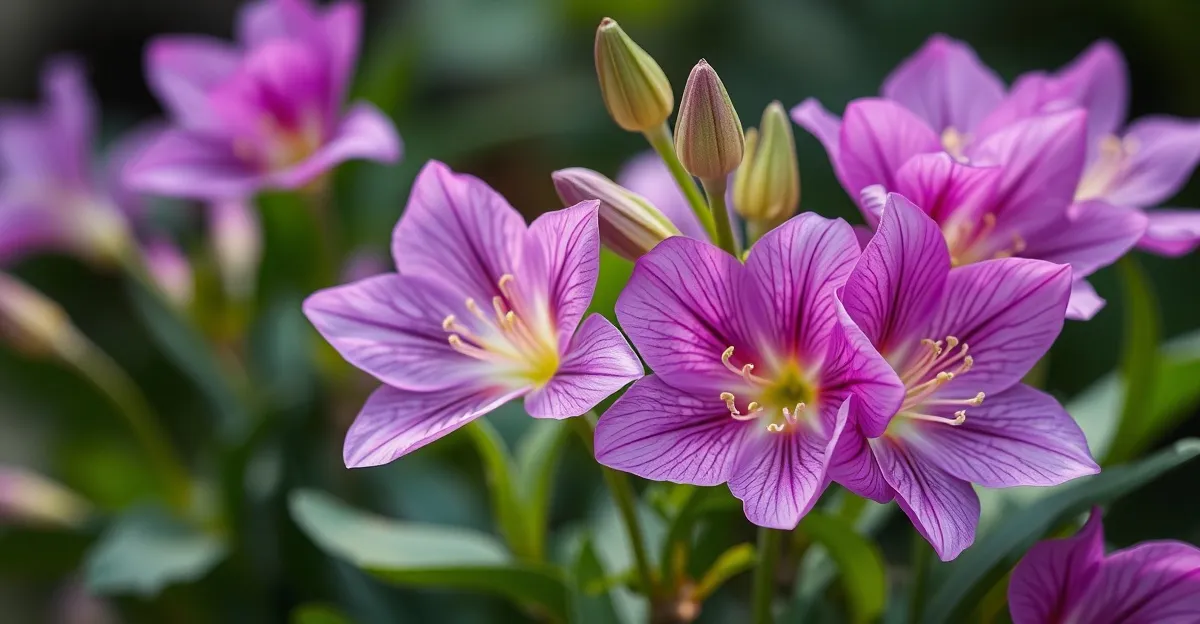
If you have ever held a bunch of lisianthus in your hands and wondered whether you could grow it in your Bali garden, you are not alone. It is a question florists here get regularly, usually from expats who miss having a cutting garden or from villa owners hoping to grow their own arrangement flowers. The honest answer is: it is difficult, it is not impossible, and it requires understanding why lisianthus behaves the way it does in a tropical climate.
Why lisianthus is challenging in the tropics
Lisianthus (Eustoma grandiflorum) is native to the prairies of the southern United States and Mexico — places with hot summers and, crucially, cool winters. The plant is a biennial or short-lived perennial in its native environment, and it requires a period of cool temperatures to trigger proper growth and flowering. Without that cold period, or at least a consistent temperature drop at night, the plant tends to produce leaves without ever flowering, or it flowers poorly with small, thin petals.
In lowland Bali, the temperature rarely drops below 22 degrees Celsius even at night. In the dry season (May through September), nights in coastal areas like Seminyak and Canggu might touch 23 degrees, which is still considerably warmer than lisianthus ideally needs during its development phase. The result, for most home growers, is lush green plants that stubbornly refuse to bloom.
There is also the humidity factor. Lisianthus is susceptible to a fungal disease called botrytis, and Bali's consistently high humidity — especially during the wet season from October through March — creates almost perfect conditions for that disease to take hold. Without careful management, plants can develop grey mold before they even reach flowering stage.
Where growing might work in Bali
The notable exception to the "lisianthus won't grow here" rule is higher altitude. In the Kintamani area, around Bedugul, and in the highland gardens above Ubud, nighttime temperatures drop into the 16 to 18 degree range — especially during the dry months. Some Indonesian growers have had success with lisianthus at these altitudes, producing blooms that are smaller than the perfect double-petalled varieties sold by commercial florists but still recognisably lisianthus.
The Bedugul area already has a functioning cut-flower industry — it supplies much of Bali's domestic demand for carnations, chrysanthemums, and gerbera. Lisianthus has been trialed there, and while results are inconsistent, it is grown in small quantities. This is part of why some local florists can occasionally source lisianthus that is more recently cut than the imported stock from Java or overseas.
Where Bali's lisianthus actually comes from
Most lisianthus sold by florists in Bali is imported. The primary supply chain runs through Java — particularly from highland growing regions around Malang and Bandung where the altitude and cooler climate produce commercially viable quantities. Some premium lisianthus comes directly from overseas, particularly from specialist growers in the Netherlands, Australia, or Colombia, though the transit time and cost make this the exception rather than the rule for everyday florists.
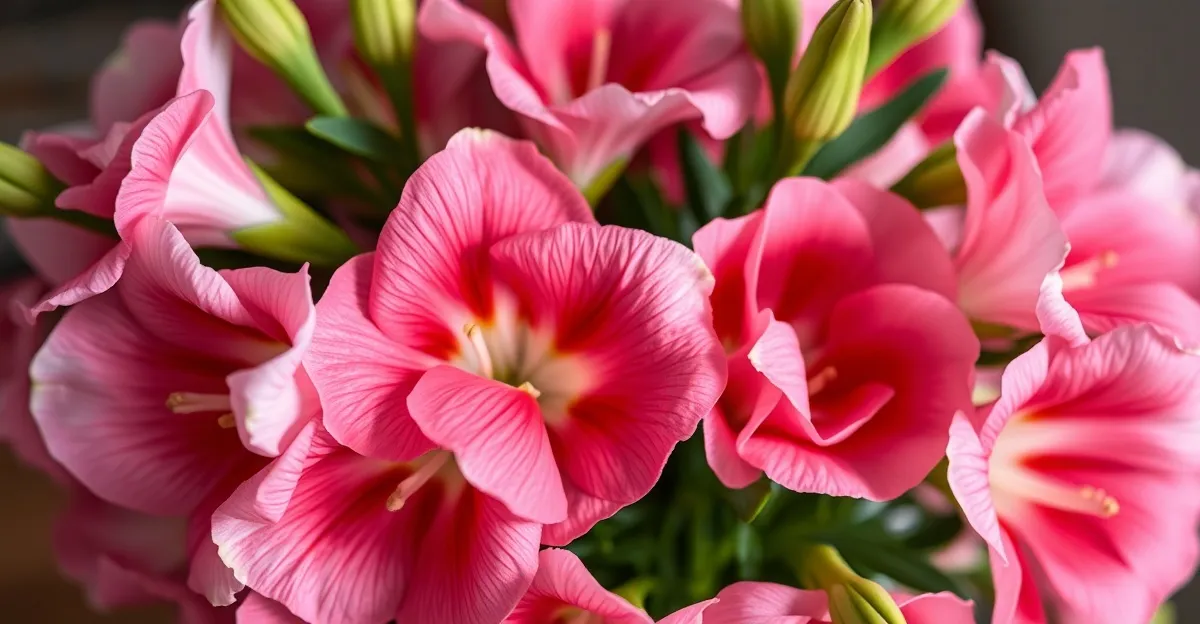
The quality difference between local Javanese-grown lisianthus and imported Dutch or Colombian stems is noticeable to a trained eye: the imported varieties tend to have tighter, more uniform double blooms and more consistent stem length. But the Javanese-grown stock, when sourced fresh and conditioned properly, performs well in the vase and at a significantly lower price point — typically Rp 15,000 to Rp 30,000 per stem compared to Rp 50,000 or more for premium imported varieties.
If you want to try growing lisianthus in Bali
If you are determined to try, here is the most practical approach for Bali conditions:
Choose highland or hill areas: If you are in Ubud or above, your chances are better than in coastal lowland Bali. The elevation gives you cooler nights.
Start from plugs or seedlings, not seed: Lisianthus seed germination is notoriously tricky. Specialized seedlings (plugs) give you a much better starting point. These are sometimes available from agricultural suppliers in the Bedugul area or can be ordered through Java.
Control humidity aggressively: Grow under cover with good airflow. A polytunnel or even a simple shade structure that prevents rain from directly hitting the foliage dramatically reduces fungal disease risk.
Use well-draining growing medium: Lisianthus detests waterlogged roots. In Bali's clay-heavy soils, raised beds with a sandy, well-amended growing mix are essential.
Expect imperfection: Home-grown lisianthus in Bali will not look like the double blooms you see in a florist's display. Single or semi-double flowers are more likely, and stem length will be shorter. That is fine for a home cutting garden — just adjust expectations.

The team
your florists
weekly subscription · Bali
We write about flowers because we love them. We deliver them because someone should — properly, weekly, across Bali.
— heyflowerPay once for 3, 6, or 12 months, no auto-renewal.
The florist's honest take
As someone who works with lisianthus regularly, my honest perspective is that growing it in lowland Bali is not a practical pursuit for most people. The energy, space, and management required to coax blooms from a heat-stressed plant rarely pays off when you can get freshly conditioned lisianthus delivered to your door at a reasonable cost.
For sustainable local sourcing, the more interesting question is actually about other beautiful flowers that do grow well in Bali's climate — like tropical varieties, heliconia, and local garden flowers. You might also enjoy reading about how to choose a florist in Bali who sources thoughtfully and can tell you exactly where each stem in your arrangement comes from.
If you are in the Ubud highlands or Kintamani area and willing to experiment, lisianthus is worth trying. For everyone else, a good flower subscription that brings fresh lisianthus to your door makes more sense than fighting the climate.
FAQ
Can I grow lisianthus in a pot in Bali? Pot growing makes climate control marginally easier but does not solve the fundamental issue of insufficient cold temperatures. It can work in highland areas; in lowland coastal Bali, it is unlikely to produce flowers.
Why won't my lisianthus plant flower even though it looks healthy? This is the classic tropical lisianthus problem — the plant stays in vegetative growth because it has not experienced the temperature cue it needs to transition to flowering. Too-warm nights are the most common cause.
Are there heat-tolerant lisianthus varieties? Breeders have been working on more heat-tolerant varieties, and some Japanese-bred strains perform better in warmer conditions. Ask specialty agricultural suppliers if these are available in Indonesia.
Where can I buy lisianthus plants or seedlings in Bali? The Bedugul flower market is the best starting point for horticultural supplies in Bali. Sellers there sometimes have ornamental flower seedlings, and they can point you toward sources on Java if they do not have what you need.
Is Bali lisianthus more or less expensive than in other countries? Mid-range lisianthus in Bali (Rp 20,000 to Rp 35,000 per stem) is comparable in real terms to European or Australian prices once you account for income differences. Premium imported stems cost more, reflecting the transport and refrigeration involved.
Ready to bring fresh flowers to your Bali home or event? Explore our weekly flower subscription and get handpicked blooms delivered to your door every week.
More on Lisianthus