Can Lily Grow in Bali? A Florist's Perspective
Can lilies actually grow in Bali's tropical climate? A Canggu florist shares what works, what doesn't, and where Bali's lilies actually come from.
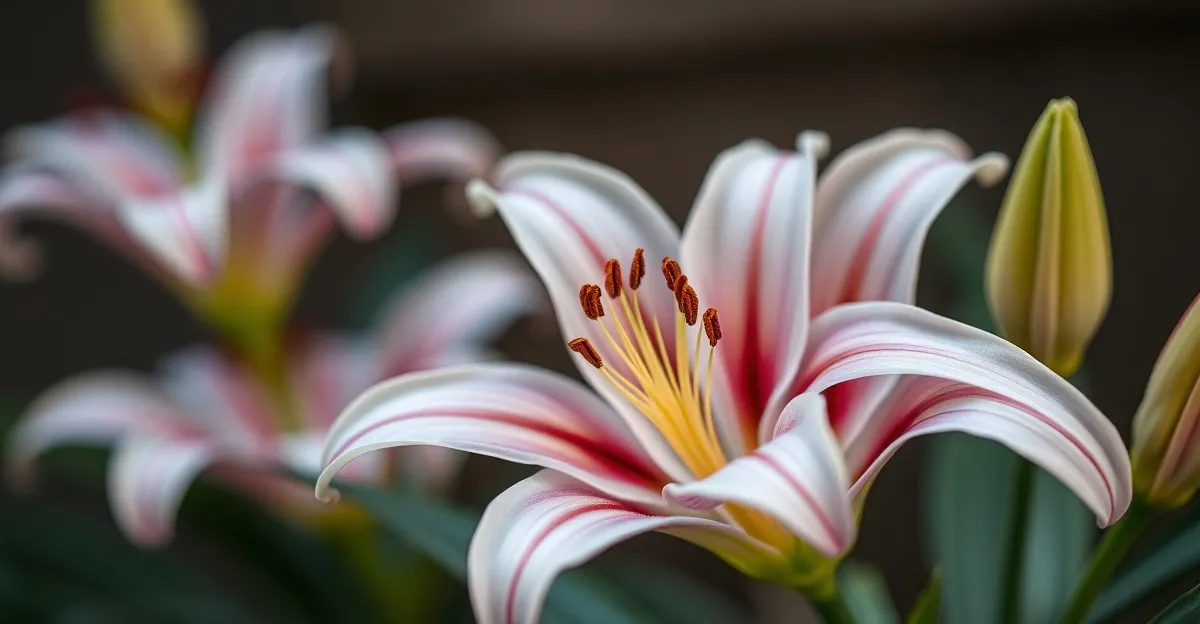
People ask me this question more often than you'd expect, usually after receiving a lily bouquet and noticing that most of what surrounds them in Bali's landscape is frangipani, hibiscus, and towering heliconia. The lily feels almost foreign here, held up against that blazing tropical backdrop. So the question is reasonable: can lilies actually grow on this island, or do they all come from somewhere else?
The answer is complicated, and I find it genuinely interesting. Bali's relationship with lilies is a good window into the island's broader horticultural story — a story of adaptation, climate compromise, and the lengths people will go to grow something beautiful.
Bali's Climate: What the Lily Is Working Against
Lilies are famously diverse. There are somewhere in the region of ninety to a hundred true species in the Lilium genus, adapted to environments as different as the mountain meadows of Japan, the forests of North America, and the rocky hillsides of Mediterranean Europe. What most of them have in common, however, is a preference for temperate conditions, a distinct seasonal cycle, and soil that drains freely and never gets waterlogged.
Bali sits at about eight degrees south of the equator. Average temperatures range from 24 to 33 degrees Celsius year-round, with a wet season running roughly November through March and a dry season from May to September. There is no winter. There is no hard frost. There are no cold nights that signal a dormancy period.
This is the core challenge for most lily species. Lilies grow from bulbs, and those bulbs rely on a cold dormancy period to reset and flower again the following season. Without cold, the bulb depletes its energy reserves producing leaves and maybe a weak flower, then struggles or fails to regenerate.
What Actually Grows in Bali
That said, some lilies do grow here, with the right conditions and a little intervention.
Calla Lily (Zantedeschia)
Technically not a true lily at all — calla lilies belong to the Araceae family rather than the Liliaceae — but they're universally sold and recognised as lilies, so they deserve a place here. Calla lilies are among the most heat-tolerant "lilies" available, and they do reasonably well in Bali's conditions, particularly in the cooler, higher-altitude areas around Ubud and Tabanan.
At sea level in Canggu or Seminyak, calla lilies need significant shade during the hottest parts of the day and soil that drains quickly but stays consistently moist. They won't perform as magnificently as they do in a temperate climate, but they'll grow, produce blooms, and look beautiful in a pot on a shaded terrace.
Peace Lily (Spathiphyllum)
Again, not a true lily, but one of the most common "lily" plants in Bali. Peace lilies are genuinely tropical and they thrive here with almost no intervention. You'll see them in hotel lobbies, villa living rooms, and garden borders across the island. They're grown for their white spathes and handsome foliage, and they're nearly indestructible in Bali's conditions.
Agapanthus (African Lily)
Another plant that goes by the lily name without the botanical credentials. Agapanthus is a subtropical/tropical plant that grows well in Bali, producing its characteristic blue or white ball-shaped flower clusters on tall stems. It's found in hotel gardens and villa borders throughout the island.
True Lilies at Altitude
In Bali's highlands — above 700 to 800 metres — temperatures are meaningfully cooler, particularly at night. Some skilled growers in these areas have had success with Asiatic and Oriental lily bulbs, treating them as annuals rather than perennials. The bulbs are planted in the cooler months, produce a season of flowers, and are then replaced. This is expensive and labour-intensive, but it works.
Where Do Bali's Cut Lilies Come From?
When you receive a lily bouquet in Canggu or Seminyak, the flowers almost certainly didn't grow within sight of Bali's beaches. Most cut lilies sold in Bali are imported, typically from one of three sources.
Java's Highland Flower Farms
The bulk of cut lilies available in Bali come from Java's highland regions, particularly around Bandung and the Dieng Plateau. These areas sit at altitudes above 1,000 metres, where temperatures are cool enough to grow bulb flowers including lilies, tulips, and chrysanthemums. The flowers are harvested in tight bud, transported to Bali, and arrive at local markets and florists ready to open.
This is the supply chain that most Bali florists rely on. The quality is good, the flowers are cut at the right stage for travel, and the logistics are well-established. Transit time from Java's highlands to a Bali florist is typically 24 to 48 hours.
Dutch Imports
Premium lilies — particularly specific Oriental varieties, speciality colours, and varieties not grown in Java — are imported from the Netherlands, which remains the world's dominant cut flower producer. Dutch lilies arrive by air freight through Ngurah Rai airport, which adds significantly to the cost but delivers extraordinary quality. Dutch Casablanca lilies, for instance, are noticeably larger and more reliable than their Javanese equivalents.
When you're paying more for a premium bouquet in Bali, this is often where the difference lies — not just in the variety selected, but in the supply chain that brought it here.
Local Growers: A Growing Minority
There is a small but growing community of growers in Bali's cooler highland areas who are experimenting with lily cultivation, often using modified soil mixes, shade structures, and cool-room storage for bulbs to simulate the dormancy period they would naturally receive in a temperate climate. Some of these growers supply niche florists and restaurants. The output is limited, the quality variable, but the commitment is genuine.
Can You Grow Lily in Your Bali Garden?
If you're a villa resident or long-term expat in Bali with a garden, here's a realistic assessment of what's possible.
At sea level (Canggu, Seminyak, Kerobokan): True lilies are very difficult to grow as perennials. Calla lilies and agapanthus are your best options if you want that lily aesthetic. For true Lilium species, treat them as a seasonal project — plant bulbs from Java's highlands in the dry season, enjoy the blooms, then accept that they're unlikely to regenerate strongly.
Mid-altitude areas (Ubud, Tegallalang): More promising. The cooler nights at altitude make a real difference. Asiatic lily varieties that tolerate warmer conditions can persist for a season or two with proper drainage and some afternoon shade. Soil amendment with grit or coarse sand is essential to prevent the rot that kills bulbs in heavy, wet tropical soil.
Highland areas (Bedugul, Kintamani): The most viable growing conditions on the island. With cool nights, mist, and more temperate conditions, lily cultivation is genuinely feasible. This is where Bali's small commercial lily growers operate.

The team
your florists
weekly subscription · Bali
We write about flowers because we love them. We deliver them because someone should — properly, weekly, across Bali.
— heyflowerPay once for 3, 6, or 12 months, no auto-renewal.
A Note on Native Lily Relatives
Bali's own flora includes several plants that are related to or resemble lilies, and they're worth knowing about.
The spider lily (Hymenocallis species) grows beautifully in Bali's conditions and produces elegant white flowers on long stems. It's genuinely tropical and thrives without any special treatment.
Torch ginger (Etlingera elatior) produces spectacular waxy pink inflorescences that have a sculptural, almost lily-like quality and are used extensively in Balinese temple offerings and decorations.
Heliconia, while not a lily relative, has a similar dramatic visual impact and grows here as abundantly as a weed in the right conditions. You can read more about whether heliconia grows in Bali if you're curious about Bali's native tropicals.
What This Means for Flower Delivery in Bali
For our purposes at heyflower.co, the practical implications are straightforward. We source our lilies primarily from Java's highland growers, supplemented by Dutch imports for premium varieties and special occasions. We receive deliveries multiple times a week to ensure freshness, and we only put flowers into bouquets when they're at the right stage for the recipient to enjoy the full opening process.
If you'd like a regular supply of fresh lilies and mixed tropical arrangements arriving at your Canggu or Seminyak villa every Monday, heyflower.co offers exactly that. No wilted stems, no wondering where the flowers came from — just consistently beautiful bouquets, curated with Bali's climate and aesthetic in mind.
Frequently Asked Questions
Can I plant lily bulbs in Bali and expect them to come back each year?
Not reliably at sea level. True lily bulbs need a cold dormancy period to regenerate, which Bali's tropical lowlands can't provide. You can plant them and enjoy one season of flowers, but don't expect them to multiply and return like they would in a temperate climate. At higher altitudes around Ubud or Bedugul, conditions are more favourable.
Why do lilies cost more in Bali than other flowers?
Most lilies in Bali are either transported from Java's highlands or imported from the Netherlands. Neither source is cheap — there's transportation cost, cold chain management, and import tariffs involved. Locally grown tropical flowers like frangipani, heliconia, and anthurium are significantly less expensive because they require none of this supply chain.
What's the best time of year to buy lilies in Bali?
Lilies are available year-round in Bali due to imports, but quality and availability are generally most consistent during the dry season (May to September). During the wet season, transport from Java can be more complicated and premium imported flowers are sometimes harder to source due to airport logistics.
Are there any true lily species native to Bali or Indonesia?
There are no true Lilium species native to Bali or the broader Indonesian archipelago. However, Indonesia is home to several lily family relatives, including various Crinum species (swamp lilies) that grow naturally in tropical wetland areas. These are quite different in appearance from the ornamental lilies most people associate with the name.
Which lily variety performs best in Bali's heat?
Among cut flowers, calla lilies (Zantedeschia) are the most heat-tolerant and longest-lasting in Bali's conditions. Among true Lilium species, Asiatic hybrids are generally more heat-tolerant than Oriental varieties. For garden cultivation, peace lily (Spathiphyllum) and agapanthus are the most reliable choices for the tropical lowlands.
More on Lily