When Not to Gift Lily: Cultural Considerations
Lilies are beautiful but carry different meanings across cultures. Learn when not to gift lilies in Bali and how to choose flowers that truly honour the moment.
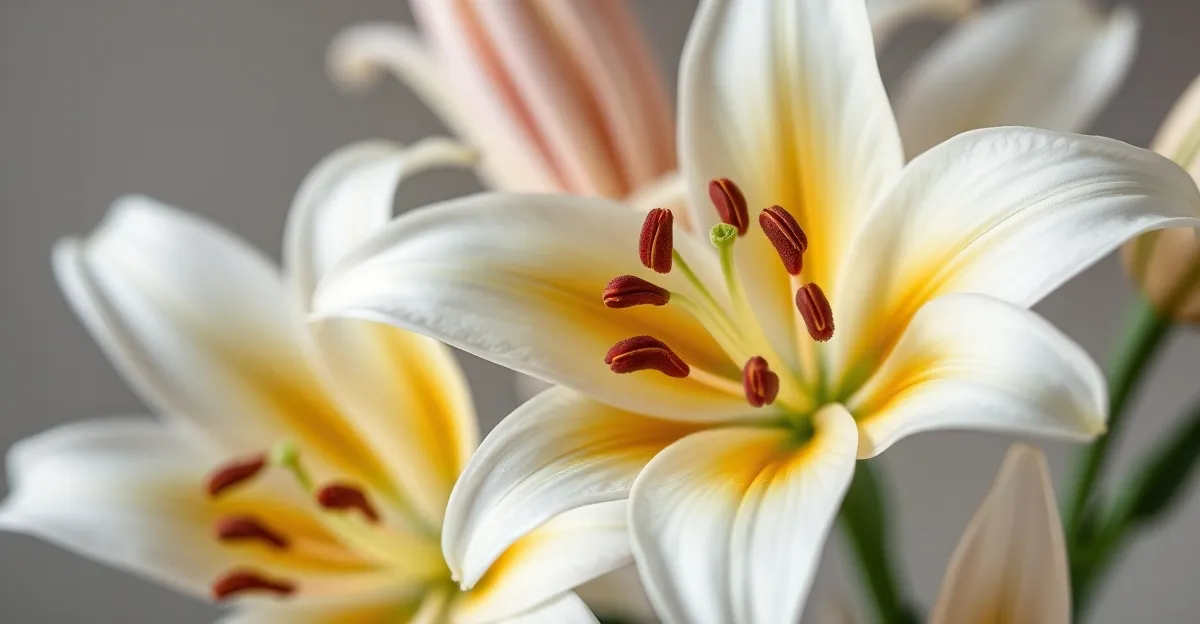
Flowers are one of the most emotionally loaded gifts you can give. They carry meaning — sometimes multiple, conflicting meanings depending on who's reading them and what cultural context they bring to the encounter. Lilies are no exception. In some settings, a lily bouquet is a supreme compliment. In others, it lands as deeply inappropriate, even offensive.
In Bali, where a rich Hindu-Balinese culture coexists with expat communities from across East and Southeast Asia, Europe, and Australia, understanding the cultural context of flowers isn't just good manners — it's genuinely important if you care about the effect your gift has on the person receiving it.
This guide walks through the specific situations where lily gifting may be inappropriate, the cultural beliefs behind those restrictions, and what to choose instead.
The Core Issue: Lilies and Death in East Asian Cultures
The most significant cultural consideration around lily gifting involves East Asian — particularly Chinese, Japanese, and Korean — associations between white flowers and death, mourning, and funerals.
Chinese Cultural Context
In traditional Chinese culture, white is the colour of mourning, not purity or celebration as in many Western traditions. White chrysanthemums and white lilies are both strongly associated with funeral rites and offerings for the deceased. Gifting a bundle of white lilies to a Chinese person — whether for a birthday, a new home, a business opening, or any celebratory occasion — carries the symbolic message of death and loss.
This association is particularly strong among older generations and those who identify closely with traditional Chinese cultural practices. Younger, cosmopolitan Chinese people in Bali may be less sensitive to this, but it's always worth erring on the side of caution. If you're unsure, ask, or choose a different flower.
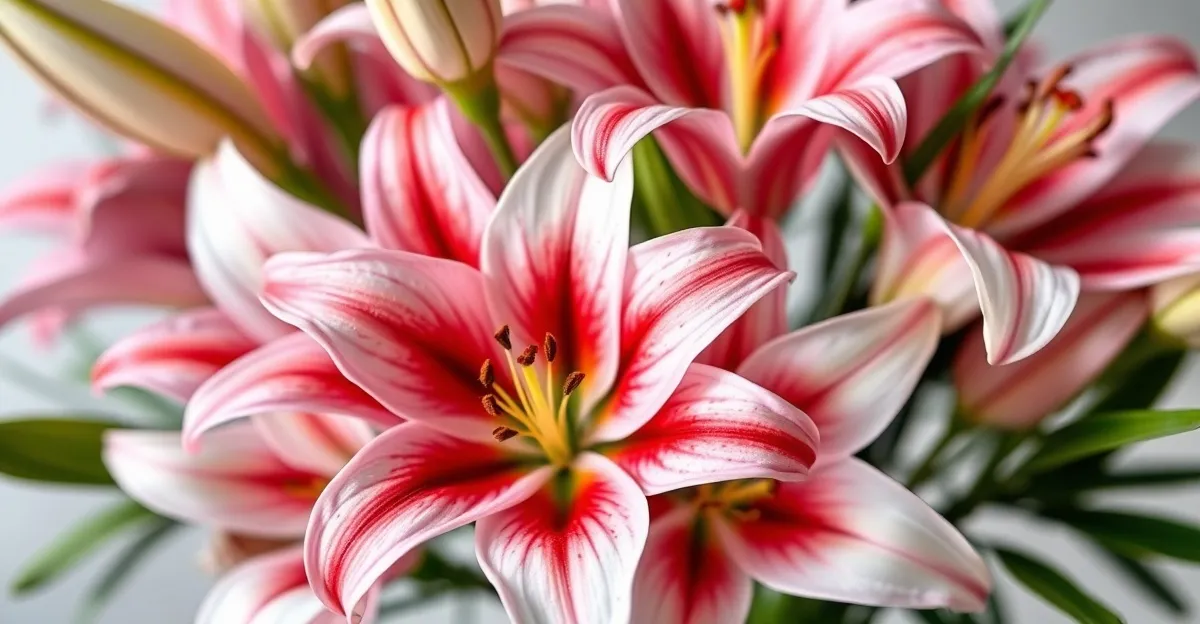
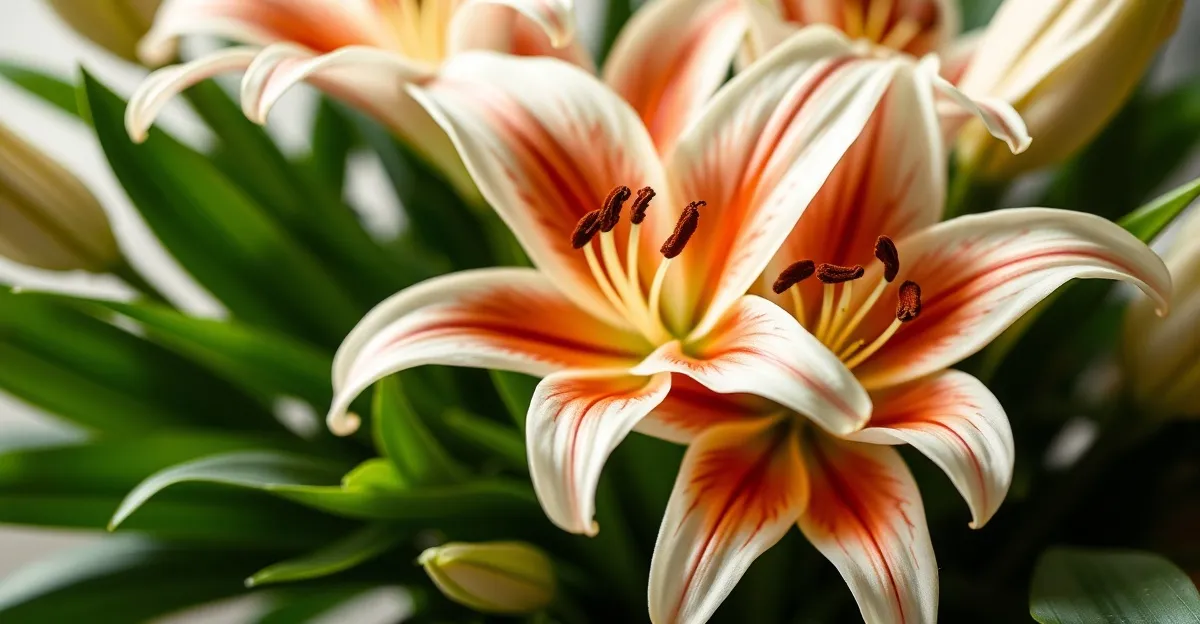
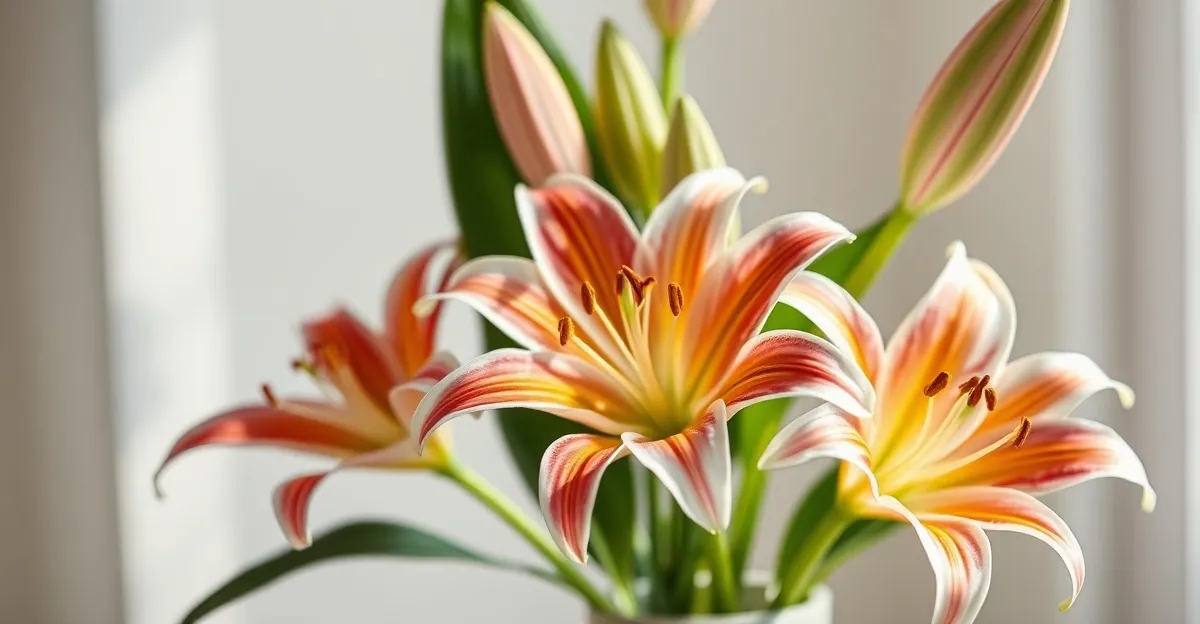
Coloured lilies — pink, orange, yellow — are generally not associated with mourning in Chinese culture in the way white ones are, so a bright coral Asiatic lily bouquet would typically be fine where white would not.
Japanese Cultural Context
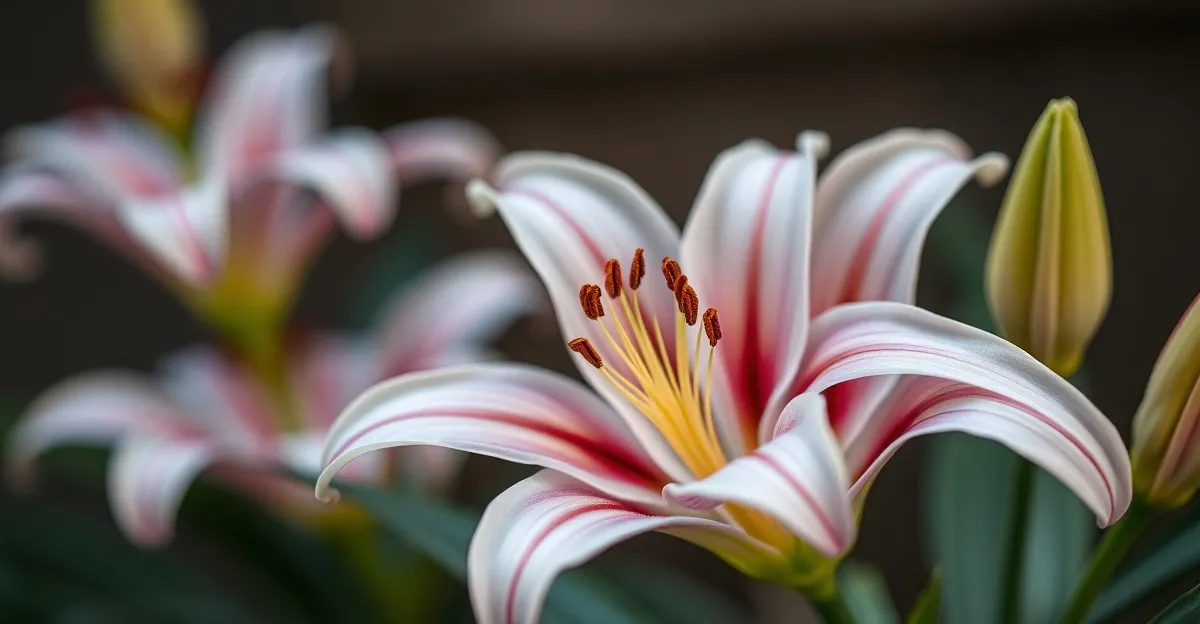
The Japanese lily (Lilium speciosum, or yamatoyuri) holds a complex position in Japanese culture. While lilies in general are appreciated aesthetically, white lilies specifically are used in funeral arrangements and Buddhist memorial offerings. The cultural connection between white lily and death is as strong in Japan as it is in China.
There's an additional consideration specific to Japan: some lily varieties, particularly the tiger lily (Lilium lancifolium), carry associations with revenge in certain traditional contexts, though this is less commonly known and less widely observed today.
For a Japanese recipient in Bali, choose pink roses, sunflowers, or colourful mixed arrangements over white lilies for any positive occasion.
Korean Cultural Context
Similar associations exist in Korea, though the lily's symbolic weight is somewhat less absolute than in Chinese tradition. White flowers in general are avoided for celebratory occasions, but the prohibition on lilies specifically varies by region and generation. Safe practice is to choose coloured lilies or different flowers altogether for Korean recipients on positive occasions.
The Lily and Bereavement: When It's Right and When It's Complicated
In Western and Balinese Hindu traditions, white lilies are actually appropriate for sympathy and bereavement — perhaps the most appropriate flower for those occasions. But this creates a potential miscommunication: if you're gifting lilies to someone who identifies strongly with East Asian cultural norms, what you intend as a gesture of sympathy and peace may land as reinforcing painful associations rather than comforting them.
The safest approach for sympathy gifting across cultural contexts is to choose white roses, which are widely understood as expressing sympathy without the funeral-specific associations that white lilies carry in East Asian traditions. Or, in Bali's context, soft tropical arrangements that feel gently beautiful without strong symbolic weight.
Balinese Hindu Context: What to Know
Within Balinese Hindu tradition, lilies don't carry the same negative associations as in East Asian cultures. Flowers in Balinese religious life are selected for specific ritual purposes — frangipani for purification, marigold for Galungan offerings, jasmine for sacred spaces — and the lily, as a non-native flower, doesn't carry particular ritual associations.
For Balinese recipients celebrating an occasion, lilies are generally well-received. However, there are a few contextual notes worth knowing.
Colour Significance
In Balinese Hindu tradition, white and yellow are considered auspicious sacred colours, while black and red carry specific ritual meanings. A white or yellow lily bouquet for a Balinese person's celebration is symbolically appropriate and respectful. Deep red lilies are less conventional — not inappropriate, but less naturally resonant with Balinese celebration aesthetics.
Temple and Ceremony Contexts
Lilies wouldn't traditionally appear in canang sari (daily offerings) or formal temple offerings, which use specific local flowers with established sacred meanings. But as gifts for people attending or celebrating ceremonies — Galungan, Kuningan, tooth filing ceremonies, wedding preparations — a beautiful lily arrangement is entirely appropriate.
Practical Situations Where Lily May Be the Wrong Choice
Beyond cultural considerations, there are practical scenarios where lily isn't the ideal gift choice.
Gifting to Cat Owners
This is not a cultural consideration but a safety one that matters enormously. All parts of true lily plants (Lilium and Hemerocallis species) are highly toxic to cats. Even small amounts of pollen, water from a vase containing lilies, or ingested plant material can cause acute kidney failure in cats that is often fatal. If you know the recipient has cats, do not send lilies. At all. Choose a cat-safe alternative like roses, orchids, or anthuriums.
Small Children in the Home
Lily pollen can cause skin and eye irritation in young children, and lily plant parts are mildly toxic if ingested. For households with toddlers who put everything in their mouths, a pollen-free or non-toxic alternative is a more considerate choice.
Strong Perfume Sensitivity
Oriental lilies have one of the most powerful natural fragrances of any cut flower. For people who are sensitive to strong scents, suffer migraines, or live in small spaces without good ventilation, an Oriental lily bouquet can be genuinely uncomfortable. If you know the recipient is scent-sensitive, choose Asiatic lilies (scentless), calla lilies (very mild), or a different flower entirely.

The team
your florists
weekly subscription · Bali
We write about flowers because we love them. We deliver them because someone should — properly, weekly, across Bali.
— heyflowerPay once for 3, 6, or 12 months, no auto-renewal.
What to Gift Instead
Knowing when not to give lilies is only half the equation. Having an alternative ready matters.
For East Asian recipients (celebration occasions): Colourful roses, peonies (highly auspicious in Chinese culture), orchids (elegant and well-regarded), or mixed tropical arrangements that read as fresh and celebratory. Peony meaning and symbolism is worth understanding if you're gifting to someone with Chinese heritage — peonies carry profoundly positive associations.
For sympathy across cultures: White roses, soft hydrangea, or for a Bali-specific option, a simple arrangement of tropical white flowers and greens that feels peaceful without carrying funeral-specific symbolism.
For cat-owning households: Roses, orchids, anthuriums, sunflowers, carnations, or a succulent arrangement — all safe for cats.
For scent-sensitive recipients: Asiatic lilies (scentless), anthurium, tropical foliage arrangements, or succulents.
A Note on Context and Conversation
The best florists — and the best gift-givers — ask questions. Knowing a little about who you're sending flowers to, what their background is, and what the occasion means to them is how you turn a transaction into something genuinely thoughtful.
At heyflower.co, we're based in Canggu and we know Bali's cultural landscape well. If you're unsure what to send — whether it's a question about cultural appropriateness, a request for something cat-safe, or just wanting to know what's available and beautiful right now — we're happy to help. Our subscriptions and one-time delivery service is designed around exactly this kind of personal, considered gifting.
Frequently Asked Questions
Are lilies appropriate to gift to Balinese people?
Generally yes, with some colour awareness. White and yellow lilies are symbolically resonant with Balinese Hindu traditions. Avoid gifting anything specifically for temple use, as Balinese ceremonies use specific local flowers with established sacred roles. As an everyday or celebration gift to a Balinese friend or colleague, a beautiful lily arrangement is entirely appropriate.
Is it appropriate to bring white lilies to a Chinese New Year celebration in Bali?
No. White flowers at Chinese New Year celebrations are inappropriate in Chinese cultural tradition because of the association between white and mourning. Bring red, orange, or yellow flowers instead — these colours are auspicious and celebratory. A bright mixed arrangement or a bouquet of orange Asiatic lilies would be far more suitable than white.
Can I give lily to someone who has just had a baby?
For Western or Balinese recipients, yes — pink lilies especially are beautiful for new baby celebrations. For East Asian recipients, choose pink or peach roses, which carry strong associations with love and celebration. Avoid white lilies for this occasion regardless of the recipient's background, as the associations are too ambiguous.
Why do some florists remove lily stamens before delivery?
The primary reason is practical: lily pollen causes permanent staining on fabric. But there's also a secondary consideration around safety — removing stamens reduces the risk of pollen causing irritation to children, pets, and people with allergies. A professional florist will always remove stamens from lilies in bouquets, particularly for bridal work.
What's the safest flower to gift across cultural boundaries in Bali?
Orchids are probably the most universally appropriate choice for cross-cultural gifting in Bali. They carry positive associations in virtually every tradition represented here — Chinese (elegance and prosperity), Japanese (refinement), Balinese (beauty), and Western (luxury and sophistication). They're also widely available, long-lasting, and beautiful in Bali's tropical aesthetic.
More on Lily