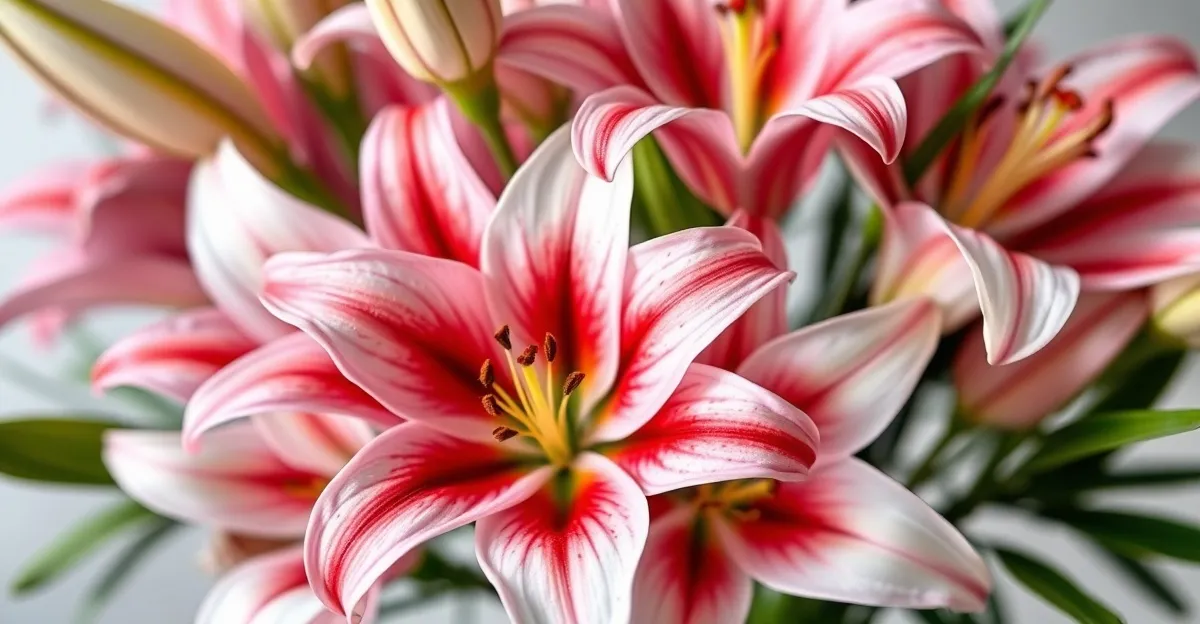
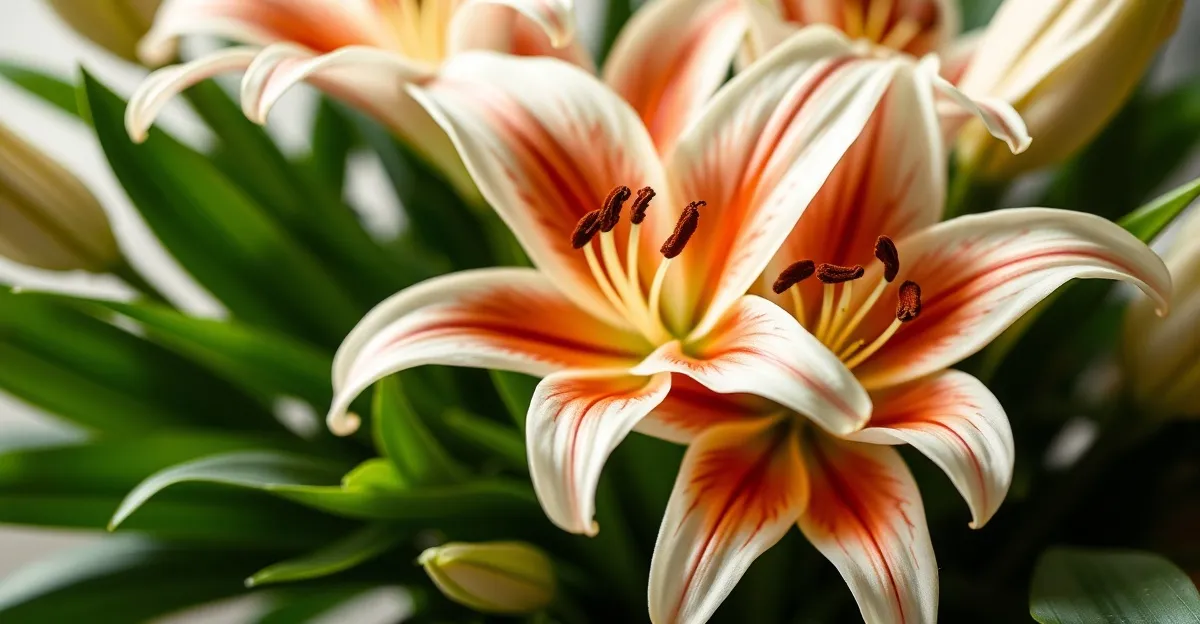
Lily Vase Life in the Tropics: How Long Do They Last?
How long do lilies last in Bali's tropical heat? Practical care tips from a Canggu florist to extend vase life and keep your blooms beautiful longer.
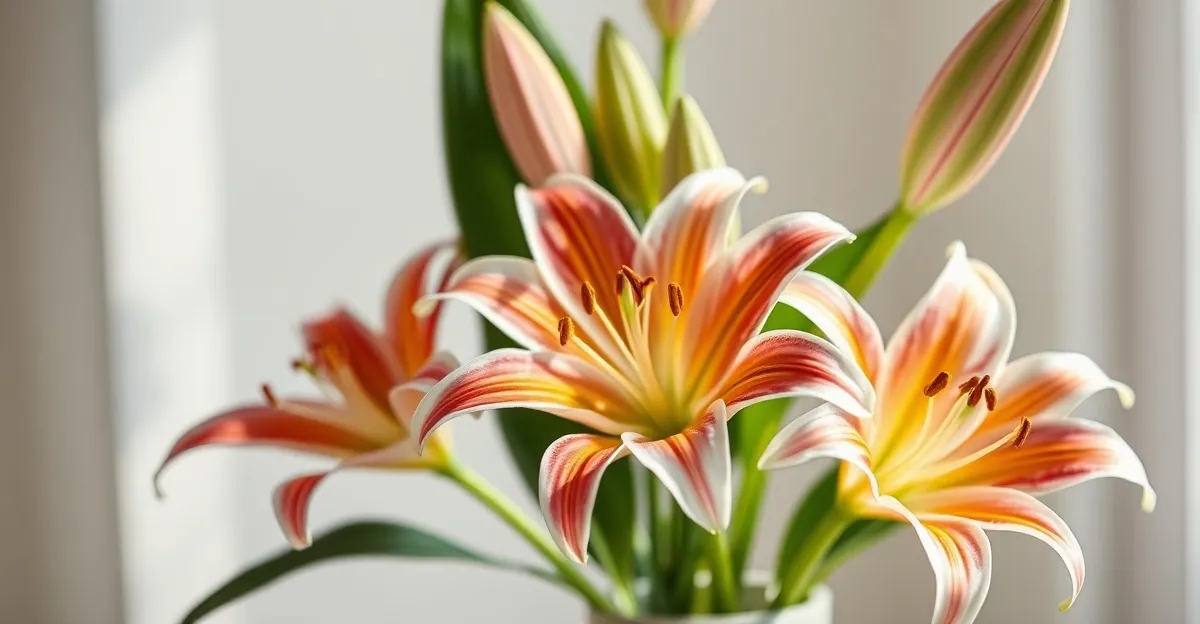
The question comes up every time someone receives a beautiful lily bouquet in Bali: how long is this actually going to last? It's a fair question. You've paid good money for a stunning arrangement, the blooms are breathtaking right now, and the last thing you want is to watch them droop after three days because of the heat.
The honest answer is that lilies in a tropical climate like Bali's don't naturally last as long as they would in a temperate European florist shop. But with the right care — most of it simple and taking less than five minutes — you can significantly extend their life and get real value from every delivery. This guide covers everything you need to know, from the moment the flowers arrive at your door to the final bloom.
What to Expect: Realistic Vase Life for Lilies in Bali
In Bali's climate, with temperatures regularly sitting between 27 and 33 degrees Celsius and high humidity, properly cared-for lilies typically last:
- Asiatic lilies: 5 to 7 days
- Oriental lilies (including Stargazer and Casablanca): 6 to 9 days
- Calla lilies: 7 to 10 days
- LA hybrids (a cross between Longiflorum and Asiatic): 6 to 8 days
These figures assume you're following basic care practices. Neglected arrangements — sitting in direct sun, in stale water, in a warm room without airflow — might only last two to three days. Well-cared-for flowers in a cool, shaded spot can push beyond these ranges.
The wet season (November to March) is actually the more challenging time for vase life. Not because of temperature — it's similar year-round — but because high humidity accelerates bacterial growth in vase water and can promote petal mould. The dry season from May to September is kinder to cut flowers.
Why Tropical Conditions Are Harder on Cut Flowers
Understanding why heat shortens vase life helps you make better decisions about flower care.
Transpiration and Water Loss
Cut flowers continue to transpire — releasing water vapour through their leaves and petals — long after they're no longer attached to a water supply in the ground. In high heat, transpiration accelerates dramatically. The stem can't always pull water up from the vase fast enough to replace what's lost through the leaves, which is why flowers wilt.
Bacterial Growth
Warm water is an excellent breeding ground for bacteria. Cut flower stems release sugars into the water, feeding bacterial colonies that then clog the stem's vascular system. Once the stem is blocked, water can't travel up to the blooms regardless of how much is in the vase. This is why the water in your vase turns cloudy and begins to smell — and why changing it regularly is so important.
Ethylene Sensitivity
Lilies are sensitive to ethylene gas, a natural ripening compound released by fruit, certain other flowers, and even some air fresheners. In a well-ventilated tropical space, this is less of an issue than in a sealed, air-conditioned room. Keep lilies away from fruit bowls and ripening bananas in particular.
The First Hour Matters Most
What you do in the first hour after your flowers arrive has an outsized effect on how long they last. This is especially true in Bali, where the flowers have often been transported in heat.
Unpack immediately: Don't leave flowers wrapped in paper or cellophane. Get them into water as fast as possible.
Cut the stems: Cut at least two centimetres off the bottom of each stem at a 45-degree angle. Use sharp scissors or a clean knife. The diagonal cut increases the surface area for water absorption and prevents the stem from sitting flat against the bottom of the vase, which would block uptake.
Strip the lower leaves: Remove any leaves that would sit below the waterline in your vase. Submerged leaves decompose quickly, feeding bacteria and fouling the water.
Use clean, cool water: Not ice-cold, but noticeably cooler than room temperature. If you have flower food (the small sachet that sometimes comes with a bouquet), add it now — it contains a bactericide, a small amount of sugar for energy, and an acidifier that helps water travel up the stem more efficiently.
Let them drink: Give the flowers at least an hour in water before arranging them. In Bali's heat, two hours is even better.
Daily Care to Maximise Vase Life
Once your lilies are in the vase, a consistent short routine will keep them looking their best.
Water Changes
Change the water every two days. Every single day if you can manage it. This is the single most effective thing you can do to extend vase life. When you change the water, rinse the vase thoroughly, recut the stems by a centimetre or so, and remove any spent leaves.
If you're using tap water in Bali, be aware that the water quality varies considerably between areas. In some parts of Canggu and Seminyak, tap water is high in minerals that can impede stem uptake. If you notice your lily stems looking slimy or your water turning milky very quickly, try filtered or bottled water instead.
Placement
Where you put your flowers matters enormously in a tropical climate.
Avoid direct sunlight: This is the most common mistake. A sunny windowsill might look like a beautiful spot for flowers, but it will dramatically shorten their life. Lilies want bright indirect light, not direct sun.
Watch the air conditioning: This might seem counterintuitive — cooler is better, right? But air conditioning vents blow dry air, which desiccates petals and causes them to brown at the edges. Keep your arrangement a metre or two away from any AC vent.
Avoid the kitchen: Warm cooking air and ethylene from fruit will both shorten flower life. A living room, bedroom, or hallway is better.
Night time matters: In Bali, nights stay warm — rarely below 23 degrees even at 2am. If you have the option, moving your flowers to a genuinely cooler spot at night (a tiled bathroom floor, for instance) can add a day or two to their life.
Removing Spent Blooms
As individual lily flowers on a multi-bloom stem fade, snap them off cleanly. A fading bloom produces ethylene that affects the other blooms on the same stem. Removing it gives the remaining flowers more resources and removes a source of ethylene.
Handling the Pollen
Lily pollen is notorious for staining. The bright orange-yellow powder from the stamens will mark fabric, skin, and other flower petals irreversibly.
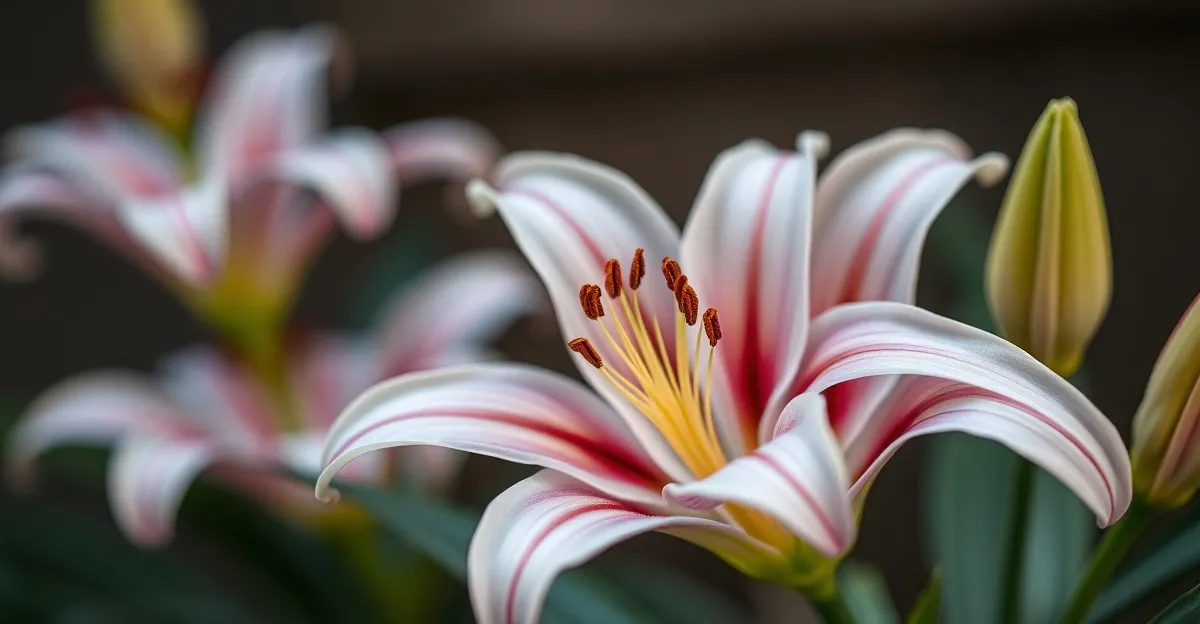
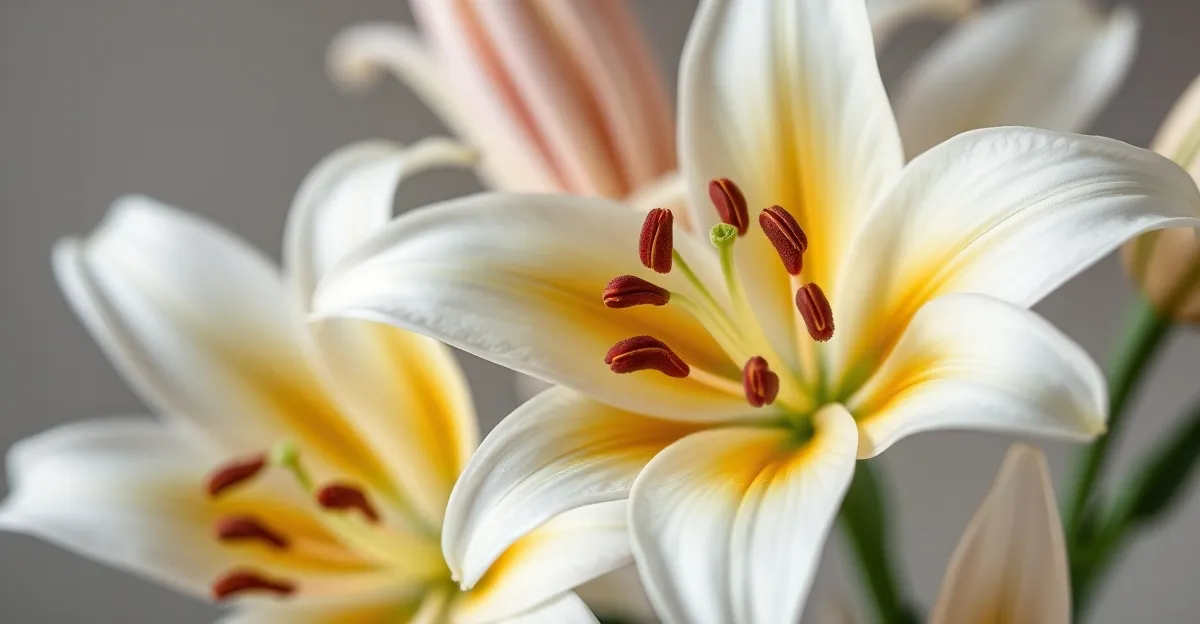
As soon as your lily starts to open, use a tissue to gently remove the stamens (the pollen-bearing structures in the centre of the flower). Do this before the pollen becomes powdery and starts to drop. If you do get pollen on fabric, let it dry completely and brush it off — never rub it wet, as this sets the stain immediately.

The team
your florists
weekly subscription · Bali
We write about flowers because we love them. We deliver them because someone should — properly, weekly, across Bali.
— heyflowerPay once for 3, 6, or 12 months, no auto-renewal.
Reviving Drooping Lilies
Even well-cared-for flowers can droop in Bali's heat, particularly if they've spent any time in direct sun or dry air. Here's how to revive them.
Deep water treatment: Fill a bucket or deep container with cool water and submerge the entire stem (and even the lower blooms) for one to two hours. This is called deep conditioning and it allows the flower to rehydrate through both the stem and the petals.
Recut the stems: Before the deep soak, make a fresh diagonal cut at the base of each stem. If there's any discoloration or sliminess at the cut end, cut further up until you reach clean stem tissue.
Remove damaged leaves: Any yellowing or browning leaves should go. They're consuming the plant's resources without contributing.
This technique can genuinely rescue a lily that looks almost gone, bringing it back to full bloom within a few hours. It works best in the first week — by day nine or ten, it's usually a matter of dignified acceptance.
If you want fresh blooms arriving reliably every week or fortnight rather than worrying about preservation, heyflower.co delivers to Canggu, Berawa, Pererenan, Seminyak, and Kerobokan on Mondays. A subscription means you're never working to revive a week-old arrangement — you're just always starting fresh.
Choosing Lily Varieties for Longevity
If you have the option of choosing your lily variety, it's worth knowing which ones tend to perform best in heat.
Stargazer lilies are among the most durable Oriental lilies in the tropics — their petals are thick and their structure holds well. Calla lilies are arguably the most heat-tolerant of all lily types and are an excellent choice for Bali arrangements. Asiatic lilies, while shorter-lived, have the advantage of being scentless, which many people prefer in a warm indoor space.
Frequently Asked Questions
How long do lilies last in a vase in Bali's climate?
With proper care — fresh water every two days, no direct sun, cool placement — Asiatic lilies typically last five to seven days, Oriental lilies six to nine days, and calla lilies seven to ten days. Without proper care, in direct sun or near an air conditioning vent, that drops to two or three days.
Should I put lily in the fridge overnight in Bali?
Yes, if your fridge is large enough. Placing flower arrangements in the fridge overnight can significantly extend vase life in tropical climates. Remove any fruit from the fridge first (the ethylene speeds decay) and keep the flowers away from the fan vent. This works particularly well for birthday or event flowers you want to peak at a specific time.
Why are my lily petals browning at the edges?
Brown edges usually mean dehydration, often caused by dry air from air conditioning, direct sun, or an empty vase. Make sure there's always sufficient water in the vase, keep the arrangement away from AC vents, and try the deep-water revival treatment described above. Occasionally, browning is a sign of age — after day seven or eight, some browning is normal.
Can I use sugar water to make lilies last longer?
Commercial flower food is better than plain sugar water. Plain sugar feeds both the flower and the bacteria in the water, which can actually make things worse. Flower food contains a bactericide that prevents this problem. If you don't have flower food, a small amount of bleach (one drop per litre of water) and a teaspoon of sugar is a better DIY option than sugar alone.
Does it matter what kind of vase I use for lilies?
The vase material doesn't significantly affect vase life, but the shape matters for lily stems. Lilies need sufficient depth — at least 12 to 15 centimetres of water — for good uptake. Wide-mouthed vases that allow stems to spread can also reduce airflow around the blooms, which helps prevent petal mould in humid conditions. Clean glass or ceramic vases are easier to keep bacteria-free than decorative pots with rough interiors.
More on Lily