How to Preserve a Lily Bouquet After the Event
Don't let your lily bouquet fade away. Learn how to preserve lily flowers after a wedding or celebration with practical tips suited to Bali's tropical climate.
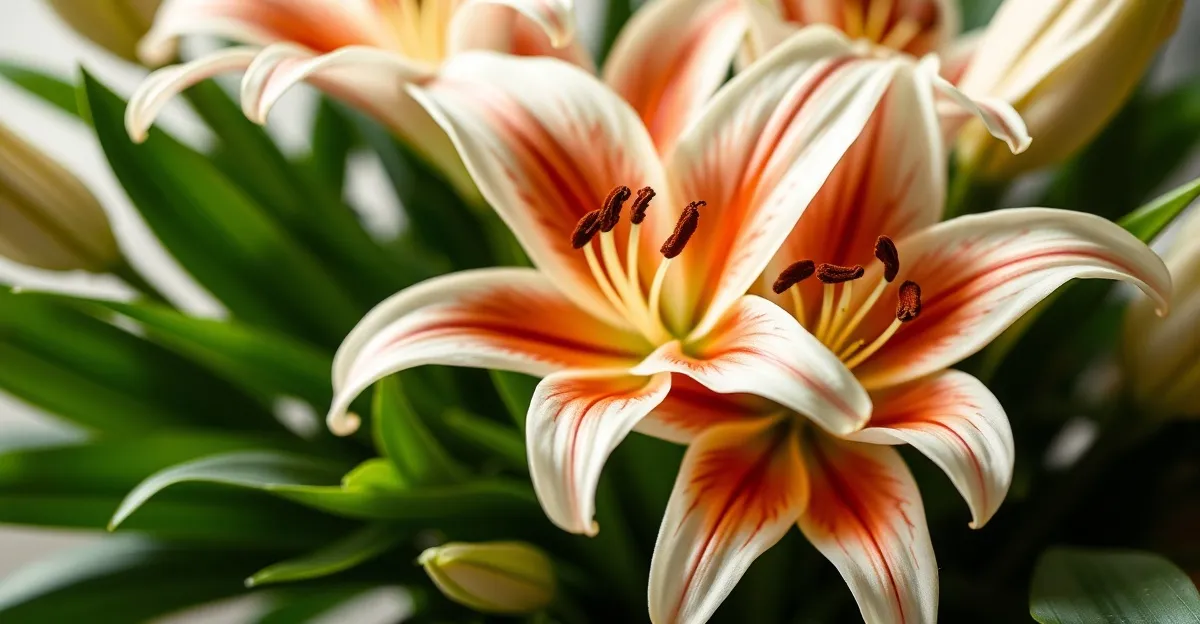
There's a particular feeling that comes at the end of a celebration when you look at a beautiful lily bouquet and don't want to let it go. Maybe it was your bridal bouquet. Maybe someone gave them to you for a birthday that meant something. Whatever the occasion, the impulse to preserve something beautiful is very human, and with lilies, you have more options than you might think.
The challenge in Bali is the climate. High heat, high humidity, and intense UV light are the enemies of preservation. Some techniques that work beautifully in temperate climates are simply not practical here without modification. This guide focuses on what actually works in a tropical setting — honest advice, no false promises about outcomes that only happen in controlled European conditions.
First Step: Keep Them Fresh as Long as Possible
Preservation starts before the event ends. The better condition your lilies are in when you begin the preservation process, the better the result. A wilted, bruised, or pollen-stained bouquet will preserve as a wilted, bruised, pollen-stained memento. Starting with flowers that have been well-cared-for gives you the best foundation.
After the Event
When the celebration is over and you're bringing your bouquet home, put it in fresh, cool water immediately. Cut one to two centimetres from the bottom of each stem at a 45-degree angle. Remove any leaves that will sit below the waterline. If you've been carrying the bouquet for several hours and the stems are somewhat warm, a cool overnight drink does wonders — place the arrangement in water in the coolest part of your room (away from AC vents, which dry petals).
If you're in Bali at a hotel and flying home with the bouquet, speak to the front desk about refrigerator storage overnight. Many hotels are happy to accommodate this for bridal flowers.
Preservation Method 1: Air Drying
Air drying is the oldest and simplest preservation technique. It works by removing moisture from the flower gradually, maintaining its structure as it dries. Dried lilies are delicate — they become papery and somewhat brittle — but they can last years if stored carefully.
How to Air Dry Lilies
- Remove any foliage from the stems.
- Tie the stems together loosely with string or rubber band.
- Hang upside down in a cool, dry, dark location with good airflow.
In Bali, the "cool, dry, dark" requirement is the challenge. Most Bali spaces are warm and humid. A well air-conditioned room with consistent airflow is your best option — somewhere that runs at around 22 to 24 degrees with low humidity. An air-conditioned bedroom or study works well if you can find a place to hang the flowers without them being disturbed.
Drying time: Three to four weeks in ideal conditions. In Bali's humidity, allow longer, and check regularly for mould. If you see any sign of mould on the petals or stems, remove those stems immediately — mould spreads quickly in tropical conditions.
The result: Dried lily petals retain their general shape but lose colour vibrancy. White lilies dry to a warm cream, orange and coral lilies to muted versions of their original colour. Pink Stargazer petals dry to a soft dusty pink. The petals become translucent at the edges and delicately beautiful.
Preservation Method 2: Silica Gel Drying
Silica gel drying is faster and produces better colour retention than air drying. Silica gel crystals (sold at craft stores and online in Indonesia) absorb moisture from the flower rapidly while it remains in its natural position, preserving more of the original three-dimensional form.
How to Use Silica Gel for Lilies
- Fill a container (an airtight box works best) with about 3 centimetres of silica gel.
- Place lily blooms face-up on the silica layer.
- Very gently pour more silica gel around and over the petals, using your fingers to work it between petals so every surface is covered.
- Seal the container and leave in a cool, dry location for one to three weeks depending on the size of the blooms.
- Gently pour off the silica gel and use a soft brush to remove any remaining crystals from the petals.
This method preserves colour remarkably well. A silica-dried white Casablanca lily retains much of its ivory whiteness, and a pink Stargazer keeps strong colour saturation.
In Bali: The sealed container nature of this method makes it suitable for Bali's climate — the silica gel creates its own controlled environment. Use an airtight container and keep it in an air-conditioned room for best results.
Displaying Silica-Dried Lilies
Silica-dried lily blooms are beautiful in shadow boxes or glass frames. Because the three-dimensional form is preserved, they can also be wired and arranged in a dried floral display, or kept loose in a decorative bowl or glass cloche.
Preservation Method 3: Pressing
Pressing is best for individual petals rather than whole lily blooms, which are too bulky to press cleanly. But individual lily petals pressed and arranged on paper, card, or in a frame can be strikingly beautiful — especially the translucent, veined petals of Oriental lily varieties.
How to Press Lily Petals in Bali
- Separate individual petals from the lily bloom.
- Place petals in a single layer between sheets of absorbent paper (kitchen paper or newspaper both work).
- Stack several more sheets of paper on top, then place under heavy books.
- In Bali's humidity, add a layer of silica gel crystals between the outer pages and the flower layer to accelerate moisture absorption.
- Change the absorbent paper every two or three days for the first week to prevent mould.
- After three to four weeks, the petals should be fully pressed and dry.
Pressed lily petals can be framed as artwork, incorporated into greeting cards, or used in resin jewellery projects.
Preservation Method 4: Resin Encapsulation
Resin preservation — pouring clear epoxy resin around flowers or petals to create a permanent transparent cast — has become popular for preserving bridal flowers. It can produce beautiful results: a lily petal suspended in a clear sphere, a bloom embedded in a coaster or paperweight.
This requires some skill, patience, and careful sourcing of quality two-part epoxy resin. In Bali, resin supplies are available in art supply shops in Denpasar and online through Indonesian craft suppliers. There are also professional resin artists in Bali who specialise in bridal flower preservation — worth seeking out if you want the result to be truly beautiful.
Important: Flowers must be completely dry before resin encapsulation. Any moisture in the flower will cause cloudiness in the resin. This is why silica gel drying before resin work is essential, particularly in Bali's humid climate.

The team
your florists
weekly subscription · Bali
We write about flowers because we love them. We deliver them because someone should — properly, weekly, across Bali.
— heyflowerPay once for 3, 6, or 12 months, no auto-renewal.
Preservation Method 5: Professional Freeze Drying
Freeze drying produces the most realistic, natural-looking preserved flowers of any method — flowers emerge looking almost as fresh as the day they were cut, just without any moisture content. Colour, shape, and even some texture are remarkably well preserved.
The challenge: freeze drying requires specialised equipment (a vacuum freeze dryer) that is not widely available in Bali. Some florists in major cities on Java offer the service, and you can sometimes find preservation specialists who work with international shipping. If you're committed to the best possible preservation result for a significant event like a wedding bouquet, it's worth researching specialist services in advance.
What to Do with Preserved Lily Flowers
Once preserved, there are many ways to display or incorporate your lily flowers.
Shadow boxes: A beautifully arranged shadow box with silica-dried lily blooms, pressed fern leaves, and a small label with the date is a meaningful memento that looks genuinely beautiful on a wall.
Photo albums with pressed petals: A wedding album can incorporate pressed lily petals between pages — a traditional approach that gives the physical album a sensory dimension.
Decorative bowls: Dried lily petals scattered in a ceramic bowl with dried lavender make an organic, fragrant display that fits Bali's natural aesthetic perfectly.
Resin jewellery: A pendant or ring containing a lily petal from your bridal bouquet is an extraordinarily personal piece of jewellery. Bali has many skilled artisans who do this kind of work.
If you're planning ahead for a special occasion and want beautiful lily arrangements that will preserve well, heyflower.co designs bouquets with both immediate impact and lasting value in mind. We deliver across Canggu, Berawa, Pererenan, Seminyak, and Kerobokan every Monday.
Frequently Asked Questions
Can I preserve a lily bouquet in Bali's humid climate?
Yes, but you need to use methods that work with the humidity rather than against it. Silica gel drying (in a sealed container) is the most reliable method in Bali's climate. Air drying can work in a consistently air-conditioned space but requires monitoring for mould. Pressing works well with the addition of silica gel crystals between layers.
How soon after the event should I start preserving my lily bouquet?
As soon as possible — ideally within 24 hours of the event. The fresher the flowers when preservation begins, the better the result. Flowers that have been wilted, bruised, or left in warm water overnight will preserve poorly regardless of the method used.
Do preserved lily petals keep their fragrance?
Some fragrance is retained, particularly with silica gel drying, but it fades significantly over time. Air-dried flowers lose most of their scent during the drying process. Resin-encased flowers lose their scent entirely as the resin seals out air. If fragrance is important to you, consider pressing individual petals and storing them in a sealed bag, which preserves some scent for months.
Will pressed lily petals turn brown?
Some browning is natural, particularly around the petal edges, as the flower dies. The speed and extent of browning depends on the lily variety (Oriental varieties hold colour better than Asiatic), the freshness of the flowers when pressed, and the drying environment. Adding a small amount of silica gel to the pressing setup slows browning considerably.
Can I combine lily preservation with other flowers from the bouquet?
Absolutely. Mixed bouquets can be preserved together using silica gel drying, with each flower type dried at an appropriate depth in the crystals. However, different flowers have different drying times — a delicate rose might be done in five days while a thick lily bloom takes ten to fifteen. Check individual blooms at intervals and remove each one when it feels completely dry and papery throughout.
More on Lily