When not to gift astilbe: cultural considerations
Understand when astilbe is and isn't appropriate as a gift in Bali. Cultural, ceremonial, and practical considerations every gift-giver should know.
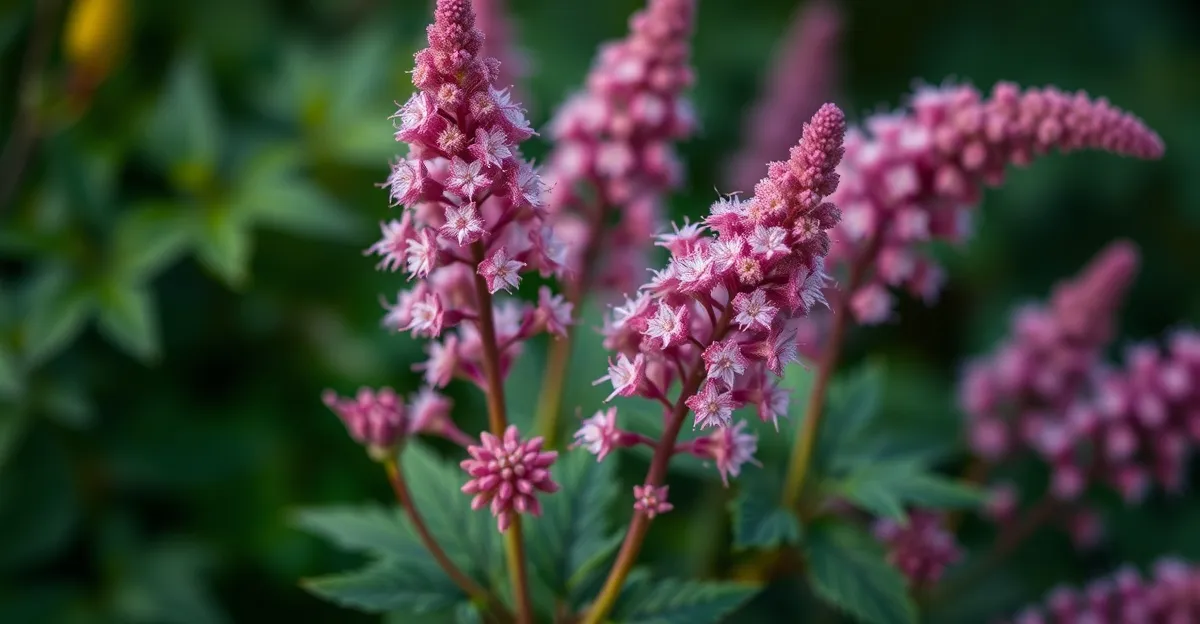
Astilbe is a genuinely lovely gift in most situations — soft, textured, romantic, and available in colours that suit everything from a thank-you to a housewarming. But like any flower, it has associations and contexts where it fits less naturally. In Bali, where flower-giving sits at the intersection of personal gesture, Balinese Hindu tradition, and a cosmopolitan expat and tourist culture, understanding when to reach for something else is worth thinking through.
This is less about rigid rules and more about being considerate. The Balinese are warm and gracious in receiving gifts, and a well-intentioned gesture with astilbe is unlikely to cause offence in most social contexts. But if you're aiming to get the cultural nuances right — particularly around religious occasions, condolence situations, or specific ceremony types — a little knowledge goes a long way.
Astilbe in the context of Balinese culture
Astilbe isn't a traditional Balinese flower. The classic flowers of Balinese Hindu practice — frangipani (jepun), hibiscus (pura), marigold (jempaka), and the white flower of the gardenia family — carry specific spiritual significance and are used extensively in ceremonial offerings (canang sari) and temple rituals. Astilbe, being a highland ornamental introduced largely through the commercial flower trade, doesn't have this traditional weight.
This means astilbe occupies an interesting middle ground: it's a beautiful gift for personal, social, or celebratory occasions, but it's not a flower you'd typically include in ceremonial or religious contexts. It's fine as a cut flower arrangement for a Balinese friend's birthday or housewarming, but it would feel somewhat out of place as part of a traditional ceremonial offering.
When to avoid gifting astilbe: condolences and funerals
In Balinese Hindu tradition, funerals (ngaben, the cremation ceremony) have specific floral customs. White flowers are appropriate, but the types used tend to be those with ceremonial significance. Presenting a Western-style astilbe arrangement at a condolence visit might feel disconnected from the cultural context.
If you're paying respects to a Balinese family after a death, it's worth asking a local friend for guidance, or choosing something more neutral — a simple arrangement of white flowers like chrysanthemums, which have broad cultural acceptance across Asian mourning traditions, may feel more appropriate. The best flowers for sympathy in Bali covers this territory in detail.
For Western expat or tourist communities in Bali, the rules are more relaxed and astilbe in white or soft tones would be a perfectly appropriate condolence gift.
Galungan, Nyepi, and religious observances
Bali's Hindu calendar includes significant religious holidays — most notably Galungan and Kuningan, celebrating the victory of dharma over adharma, and Nyepi, the Hindu New Year's Day of silence. During these periods, the Balinese are focused on spiritual practice, and gift-giving between households is typically expressed through traditional foods (jaja Bali, banten) and ceremonial items rather than decorative flowers.
Nyepi in particular is a complete day of silence and inactivity — no lights, no travel, no noise. Arranging flower delivery on Nyepi is simply not possible, and it wouldn't be appropriate to try. Similarly, the days immediately before Galungan are consumed with preparing offerings and making penjor (decorated bamboo poles). It's simply not the moment to show up with a bouquet.
Around Galungan, if you want to give flowers to a Balinese friend, frangipani or marigolds — flowers that connect to the ceremonial meaning of the holiday — are more resonant than ornamental astilbe. How to write a Galungan flower card message has more context on this holiday.
Yellow astilbe and cultural colour associations
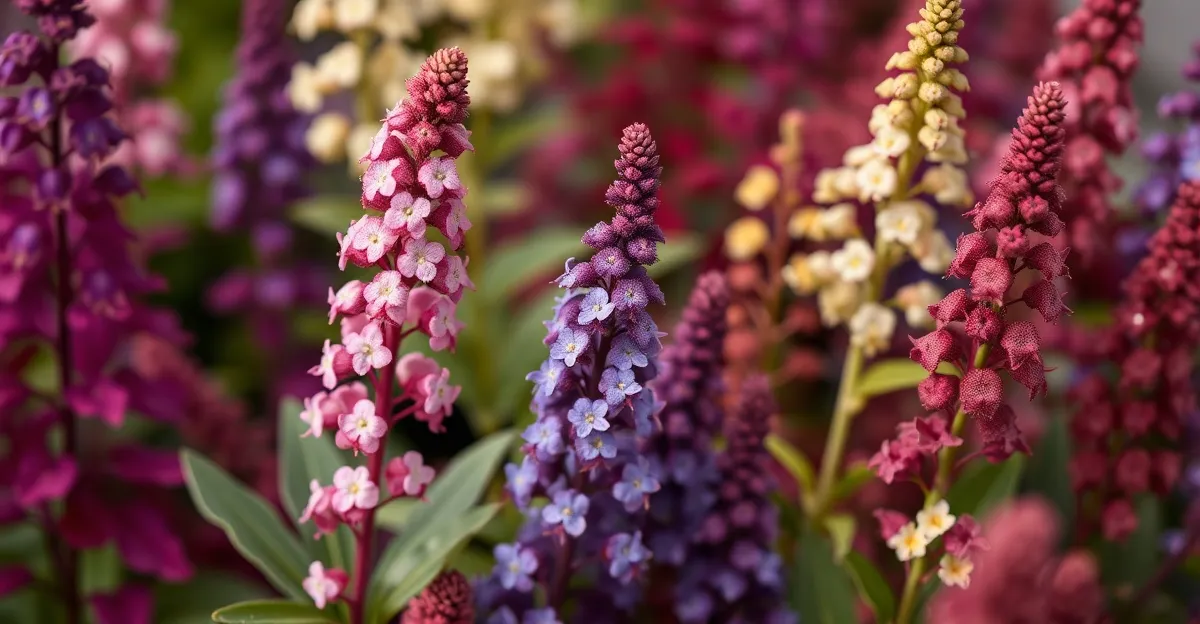
Colour carries meaning in Balinese culture. Yellow is associated with Brahma (creation, fire) and is considered a sacred and auspicious colour in the Hindu colour system. This doesn't make yellow flowers inappropriate as gifts — quite the contrary. But it does mean they're primarily associated with ceremony and temple offerings rather than casual gifting.
True yellow astilbe is rare (most so-called "yellow" varieties are closer to cream), so this is largely a theoretical consideration. Still, if you're working with yellow-toned astilbe in a ceremonial adjacent context, it's worth being aware that the colour carries weight.
White is associated with Iswara (east direction, purity) and is widely appropriate across both secular and ceremonial contexts. This makes white astilbe one of the safer choices if you're uncertain.

The team
your florists
weekly subscription · Bali
We write about flowers because we love them. We deliver them because someone should — properly, weekly, across Bali.
— heyflowerPay once for 3, 6, or 12 months, no auto-renewal.
Red astilbe and passion associations
Red flowers in most Asian cultures carry associations with luck, energy, and passion — appropriate for celebrations, less appropriate for subdued or solemn occasions. Red astilbe (less common in Bali but available) would feel out of place at a condolence visit or a very serious, formal occasion. For celebratory events — a business opening, a housewarming, a festive dinner — red is perfectly fine and often welcomed.
When astilbe is the right choice
To be clear: in most personal gifting situations in Bali — birthdays, housewarmings, farewells, thank-you gestures, romantic occasions — astilbe is a wonderful choice. Its soft colours and romantic feel resonate well across cultures. The expat and international community in Seminyak, Canggu, and Ubud responds warmly to it, and many Balinese people appreciate beautiful ornamental flowers as gifts even if they're not traditional.
The key is reading the occasion and the recipient. A close Balinese friend who loves decorative flowers? Astilbe works beautifully. An elder family member in a traditional household during a religious period? Lean toward more culturally grounded choices.
FAQ
Is it rude to give astilbe to a Balinese person? No. Astilbe is a beautiful gift and will generally be appreciated. The considerations in this article are about specific ceremonial or sensitive contexts, not everyday personal gifting.
What flowers are most appropriate for Balinese religious occasions? Frangipani, hibiscus, marigold, and other flowers with traditional ceremonial significance are most appropriate. For personal (non-ceremonial) gifts, the rules are much more relaxed.
Can I send flowers during Nyepi? No. Nyepi is a complete day of inactivity in Bali — no deliveries, no travel, no activity. Plan ahead and send flowers either before or after the holiday.
Are there colour restrictions when gifting flowers in Bali? Not strict restrictions, but colours carry cultural associations. White is broadly appropriate; red is celebratory; yellow is associated with ceremony. For condolences, soft neutral tones are safest.
What's the best flower to send for a Balinese condolence? White chrysanthemums, white lilies, or a simple arrangement in neutral tones tends to be most appropriate. Ask your florist for guidance based on the specific community and context.
Ready to bring fresh flowers to your Bali home or event? Explore our weekly flower subscription and get handpicked blooms delivered to your door every week.
More on Astilbe