The best flowers for sympathy in Bali
Choosing sympathy flowers in Bali — what to send, what to avoid, and how to navigate both Balinese and Western flower traditions when expressing condolences.
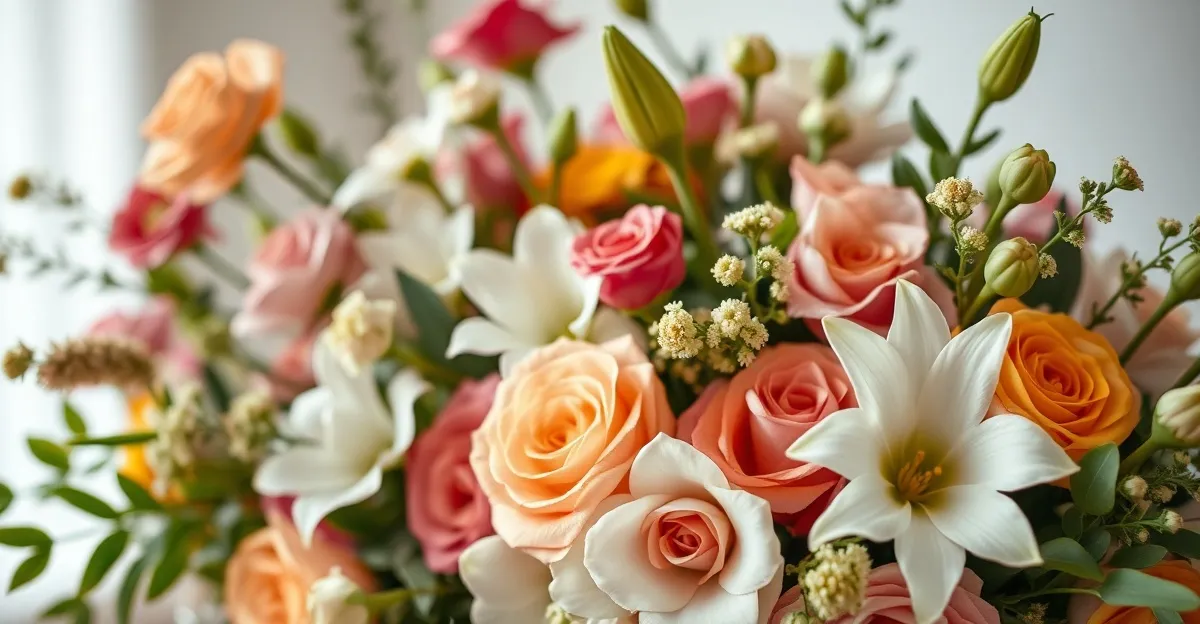
Sympathy flowers are among the most meaningful gestures we make, and also among the most carefully navigated. In Bali, where Hindu and local cultural traditions intersect with a large international and expat community, the right approach to sympathy flowers depends significantly on whose loss you're acknowledging and what their relationship to Balinese culture is.
This guide covers what's appropriate for both Balinese Hindu families and international families or individuals in Bali, and which flowers carry the right weight for this most tender of occasions.
Understanding sympathy flowers in Bali's cultural context
Bali's Hindu tradition has its own rich vocabulary of flowers for death and mourning. Funeral ceremonies here — from the initial passing through to ngaben (cremation) and its subsequent ceremonies — involve elaborate flower offerings, specific colours, and particular flowers with sacred significance. Marigolds, white lotus, frangipani, and jasmine all appear in ceremonial contexts.
For a Balinese family, sympathy flowers from outside the family or community are a Western convention that may or may not feel natural. If you're close to the family, asking directly what would be helpful and appropriate is the most respectful approach. Practical support — food, assistance with ceremony preparation, financial contribution to ceremony costs — is often more meaningful and culturally appropriate than cut flowers.
For international or expat families in Bali, sympathy flowers follow the conventions of their home culture, modified for what's actually available in Bali.
White flowers: the sympathy palette
For sympathy flowers in Western traditions, white is the primary colour. White lilies, white roses, white chrysanthemums, white orchids — these communicate purity, peace, and the absence of celebration. They're appropriately serious without being funereal in the way that can feel oppressive.
A soft white arrangement — white lilies with silver-green eucalyptus and white lisianthus — is quietly beautiful and unmistakably appropriate for sympathy. It doesn't make demands on the eye or the emotions; it simply provides calm, composed beauty.
White orchids, particularly large Phalaenopsis, are increasingly popular for sympathy arrangements in Bali because they combine elegance with longevity. An orchid plant in a quality pot can last for months, providing sustained presence during the long process of grief rather than fading after a week.
White lilies: the most widely recognised sympathy flower
In most Western traditions, white lilies carry deep sympathy associations — they're the funeral flower in many countries. A generous arrangement of white Oriental or Asiatic lilies is universally understood as a condolence gesture.
In Bali, white lilies are available and can be ordered through a good florist. Their fragrance is distinctive — beautiful but strong — so consider the space and the recipient. For someone living alone or in a small apartment, very fragrant lilies can be overwhelming. For a larger villa or house, they're magnificent.
Note: remove the orange stamens from lilies before sending or ask the florist to do so — the pollen stains and can be a respiratory irritant. It also makes the flowers last longer.
What to avoid for Balinese families
White chrysanthemums are widely used as condolence flowers in many Western contexts. In Bali and across Indonesia, they're also associated with mourning — which might seem appropriate. However, for a Balinese Hindu family, the conventions around flowers at this time are specific and sacred. Consulting with someone who knows the family well before sending any flowers is more respectful than making assumptions based on what seems appropriate.
Yellow flowers should generally be avoided for sympathy — they can carry associations of jealousy or celebration that are inappropriate to the occasion.
Red flowers in large quantities are typically celebratory in Balinese contexts and should be avoided for condolences.
See calla lily in Balinese ceremonies: traditional uses in Bali for more context on how specific flowers carry cultural meaning in Balinese ceremony that may differ from Western assumptions.
Soft mixed arrangements for sympathy
Beyond white monochromatic arrangements, soft, muted palettes also work well for sympathy. Dusty roses, pale lavender, soft peach, cream — these gentle tones communicate care without the severity of pure white or the celebration of bright colour.
A soft mixed arrangement might include: blush roses, pale lisianthus, silvery-green eucalyptus, and cream spray roses. The result is quietly beautiful — appropriate without feeling clinical or cold.
For someone who appreciated colour and beauty in their life (or for someone who's lost such a person), a soft-toned arrangement that feels personal and warm can be more suitable than the traditional white.
Pot plants for sustained presence
Unlike cut flowers, a well-chosen potted plant lasts through the extended period of grief rather than fading within the week. For sympathy gifting, this sustained presence can be deeply meaningful. The plant continues growing as the person heals.
Good sympathy plant choices for Bali:
- Peace lily (Spathiphyllum): Widely recognised as a sympathy plant in many Western traditions; it flowers white and is low-maintenance
- White Phalaenopsis orchid in a quality pot: Elegant, long-lasting, requires minimal care
- Monstera or other large-leafed tropical: Not traditionally a sympathy plant, but for someone who loves plants and Bali's natural environment, a beautiful Monstera in a premium ceramic planter is a lasting gift
Pair any of these with a Balinese artisan pot for a gift that feels rooted in the place and provides lasting beauty.

The team
your florists
weekly subscription · Bali
We write about flowers because we love them. We deliver them because someone should — properly, weekly, across Bali.
— heyflowerPay once for 3, 6, or 12 months, no auto-renewal.
The sympathy card: keeping it gentle
A sympathy card should be brief, warm, and free of the need for the recipient to respond emotionally. Don't ask questions; don't offer explanations of loss or grief. Simply acknowledge the loss, express care, and offer presence.
"I'm so sorry for your loss. Thinking of you." is enough. Add one specific sentence if you knew the person who passed: something true and particular about them. Then close. The card is not the place for your own feelings about death or loss — it's the place to offer unconditional, uncomplicated care.
FAQ
What are the most appropriate sympathy flowers in Bali? White flowers — lilies, orchids, roses, chrysanthemums — are universally understood as sympathy flowers in Western traditions. For Balinese families, consult with someone who knows the family before sending flowers, as local customs may differ significantly.
Are white chrysanthemums appropriate for sympathy in Bali? White chrysanthemums are associated with mourning in both Western and Indonesian contexts, so they're contextually appropriate for sympathy. However, for Balinese Hindu funerals, specific ceremonial conventions apply — consulting with someone who knows the family is always better than assuming.
Should I send cut flowers or a potted plant for sympathy? For the immediate period of loss, cut flowers arrive quickly and are visually impactful. For a lasting sympathy gesture, a potted plant provides ongoing presence through the longer period of grief. A peace lily or white orchid in a quality pot is a particularly appropriate choice.
What should I write in a sympathy card? Keep it brief: acknowledge the loss, express care, perhaps one specific sentence about the person who passed. Two to three sentences is enough. The card shouldn't require an emotional response from someone who is grieving.
How do I navigate sympathy flowers for a Balinese Hindu family? With care and consultation. Ask someone who knows the family well what would be appropriate and helpful. Practical support — food, help with ceremony preparation, financial contribution to ceremony costs — is often more meaningful within Balinese cultural context than cut flowers.
When someone needs care and beauty in a difficult time, flowers can carry part of that. Explore our weekly flower subscription for an ongoing gesture that keeps fresh flowers arriving at someone's Bali door, week after week, through whatever they're navigating.
More on sympathy