How to care for astilbe in Bali's humid climate
Astilbe is delicate in tropical heat, but with the right care it performs beautifully. Here's exactly how to extend its vase life in Bali's climate.
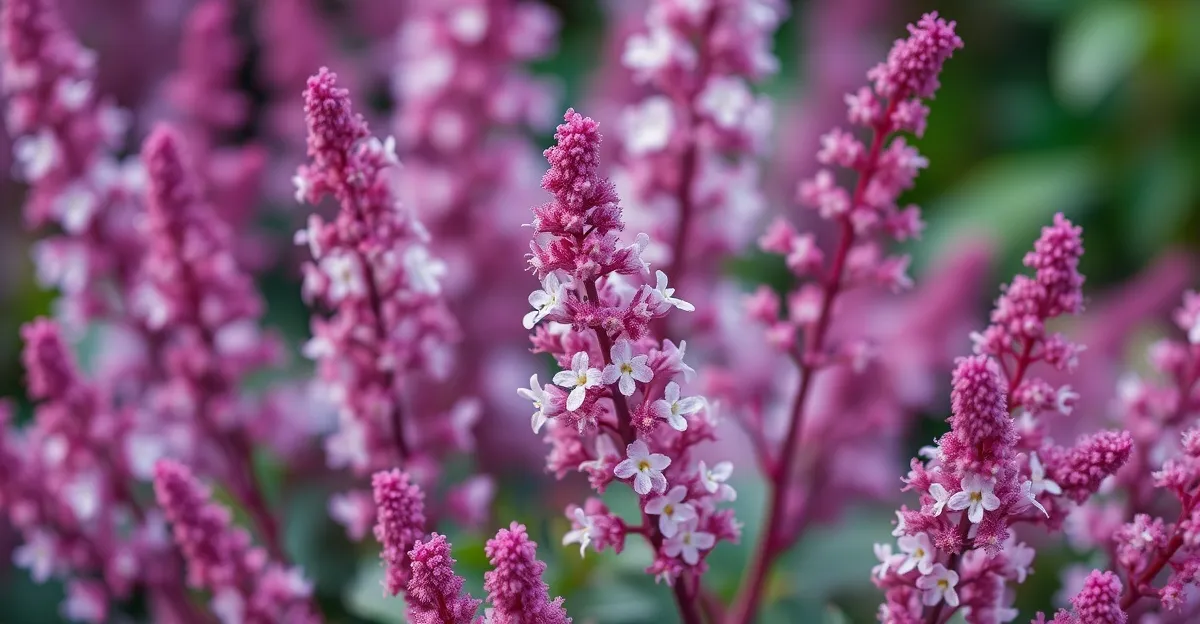
Astilbe is not the easiest flower to keep in Bali's tropical climate. The feathery plumes that make it so visually distinctive — those thousands of tiny florets packed onto branching stems — are also what make it sensitive to heat and humidity. Each tiny floret represents a small amount of moisture loss, and when you sum across the whole plume, astilbe is losing water to the air at a higher rate than flowers with more compact bloom structures.
The result is that astilbe has a shorter vase life in Bali than it would in cooler, drier climates — but with the right approach from the moment it arrives, you can get a genuinely good five to seven days of beautiful appearance from even this demanding flower. Here is the complete guide to managing astilbe well in tropical conditions.
Understanding why astilbe struggles in the tropics
Astilbe (Astilbe × arendsii and its relatives) evolved in cool, shaded woodland environments in East Asia and North America — places with moist, cool summers, significant seasonal temperature variation, and the kind of humidity that comes from forest cover rather than open tropical air. The plant's natural conditions were cool and sheltered, not hot and exposed.
In Bali's consistently warm climate, astilbe faces two main challenges. First, the warm air accelerates the rate at which moisture evaporates from those many tiny florets. Second, the warm temperatures promote bacterial growth in the vase water faster than in cooler climates, which clogs the stem and prevents water uptake even before the flower has aged naturally.
Understanding these two challenges — water loss from the plume and bacterial clogging in the stem — points directly toward the solutions that make the most difference.
Conditioning astilbe when it arrives: do this immediately
The moment astilbe arrives from your florist or delivery, conditioning makes an enormous difference. Do not put the arrangement in a vase and walk away — spend five minutes doing these steps:
Recut the stems under water or directly into water: Cut two to three centimeters from each stem at a 45-degree angle. Astilbe stems, like many herbaceous flowers, are prone to air blocks forming at the cut end when they are out of water even briefly. In Bali's heat, this happens faster than in cool climates. Getting a clean cut and straight into fresh water eliminates this risk.
Remove all foliage below the waterline: Astilbe tends to have small, ferny leaves that will decompose quickly in warm vase water. Bacteria from decomposing foliage attack the stem base and block water uptake. Remove everything below where the water level will sit.
Use cold water if possible: If you have access to cold (not ice-cold, but cool) water — from a filtered pitcher that has been in the fridge, or by adding a small amount of ice to the vase before adding the flowers — starting in cool water significantly helps astilbe. The cool environment at the cut end slows bacterial growth right from the start.
Add flower food: Commercial flower food sachets (sold by most Bali florists and available in many supermarkets in areas like Seminyak and Sanur) are more helpful for astilbe than for tougher flowers. The acidifier in flower food slows bacterial growth, and the biocide component keeps the water clearer. Use it from day one.
Daily care that makes a measurable difference
Change the water every day or every two days: This is the single most impactful care step for astilbe in tropical conditions. Fresh water means lower bacterial load, which means cleaner stem tissue, which means better water uptake to those many tiny florets. Changing daily in very warm spaces (above 28 degrees Celsius) makes a noticeable difference compared to changing every two or three days.
Recut the stems when you change the water: Each time you change the water, take two to three millimeters from the base of each stem. This removes any bacterial build-up at the cut surface and keeps the uptake channel open.
Keep away from direct sun: Astilbe's delicate florets desiccate quickly under direct sunlight. Morning light is manageable; the strong afternoon sun of a west-facing Bali room is not. Position the arrangement to receive indirect light at most.
Avoid direct airflow from fans: Gentle air circulation is fine — it is better than still, hot air. But a fan directed specifically at the astilbe plumes accelerates moisture loss from the florets significantly. Redirect any fans away from the arrangement.
Keep in the coolest room: If your Bali home has air conditioning in some rooms and not others, the air-conditioned room is where astilbe should live. Every five degrees of temperature reduction meaningfully extends vase life.
What to expect and when to let go
Fresh, well-conditioned astilbe in a good tropical environment with daily water changes and some air conditioning: five to seven days of beautiful appearance. The plumes will be upright, the colors vivid, and the individual florets will remain attached.
As astilbe ages, the first sign is usually a slight browning or crisping of the very tips of the individual florets. This is normal and the arrangement still looks good at this stage. When the browning extends deeper into the plumes and the stem begins to soften and bend, the arrangement has run its course.
In a mixed arrangement where astilbe is a supporting player alongside tougher flowers (like statice, lisianthus, or alstroemeria), you may remove the astilbe when it ages and find that the remaining flowers still have good days left. This is a useful way to think about mixed arrangements in Bali — let the flowers come and go at their natural pace, removing each element when it has served its time rather than treating the arrangement as a unit that all ends together.

The team
your florists
weekly subscription · Bali
We write about flowers because we love them. We deliver them because someone should — properly, weekly, across Bali.
— heyflowerPay once for 3, 6, or 12 months, no auto-renewal.
Managing astilbe through Bali's wet season
The wet season (roughly October through March) brings higher humidity and increased fungal disease pressure. For astilbe, the main wet season risk is the grey mold (botrytis) that can establish on the delicate florets in still, humid air.
If you are keeping astilbe during the wet season:
- Increase the airflow in the room (a gently circulating ceiling fan helps)
- Change the water more frequently — every day rather than every two days
- Avoid keeping the arrangement in a humid room (bathrooms are particularly bad)
- Remove any affected stems promptly at the first sign of grey fuzz
The dry season (May through September) gives astilbe its best natural conditions in Bali — lower humidity, slightly cooler nights, and better airflow generally. If you have a choice about when to source astilbe for a specific occasion, timing it to the dry season improves your results.
Rehydrating wilted astilbe: does it work?
If your astilbe has wilted — the plumes are drooping and the stems look weak — there is one recovery technique worth trying. Fill a bucket or deep vase with cool water (as cool as your tap provides). Cut the stems and submerge the entire flower — plume, stem, and all — in the cool water for one to two hours. This full-immersion rehydration technique works for some flowers and can revive mildly wilted astilbe by allowing the plume itself to absorb moisture directly.
Do not expect full recovery if the astilbe has been wilted for more than a few hours in significant heat — but for flowers that drooped because they were out of water in transit, this technique is genuinely worth trying before giving up on the arrangement.
FAQ
Can I store astilbe in the refrigerator overnight in Bali? Yes — a few hours in a cool (not cold) section of the refrigerator, away from the coldest areas and away from produce that releases ethylene gas, can extend vase life. Remove the astilbe from the fridge before it gets to near-freezing temperatures, which damage the florets.
Why does my astilbe lose florets so quickly? Floret drop often indicates that the stem was stressed before or during arrival — either exposed to excessive heat, dehydrated, or subjected to rough handling. Fresh, well-handled astilbe should not shed florets significantly within the first two to three days.
Is there an easier, more heat-tolerant alternative to astilbe for similar visual effect? For the cloud-like, feathery texture: statice provides something similar but with more durability. Baby's breath also has a cloud-like quality and is significantly more heat-tolerant. Neither quite replicates astilbe's particular combination of color and texture, but both are practical alternatives.
Does flower food really make a noticeable difference for astilbe? For astilbe specifically, yes — more than for many other flowers. The bacterial load problem in tropical vase water is acute for astilbe, and the biocide component of flower food sachets meaningfully slows that process. It is worth using.
How do I know if my astilbe was stored correctly before delivery? Properly stored astilbe arrives with upright plumes, vivid color, and no significant floret drop. If the plumes arrive drooping or with visible browning, the flower was likely stored at incorrect temperatures or experienced dehydration during transport. This will affect overall vase life regardless of your subsequent care.
Ready to bring fresh flowers to your Bali home or event? Explore our weekly flower subscription and get handpicked blooms delivered to your door every week.
More on Astilbe