How to write a Galungan flower card message
Write the perfect Galungan flower card message in Bali — warm, culturally respectful words for Balinese friends, colleagues, and neighbors.
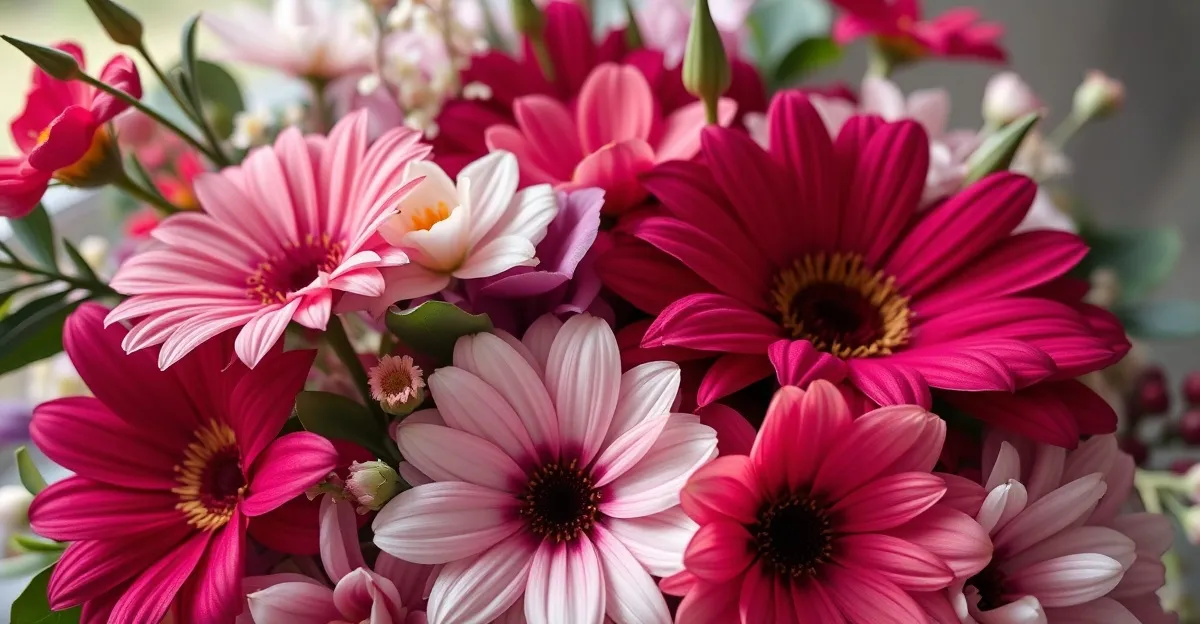
Sending flowers for Galungan is a generous gesture. But what you write on the card — or don't write — can make the difference between a gift that feels personal and one that feels like a last-minute afterthought. A few thoughtful sentences, written with some awareness of the occasion, will stay with the recipient far longer than the flowers themselves.
Galungan is one of the most sacred festivals in Balinese Hinduism — a time when ancestral spirits visit the world of the living, and families gather to pray, offer, and celebrate the victory of good over evil. That context shapes what belongs on a card and what doesn't.
Here's how to write something genuine and appropriate.
The basic structure of a good Galungan message
A solid Galungan card message has three simple parts:
- A greeting that acknowledges the festival — at minimum, "Happy Galungan" or the Balinese phrase below
- One or two sentences that are personal — something specific to your relationship with the recipient
- A warm closing — nothing elaborate, just a sincere sign-off
You don't need to write more than four to six sentences. A Galungan card is not a letter. Short and sincere beats long and impersonal every time.
The Balinese greeting: how to use it
The traditional Balinese Galungan greeting is:
"Rahajeng Nyanggra Galungan"
This means "Happy Galungan" or more literally "May you meet Galungan in peace and prosperity." Pronounce it roughly: rah-ah-YENG n-yang-GRA gah-LUNG-ahn.
If Kuningan (the closing ceremony ten days later) is also approaching, the combined greeting is:
"Rahajeng Nyanggra Galungan lan Kuningan"
You don't need to speak Balinese to use this phrase — the effort alone will be received warmly by any Balinese recipient. Write it at the start of your message, then continue in English, Indonesian, or whatever language you share with the recipient.
One note: if you're not confident in the spelling, double-check it. A misspelled sacred greeting is worse than writing entirely in English. Balinese recipients will notice and appreciate the care you took.
Messages for different recipients
For a Balinese neighbor or community member: Keep it warm and local. Reference the decorations if they're visible, or the spirit of the neighborhood during the festival. Something like:
"Rahajeng Nyanggra Galungan lan Kuningan. The penjor on our street are beautiful this year. Wishing you and your family a peaceful and joyful celebration — [your name]."
For a colleague or business contact: A touch more formal, but still personal:
"Rahajeng Nyanggra Galungan. Sending these flowers with gratitude for everything we've worked on together this year. May this Galungan bring peace and happiness to you and everyone at home — [your name]."
For a close Balinese friend: Here you can be more personal and even playful if that's the register of your friendship:
"Rahajeng Nyanggra Galungan, Bu Made! Thinking of you and the whole family as you prepare. These are for your beautiful house — hope the offerings go perfectly. See you soon. — [your name]."
For a villa or Airbnb host or staff member: Staff in tourism often don't receive personal acknowledgment during Galungan from guests. A short note with flowers is a genuinely lovely gesture:
"Rahajeng Nyanggra Galungan. Thank you for everything you do to make this place feel like home. Enjoy the celebrations with your family — we're thinking of you. — [your name/guests' names]."
What to avoid writing
Don't make it about yourself. A card that spends more lines explaining how you found out about Galungan or how long you've been in Bali than it does celebrating the recipient is not the right tone. Keep the focus on the person receiving the flowers.
Avoid generic phrases. "Have a great day" or "Best wishes" is fine for a birthday, but undersells Galungan. The festival has meaning — acknowledge it in at least one sentence.
Don't reference Hindu theology unless you're very confident. A sincere but slightly inaccurate theological reference (e.g., mixing up Galungan with another ceremony, or misattributing the spiritual reason for the celebration) can inadvertently seem careless. A simpler, heartfelt message is better than a detailed one that gets the details wrong.
Don't use emoji on a card. This is personal preference, but a formal printed card with emoji tends to look incongruous. Save those for a WhatsApp follow-up message.
For a related perspective on written messages, our article on how to write a note that comes with each subscription delivery covers general message tone that applies here too.

The team
your florists
weekly subscription · Bali
We write about flowers because we love them. We deliver them because someone should — properly, weekly, across Bali.
— heyflowerPay once for 3, 6, or 12 months, no auto-renewal.
Writing in Indonesian (Bahasa Indonesia)
If you share more of a Bahasa Indonesia connection with the recipient than English, here's a useful phrase:
"Selamat Hari Raya Galungan" — Congratulations on the Galungan holy day
A simple message: "Selamat Hari Raya Galungan dan Kuningan. Semoga hari raya ini membawa kebahagiaan dan kedamaian bagi Anda dan keluarga. — [nama Anda]."
Translation: "Happy Galungan and Kuningan. May this holy day bring happiness and peace to you and your family."
This works well for recipients across all of Bali, whether they're from the south (Denpasar, Kuta, Seminyak) or rural areas like Karangasem or Buleleng.
Handwritten vs. printed: which is better?
If you're ordering through a florist or an online delivery service, the card will usually be printed. That's perfectly fine and normal. But if you have a chance to write something by hand — even just a brief note tucked inside the packaging — the handwritten element makes a noticeable difference.
A handwritten name and "Rahajeng Nyanggra Galungan" at the top, even if the rest is printed, personalizes the gift in a way recipients genuinely notice. It tells them you did more than fill out a form.
Frequently asked questions
Is it appropriate to send flowers and a card during Galungan even if I'm not Balinese Hindu? Absolutely. Galungan is a time of goodwill and celebration — sharing in that spirit as a non-Balinese person is welcomed, especially if you live in Bali or work closely with Balinese friends or colleagues.
Should I write my message in Balinese, Indonesian, or English? Use whatever language you share with the recipient. Opening with the Balinese phrase "Rahajeng Nyanggra Galungan" and then continuing in English or Indonesian is a warm and practical combination.
What length is appropriate for a Galungan flower card? Four to six sentences is ideal. Enough to feel personal, short enough to read at a glance. Cards that are too long rarely get read in full — especially during the busy first day of celebrations.
Can I send the same message to multiple people? For acquaintances and colleagues, a standard message is fine. For close Balinese friends or people you want to make feel genuinely seen, personalize at least one line. Mentioning something specific — their family, their home, something you've shared — turns a generic message into a meaningful one.
Is there any message I should avoid during Galungan? Avoid anything that could be read as commercial or transactional during a sacred festival. Keep your business relationships warm but don't use the card to promote your own services or products. The card is a gift, not an advertisement.
Ready to bring fresh flowers to your Bali home or event? Explore our weekly flower subscription and get handpicked blooms delivered to your door every week.
More on Galungan