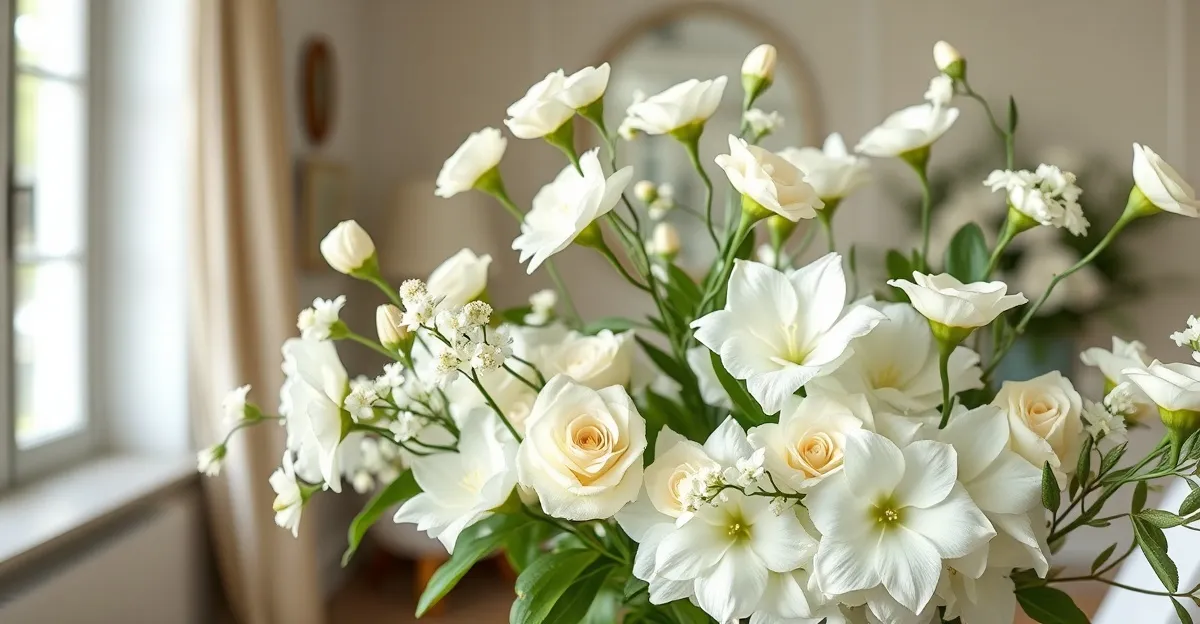
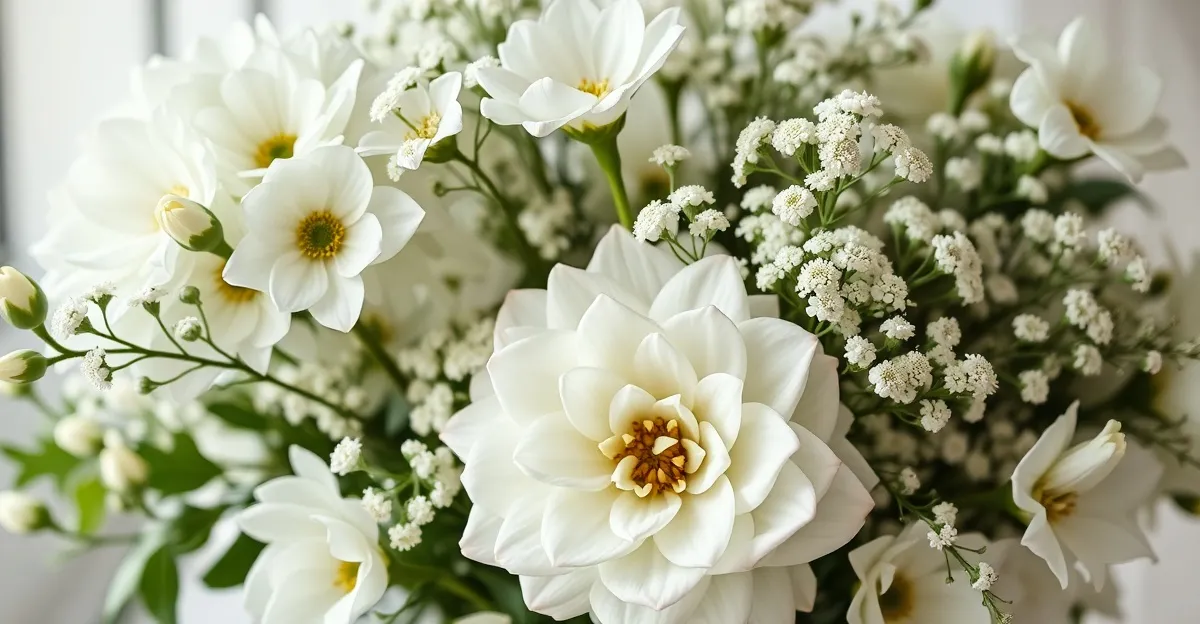
What white flowers symbolise and when to send them
White flowers carry deep meaning across cultures — from purity and new beginnings to sympathy and mourning. A guide to when to send them in Bali and beyond.
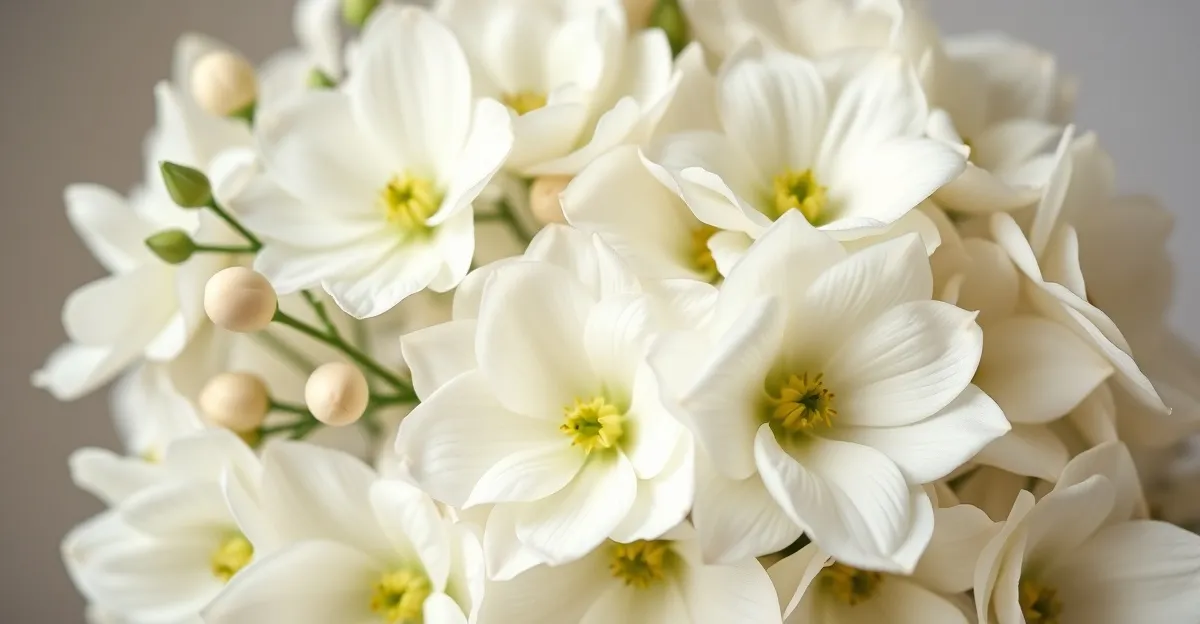
White is the most complicated colour in the flower world. In one room it means purity and celebration. In another, it means loss and grief. The same white lily that looks stunning on a wedding altar can feel awkward — or even offensive — as a get-well gift in certain cultural contexts. In Bali especially, where Balinese Hindu, Javanese Muslim, and Western expat sensibilities exist side by side, understanding the symbolic weight of white flowers can save you from an unintentional misstep.
This guide covers what white flowers mean, how that meaning shifts across species and cultures, and when — and when not — to send them.
The core symbolism of white flowers
Across most Western cultural contexts, white flowers carry a cluster of related meanings:
Purity and innocence: White has long been associated with the unmarked, the unblemished. White roses and white lilies are the canonical flowers of bridal ceremonies partly for this reason — they speak to new beginnings and untouched potential.
Reverence and remembrance: White flowers are standard at funerals and memorial services in Western and many East Asian traditions. Chrysanthemums in white appear at Japanese and Chinese funerals; white lilies at European ones. The association is with the dignity of passing rather than the grief itself.
Spirituality and transcendence: White flowers appear in religious contexts across many traditions. In Christian symbolism, white lilies represent the Madonna. In Hindu puja, white flowers are offered to specific deities as markers of devotion.
New beginnings and hope: White flowers are given at graduations, housewarmings, and the start of significant life chapters — the colour of blank pages and clear skies.
White flower symbolism in Bali's cultural context
Bali operates with a more layered understanding of white. In Balinese Hindu tradition, white is one of the directional colours associated with Iswara, the god of the east. The Tri Datu three-colour system (red, white, black) appears everywhere in Balinese ceremonial life — woven into bracelets, woven into offerings, integrated into temple decorations.
White flowers used in Balinese ceremonial offerings (canang sari, banten) carry specific ritual meaning depending on the ceremony. White frangipani placed in a temple offering means something different from white frangipani given as a gift to a friend — context is everything.
For Balinese Hindu occasions — Galungan, Odalan temple anniversaries, significant life ceremonies — white flowers are appropriate and appreciated as part of a broader arrangement, especially when combined with yellow, red, or pink blooms. For Odalan temple anniversaries and floral offerings, white blooms feature heavily in the ceremonial flower arrangements.
For the significant Muslim communities in Bali — particularly in Denpasar, Kuta, and many northern and eastern villages — white flowers carry similarly positive associations of purity and are perfectly appropriate as gifts for weddings, new babies, and celebrations.
Species-by-species symbolism
Different white flowers carry their own specific meanings layered on top of the broader white symbolism:
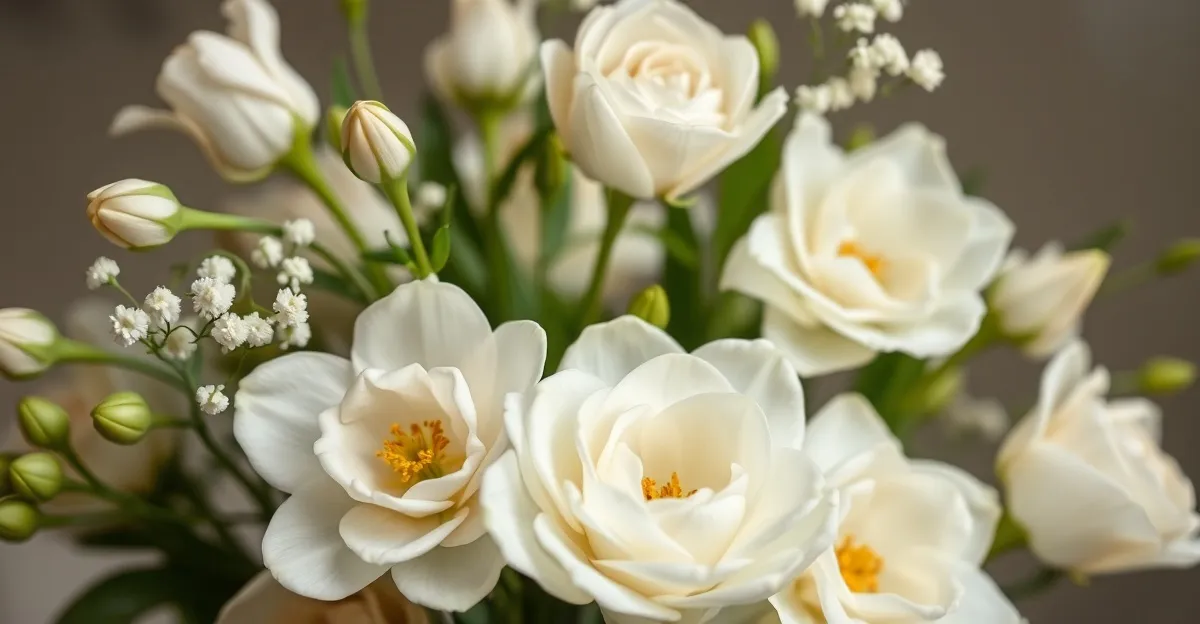
White roses: Love, purity, and reverence. The white rose is the most romantic of the white flowers — it's appropriate for weddings, anniversaries, and romantic gestures, but also for memorial occasions. A white rose funeral wreath is common in European traditions.
White lilies: Majesty, purity, and transience. The association with funerals is strong in many Western contexts. Beautiful as a gift between friends, but think carefully before sending as a sympathy gift to someone from a background where they may carry heavier associations. For an understanding of when certain flowers are culturally complex, see when not to gift ranunculus: cultural considerations — the same cultural awareness applies here.
White orchids: Elegance, refinement, and good taste. White orchids carry almost no negative associations across any cultural context — they are the safest of the white flowers. A gift of white phalaenopsis orchids is appropriate for nearly any occasion and reads as thoughtful and sophisticated universally.
White frangipani (plumeria): In Bali specifically, white frangipani is deeply entwined with Balinese spiritual life. It appears in temples, in hair at ceremonies, in offerings, floating in hotel pools, and on dinner tables. It is the flower of Bali. Gifting white frangipani says something very specific about this place.
White gardenias: Grace, purity, and secret love. Historically the flower of Southern hemisphere summer romances. In contemporary gifting, gardenias are associated with thoughtful intimacy — a flower given when you want to say something private.
White chrysanthemums: Be careful with these in East Asian contexts (Chinese, Japanese, Korean, Vietnamese communities) — white chrysanthemums are specifically funeral flowers in these traditions. In Western contexts they're simply autumn garden flowers, but in many parts of Southeast Asia the association with mourning is strong. In a Bali context, given the significant Chinese-Indonesian community, this is worth being mindful of.
Calla lilies: Sophisticated, modern, associated with rebirth and transformation. The history and origin of the calla lily details the complex symbolism of this flower — it appears at both weddings and funerals in Western tradition, which reflects its dual symbolism of transformation rather than any contradiction.
When to send white flowers
Weddings: Universally appropriate. White bridal bouquets, white ceremony flowers, white reception centrepieces — all work across virtually every cultural context in Bali.
New babies: White flowers for a new birth are appropriate and widely understood as celebrating new life and innocence. White roses, white hydrangeas, and white garden flowers work well. Pair with a soft colour (blush, mint) if you want to brighten the arrangement.
Housewarmings: White flowers are a clean, welcoming housewarming gift — they suggest a fresh start. Orchids in particular are popular because they keep flowering for weeks.
Thank you gifts: White speaks to sincerity and genuine appreciation. A white arrangement is never showy or over-the-top, which makes it ideal when you want gratitude to be the primary message.
Sympathy and condolences: White is appropriate for sympathy flowers across most cultural contexts in Bali. White lilies, white chrysanthemums, and white roses are all acceptable. If you're uncertain about the specific cultural background, white orchids are the safest choice — universally associated with elegance rather than mourning.
Get well: White is fine for recovery gifts if paired with some warmth — add a few blush roses, yellow freesias, or green accents. Pure white in a hospital context can feel clinical. See the best flowers for sympathy in Bali for more guidance on flowers for sensitive occasions.

The team
your florists
weekly subscription · Bali
We write about flowers because we love them. We deliver them because someone should — properly, weekly, across Bali.
— heyflowerPay once for 3, 6, or 12 months, no auto-renewal.
When to be cautious with white flowers
East Asian cultural contexts: White chrysanthemums, in particular, should not be sent as celebratory gifts to people from Chinese, Japanese, Korean, or Vietnamese backgrounds. If you're not sure of someone's specific feelings about white flowers, opt for warm white or cream, or mix with other colours.
During Nyepi: Sending flowers immediately before or during Nyepi (the Balinese Day of Silence) is logistically impossible — all movement stops. Plan your deliveries accordingly.
Traditional Balinese mourning ceremonies: In specific Balinese contexts, certain white flowers have roles assigned by adat (traditional custom). A local florist with knowledge of Balinese ceremony will guide you on what's appropriate for a specific ceremony type.
FAQ
Are white flowers appropriate for a Balinese Hindu ceremony? Yes, white flowers are used extensively in Balinese ceremony, particularly as offerings and in temple decoration. They're associated with the east and with divine purity. A gift of white flowers to mark a Balinese ceremony is entirely appropriate.
Can I send white flowers to a friend in hospital in Bali? Generally yes, particularly orchids, roses, or lisianthus. Avoid pure white lilies if your friend comes from a culture where they carry strong funerary associations. Adding a few warm-coloured blooms makes the arrangement feel celebratory rather than solemn.
What's the difference between white and ivory flowers in terms of symbolism? Ivory carries slightly warmer associations — it reads as vintage, romantic, and celebratory rather than pure or reverential. For weddings, ivory is often preferred as it photographs warmer and pairs beautifully with gold and cream tones.
Are white orchids appropriate as a business gift in Bali? Absolutely. White phalaenopsis orchids are one of the most universally well-received business gifts across all cultural contexts in Bali. They're elegant, long-lasting, and carry no negative associations.
Do white flowers last as long as coloured ones in Bali's heat? They last equally long when properly cared for, but show their age more visibly. Any browning or translucency at the petal edges is immediately obvious against white. Choose robust varieties like orchids and anthuriums for longevity, and keep arrangements out of direct sun.
Ready to bring fresh flowers to your Bali home or event? Explore our weekly flower subscription and get handpicked blooms delivered to your door every week.
More on white