Tulip Meaning and Symbolism: A Full Gifting Guide
What do tulips really mean? A complete guide to tulip symbolism by colour, occasion, and culture — with gifting advice for Bali residents and visitors.
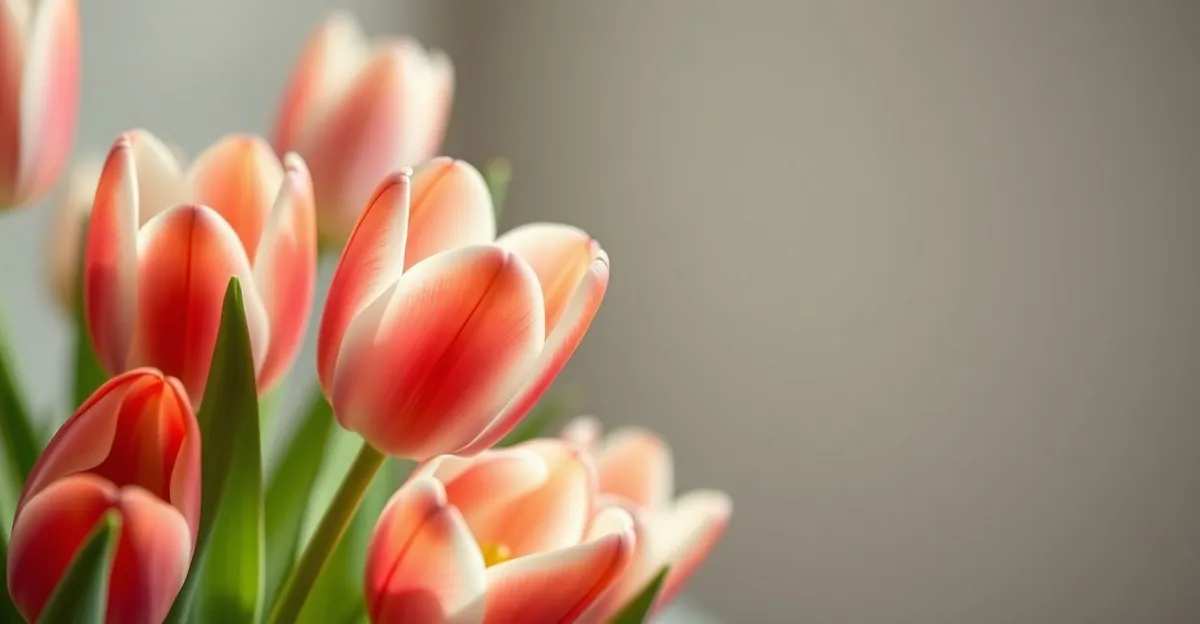
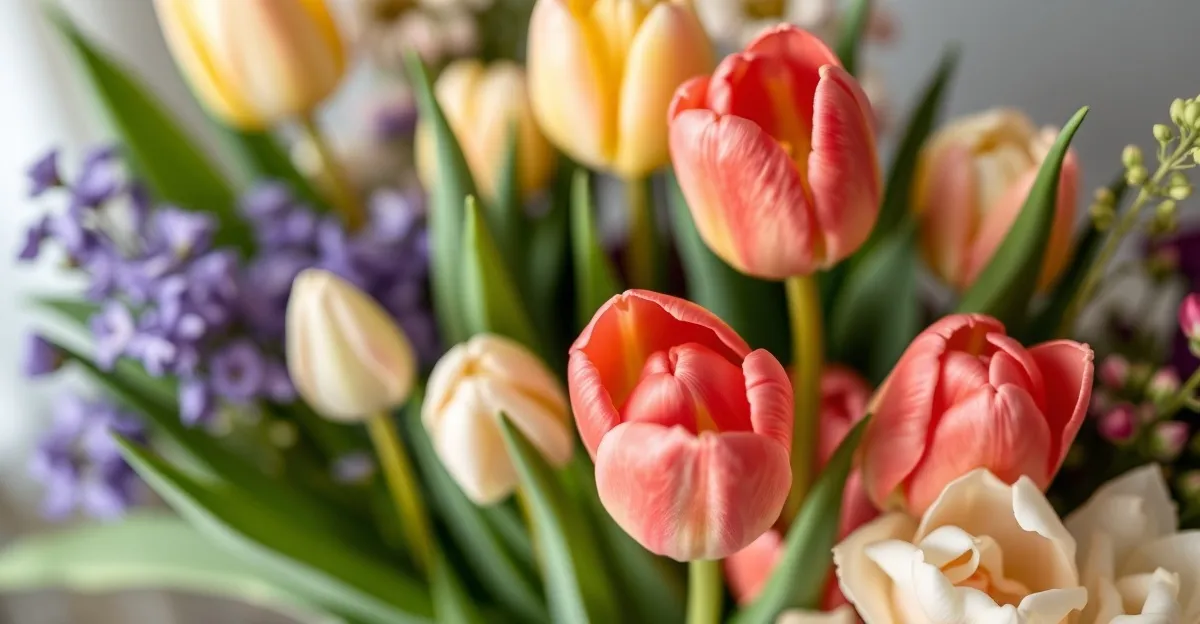
There's something almost sculptural about a tulip. Before it fully opens, the bloom is a perfect cup — clean lines, architectural form, a clarity of shape that no other flower quite matches. And then it opens, and the petals relax and splay, and the whole character of the flower changes. That duality is part of what makes tulips interesting to give: they behave differently in different moments, which is rather how good relationships work.
Tulips are not native to Bali or Indonesia. They're imports, arriving via Dutch-influenced flower trade networks, and they come at a premium here because they need cold chain management from their growing regions. But that very exoticness is part of their appeal in Bali's tropical setting. A bouquet of tulips on a villa terrace in Canggu is a surprising delight — something that feels both global and intimate at the same time.
Here's everything you need to know about what tulips mean and when to give them.
The Origin of Tulip Symbolism
To understand what tulips mean, you need a quick history. The tulip originated in Central Asia and was cultivated in the Ottoman Empire for centuries before European traders brought bulbs to the Netherlands in the sixteenth century. In Ottoman culture, the tulip was the flower of paradise — a symbol of God's perfection, beauty, and divine love. The word lale (tulip) in Turkish, written in Arabic script, uses the same letters as Allah, which deepened its sacred associations significantly.
This weight of meaning — the flower as a vessel of divine perfection — travelled with the tulip into European consciousness. In the Netherlands, where the tulip craze of the 1630s created the world's first speculative commodity bubble, the flower took on additional associations with wealth, exclusivity, and the extraordinary desire humans have for beauty.
What we're left with today is a flower that carries centuries of meaning about love, perfection, the ephemeral nature of beauty, and new beginnings. Not a bad CV for a flower.
Tulip Symbolism by Colour
Each tulip colour carries its own distinct message. This matters when you're choosing what to give.
Red Tulip: Perfect Love
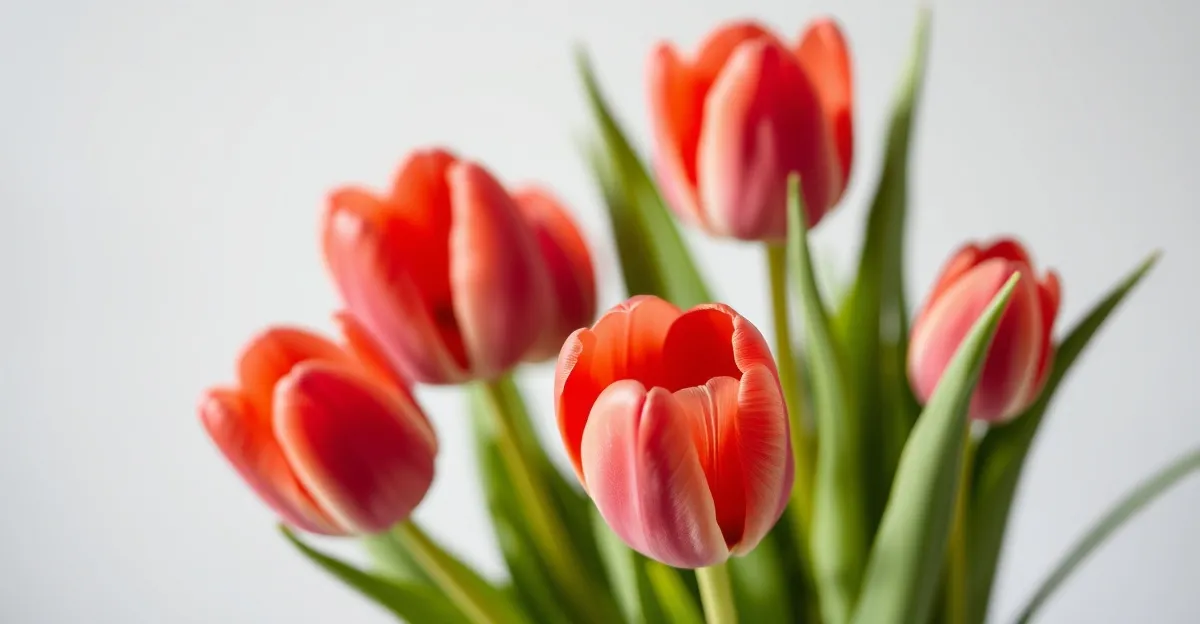
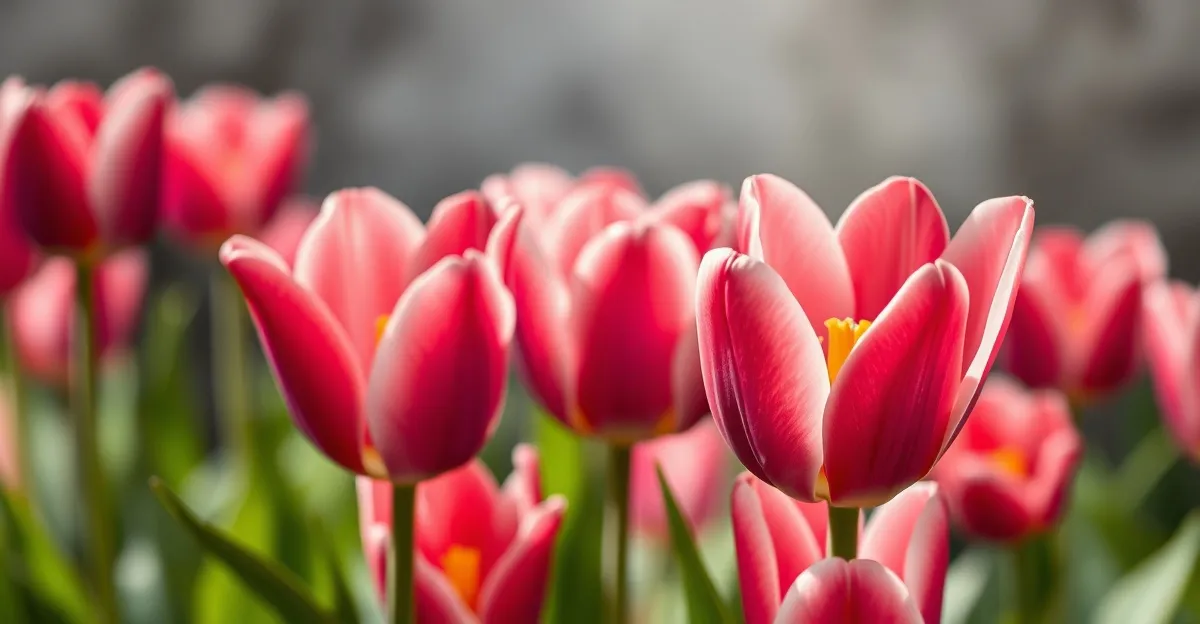
Red tulips are among the most direct romantic declarations in the flower world. More ardent than a red rose in some traditions, the red tulip specifically says "I love you deeply and completely." In Persian poetry and Ottoman verse, the red tulip's centre — a dark heart at the base of the petals — was a metaphor for a lover burning with passion.
Give red tulips when you want to make a clear romantic statement. They work for Valentine's Day, for anniversaries, for a relationship that has moved past the tentative and become something certain.
Pink Tulip: Affection and Caring
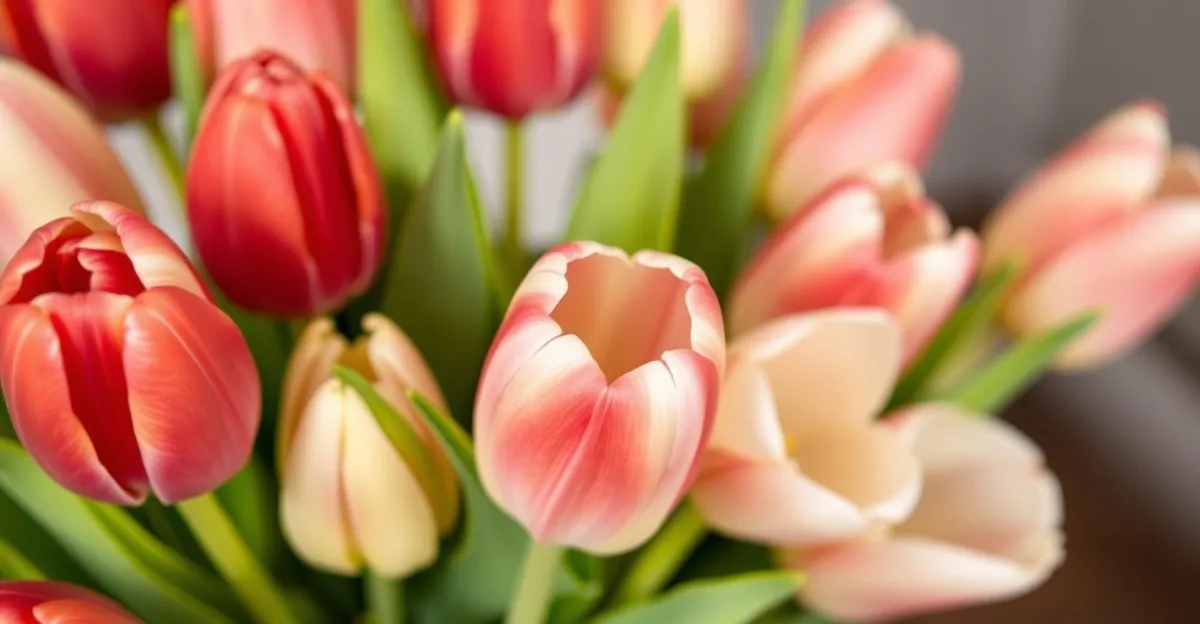
Pink tulips express affection, warmth, and caring without the intensity of red. They're a beautiful choice for a friend you adore, for a mother, for a long-term partner when you want to express love that's comfortable and secure rather than passionate and urgent. They also work beautifully for housewarming gifts and congratulatory occasions.
White Tulip: Forgiveness and New Beginnings
White tulips carry complex symbolism. They can represent purity and new beginnings, making them appropriate for births, first home celebrations, and fresh starts. But they also carry meaning around forgiveness — giving someone white tulips can be a graceful way of expressing that you're releasing a grievance and beginning again. This nuance is rarely communicated explicitly, but it exists in the tradition.
Yellow Tulip: Cheerful Thoughts and Sunshine
Yellow tulips are among the most joyful flowers in existence. Pure, uncomplicated happiness. They're perfect for cheering someone up, celebrating a friend's success, or simply saying "I was thinking of you and it made me happy." Unlike yellow roses, which have some associations with jealousy in certain traditions, yellow tulips carry almost universally positive energy.
Purple Tulip: Royalty and Admiration
Purple tulips express admiration and respect — the sense that someone is special, dignified, deserving of recognition. They're an excellent choice for mentors, for celebrating professional achievements, or for expressing appreciation to someone who has made a significant contribution to your life. Deeper plum-purple varieties lean toward luxury and elegance; lighter lavender tulips are softer and more romantic.
Orange Tulip: Energy and Enthusiasm
Orange tulips convey warmth, enthusiasm, and a kind of energetic appreciation. They're less formal than red but more vibrant than yellow. Good for creative friends, for celebrating new ventures, for someone whose energy you find genuinely infectious.
Tulip Symbolism in Different Cultural Contexts
The meaning of tulips isn't uniform across cultures. Here's what's relevant for gifting in Bali's multicultural environment.
Western Tradition
In Western European and American traditions, tulips are primarily associated with spring, new beginnings, and romantic love. The colour hierarchy above broadly applies, with red tulips as the strongest romantic statement.
Persian and Turkish Tradition
For recipients with Iranian or Turkish heritage, the tulip carries much deeper historical significance. It is the flower of paradise, of divine perfection, of homeland. A beautiful tulip bouquet for a Persian or Turkish friend isn't just a pretty gift — it resonates culturally in ways that other flowers don't. Red and white tulips are particularly meaningful in these traditions.
Dutch Tradition
For Dutch people in Bali — a significant community — the tulip is essentially a national symbol. Giving tulips to a Dutch friend is a warm and charming choice, particularly if you can find Dutch-grown varieties. It will feel like a small piece of home.
East Asian Tradition
Tulips don't have strong historical associations in Chinese, Japanese, or Korean cultures the way chrysanthemums or peonies do. They're appreciated for their beauty but don't carry the symbolic weight they have in Western or Ottoman traditions. Any colour is appropriate; there are no specific cultural sensitivities around tulips in East Asian gifting contexts.
When to Gift Tulips
Understanding the symbolism is the first step. Matching the flower to the occasion is the second.
Valentine's Day and Anniversaries: Red tulips are outstanding. More personal than roses because they're less universal, more specific in their declaration.
Mother's Day: Pink or yellow tulips — warm, loving, joyful. A bunch of mixed pastel tulips for a mother communicates something beautifully.
New Baby: Soft pink or white tulips for a girl, yellow or white for a boy (though these conventions are increasingly optional). White tulips for the beginning of a new life feel quietly profound.
Housewarming: Yellow tulips are cheerful and welcoming; a mixed basket of spring colours is festive and domestic.
Sympathy: White tulips carry the right note of peace and new beginnings without being as specifically funeral-associated as lilies or chrysanthemums in some cultures.
Just Because: Yellow or orange tulips, no occasion needed. A spontaneous gift of sunshine-coloured tulips lands as genuine warmth.
Thinking about a regular flower delivery that keeps your home or office looking this intentional? heyflower.co delivers to Canggu, Berawa, Pererenan, Seminyak, and Kerobokan every Monday — including tulips when they're available in the right quality.

The team
your florists
weekly subscription · Bali
We write about flowers because we love them. We deliver them because someone should — properly, weekly, across Bali.
— heyflowerPay once for 3, 6, or 12 months, no auto-renewal.
Tulips and Bali's Celebration Calendar
Bali has its own rich calendar of celebrations, and tulips can appear beautifully in many of them.
Galungan: The warm yellow and orange tulip varieties complement the marigold and golden palette of Galungan celebrations. A gift of yellow tulips to a Balinese friend celebrating Galungan is warm and culturally neutral — joyful without misstepping on ceremony.
Nyepi: Tulips make a beautiful gift for the days around Nyepi — particularly in the period of reconnection after the day of silence. White tulips as a symbol of new beginnings feel quietly appropriate.
Christmas and New Year: A mixed tulip arrangement in red and white makes a beautiful festive display for expats and visitors celebrating European or Western holidays in Bali. For guidance on last-minute Christmas flower ideas for Bali, tulips feature as a reliable choice.
Frequently Asked Questions
What do tulips symbolise in general?
Tulips carry meanings of perfect love, beauty, spring renewal, and new beginnings. Their symbolism varies by colour: red means deep love; pink means affection; white means new beginnings or forgiveness; yellow means cheerful happiness; purple means admiration and royalty; orange means enthusiasm and energy.
Are tulips appropriate for a romantic gift?
Absolutely. Red tulips in particular are a deeply romantic choice — historically even more directly declarative of love than roses in some traditions. A hand-tied bunch of red tulips is a classic and beautiful romantic gesture. Mixed-colour tulip bouquets read as affectionate and warm rather than specifically romantic.
Can I gift tulips for a funeral or sympathy occasion?
White tulips are appropriate for sympathy and are less culturally specific than white lilies or chrysanthemums in their funeral associations. They carry meaning around peace, forgiveness, and new beginnings that fits a sympathy context well. Avoid bright red or orange tulips for sympathy, which feel celebratory rather than compassionate.
What's the difference in meaning between red roses and red tulips?
Both are classic romantic declarations, but they carry slightly different emotional registers. Red roses are associated with passionate, intense romantic love — the full ceremony of romance. Red tulips carry a slightly more direct, less theatrical version of the same declaration. "I love you completely" without the full dramatic apparatus of the red rose. For some people, that directness is actually more moving.
Why are tulips more expensive in Bali than in Europe?
Tulips are a cool-climate bulb flower that doesn't grow naturally in tropical Indonesia. Most tulips sold in Bali are imported — either from Java's highland flower farms or directly from the Netherlands. The transport cost, cold chain requirements, and import logistics add significantly to the price. A tulip arrangement in Bali will typically cost considerably more than a comparable arrangement in Amsterdam or London.
More on Tulip