The history and origin of the marigold
The marigold has one of the richest histories of any flower — from Aztec ritual to Bali's daily offerings. Trace its journey from the Americas to become a global flower.
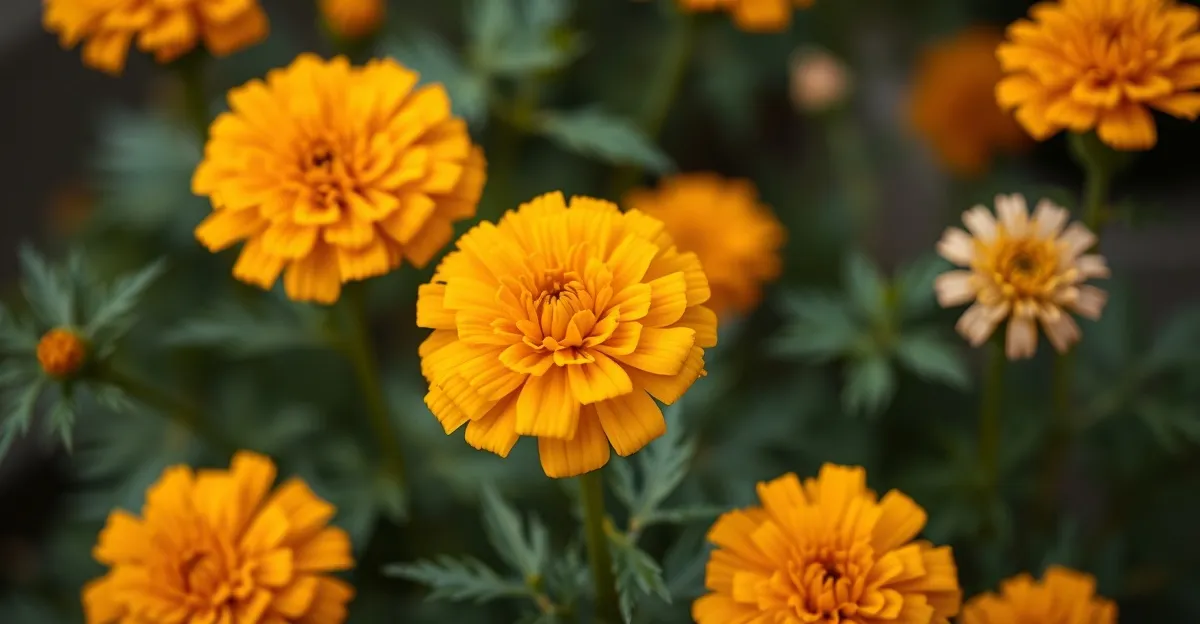
Of all the flowers in everyday use in Bali, the marigold has perhaps the most remarkable backstory. It traveled from the mountains of Mexico and Guatemala to become one of the most widely used ceremonial flowers in South Asia and Southeast Asia — a journey spanning continents, centuries, and vastly different cultural systems. That journey deserves to be told.
Origins in Mesoamerica
The genus Tagetes — which includes the flowers we call marigolds — is native to the Americas. The center of diversity is Mexico and Central America, where wild species of Tagetes have grown for thousands of years in the highland regions. The Aztecs (Mexica people) cultivated marigolds long before European contact, using them in religious ceremonies, medicine, and as dye plants.
The Nahuatl name for the marigold — cempoalxóchitl or cempasúchil — translates roughly as "twenty petals" or "flower of the dead." This last association reflects the marigold's deep role in Aztec spiritual life. The flower was associated with the sun god Tonatiuh and was used in ceremonies marking death, transition, and the sacred cycle of life.
The Aztec relationship with marigolds was practical as well as sacred. The flowers' natural oils act as insect repellents, making them useful companions in vegetable gardens — a property that was recognized and documented long before the modern understanding of the chemistry behind it.
The species that shaped world horticulture
Two species are most responsible for the marigold's global spread:
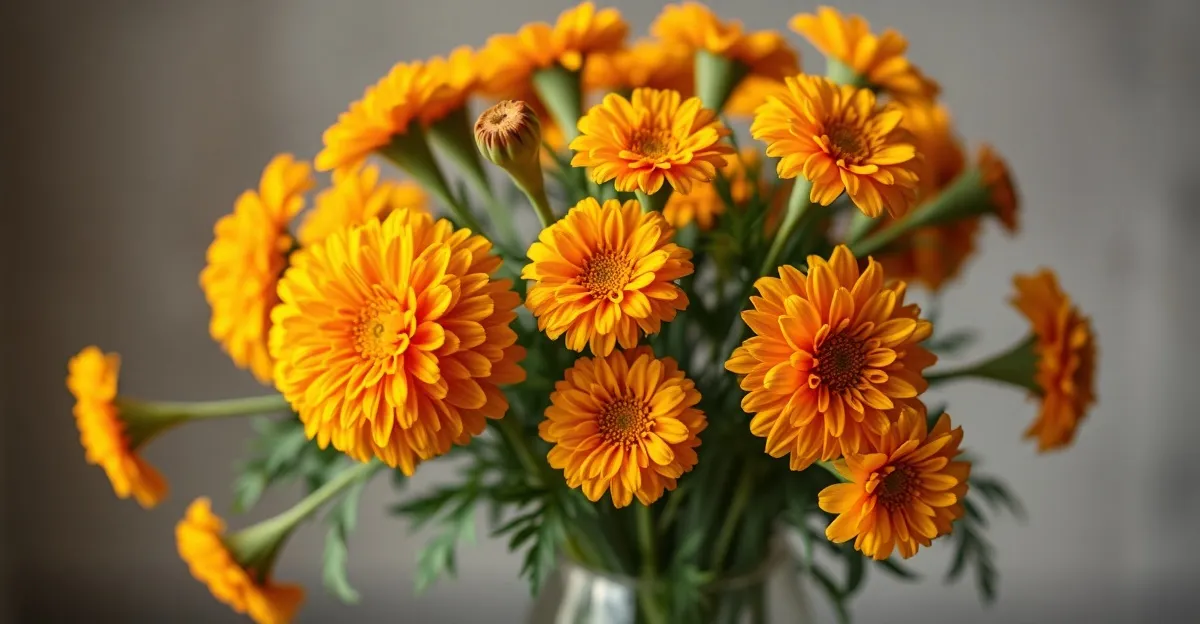
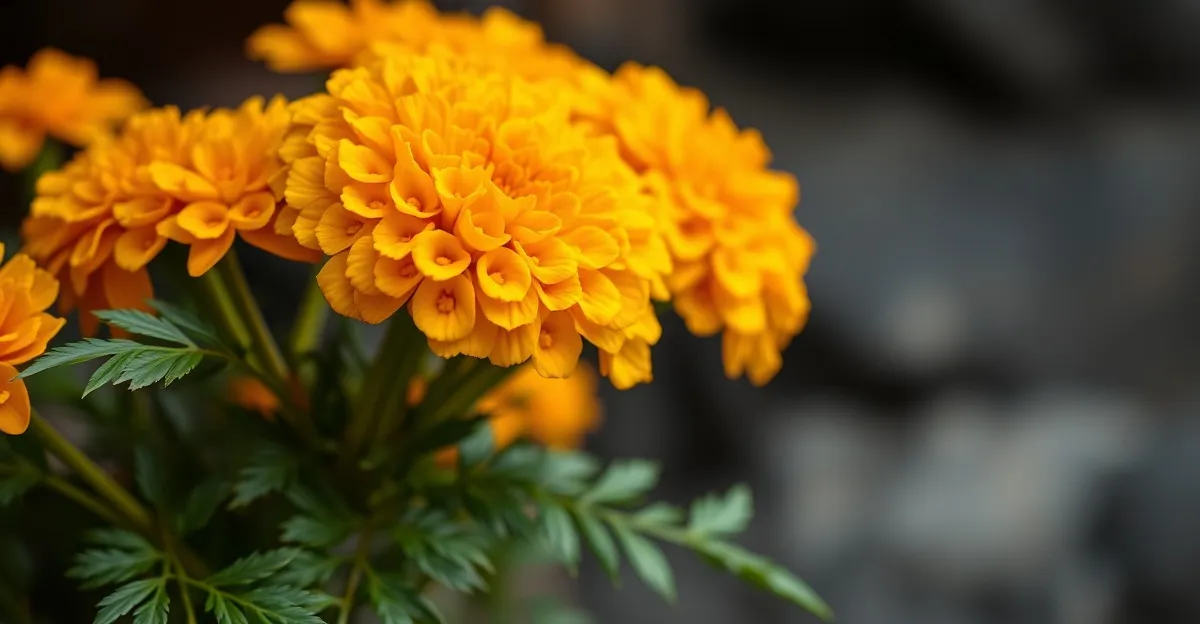
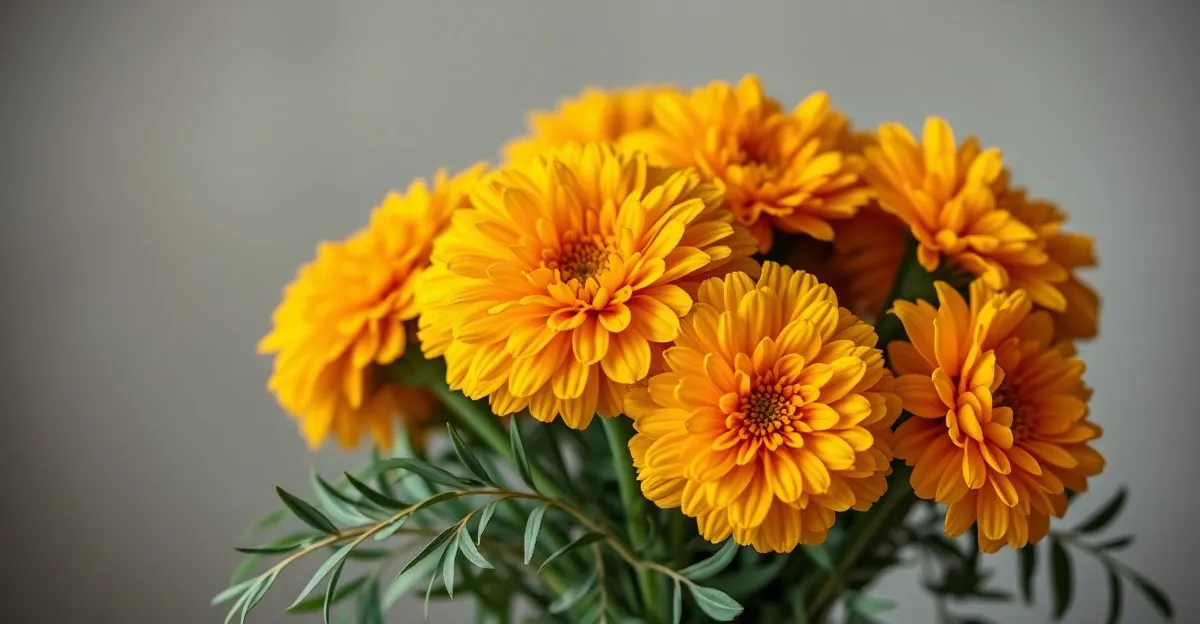
African marigold (Tagetes erecta) — The name is misleading. This tall, large-flowered species is from Mexico, not Africa. It got its common name because early European botanists encountered it coming from Africa via the Portuguese trade routes, having been introduced to North Africa after the Spanish conquest of Mexico. It features the large, pompom-like flower heads in gold, orange, and yellow that appear in South Asian garlands and Balinese ceremony.
French marigold (Tagetes patula) — Also from Mexico and Central America, but smaller and more compact. Again, the "French" name reflects the European trade routes through which it arrived in England and northern Europe — via France from Spain. The French marigold's compact form and wide color range (including bicolor varieties with red petals) made it a favorite for European garden beds.
Both species were carried to Europe by Spanish conquistadors and explorers in the 16th century, part of the enormous exchange of plants, animals, diseases, and cultural knowledge that historians call the Columbian Exchange.
Arrival in Europe and rapid adoption
By the mid-16th century, marigolds were being grown in European gardens. They spread quickly for practical reasons: they germinate easily from seed, grow fast, flower prolifically, and the cheerful colors pleased garden designers of the era. Within a generation of arriving in Europe, they had been carried along trade routes to North Africa, the Middle East, and Asia.
One of the most consequential introductions was to the Indian subcontinent. Portuguese traders carried marigolds to their colonial ports in Goa and along the west coast of India. From there, the flower entered Indian agricultural and cultural life with remarkable speed. Within a century of introduction, marigolds had become deeply embedded in Hindu ceremony — garlands for temples, flowers for wedding mandaps, offerings to Ganesha and Lakshmi.
The speed of this cultural adoption is striking. A flower from Mexico became a sacred flower of Hinduism within generations. The reasons likely include the ease of cultivation (marigolds grow abundantly in India's climate), the resonance of their warm solar colors with Hindu cosmology, and the practical virtue of their abundance — a flower cheap enough to use lavishly in daily devotion.
From India to Bali
The path from the Indian subcontinent to Bali is less precisely documented, but the connection is clear through Bali's deep Hindu roots. Balinese Hinduism traces its origins to the Hindu kingdoms of Java and the earlier influence of Indian traders and scholars who arrived from the 1st century CE onward.
When Hinduism took root in the archipelago, it brought with it the use of flowers in ceremony — and as marigolds became standard in Indian Hindu practice, they made their way to Balinese ceremony. By the time of Bali's cultural flowering in the Majapahit-era and after (14th-16th centuries), marigolds were already integrated into the ceremonial vocabulary.
Today, the marigold's presence in daily Balinese ceremony is absolute. The yellow African marigold (Tagetes erecta) in particular is among the three or four most essential flowers in canang sari and banten offerings made every single day across the island.
The naming paradox
One of the interesting puzzles in marigold history is the common name itself. "Marigold" has nothing to do with Mexico or Africa — it is an English corruption of "Mary's gold," a reference to the Virgin Mary in Catholic devotion. Early medieval European Christians used the pot marigold (Calendula officinalis, an entirely different plant also known as marigold) as an offering flower on the altar of Mary. When Tagetes arrived from the Americas, it inherited this name because of its similar appearance.
The result is that a Mexican flower carries an English name derived from Catholic Marian devotion, is commonly called "African marigold" or "French marigold," and has become one of the most sacred flowers in Hindu ceremony. The marigold's history is a concentrated lesson in how plant names, cultural meanings, and global trade routes intersect in unexpected ways.

The team
your florists
weekly subscription · Bali
We write about flowers because we love them. We deliver them because someone should — properly, weekly, across Bali.
— heyflowerPay once for 3, 6, or 12 months, no auto-renewal.
Marigold cultivation through history
After its global dispersal in the 16th and 17th centuries, marigold breeding accelerated in Europe and America through the 18th and 19th centuries. Horticulturists developed new varieties with larger flowers, novel colors (including cream and white), and more compact or taller growth habits.
The 20th century saw significant commercial breeding work, particularly for cut-flower and mass-market uses. Modern African marigold varieties can produce flowers up to 12cm in diameter in consistently reliable colors. The Burpee Seed Company in the United States was particularly active in marigold breeding, and David Burpee famously lobbied (unsuccessfully) to have the marigold named the national flower of the United States in the 1960s — an effort that sparked considerable public debate and ultimately lost to the rose.
Marigolds in Bali today
The marigold's integration into Balinese life is now so complete that it is easy to forget the flower arrived from Mexico some 400 years ago. It is grown locally in the highlands around Bedugul and Kintamani, sold at every market in Denpasar, and used in daily offerings by millions of Balinese Hindu practitioners.
For more on the flower's specific ceremonial roles in Bali, see our detailed article on marigold in Balinese ceremonies: traditional uses in Bali.
For ideas on how to incorporate marigolds into gifting and events, our guide on marigold meaning and symbolism: a full gifting guide covers the practical side.
FAQ
Where are marigolds originally from? Marigolds (Tagetes species) are native to Mexico and Central America, where they were cultivated by the Aztecs for thousands of years before European contact.
Why are they called "African" and "French" marigolds if they come from Mexico? The names reflect the trade routes through which they reached England. African marigolds (Tagetes erecta) were introduced to North Africa by Portuguese traders and then to England from there. French marigolds (Tagetes patula) arrived in England via France from Spain. Both names stuck despite the misleading geography.
When did marigolds arrive in India? Portuguese traders introduced marigolds to India in the 16th century through their colonial ports on the western coast. Within a century, the flower was thoroughly integrated into Hindu ceremonial life.
How did marigolds come to be used in Balinese ceremony? Through the connection between Balinese Hinduism and the broader Hindu tradition of the Indian subcontinent. As marigolds became standard in Indian Hindu ceremony, they were incorporated into Balinese ceremonial practice through the same cultural channels that transmitted Hinduism to Bali.
Are marigolds grown in Bali or all imported? Both. Bali's highland areas around Bedugul and Kintamani produce marigolds locally. Additional supply comes from Java. The flower is one of the few cut flowers with significant local production in Bali, making it among the most affordable available.
Ready to bring fresh flowers to your Bali home or event? Explore our weekly flower subscription and get handpicked blooms delivered to your door every week.
More on Marigold