The History and Origin of the Jasmine
From ancient Persia to Bali's daily offerings — a journey through jasmine's remarkable history, its spread across continents, and its enduring place in human culture.
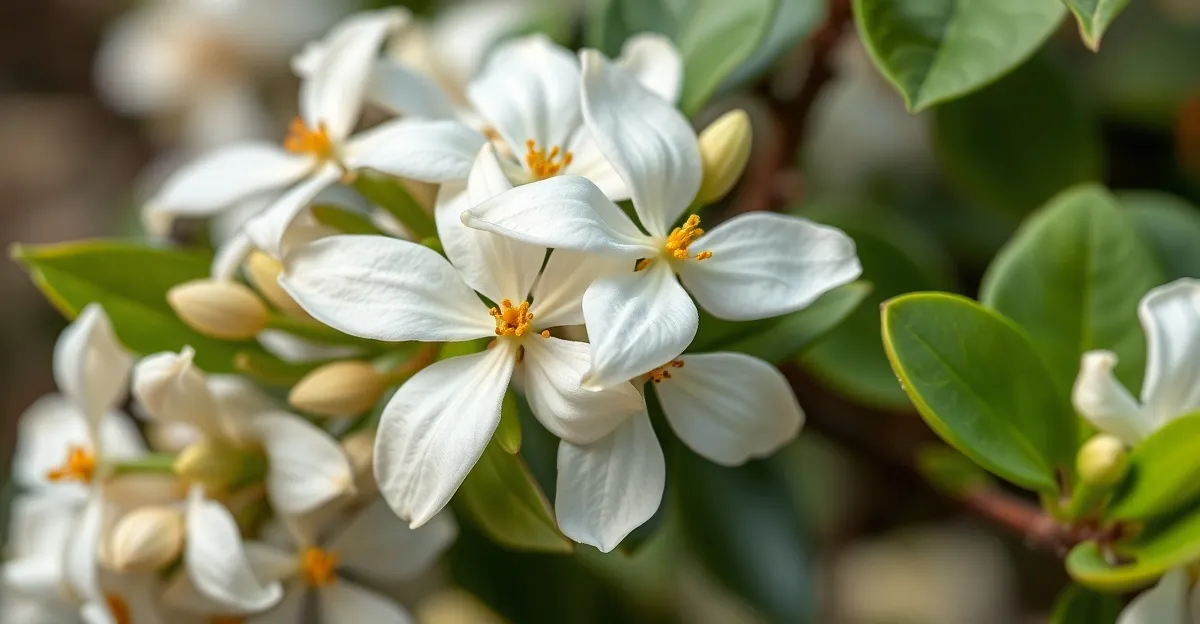
Few flowers have travelled further in human company than jasmine. Beginning in the foothills of the Himalayas and the tropical forests of Southeast Asia, it has moved through the hands of Persian poets, Mughal emperors, Arab traders, Renaissance painters, colonial botanists, and Balinese temple priestesses until it arrived, remarkably, at the daily offerings being placed on the streets of Canggu this morning.
That journey — spanning roughly three thousand years and almost every human culture along the way — is one of the most extraordinary stories in the history of flowers. This is where jasmine came from, how it spread, and why it has remained so deeply loved across such vastly different civilisations.
Origins: Where Jasmine Comes From
The genus Jasminum comprises more than 200 species, and the geographical origins of the most significant of these trace a broad arc across South and Southeast Asia.
The Ancestral Homeland
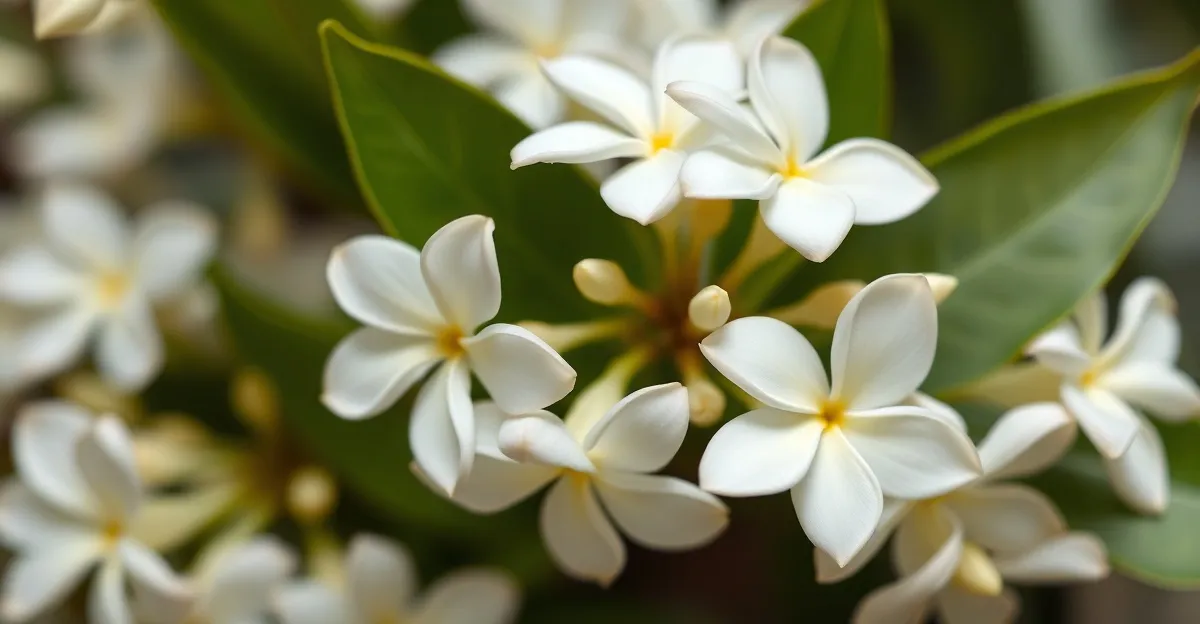
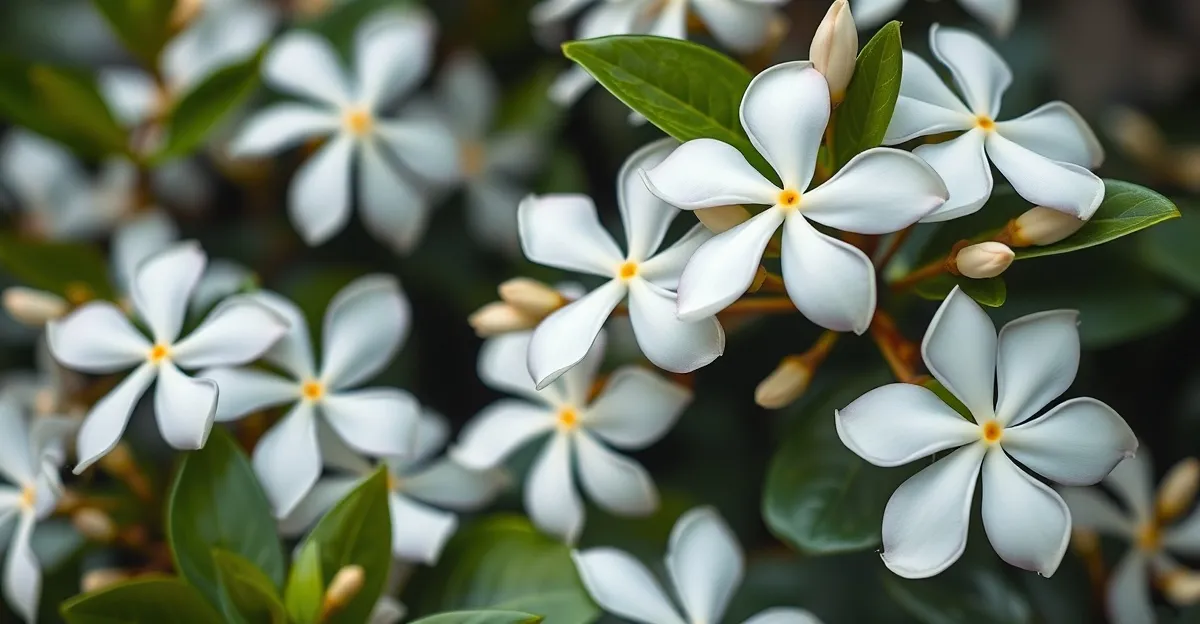
The most celebrated jasmine species — Jasminum sambac (Arabian jasmine / melati) and Jasminum officinale (common jasmine) — have their botanical origins in tropical South Asia and the Himalayan foothills respectively. Genetic studies and historical botanical records suggest that Jasminum officinale originated in the region that spans modern-day Iran, Afghanistan, and Pakistan — the southern margins of the Himalayas and the highlands of Persia. Jasminum sambac is thought to have originated in tropical South or Southeast Asia, with strong historical evidence for its early cultivation in India.
These origins are significant: jasmine's two main branches emerge from areas that were, historically, two of the most culturally productive and commercially connected regions of the ancient world — Persia and India. Both cultures seized upon jasmine as a flower of extraordinary significance, and from these two centres of early civilisation, it spread outward.
Wild Jasmine vs. Cultivated Jasmine
Many Jasminum species grow wild throughout Asia, Africa, and the Pacific. But the jasmine of culture and ceremony is almost always a cultivated variety — selected and propagated over centuries for fragrance intensity, petal density, and flowering reliability. The wild ancestors of Jasminum sambac, for example, were likely considerably less fragrant than the varieties prized today. The intense fragrance associated with high-quality melati or Arabian jasmine is partly the product of generations of careful human selection.
Jasmine in Ancient Persia
The name "jasmine" itself gives us a clue about its Persian heritage. The English word derives from the Persian "yasamin" (یاسمین) or "yasmin" — a beautiful word that is still a common given name across the Persian-speaking world today.
In ancient Persian culture, jasmine was a flower of paradise. Persian poets — beginning at least as early as the 10th century CE with figures like Ferdowsi and later Rumi, Hafez, and Sa'di — used jasmine as a recurring symbol of the beloved's beauty, of divine grace, and of the fleeting perfection of earthly things. In the Shahnameh, Ferdowsi's great Persian epic, jasmine appears as an element of paradise gardens (pardis — the source of our word "paradise"). These were real spaces: enclosed royal gardens planted with fragrant flowers including jasmine, roses, and other blooms.
The Persian association between jasmine and the garden of paradise shaped jasmine's symbolic meaning across Islamic culture, from Morocco to Malaysia, for centuries. When Mughal emperors created their great formal gardens in India, jasmine was a central planting — the fragrance of paradise made earthly and visible.
Jasmine in India: From Sacred to Sensory
If Persia gave jasmine its poetic soul, India gave it its sensory and spiritual life.
Vedic and Hindu Traditions
Jasminum sambac — known in India as mogra, chameli, or mallika — appears in ancient Sanskrit texts as both a medicinal plant and a sacred flower. Its use in garlands offered to deities is documented in early religious texts. The association with Vishnu, and with Lakshmi (the goddess of beauty and fortune), established jasmine as a flower of divine offering that has remained consistent in Hindu tradition across two millennia.
In Indian Ayurvedic medicine, jasmine flowers, leaves, and oil were used for a remarkable range of purposes: calming anxiety, treating skin conditions, supporting women's health, and as a cooling remedy in fevers. Many of these uses persist in traditional Balinese herbal medicine (jamu) today.
Mughal Garden Culture
The Mughal emperors who ruled much of the Indian subcontinent from the 16th to 18th centuries were passionate garden makers, and jasmine was among their most cherished plants. The Mughal garden tradition — which influenced Persian, Ottoman, and eventually European garden design — placed jasmine in arbours, trellis structures, and climbing frames where its flowers could cascade and its fragrance fill the garden air. This is the context in which jasmine became associated not just with spiritual offering but with sensory luxury and earthly pleasure — an association that has never quite left it.
Jasmine and Women
In South and Southeast Asian culture, jasmine has a particularly strong association with women. The practice of women wearing jasmine flowers in their hair — threading fresh blooms into a braid or bun — is documented in ancient Indian poetry and continues today in South India, Sri Lanka, and Bali. The fragrance of jasmine in a woman's hair is one of the signature sensory images of South and Southeast Asian aesthetic culture. It signals beauty, self-care, and an attention to the pleasures of the present moment that is deeply valued.
Jasmine's Journey to Bali
How jasmine arrived in Bali is interwoven with the broader spread of Hindu-Buddhist culture through maritime Southeast Asia.
The major Jasminum sambac variety — melati — spread through the spice and silk trade routes that connected the Indian subcontinent with the Indonesian archipelago from at least the 1st century CE. Hindu and Buddhist missionaries, traders, and eventually the great Hindu-Buddhist kingdoms of Java and Bali brought Indian sacred traditions — including the use of jasmine in temple offerings — along with Sanskrit literature, temple architecture, and ritual practice.
By the time of the great Hindu kingdoms of Majapahit (based in eastern Java, 13th–15th centuries) — from which Balinese culture derives much of its Hindu framework — jasmine was fully embedded in ceremonial life. When Majapahit's Hindu culture retreated to Bali following the spread of Islam across Java in the 15th and 16th centuries, it brought jasmine's ceremonial uses intact.
This is why the Balinese use of jasmine in ceremony today has such ancient roots: it is not a recent cultural adoption but a direct continuation of a tradition that stretches back to early Hinduism in India and through the great maritime kingdoms of the archipelago.
Jasmine and the Western World
Jasmine arrived in European consciousness through Arab trade routes and the Moorish culture of medieval Spain, where jasmine gardens were prized in the palaces of Al-Andalus.
By the 16th century, jasmine was being cultivated in European botanical gardens as an exotic from the Orient. The great herbalists of the Renaissance — including Dodoens and Lyte — documented it with enthusiasm. By the 17th century, jasmine was being grown in English gardens and French perfumeries alike.
The French town of Grasse in Provence became the world centre of jasmine perfumery from the 17th century onward, as the perfume industry discovered that jasmine absolute — the concentrated aromatic extract — was among the most complex and beautiful perfume materials in existence. Grasse-grown Jasminum grandiflorum, harvested by hand in the early morning when fragrance is strongest, became the backbone of some of the world's greatest perfumes, including Chanel No. 5.

The team
your florists
weekly subscription · Bali
We write about flowers because we love them. We deliver them because someone should — properly, weekly, across Bali.
— heyflowerPay once for 3, 6, or 12 months, no auto-renewal.
Jasmine Today: A Global Flower with Deep Local Roots
Today jasmine is grown commercially on every continent except Antarctica, used in perfumery, food flavouring (jasmine tea, jasmine rice aromatics), aromatherapy, and traditional medicine across the world. Yet in Bali, it has never become merely commercial. The morning purchase of fresh melati for the day's offerings, the weaving of jasmine into bridal garlands, the scent that drifts from temple courtyards throughout the day — these practices continue with the same sensory and spiritual immediacy they have carried for centuries.
This is what makes jasmine in Bali different from jasmine anywhere else: it is not simply a beautiful flower or a commercial product. It is a living thread connecting the present to a deep and meaningful past.
For more on how jasmine is used in Bali's living spiritual culture, jasmine in Balinese ceremonies: traditional uses in Bali provides the full context. For a parallel history from a different floral tradition, the history and origin of the marigold traces another flower with deep ceremonial roots in Bali.
Frequently Asked Questions
Is jasmine native to Bali?
Jasminum sambac (melati) is thought to have originated in tropical South or Southeast Asia, making it geographically indigenous to the broader region of which Bali is a part. Whether it was always present in Bali or arrived with the spread of Hindu culture from India and Java is difficult to establish definitively, but either way, it has been growing and thriving in Bali for well over a thousand years.
Why is jasmine the national flower of Indonesia?
Jasminum sambac was designated a national flower of Indonesia in 1990 (alongside the moon orchid and the giant Rafflesia). Its selection reflects the flower's deep presence in Indonesian ceremonial culture across multiple religious traditions, its economic importance as a commercial crop, and its aesthetic and fragrant qualities that are valued across Indonesian ethnicities.
What is the oldest known jasmine cultivation?
Archaeological and textual evidence suggests jasmine was being cultivated in India at least as far back as 1000 BCE, possibly earlier. Persian texts from around 900–1000 CE reference jasmine extensively, suggesting active cultivation in the Persian world at that time. The Mughal garden tradition of the 16th century represents some of the earliest well-documented large-scale jasmine cultivation.
Does jasmine appear in any ancient Balinese texts?
Sanskrit loan-words for jasmine appear in Old Javanese (Kawi) literature that dates from Bali's early Hindu period, suggesting that the flower was named and categorised in the Balinese cultural vocabulary at least as early as the 9th–10th centuries CE. Ceremonial texts (lontar manuscripts) in Bali specify jasmine in ritual preparations.
Why is the fragrance of jasmine so intensely associated with evening?
Many jasmine species release their strongest fragrance at night, when the specific pollinators they attract (including moths and certain beetles) are most active. This evening fragrance intensification is an evolutionary adaptation rather than a romantic coincidence — though the romantic tradition that has grown up around "evening jasmine" is entirely real and deeply rooted in poetry and lived experience across cultures.
Jasmine carries three thousand years of human meaning in its petals — which is part of what makes giving or receiving it such a genuinely resonant experience. At heyflower.co, we source jasmine that honours this history: locally grown, freshly cut, and arranged with care. Whether you want a single fragrant bunch or a regular flower subscription that brings the best of Bali's blooms to your doorstep each week, we would love to be part of your jasmine story.
More on Jasmine