Jasmine in Balinese Ceremonies: Traditional Uses in Bali
Discover how jasmine — especially sacred melati — is used in Balinese Hindu ceremonies, from daily offerings to major festivals and cremation rites.
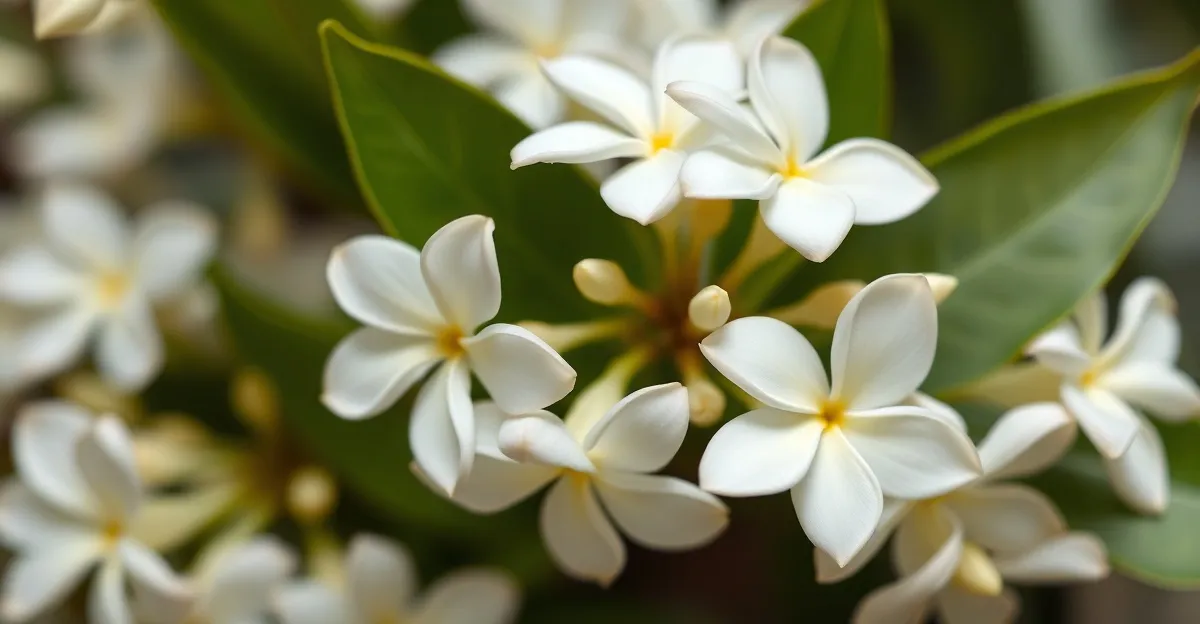
Every morning in Bali, before the tourist areas have fully woken and before the day's traffic has built its familiar chorus, something happens that has been happening every day for more than a thousand years. Women throughout the island sit and weave tiny palm-leaf trays, carefully selecting and placing flowers — almost always including white jasmine — into precise arrangements that will be placed at shrines, doorways, and sacred points throughout their homes and communities.
This daily act of offering is one of the most visible expressions of how deeply jasmine is woven into Balinese spiritual life. But the canang sari (daily offering) is only one thread in a much larger tapestry. Jasmine — particularly the sacred white melati (Jasminum sambac) — appears in virtually every significant ceremony in the Balinese Hindu calendar, from the most intimate household ritual to the largest community festival. Understanding these uses gives you a window into what Balinese culture values most deeply and why this small white flower carries so much weight on this island.
Melati: The Sacred White Jasmine of Bali
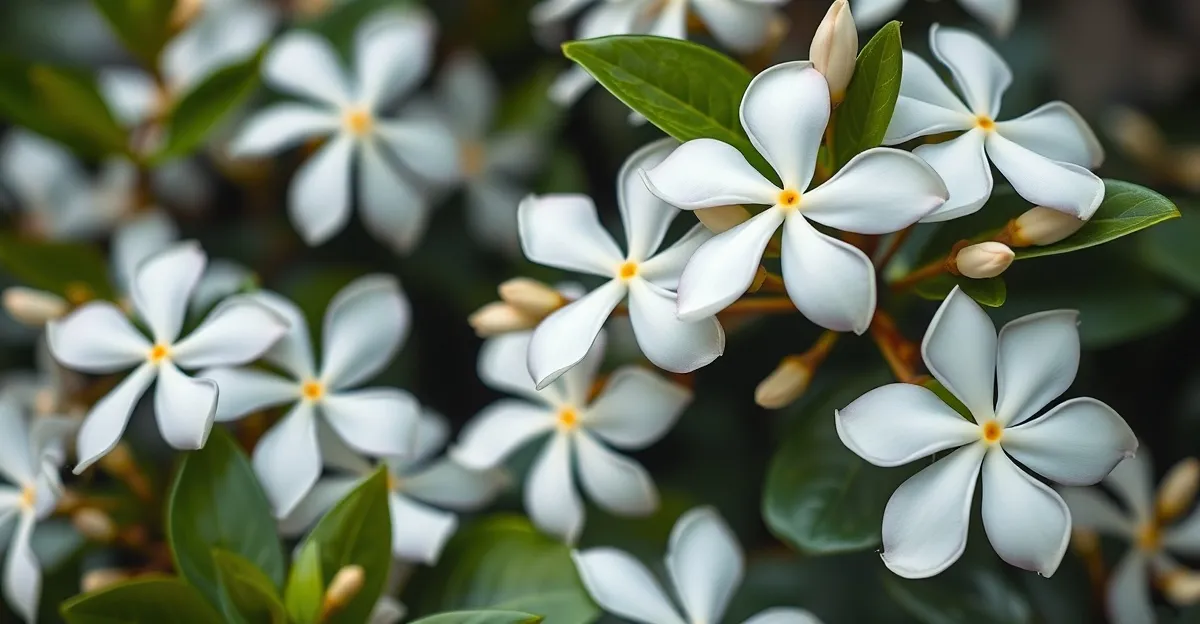
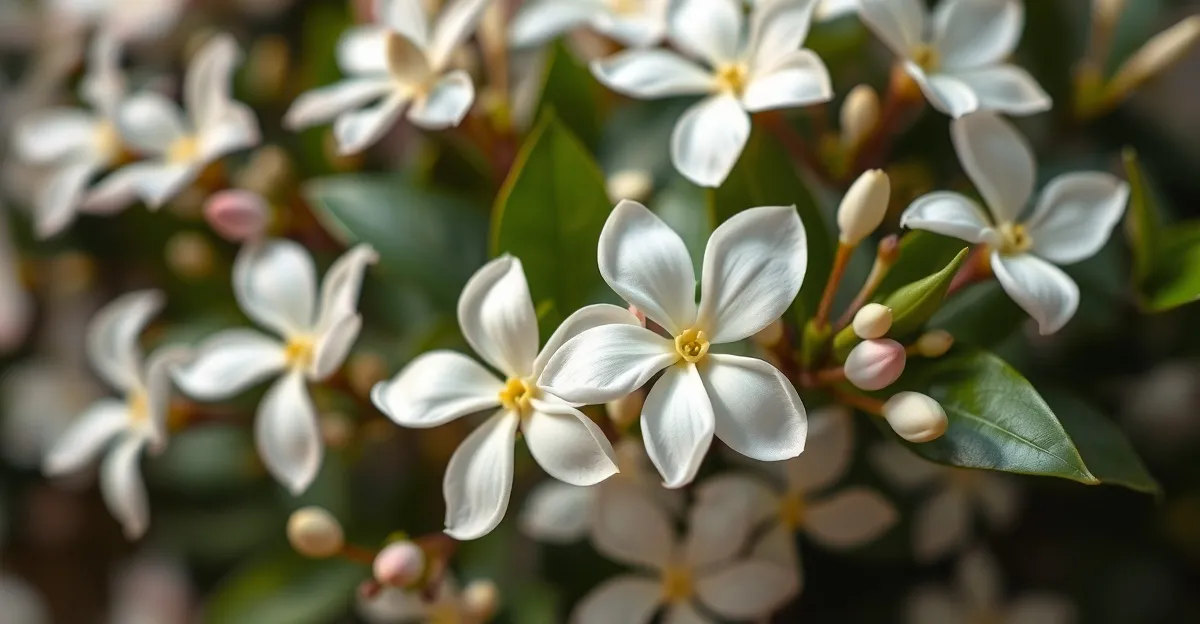
The species at the heart of Balinese ceremonial use is Jasminum sambac — known locally as melati putih (white jasmine) or simply melati. This is the national flower of Indonesia, designated in 1990 but recognised as sacred long before any modern designation existed.
Melati has several characteristics that make it particularly suited to ceremonial use:
The colour: White in Balinese Hindu symbolism represents purity, the divine, and the direction of east (the direction of Iswara and the rising sun). A white flower is intrinsically associated with spiritual goodness and the divine.
The fragrance: Melati's fragrance is considered by Balinese practitioners to be pleasing to the gods — a signal of the offering's sincerity and quality. The word "harum" (fragrant) in Balinese carries connotations of holiness as well as simple pleasant smell.
The availability: Melati blooms prolifically and near-continuously in Bali's climate, making it reliably available for the daily offering practice that requires fresh flowers every morning.
The size: The small, delicate flowers are easy to separate, arrange, and weave into the intricate forms required by Balinese ceremonial aesthetics.
The Daily Canang Sari: Jasmine Every Morning
The canang sari is the most frequent ceremonial use of jasmine in Bali — and its frequency is staggering. Millions of these small palm-leaf offerings are made and placed throughout Bali every single day, 365 days a year, regardless of other ceremonial activity.
The Structure of the Canang Sari
A canang sari is a small square tray woven from young coconut or palm leaf. Within it, flowers are arranged in a pattern that corresponds to the four cardinal directions and the colours associated with each:
- East: White flowers, including white jasmine — direction of Iswara
- South: Red flowers — direction of Brahma
- West: Yellow flowers — direction of Mahadewa
- North: Blue or black flowers (often dark purple) — direction of Vishnu
- Centre: Mixed colours, incense, and sometimes small food offerings
White jasmine holds the most important position in the canang sari — the eastward-facing section associated with the highest divine principle. No flower substitutes for it. When melati is in short supply at the market, offering-makers will prioritise it for the canang sari before any other use.
What Makes the Canang Sari an Offering Rather Than Decoration
The canang sari is not decoration, though it is beautiful. It is an act of devotion — a physical expression of gratitude to the divine for the gifts of the day. The fragrance of the incense and flowers ascending upward carries the prayer. This is why the offering must be fresh and why replacing yesterday's wilted offering with today's fresh one is a non-negotiable daily practice rather than something done when convenient.
Major Ceremonies: Jasmine's Elevated Roles
Odalan: Temple Anniversary Festivals
Every Balinese temple has its own odalan — a birthday festival that recurs every 210 days on the Pawukon cycle. During odalan, the temple transforms: elaborate offerings are constructed over days, the community dresses in ceremonial attire, and the scale of flower use is extraordinary.
For an odalan, jasmine appears in:
The gebogan: Towering cone-shaped offerings of fruit, flowers, and cakes carried on women's heads in ceremonial procession. White jasmine is prominently featured, often woven into or placed around the structure.
The sesajen: Complex multi-tiered offering arrangements placed directly at the main shrine. These receive the most precious and carefully selected flowers, with jasmine always included.
Decoration of the temple space: Fresh jasmine garlands draped over shrine structures and temple gates are a characteristic feature of a properly decorated odalan temple.
Nyepi Preparations: The Melasti Ceremony
Nyepi — the Balinese New Year and Day of Silence — is preceded by Melasti, a purification ceremony in which sacred temple objects are carried in procession to the sea, to rivers, or to springs for cleansing. This is one of Bali's most visually spectacular ceremonies: thousands of worshippers in white and gold, carrying gilded palanquins, moving in procession to the sound of gamelan.
Jasmine flowers and garlands feature in the offerings accompanying the sacred objects during Melasti. The symbolic resonance is clear: the flower associated with purity and clean beginnings accompanies sacred objects being cleansed, with the intention of purifying the community before the new year begins.
Balinese Weddings: Jasmine at the Centre
The Balinese Hindu wedding ceremony (mabyakala/pawiwahan) involves extensive ceremonial preparation over multiple days, with flowers — particularly jasmine — integral to every stage.
Bridal adornment: Jasmine flowers are traditionally woven into the bride's elaborately styled ceremonial hair. Melati flowers are threaded into the headdress structure and interspersed throughout the hair arrangement, releasing their fragrance throughout the ceremony.
Ceremonial space: The ceremonial platform and surrounding areas are decorated with jasmine garlands, creating a fragrant canopy for the rites.
Sacred offerings at the ceremony: The mebanten (ceremonial offerings) placed at the marriage altar include jasmine as an essential component — specifically in the offerings directed to Sang Hyang Semara-Ratih, the divine couple who are invoked to bless human unions.
Jasmine garlands for the couple: In some Balinese wedding traditions, the couple exchanges or wears jasmine garlands as part of the ceremony — a practice with roots in the same tradition as the Indian wedding garland (varmala) and reflecting the common Hindu heritage.
Ngaben: The Cremation Ceremony
The ngaben (cremation) is one of the most important rituals in the Balinese Hindu lifecycle — not a tragedy but a celebration: the release of the soul from its physical form so it can continue its journey toward reincarnation or moksha (spiritual liberation).
Jasmine in ngaben appears at several points:
Preparation of the body: White jasmine is used in the ritual washing and preparation of the deceased, along with other sacred flowers and holy water (tirta).
The panyempelan offering: This offering, placed with the body and cremated along with it, includes white jasmine as one of its essential floral components.
Decoration of the wadah: The cremation tower — a high, multi-tiered wooden and bamboo structure in which the body is carried to the cremation ground — is decorated with white flowers including jasmine, representing the pure and elevated spiritual destination being sought for the soul.

The team
your florists
weekly subscription · Bali
We write about flowers because we love them. We deliver them because someone should — properly, weekly, across Bali.
— heyflowerPay once for 3, 6, or 12 months, no auto-renewal.
Jasmine in Holy Water Preparation
Perhaps the most sacred use of jasmine in Balinese ceremony is its inclusion in the preparation of tirta — holy water. Tirta is central to Balinese Hindu practice: it is used in virtually every ceremony, sprinkled on worshippers by priests as a blessing, and consumed in small amounts as a purifying and blessing act.
The preparation of tirta is an elaborate ritual performed by priests (pedanda), involving prayers, mantras, and the use of specific sacred materials — among them white jasmine flowers, which are floated in the water and charged with mantric energy as part of the consecration process.
This use — the most intimate and direct — reflects jasmine's highest ceremonial status in Bali. It is not merely a beautiful element of a ceremony but a direct participant in the creation of sacred power.
Frequently Asked Questions
Can visitors to Bali participate in ceremonies that use jasmine?
Many Balinese ceremonies are open to respectful observers, and some allow participation from sincerely interested visitors. Wearing a sarong and sash (available to borrow at most temples) is the baseline of respectful approach. For any participation in actual ritual activity — such as presenting offerings — local guidance from a Balinese host or guide is strongly recommended.
Is it disrespectful to buy jasmine for non-ceremonial use in Bali?
Not at all. The flower market economy in Bali is built around both ceremonial and non-ceremonial demand, and Balinese florists are entirely comfortable with jasmine being appreciated and used decoratively. Appreciating jasmine with awareness of its cultural significance is itself a form of respect.
Why is white specifically important for ceremonial jasmine in Bali?
White in Balinese Hindu symbolism represents the divine, purity, and the eastern direction associated with Iswara. It is also the colour most associated with detachment and transcendence — qualities valued in spiritual practice. The pure white of melati petals makes it visually aligned with these values in a way that is immediately recognisable within the tradition.
How is jasmine treated differently in offering-making versus decoration?
Ceremonial jasmine for offerings (particularly canang sari) is typically freshly cut each morning, placed with specific intentionality in the correct directional position, and cannot be substituted without affecting the integrity of the offering. Decorative jasmine — in garlands for events, for example — is handled with care and beauty but does not require the same precise ritual attention.
Does the smell of jasmine have spiritual significance in Balinese ceremony?
Yes. The concept of harum (fragrance) in Balinese ritual is not merely aesthetic — fragrance is considered a bridge between the human and divine realms. The rising fragrance of incense and flowers carries prayers upward. Jasmine's intense fragrance makes it particularly valued in this context.
Jasmine in Bali is not a tourist's flower — it is the island's daily devotion, woven into the morning practice of millions of people with a continuity that stretches back centuries. At heyflower.co, we source and work with jasmine with deep respect for these traditions, ensuring that every arrangement we create honours both the flower's beauty and its meaning. Explore our flower subscriptions at heyflower.co for regular fresh flowers that bring a little of this sacred fragrance into your everyday Bali life.
For the broader story of jasmine's global history, read the history and origin of the jasmine, and for care advice to maximise your blooms, how to care for jasmine in Bali's humid climate has everything you need.
More on Jasmine